5 Most Affordable Neighborhoods in Indianapolis, IN
Experience all Indianapolis offers without breaking the bank. Explore our detailed guide to moving to Indy on a budget.
Avg Rent
$1,126
Population
879,846
Renter Mix
49% Rent
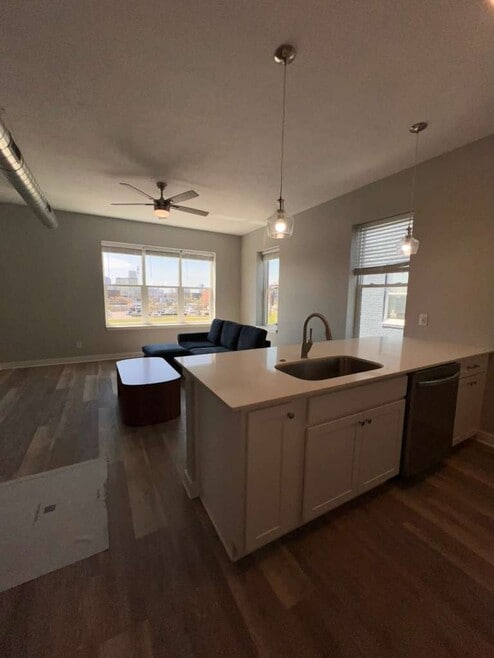
Indianapolis is the thriving capital city of the state of Indiana — as well as the most populated. Nicknamed the Crossroads of America, Indianapolis is the well-known center for several major interstates that connect locals to the rest of the country. This commuter-friendly city is also home to the Indianapolis International Airport, a modern hub for national and international travelers. With an abundance of affordable apartments for rent, the city of Indianapolis has more than enough to offer both its residents and visitors alike.
Residents can enjoy a performance from the Indianapolis Symphony Orchestra at Hilbert Circle Theatre, cheer on the Indianapolis Colts at Lucas Oil Stadium, and peruse the stores in Circle Centre Mall. Locals enjoy admiring the wildlife at the Indianapolis Zoo, exploring the exhibitions at the Indianapolis Museum of Art, and hiking the trails at Eagle Creek Park. From the Children’s Museum of Indianapolis to the Indianapolis Motor Speedway, host to the Indy 500, the world’s largest sporting event, the city of Indianapolis has something for everyone!
The White River flows through Indianapolis
The Circle Monument is a city landmark
Downtown Indianapolis on a sunny afternoon
Median Household Income
$59,562
Average: $80,481
Education
233,988
Residents Have a Degree
Job Market
443,207
Workers Employed
Median Age
36 Years
Largest Age Group
25-34 Years
Approximately 16% of Residents
Under 20
27%
Over 65
15%
Housing Distribution
Indianapolis has more homeowners than renters.

Education Distribution
Review this city's overall education levels.

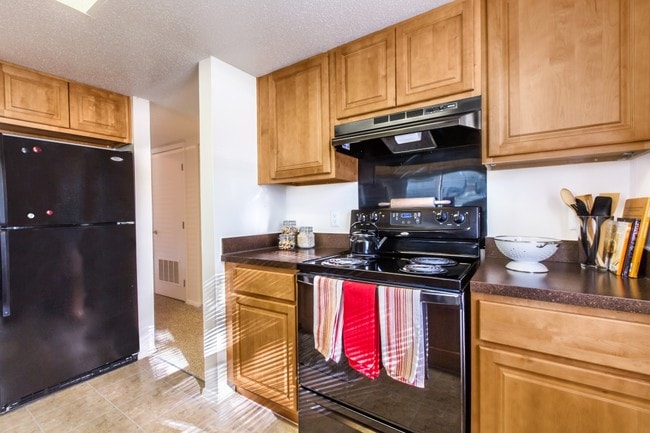
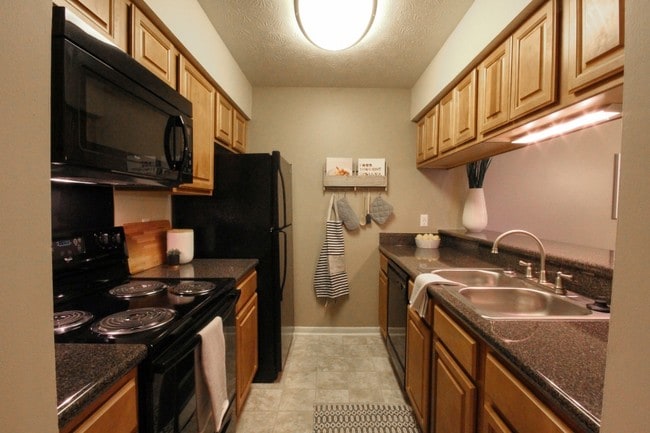
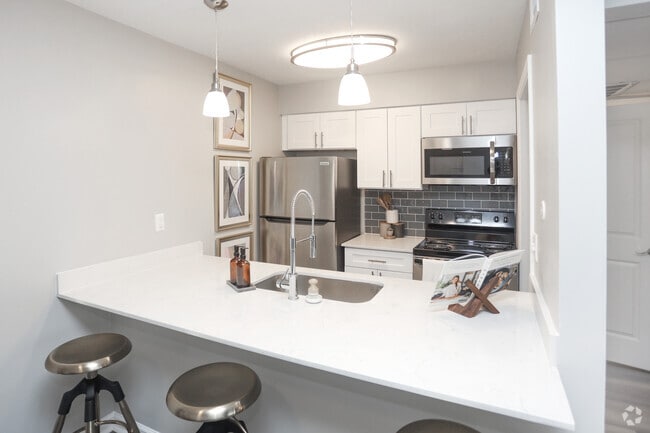
As of September 2026, the average apartment rent in Indianapolis, IN is $1,000 for a studio, $1,127 for one bedroom, $1,330 for two bedrooms, and $1,542 for three bedrooms. Apartment rent in Indianapolis has increased by 1.0% in the past year.
The cost of living in Indianapolis, IN is 10.3% lower than the national average. Generally, housing in Indianapolis is 24.6% less expensive than the national average, with rent falling between $1,000 - $1,542. You can expect to pay 0.1% more for groceries, 6.5% less for utilities, and 0.8% less for transportation.
Compare Cities

5 Most Affordable Neighborhoods in Indianapolis, IN
Experience all Indianapolis offers without breaking the bank. Explore our detailed guide to moving to Indy on a budget.

Why 3D Tours Are Essential for Out-of-State Apartment Hunters
Renting sight-unseen doesn’t have to be a gamble. See how 3D tours help out-of-state hunters.

8 Ways to Live Well with Your Best Friend
Living with your best friend can strengthen or strain the friendship. These 8 ground rules help.
Explore how walkable, bikeable, drivable, and transit-friendly Indianapolis, IN is for everyday living.
Moderately Walkable
Walkability
Limited Public Transit
Transit
Very Drivable
Drivability
Moderately Bikeable
Bikeability

Public
Grades K-5
351 Students

Amy Beverland Elementary School
Public
Grades K-5
800 Students

Public
Grades PK-5
627 Students
Public
Grades PK-5
510 Students
Public
Grades K-5
487 Students
H.L. Harshman Magnet Middle School
Public
Grades 6-8
509 Students

Public
Grades 6-8
845 Students
Public
Grades 6-8
1,278 Students
Public
Grades 6-8
1,019 Students
Indiana Math & Science Academy - West
Public
Grades K-8
554 Students

Ben Davis University High School
Public
Grades 9-12
375 Students
Public
Grades 9-12
981 Students
Public
Grades 9-12
3,438 Students
Public
Grades 9-12
3,682 Students

Public
Grades 9-12
2,455 Students
 The GreatSchools Rating helps parents compare schools within a state based on a variety of school quality indicators and provides a helpful picture of how effectively each school serves all of its students. Ratings are on a scale of 1 (below average) to 10 (above average) and can include test scores, college readiness, academic progress, advanced courses, equity, discipline and attendance data. We also advise parents to visit schools, consider other information on school performance and programs, and consider family needs as part of the school selection process.
View GreatSchools Rating Methodology
Data provided by
GreatSchools.org
© 2026. All rights reserved.
The GreatSchools Rating helps parents compare schools within a state based on a variety of school quality indicators and provides a helpful picture of how effectively each school serves all of its students. Ratings are on a scale of 1 (below average) to 10 (above average) and can include test scores, college readiness, academic progress, advanced courses, equity, discipline and attendance data. We also advise parents to visit schools, consider other information on school performance and programs, and consider family needs as part of the school selection process.
View GreatSchools Rating Methodology
Data provided by
GreatSchools.org
© 2026. All rights reserved.
† Our analysis of utilities, groceries, transportation, healthcare, home prices, and other goods and services is sourced from the Cost of Living Index, a respected benchmark published by the Council for Community and Economic Research (C2ER) that provides a thorough overview of living expenses across different regions.
Rent data is provided by CoStar Group’s Market Trend reports. As the industry leader in commercial real estate information, analytics, and news, CoStar conducts extensive research to produce and maintain a comprehensive database of commercial real estate information. We combine this data with public record to provide the most up-to-date rental information available.
Consumer goods, services, and home prices are sourced from the Cost of Living Index published by the Council for Community and Economic Research (C2ER). The data on this page is updated quarterly. It was last published in September 2026.
Demographic information comes from Neustar and combines detailed address data with U.S. Census and American Community Survey statistics to produce reliable local estimates.