Median Age
66 Years
Largest Age Group
70-79 Years
Approximately 24% of Residents
Under 20
10%
Over 65
53%

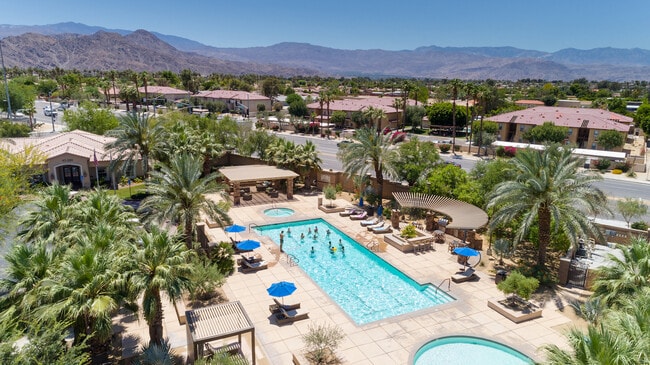
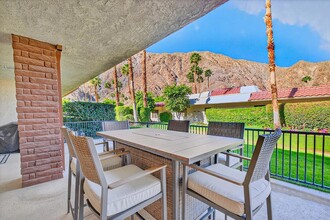
Tucked between Palm Desert and La Quinta in California's sun-drenched Coachella Valley, Indian Wells carries the relaxed confidence of a city that genuinely does not rush. Incorporated in 1967, this small but well-appointed desert city spans roughly 15 square miles and carries a low-density feel that sets it apart from busier neighbors in the region. The Indian Wells Tennis Garden hosts the BNP Paribas Open, one of the largest tennis tournaments in the world and played on the courts of the second-largest tennis-specific stadium globally, giving the city an international identity that far exceeds its size. College of the Desert sits just minutes away, lending an accessible educational anchor to the area.
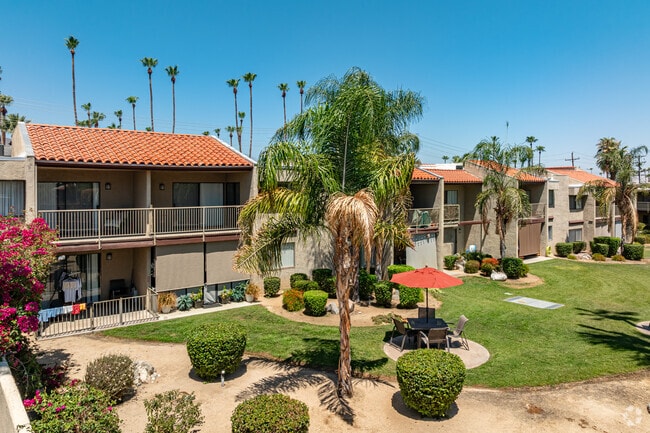
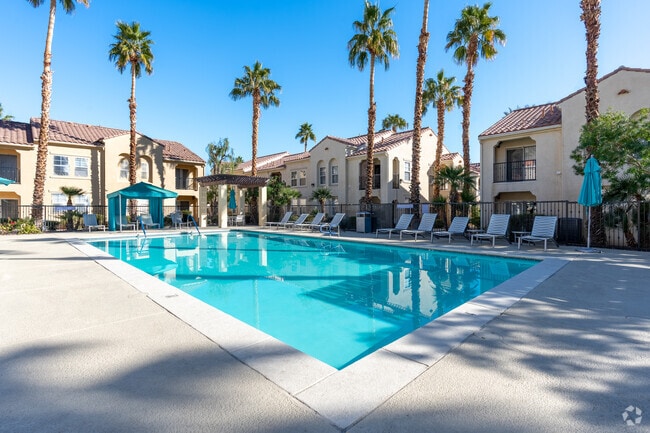
The rental landscape here leans toward upscale desert architecture: gated communities, sprawling townhomes, and resort-style apartment communities with golf course views and mountain backdrops. Mid-rise and low-rise buildings dominate the skyline, blending Spanish Colonial and contemporary Southwestern design. The pace of daily life is calm and intentional, with wide open skies, manicured surroundings, and easy access to outdoor escapes like Joshua Tree National Park and Mount San Jacinto State Park just a short drive away.
Median Household Income
$120,339
Average: $158,510
Education
4,793
Residents Have a Degree
Job Market
3,307
Workers Employed
Median Age
66 Years
Largest Age Group
70-79 Years
Approximately 24% of Residents
Under 20
10%
Over 65
53%
Housing Distribution
Indian Wells has more homeowners than renters.

Education Distribution
Review this city's overall education levels.

Explore how walkable, bikeable, drivable, and transit-friendly Indian Wells, CA is for everyday living.
Not Walkable
Walkability
Exceptionally Drivable
Drivability
Somewhat Bikeable
Bikeability

Gerald R. Ford Elementary School
Public
Grades K-5
598 Students

 The GreatSchools Rating helps parents compare schools within a state based on a variety of school quality indicators and provides a helpful picture of how effectively each school serves all of its students. Ratings are on a scale of 1 (below average) to 10 (above average) and can include test scores, college readiness, academic progress, advanced courses, equity, discipline and attendance data. We also advise parents to visit schools, consider other information on school performance and programs, and consider family needs as part of the school selection process.
View GreatSchools Rating Methodology
Data provided by
GreatSchools.org
© 2026. All rights reserved.
The GreatSchools Rating helps parents compare schools within a state based on a variety of school quality indicators and provides a helpful picture of how effectively each school serves all of its students. Ratings are on a scale of 1 (below average) to 10 (above average) and can include test scores, college readiness, academic progress, advanced courses, equity, discipline and attendance data. We also advise parents to visit schools, consider other information on school performance and programs, and consider family needs as part of the school selection process.
View GreatSchools Rating Methodology
Data provided by
GreatSchools.org
© 2026. All rights reserved.
† Our analysis of utilities, groceries, transportation, healthcare, home prices, and other goods and services is sourced from the Cost of Living Index, a respected benchmark published by the Council for Community and Economic Research (C2ER) that provides a thorough overview of living expenses across different regions.
Rent data is provided by CoStar Group’s Market Trend reports. As the industry leader in commercial real estate information, analytics, and news, CoStar conducts extensive research to produce and maintain a comprehensive database of commercial real estate information. We combine this data with public record to provide the most up-to-date rental information available.
Consumer goods, services, and home prices are sourced from the Cost of Living Index published by the Council for Community and Economic Research (C2ER). The data on this page is updated quarterly. It was last published in September 2026.
Demographic information comes from Neustar and combines detailed address data with U.S. Census and American Community Survey statistics to produce reliable local estimates.