Median Age
45 Years
Largest Age Group
60-69 Years
Approximately 14% of Residents
Under 20
21%
Over 65
26%


Avg Rent
$839
Population
38,975
Renter Mix
46% Rent
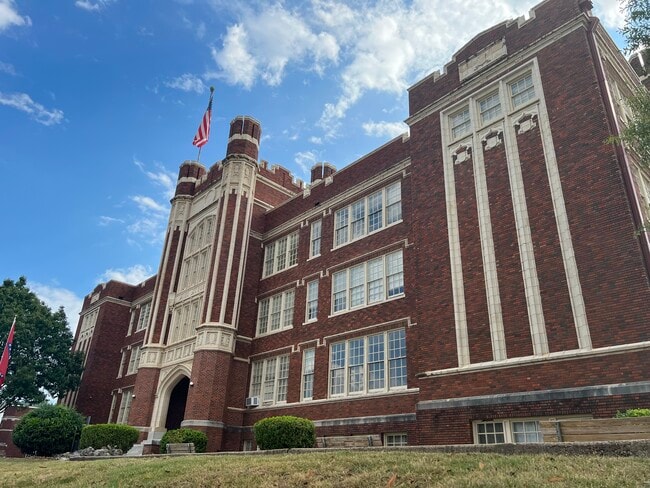
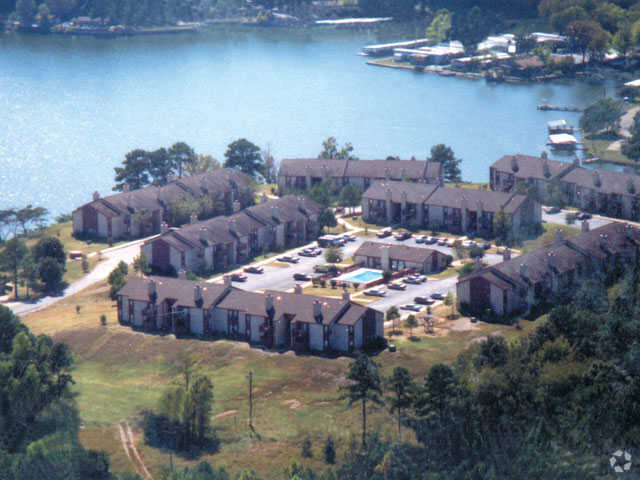
Hot Springs is a resort city nestled in the Ouachita Mountains of central Arkansas, where natural thermal waters and a century of spa culture have shaped an identity unlike any other city in the state. At its center sits Hot Springs National Park, the oldest federally protected reserve in the United States, established in 1832 and still drawing people from across the country. The historic Bathhouse Row, lined with grand Art Deco structures along Central Avenue, anchors a downtown that also supports a growing arts scene, independent galleries, and a walkable stretch of shops and eateries. Areas surrounding Lake Hamilton offer a more relaxed, lakeside pace of life, while neighborhoods closer to the national park put residents steps away from forested trails and the city's celebrated thermal springs.
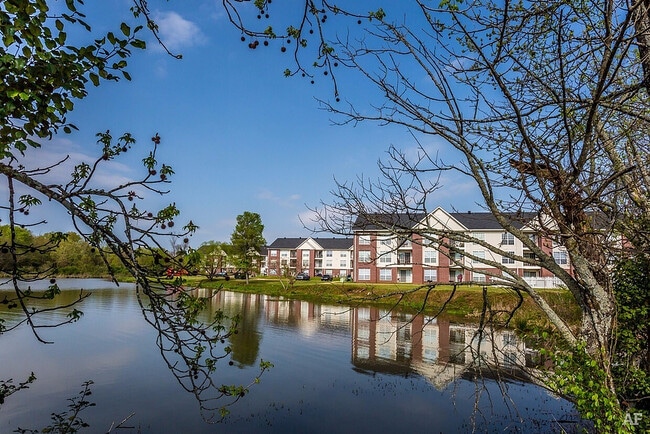
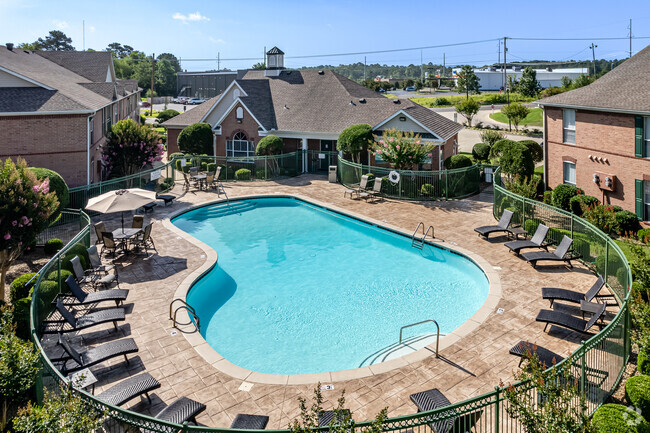
The rental market here reflects the city's smaller scale and affordability relative to larger Arkansas metros, with options ranging from traditional apartment communities and garden-style units to townhomes and historic conversions near downtown. National Park College serves as an educational anchor, contributing to a steady local economy alongside healthcare, tourism, and hospitality. Whether someone is drawn by the natural surroundings, the architectural character, or the lower cost of living, Hot Springs offers a grounded, unhurried way of life with genuine regional character.
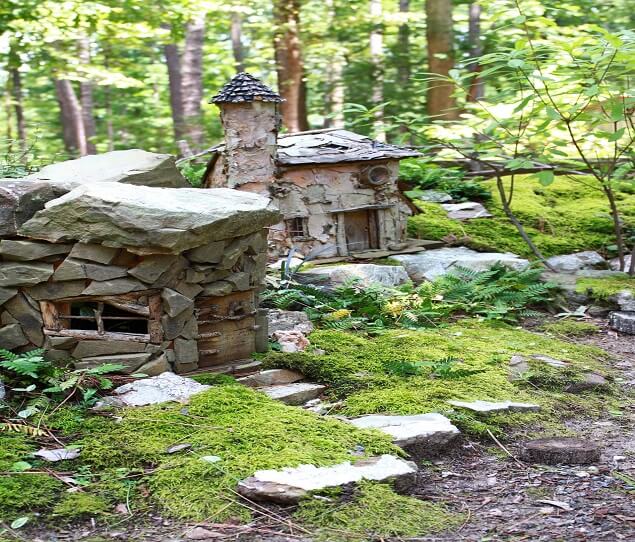
Fairy house in Garvan Woodland Gardens
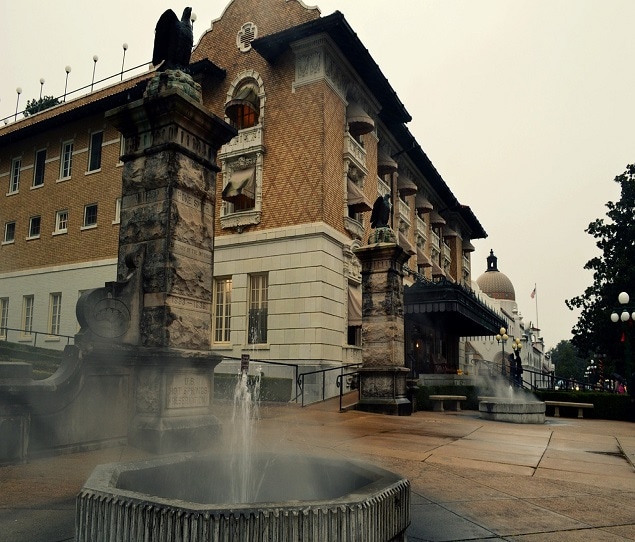
A bathhouse in Hot Spings
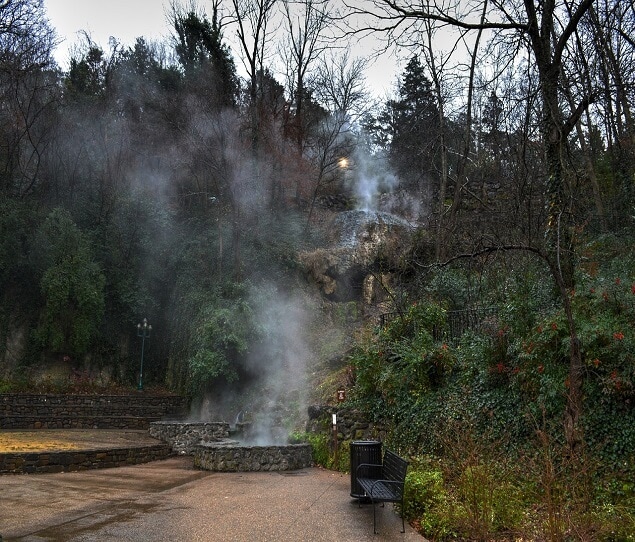
Steam rising in Hot Springs National Park
The Tooth Fairy House at Garvan Woodland Gardens
Median Household Income
$42,679
Average: $59,710
Education
8,717
Residents Have a Degree
Job Market
16,860
Workers Employed
Median Age
45 Years
Largest Age Group
60-69 Years
Approximately 14% of Residents
Under 20
21%
Over 65
26%
Housing Distribution
Hot Springs has more homeowners than renters.

Education Distribution
Review this city's overall education levels.

As of September 2026, the average apartment rent in Hot Springs, AR is $668 for a studio, $839 for one bedroom, $927 for two bedrooms, and $1,226 for three bedrooms. Apartment rent in Hot Springs has increased by 4.1% in the past year.
The cost of living in Hot Springs, AR is 7.4% lower than the national average. Generally, housing in Hot Springs is 20.5% less expensive than the national average, with rent falling between $668 - $1,226. You can expect to pay 7.9% less for groceries, 6.6% less for utilities, and 4.4% less for transportation.
Compare Cities
Explore how walkable, bikeable, drivable, and transit-friendly Hot Springs, AR is for everyday living.
Fairly Walkable
Walkability
Moderately Drivable
Drivability
Somewhat Bikeable
Bikeability

Public
Grades K-5
733 Students

Public
Grades PK-5
403 Students
Public
Grades K-5
532 Students

Public
Grades PK-5
403 Students
Fountain Lake Elementary School
Public
Grades PK-5
403 Students
Public
Grades 6-8
592 Students
Fountain Lake Middle School Cobra Digital Prep Academy
Public
Grades K-8
405 Students

Cutter-Morning Star High School
Public
Grades 6-12
297 Students

Hot Springs Intermediate School
Public
Grades 6
490 Students

Public
Grades 5-8
401 Students
Public
Grades 9-12
368 Students
Public
Grades 9-12
744 Students

Cutter-Morning Star High School
Public
Grades 6-12
297 Students
Public
Grades 10-12
National Park Technology Center
Public
Grades 9-12
 The GreatSchools Rating helps parents compare schools within a state based on a variety of school quality indicators and provides a helpful picture of how effectively each school serves all of its students. Ratings are on a scale of 1 (below average) to 10 (above average) and can include test scores, college readiness, academic progress, advanced courses, equity, discipline and attendance data. We also advise parents to visit schools, consider other information on school performance and programs, and consider family needs as part of the school selection process.
View GreatSchools Rating Methodology
Data provided by
GreatSchools.org
© 2026. All rights reserved.
The GreatSchools Rating helps parents compare schools within a state based on a variety of school quality indicators and provides a helpful picture of how effectively each school serves all of its students. Ratings are on a scale of 1 (below average) to 10 (above average) and can include test scores, college readiness, academic progress, advanced courses, equity, discipline and attendance data. We also advise parents to visit schools, consider other information on school performance and programs, and consider family needs as part of the school selection process.
View GreatSchools Rating Methodology
Data provided by
GreatSchools.org
© 2026. All rights reserved.
† Our analysis of utilities, groceries, transportation, healthcare, home prices, and other goods and services is sourced from the Cost of Living Index, a respected benchmark published by the Council for Community and Economic Research (C2ER) that provides a thorough overview of living expenses across different regions.
Rent data is provided by CoStar Group’s Market Trend reports. As the industry leader in commercial real estate information, analytics, and news, CoStar conducts extensive research to produce and maintain a comprehensive database of commercial real estate information. We combine this data with public record to provide the most up-to-date rental information available.
Consumer goods, services, and home prices are sourced from the Cost of Living Index published by the Council for Community and Economic Research (C2ER). The data on this page is updated quarterly. It was last published in September 2026.
Demographic information comes from Neustar and combines detailed address data with U.S. Census and American Community Survey statistics to produce reliable local estimates.