Median Age
43 Years
Largest Age Group
30-39 Years
Approximately 15% of Residents
Under 20
21%
Over 65
22%

Hamburg is a small-town Americana find on the east bank of the Schuylkill River, where more than 400 preserved buildings give the downtown a character that feels genuinely rooted in time. Daily life revolves around a compact, walkable center where local shops, two craft breweries, and a single-screen movie house dating to 1799 share the same streets. The borough sits about 30 minutes north of Reading and roughly 35 minutes west of Allentown via I-78, putting bigger-city amenities within easy reach without giving up the quiet pace of a close-knit community.
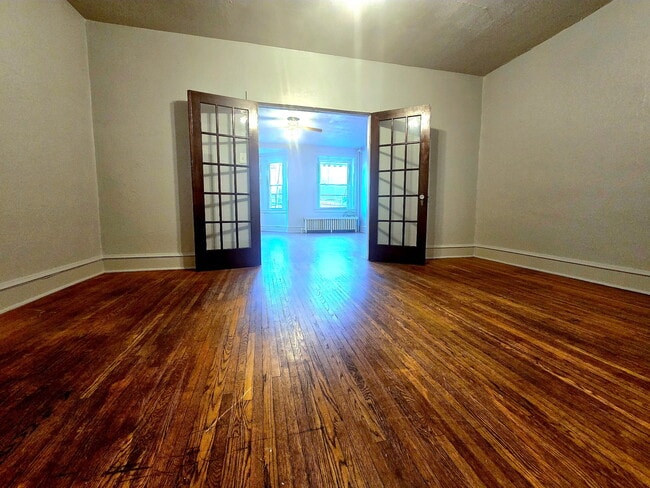
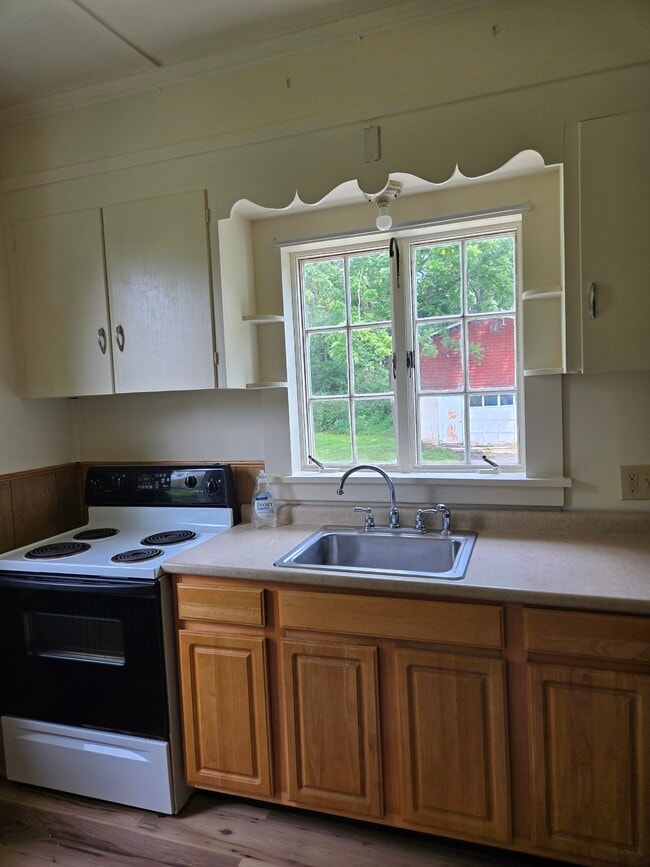
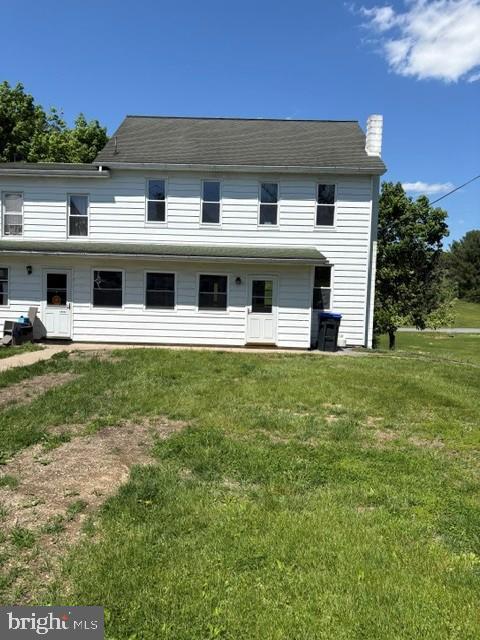
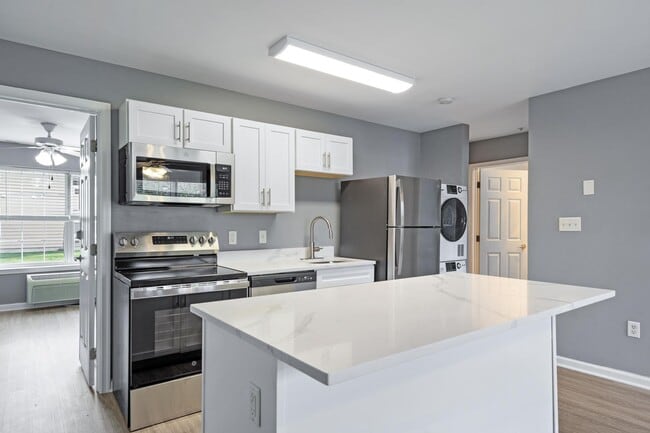
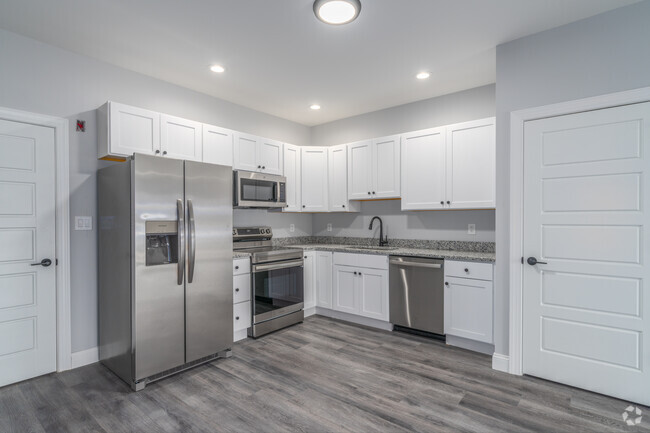
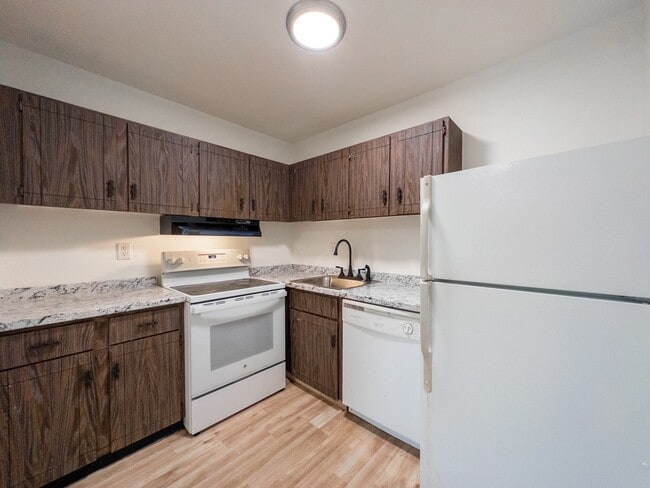
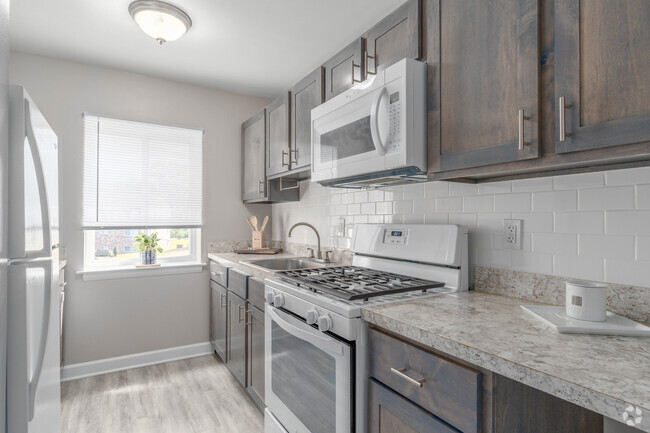
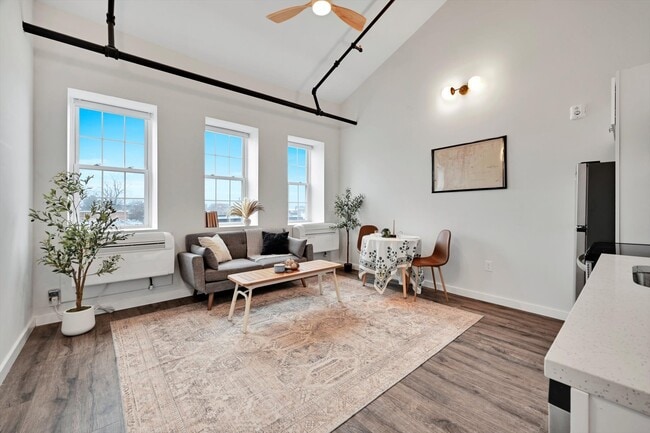
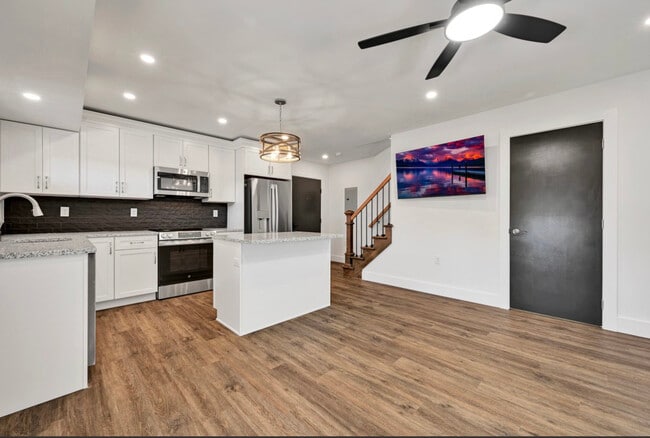
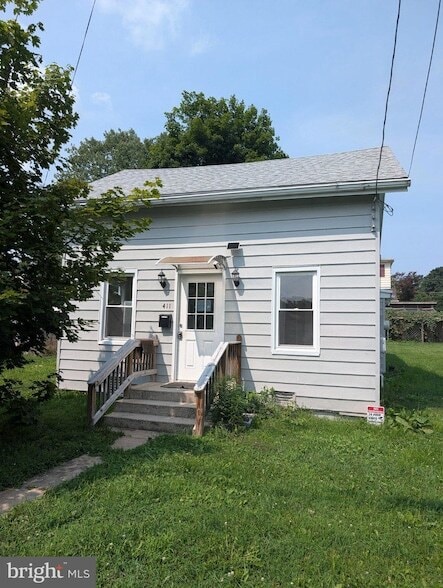
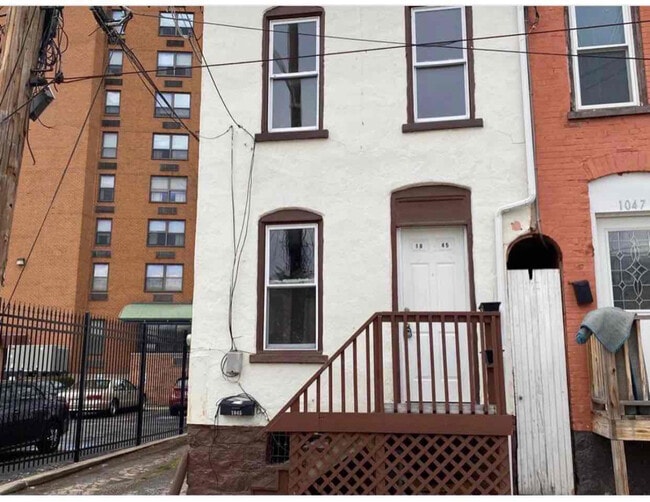
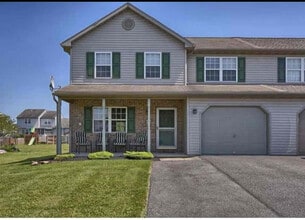
The rental landscape leans toward 19th-century townhomes and Victorian-era row houses in the historic core, with newer Colonial-style detached homes available farther from the center. Options range from walkable downtown units to more spacious builds on the borough's edges.
The Our Town Foundation actively oversees preservation and revitalization of the downtown district, keeping storefronts active and the streetscape intact. Berks County's broader economy anchors steady employment in the surrounding region, and Hamburg's name itself carries a curious origin story: historians believe it is likely a corruption of 'Bad Homburg' rather than a direct nod to Hamburg, Germany.
Median Household Income
$58,407
Average: $78,760
Education
855
Residents Have a Degree
Job Market
2,520
Workers Employed
Median Age
43 Years
Largest Age Group
30-39 Years
Approximately 15% of Residents
Under 20
21%
Over 65
22%
Housing Distribution
Hamburg has more homeowners than renters.

Education Distribution
Review this city's overall education levels.

Explore how walkable, bikeable, drivable, and transit-friendly Hamburg, PA is for everyday living.
Moderately Walkable
Walkability
Limited Public Transit
Transit
Exceptionally Drivable
Drivability
Fairly Bikeable
Bikeability

Public
Grades K-5
562 Students

Public
Grades 6-8
482 Students

Public
Grades 9-12
674 Students
 The GreatSchools Rating helps parents compare schools within a state based on a variety of school quality indicators and provides a helpful picture of how effectively each school serves all of its students. Ratings are on a scale of 1 (below average) to 10 (above average) and can include test scores, college readiness, academic progress, advanced courses, equity, discipline and attendance data. We also advise parents to visit schools, consider other information on school performance and programs, and consider family needs as part of the school selection process.
View GreatSchools Rating Methodology
Data provided by
GreatSchools.org
© 2026. All rights reserved.
The GreatSchools Rating helps parents compare schools within a state based on a variety of school quality indicators and provides a helpful picture of how effectively each school serves all of its students. Ratings are on a scale of 1 (below average) to 10 (above average) and can include test scores, college readiness, academic progress, advanced courses, equity, discipline and attendance data. We also advise parents to visit schools, consider other information on school performance and programs, and consider family needs as part of the school selection process.
View GreatSchools Rating Methodology
Data provided by
GreatSchools.org
© 2026. All rights reserved.
† Our analysis of utilities, groceries, transportation, healthcare, home prices, and other goods and services is sourced from the Cost of Living Index, a respected benchmark published by the Council for Community and Economic Research (C2ER) that provides a thorough overview of living expenses across different regions.
Rent data is provided by CoStar Group’s Market Trend reports. As the industry leader in commercial real estate information, analytics, and news, CoStar conducts extensive research to produce and maintain a comprehensive database of commercial real estate information. We combine this data with public record to provide the most up-to-date rental information available.
Consumer goods, services, and home prices are sourced from the Cost of Living Index published by the Council for Community and Economic Research (C2ER). The data on this page is updated quarterly. It was last published in September 2026.
Demographic information comes from Neustar and combines detailed address data with U.S. Census and American Community Survey statistics to produce reliable local estimates.