Median Age
47 Years
Largest Age Group
50-59 Years
Approximately 16% of Residents
Under 20
24%
Over 65
23%
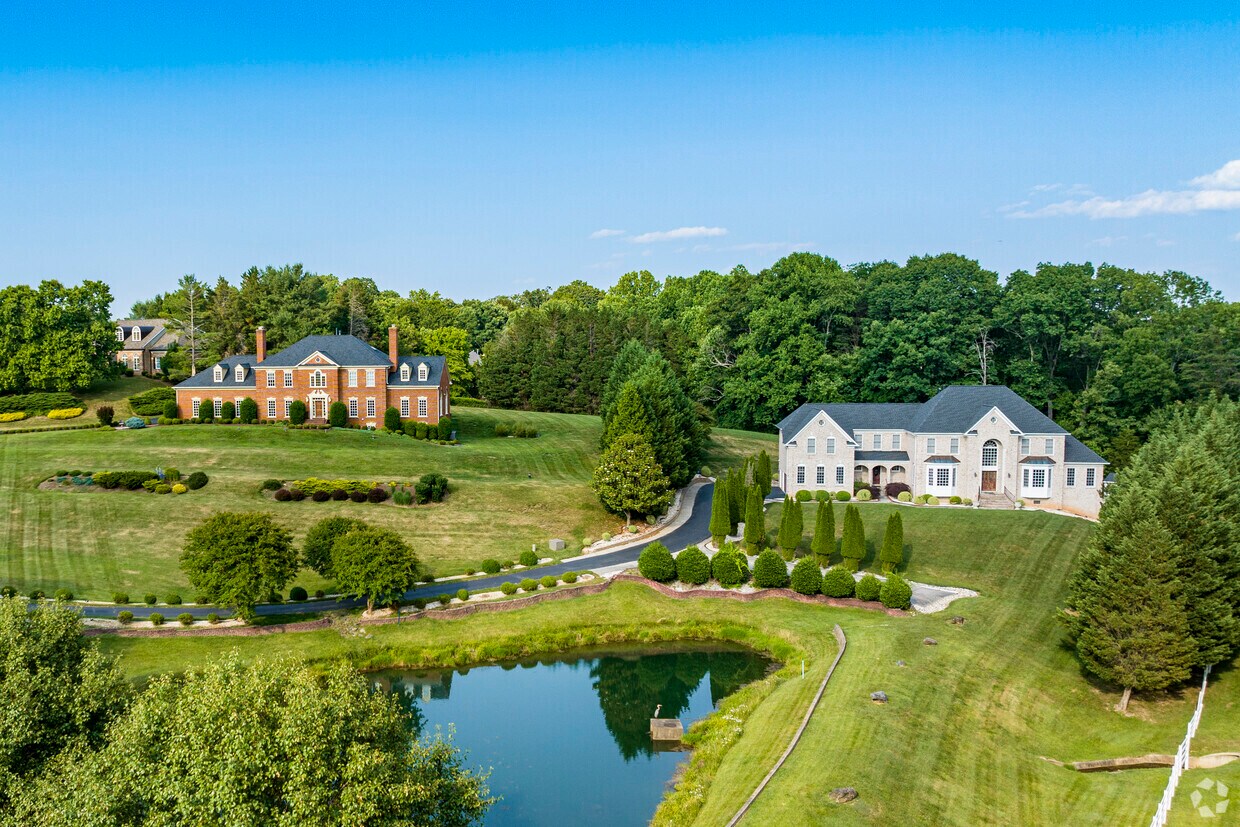
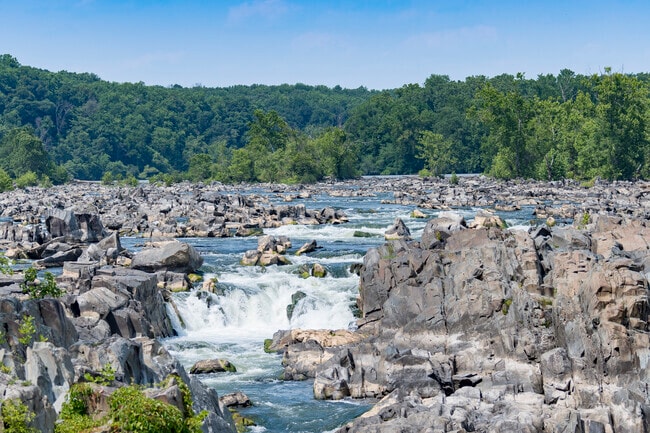
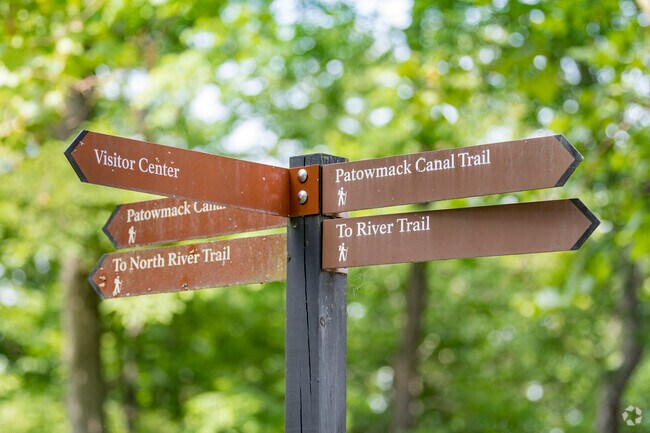
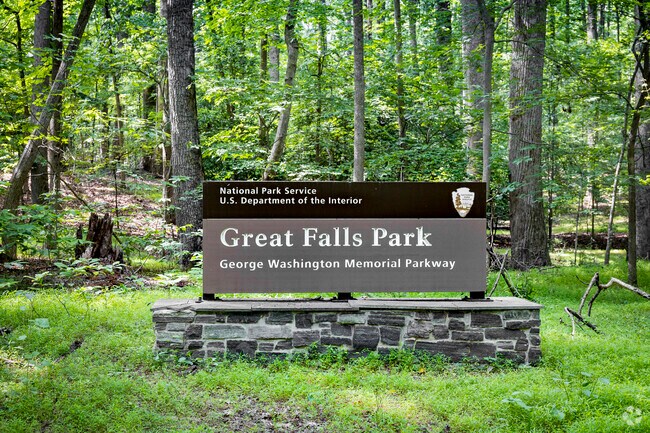

Tucked along the Virginia side of the Potomac River about 15 miles northwest of Washington, D.C., Great Falls is a census-designated place in Fairfax County where wooded lots, open sky, and the sounds of rushing water define everyday life. Residents here are close to the natural splendor of the Potomac River gorge, and the town center sits just minutes from Great Falls Park, a 800-acre National Park Service site that draws visitors from across the region year-round. The communities of McLean and Reston are both within a short drive, giving residents easy access to restaurants, shopping, and employment centers while still feeling removed from the metro bustle. Dining options and local shops cluster around the Great Falls Village Centre and surrounding corridors along Georgetown Pike and Leesburg Pike. The area hosts a weekly farmers market and a schedule of seasonal outdoor concerts and community celebrations at the Village Green, including events tied to spring, the Fourth of July, Halloween, and a holiday tree lighting.
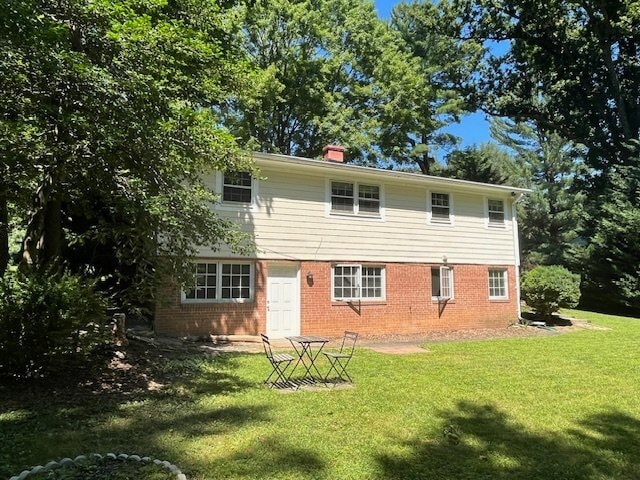
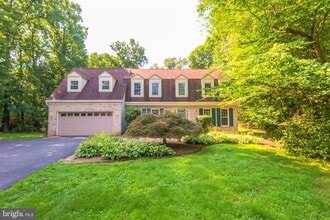
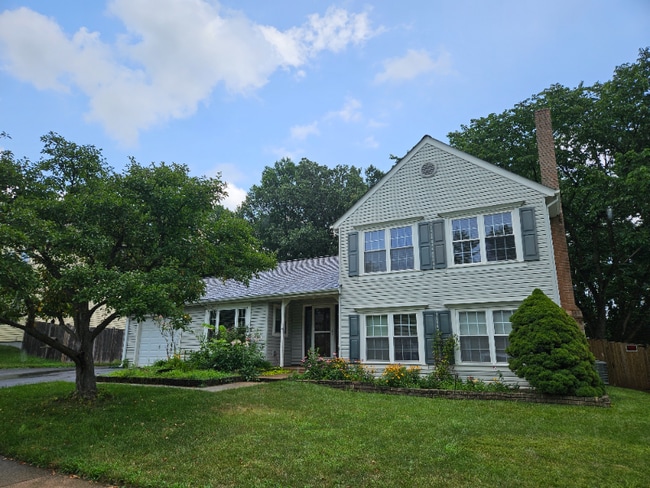
George Mason University is located about 6 miles away, contributing to the broader educational and cultural fabric of the surrounding region. The rental landscape in Great Falls skews toward spacious single-family homes and townhomes rather than dense multifamily housing, reflecting the lower-density character of this Fairfax County community. Some garden-style apartment communities are available in nearby areas, and renters who want proximity to the natural setting here while keeping access to Northern Virginia's employment corridors will find this an appealing base.
Great Falls Park offers many ways to enjoy nature in Great Falls.
Great Falls Park is a popular destination with trails and scenic views in Great Falls.
Great Falls boasts a wide variety of unique sights waiting to be discovered.
Riverbend Park is a scenic destination for those looking for outdoor adventures in Great Falls.
Georgetown Pike connects residents of Great Falls to many city and scenic destinations.
Seneca Regional Park has beautiful trails under a canopy of trees in Great Falls.
Median Household Income
$250,046
Average: $245,478
Education
9,255
Residents Have a Degree
Job Market
7,593
Workers Employed
Median Age
47 Years
Largest Age Group
50-59 Years
Approximately 16% of Residents
Under 20
24%
Over 65
23%
Housing Distribution
Great Falls has more homeowners than renters.

Education Distribution
Review this city's overall education levels.

Explore how walkable, bikeable, drivable, and transit-friendly Great Falls, VA is for everyday living.
Somewhat Walkable
Walkability
Exceptionally Drivable
Drivability
Somewhat Bikeable
Bikeability

Public
Grades PK-5
573 Students

Public
Grades PK-5
547 Students

Public
Grades PK-5
547 Students
 The GreatSchools Rating helps parents compare schools within a state based on a variety of school quality indicators and provides a helpful picture of how effectively each school serves all of its students. Ratings are on a scale of 1 (below average) to 10 (above average) and can include test scores, college readiness, academic progress, advanced courses, equity, discipline and attendance data. We also advise parents to visit schools, consider other information on school performance and programs, and consider family needs as part of the school selection process.
View GreatSchools Rating Methodology
Data provided by
GreatSchools.org
© 2026. All rights reserved.
The GreatSchools Rating helps parents compare schools within a state based on a variety of school quality indicators and provides a helpful picture of how effectively each school serves all of its students. Ratings are on a scale of 1 (below average) to 10 (above average) and can include test scores, college readiness, academic progress, advanced courses, equity, discipline and attendance data. We also advise parents to visit schools, consider other information on school performance and programs, and consider family needs as part of the school selection process.
View GreatSchools Rating Methodology
Data provided by
GreatSchools.org
© 2026. All rights reserved.
† Our analysis of utilities, groceries, transportation, healthcare, home prices, and other goods and services is sourced from the Cost of Living Index, a respected benchmark published by the Council for Community and Economic Research (C2ER) that provides a thorough overview of living expenses across different regions.
Rent data is provided by CoStar Group’s Market Trend reports. As the industry leader in commercial real estate information, analytics, and news, CoStar conducts extensive research to produce and maintain a comprehensive database of commercial real estate information. We combine this data with public record to provide the most up-to-date rental information available.
Consumer goods, services, and home prices are sourced from the Cost of Living Index published by the Council for Community and Economic Research (C2ER). The data on this page is updated quarterly. It was last published in September 2026.
Demographic information comes from Neustar and combines detailed address data with U.S. Census and American Community Survey statistics to produce reliable local estimates.