Median Age
41 Years
Largest Age Group
30-39 Years
Approximately 14% of Residents
Under 20
24%
Over 65
20%

Avg Rent
$617
Population
28,126
Renter Mix
35% Rent
Granite City, Illinois, carries a story that stretches back to 1896, when brothers William and Frederick Niedringhaus founded it as a company town built around the manufacture of graniteware kitchen utensils and steel. That industrial heritage still shapes the city's identity today, with U.S. Steel's Granite City Works remaining a defining landmark and the manufacturing tradition woven into the community's sense of pride. Sitting on the east bank of the Mississippi River northeast of St. Louis, Granite City is part of the Metro East region and ranks as the third-largest city in that area, with a population of roughly 28,000 spread across 21 square miles.
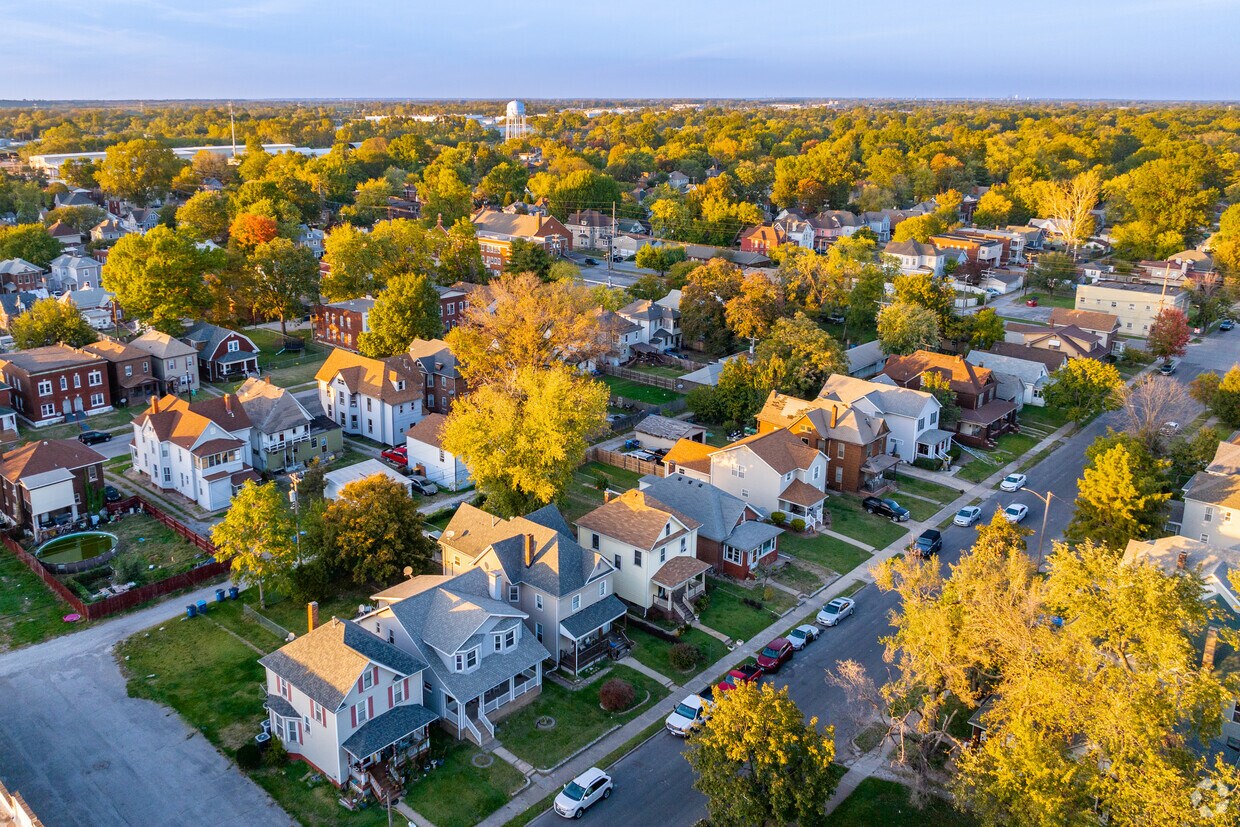
The city offers real neighborhood variety, from the Wilson Park area, where Gilded Age homes reflect early 20th-century prosperity, to a downtown district anchored by an official Arts and Entertainment District that supports local artists through active incentive programs. Southwestern Illinois College's Wolf Campus is just minutes away, and Southern Illinois University Edwardsville is an easy 18-minute drive.
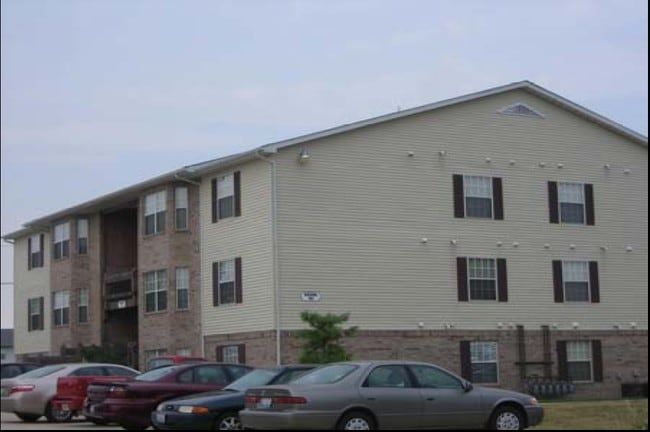
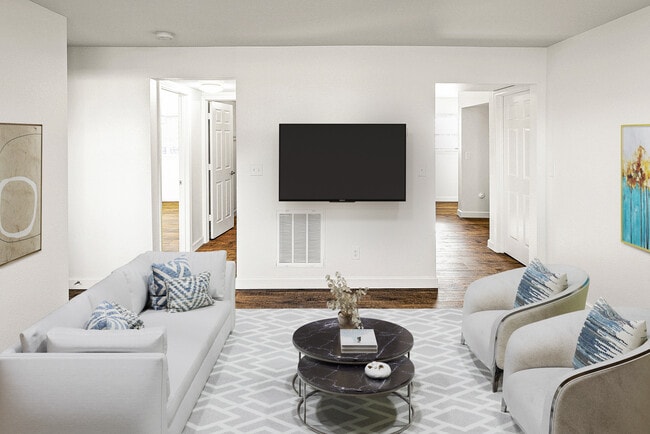
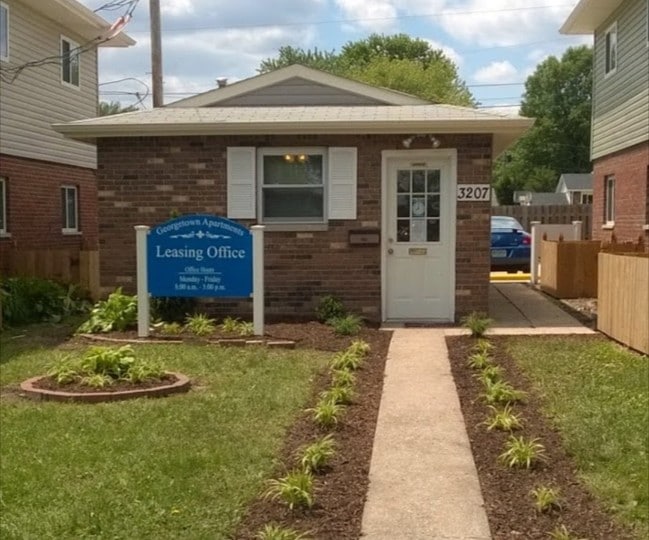
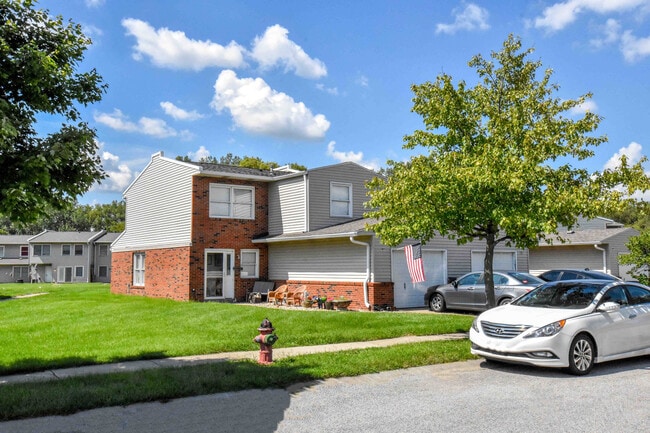
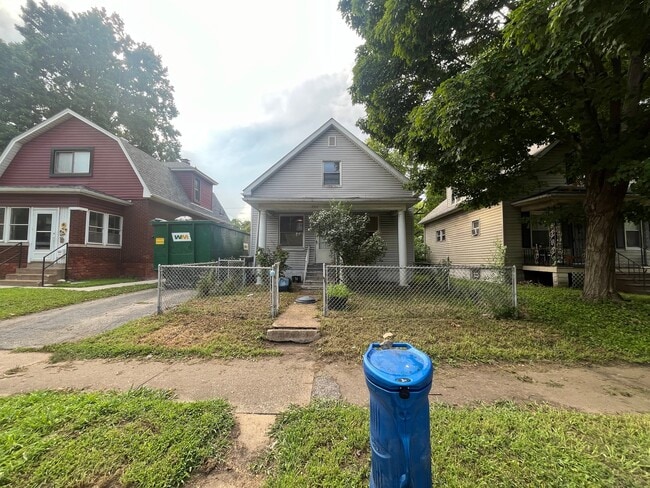
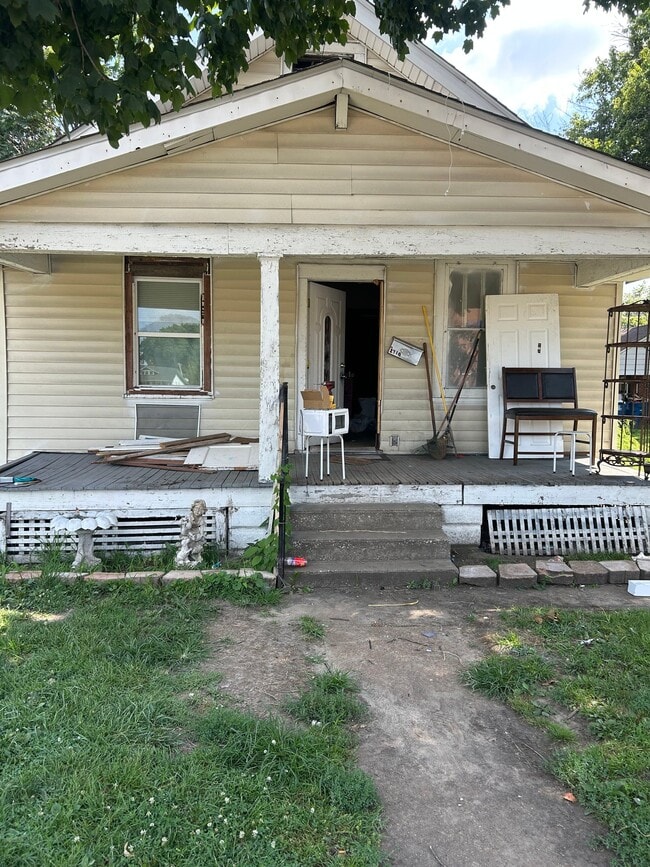
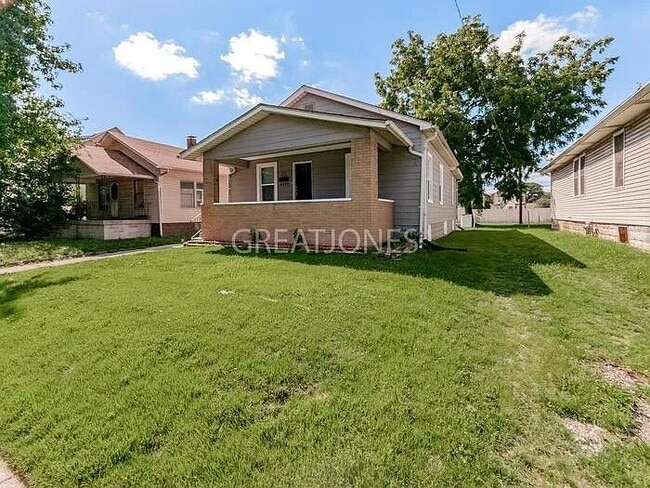
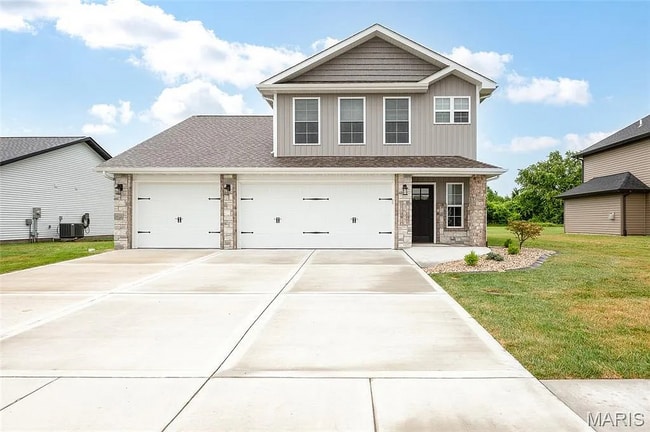
Renters will find a mix of single-family homes, older character-filled residences from the steel era, and apartment communities at some of the most affordable rates in the entire St. Louis metro. Whether you're drawn by the low cost of living, the authentic history, or the short commute to downtown St. Louis, Granite City delivers genuine community character without a premium price tag.
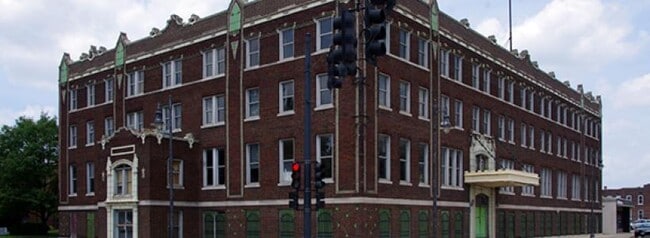
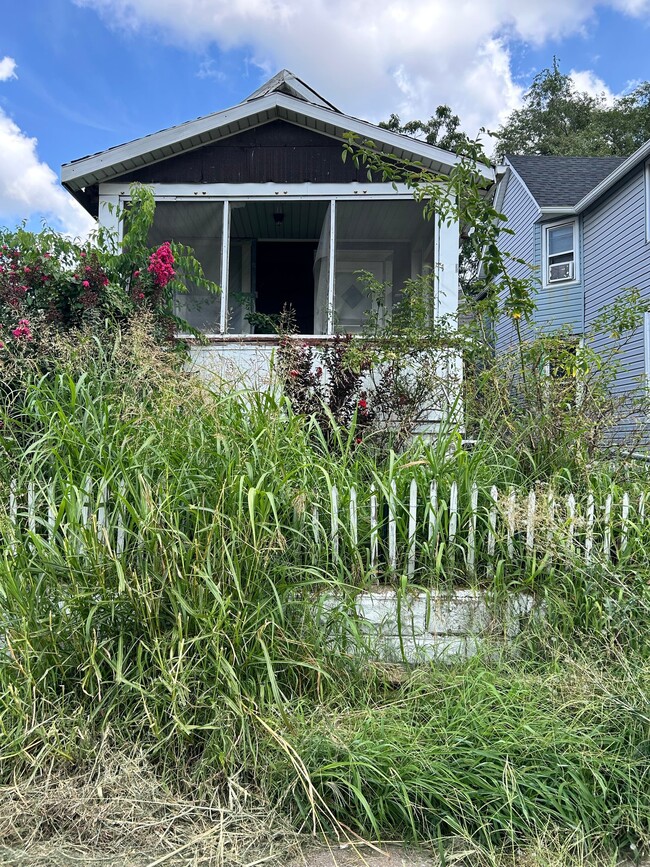
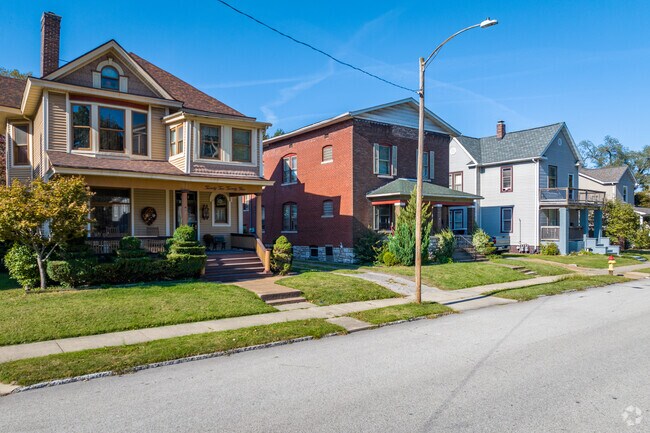
Granite City's oldest homes stand as a testament to the city’s rich historical tapestry.
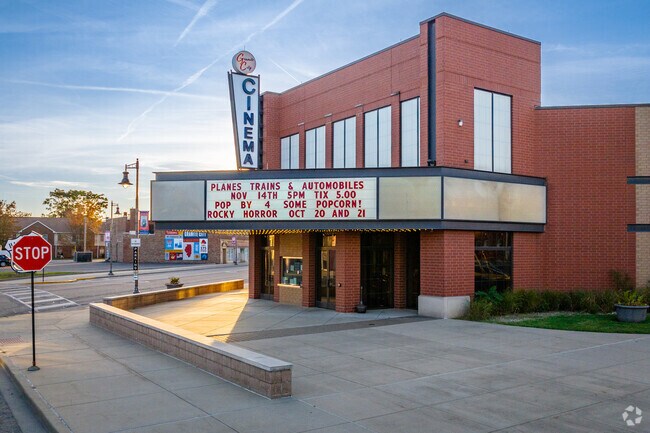
Spend your weekends catching up on films at Granite City’s local cinemas.
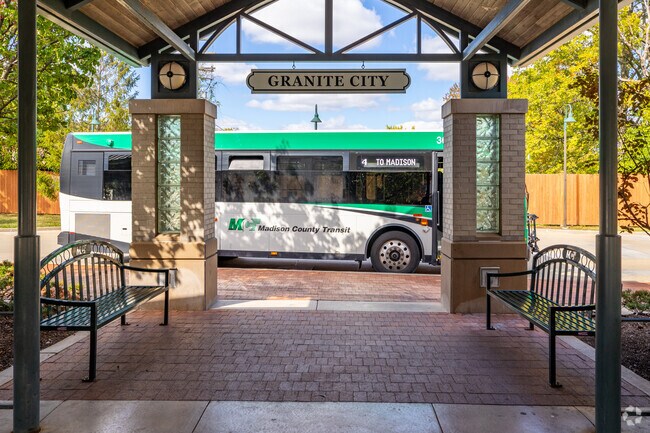
Buses are a common sight, providing reliable transit options for Granite City residents.
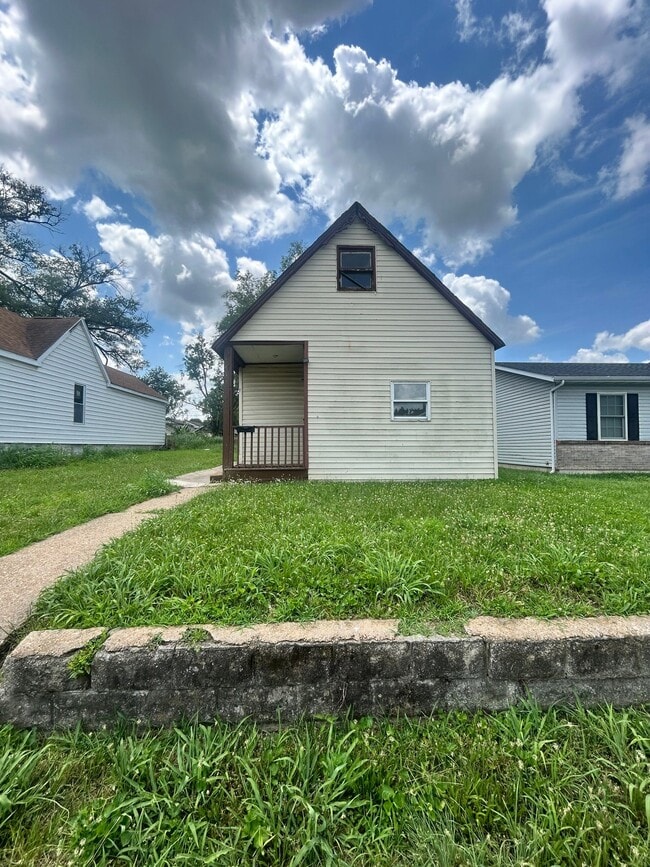
Family-friendly neighborhoods are a staple in the community of Granite City.
The Memorial Garden at Wilson Park offers a serene escape in Granite City.
Historic Route 66 elements are highlighted in downtown Granite City.
Median Household Income
$54,756
Average: $64,837
Education
3,763
Residents Have a Degree
Job Market
12,541
Workers Employed
Median Age
41 Years
Largest Age Group
30-39 Years
Approximately 14% of Residents
Under 20
24%
Over 65
20%
Housing Distribution
Granite City has more homeowners than renters.

Education Distribution
Review this city's overall education levels.

As of August 2026, the average apartment rent in Granite City, IL is $628 for a studio, $617 for one bedroom, $1,031 for two bedrooms, and $1,224 for three bedrooms. Apartment rent in Granite City has increased by 1.2% in the past year.
Explore how walkable, bikeable, drivable, and transit-friendly Granite City, IL is for everyday living.
Somewhat Walkable
Walkability
Limited Public Transit
Transit
Exceptionally Drivable
Drivability
Not Bikeable
Bikeability

Public
Grades K-5
417 Students

Public
Grades PK-8
60 Students

Public
Grades K-5
792 Students

Public
Grades K-5
435 Students

Public
Grades K-5
876 Students

Public
Grades PK-8
60 Students
Public
Grades 6-8
825 Students
Public
Grades 9-12
1,653 Students
 The GreatSchools Rating helps parents compare schools within a state based on a variety of school quality indicators and provides a helpful picture of how effectively each school serves all of its students. Ratings are on a scale of 1 (below average) to 10 (above average) and can include test scores, college readiness, academic progress, advanced courses, equity, discipline and attendance data. We also advise parents to visit schools, consider other information on school performance and programs, and consider family needs as part of the school selection process.
View GreatSchools Rating Methodology
Data provided by
GreatSchools.org
© 2026. All rights reserved.
The GreatSchools Rating helps parents compare schools within a state based on a variety of school quality indicators and provides a helpful picture of how effectively each school serves all of its students. Ratings are on a scale of 1 (below average) to 10 (above average) and can include test scores, college readiness, academic progress, advanced courses, equity, discipline and attendance data. We also advise parents to visit schools, consider other information on school performance and programs, and consider family needs as part of the school selection process.
View GreatSchools Rating Methodology
Data provided by
GreatSchools.org
© 2026. All rights reserved.
† Our analysis of utilities, groceries, transportation, healthcare, home prices, and other goods and services is sourced from the Cost of Living Index, a respected benchmark published by the Council for Community and Economic Research (C2ER) that provides a thorough overview of living expenses across different regions.
Rent data is provided by CoStar Group’s Market Trend reports. As the industry leader in commercial real estate information, analytics, and news, CoStar conducts extensive research to produce and maintain a comprehensive database of commercial real estate information. We combine this data with public record to provide the most up-to-date rental information available.
Consumer goods, services, and home prices are sourced from the Cost of Living Index published by the Council for Community and Economic Research (C2ER). The data on this page is updated quarterly. It was last published in June 2026.
Demographic information comes from Neustar and combines detailed address data with U.S. Census and American Community Survey statistics to produce reliable local estimates.