Median Age
43 Years
Largest Age Group
30-39 Years
Approximately 14% of Residents
Under 20
21%
Over 65
21%

Avg Rent
$1,535
Population
21,568
Renter Mix
47% Rent
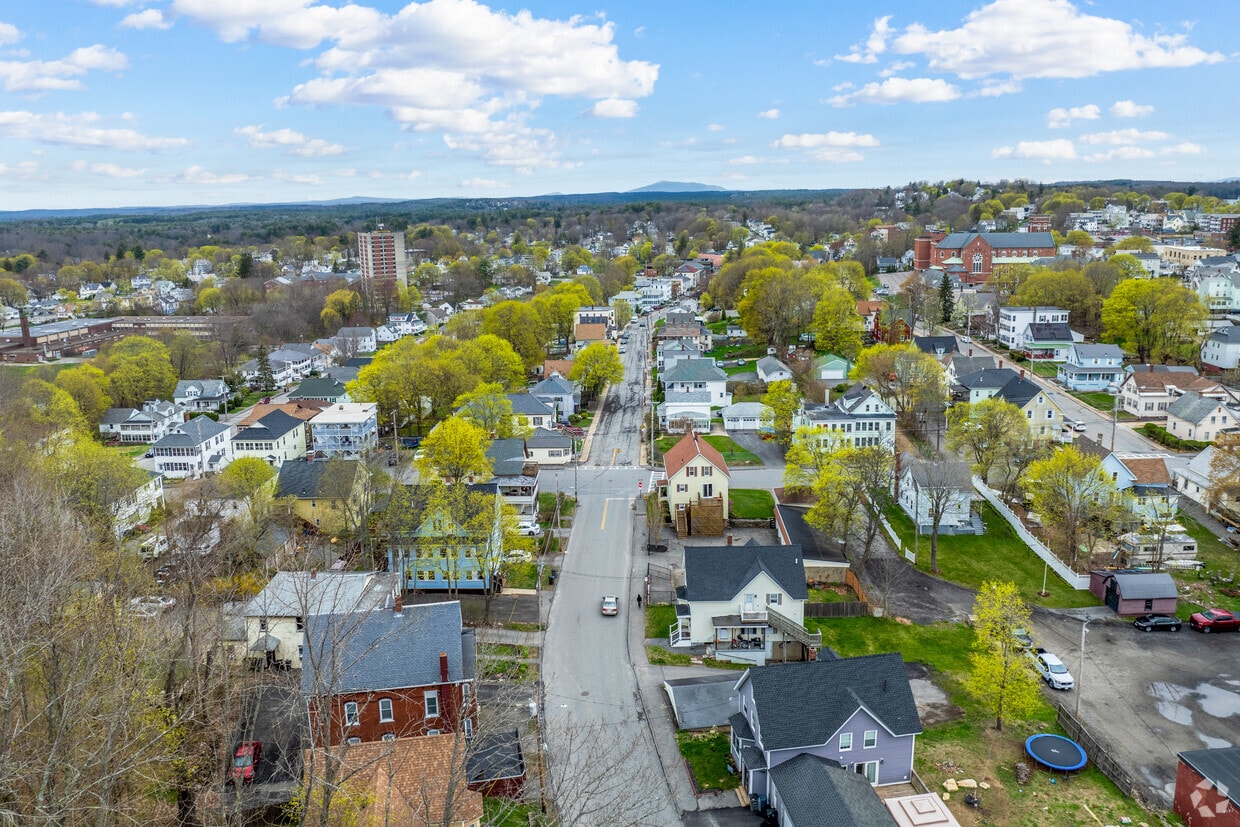
Known as 'The Chair City' for a two-century furniture-making legacy, Gardner is a north-central Massachusetts city in Worcester County where genuine New England character shows up in historic downtown storefronts, tree-lined streets, and a walkable core centered at the junction of Main, Parker, and Central Streets. Everyday errands, local dining, and community events are all within easy reach of most neighborhoods, and outdoor recreation at Dunn State Park and the North Central Pathway adds a natural counterbalance to city life. Two areas worth knowing are the downtown district and the Timpany Boulevard corridor, each with its own distinct pace.
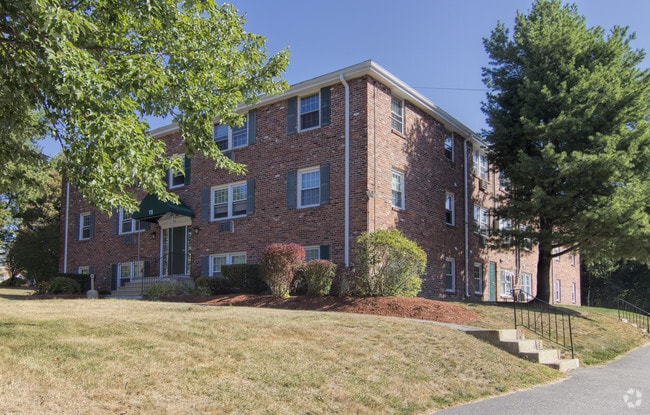
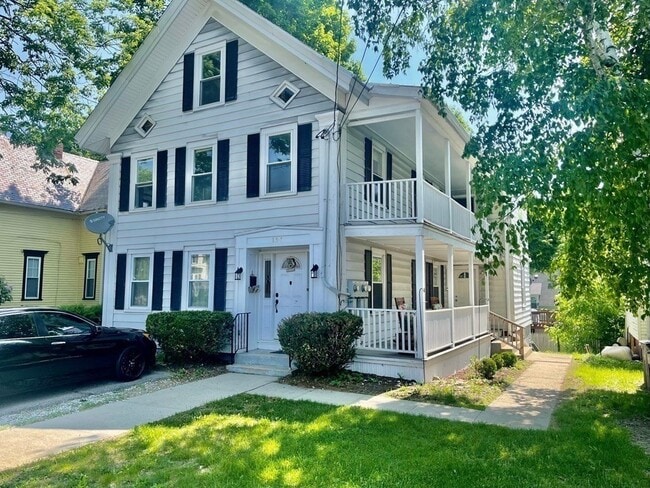
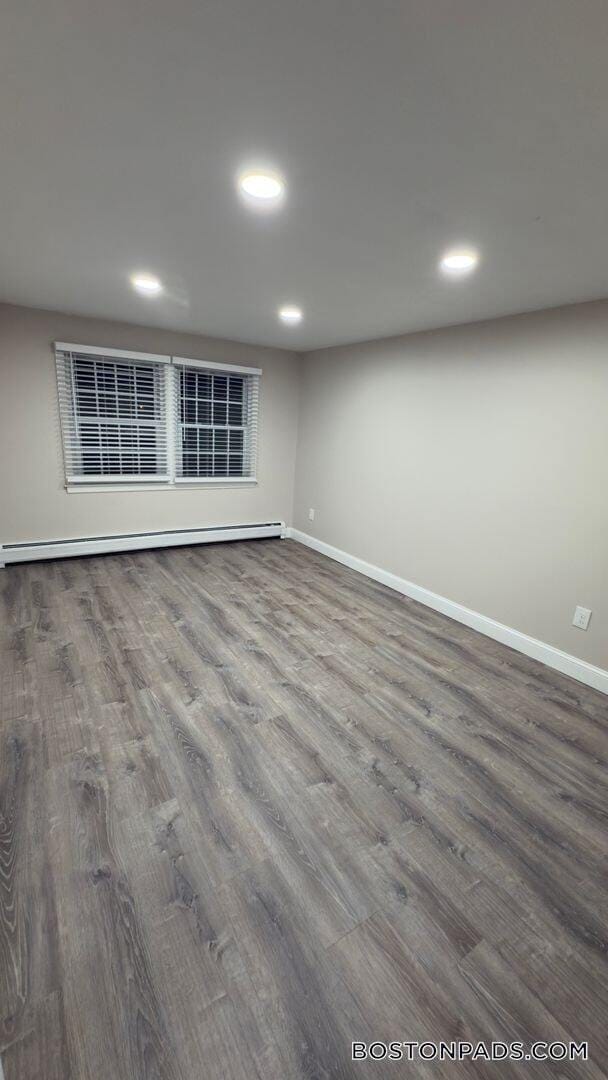
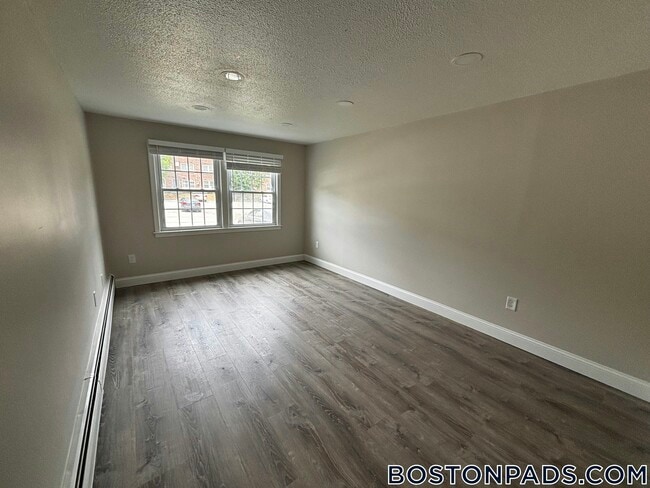
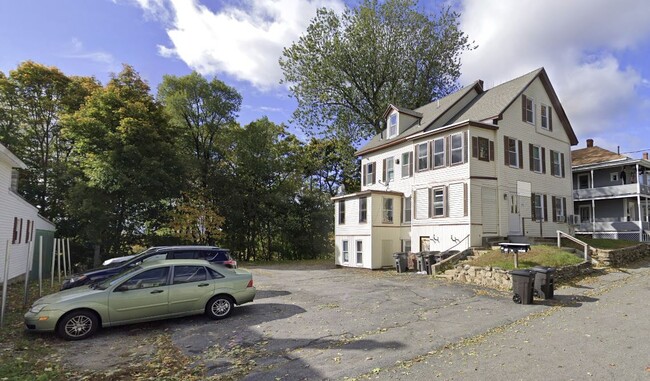
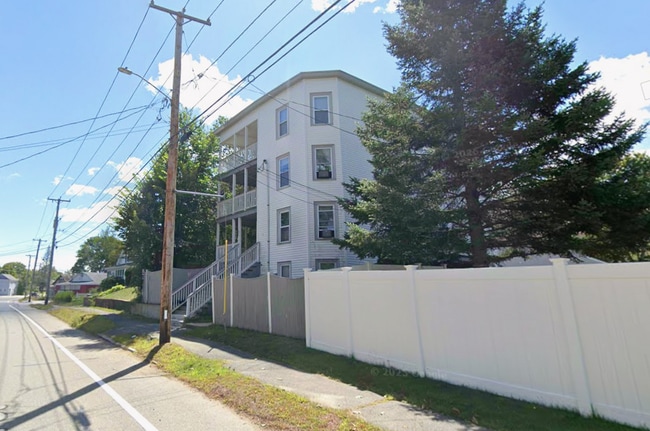
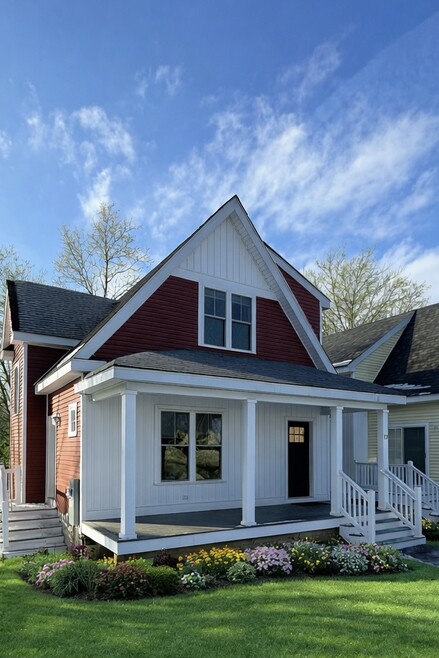
The rental market leans toward rental homes, garden apartments, and loft-style spaces carved from renovated historic mill and commercial buildings. Single-family home conversions round out the options, giving renters a range of footprints and architectural styles to choose from.
Mount Wachusett Community College anchors the local education scene with more than 70 degree and certification programs, and Heywood Hospital on Green Street is the area's primary healthcare employer. Gardner incorporated as a city in 1923, and at its 1910 peak, twenty chair factories operated within its borders -- a history still celebrated every year at the Oktoberfest Chair Luge, a downhill race through downtown in homemade wheeled chairs.
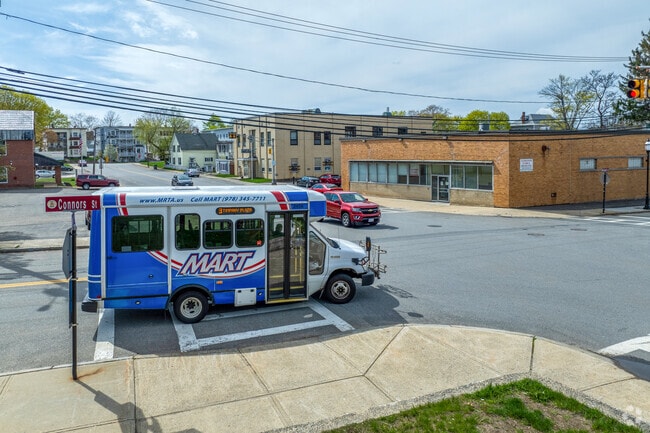
Residents can travel within Gardner or to other towns on the MART buses.
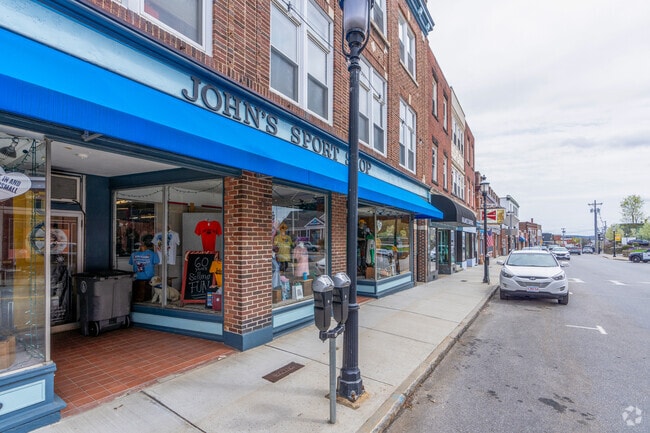
There are many longstanding businesses on Main Street.
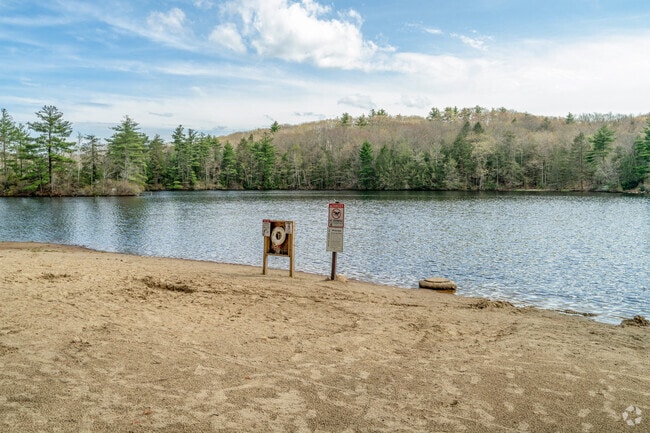
Dunn State Park in Gardner is a 132-acre public recreation area for fishing and hiking.
Pulaski Playground & Dog Park is a popular recreational area located in Gardner.
In the winter, locals can head over to Dunn Pond located in the state park for some ice fishing.
Main Street in Gardner is home to many local shops and restaurants.
Median Household Income
$54,898
Average: $72,671
Education
3,853
Residents Have a Degree
Job Market
10,055
Workers Employed
Median Age
43 Years
Largest Age Group
30-39 Years
Approximately 14% of Residents
Under 20
21%
Over 65
21%
Housing Distribution
Gardner has more homeowners than renters.

Education Distribution
Review this city's overall education levels.

As of September 2026, the average apartment rent in Gardner, MA is $2,014 for a studio, $1,535 for one bedroom, $1,474 for two bedrooms, and $1,786 for three bedrooms. Apartment rent in Gardner has increased by 1.1% in the past year.
Explore how walkable, bikeable, drivable, and transit-friendly Gardner, MA is for everyday living.
Fairly Walkable
Walkability
Minimal Public Transit
Transit
Exceptionally Drivable
Drivability
Somewhat Bikeable
Bikeability

Public
Grades PK-5
1,071 Students

Public
Grades K-8
528 Students
Public
Grades PK-1
468 Students

Helen Mae Sauter Elementary School
Public
Grades 1-3
271 Students
Public
Grades 6-12
797 Students

Public
Grades 6-12
797 Students
Public
Grades K-8
528 Students
Public
Grades 6-12
797 Students
Public
Grades 6-12
797 Students
Gardner Academy For Learning And Technology
Public
Grades 9-12
74 Students
Pathways Early College Innovation School
Public
Grades 9-12
35 Students
 The GreatSchools Rating helps parents compare schools within a state based on a variety of school quality indicators and provides a helpful picture of how effectively each school serves all of its students. Ratings are on a scale of 1 (below average) to 10 (above average) and can include test scores, college readiness, academic progress, advanced courses, equity, discipline and attendance data. We also advise parents to visit schools, consider other information on school performance and programs, and consider family needs as part of the school selection process.
View GreatSchools Rating Methodology
Data provided by
GreatSchools.org
© 2026. All rights reserved.
The GreatSchools Rating helps parents compare schools within a state based on a variety of school quality indicators and provides a helpful picture of how effectively each school serves all of its students. Ratings are on a scale of 1 (below average) to 10 (above average) and can include test scores, college readiness, academic progress, advanced courses, equity, discipline and attendance data. We also advise parents to visit schools, consider other information on school performance and programs, and consider family needs as part of the school selection process.
View GreatSchools Rating Methodology
Data provided by
GreatSchools.org
© 2026. All rights reserved.
† Our analysis of utilities, groceries, transportation, healthcare, home prices, and other goods and services is sourced from the Cost of Living Index, a respected benchmark published by the Council for Community and Economic Research (C2ER) that provides a thorough overview of living expenses across different regions.
Rent data is provided by CoStar Group’s Market Trend reports. As the industry leader in commercial real estate information, analytics, and news, CoStar conducts extensive research to produce and maintain a comprehensive database of commercial real estate information. We combine this data with public record to provide the most up-to-date rental information available.
Consumer goods, services, and home prices are sourced from the Cost of Living Index published by the Council for Community and Economic Research (C2ER). The data on this page is updated quarterly. It was last published in September 2026.
Demographic information comes from Neustar and combines detailed address data with U.S. Census and American Community Survey statistics to produce reliable local estimates.