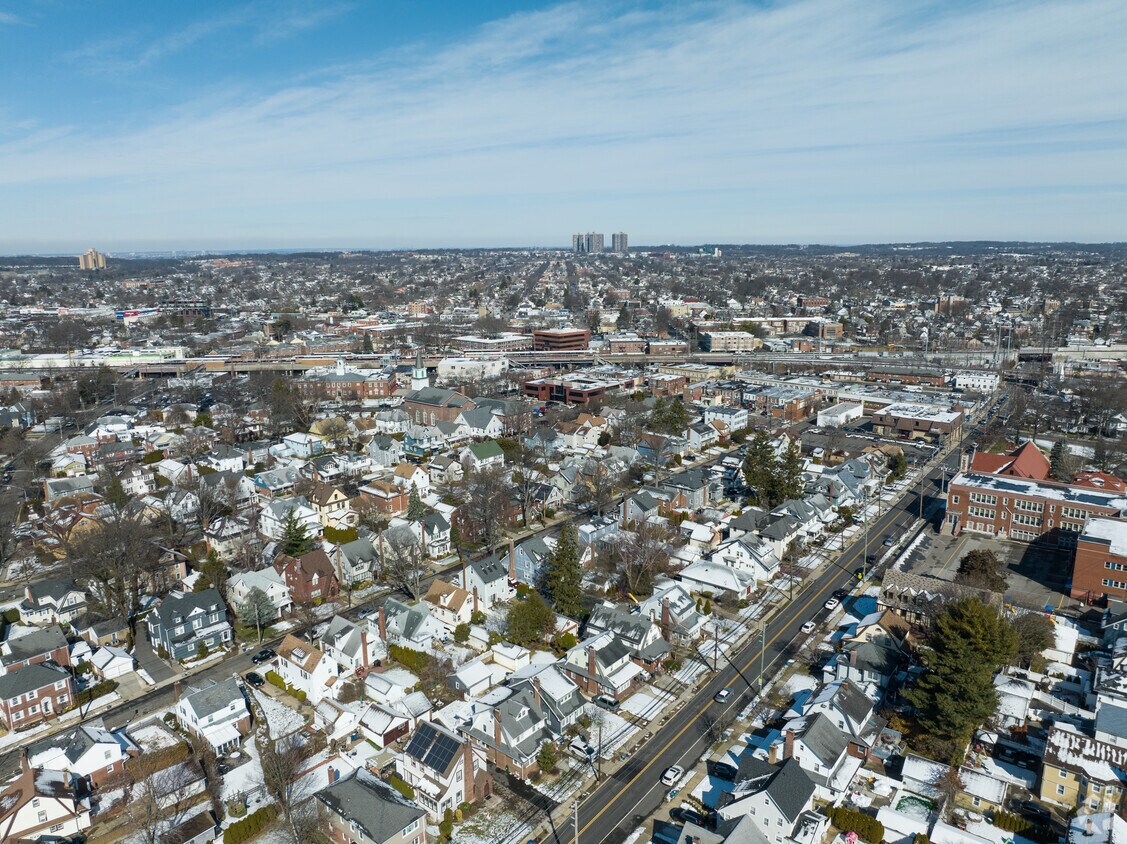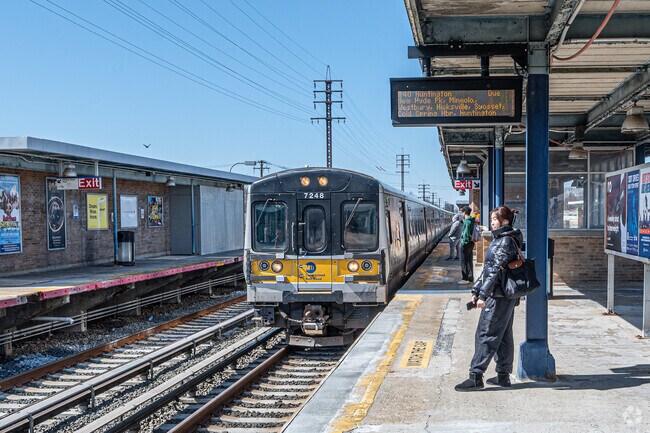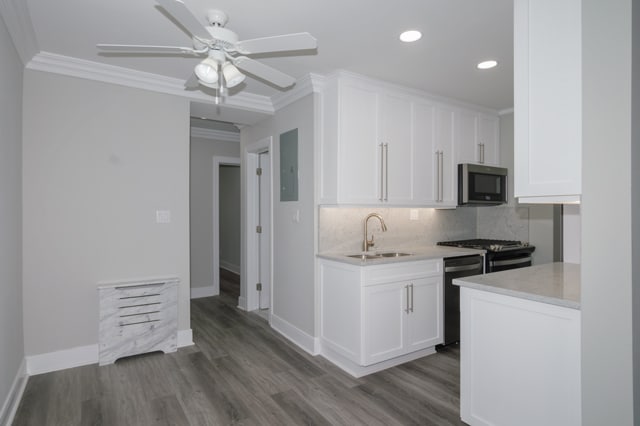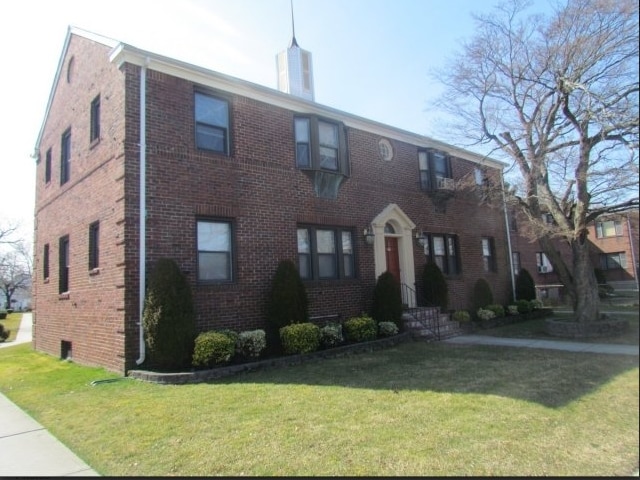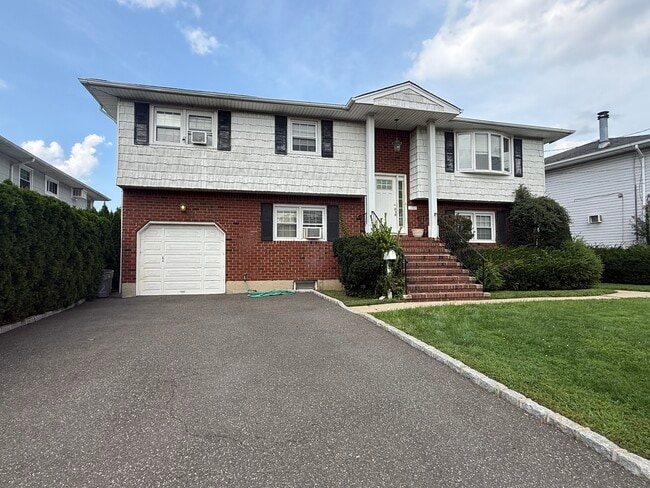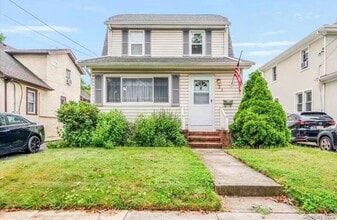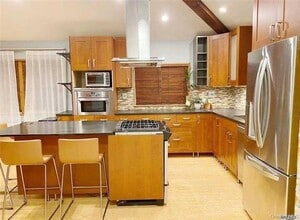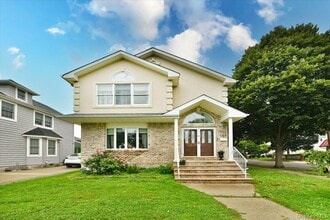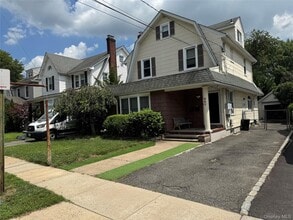
The neighborhood of Floral Park is a 40 minute train ride from downtown New York.
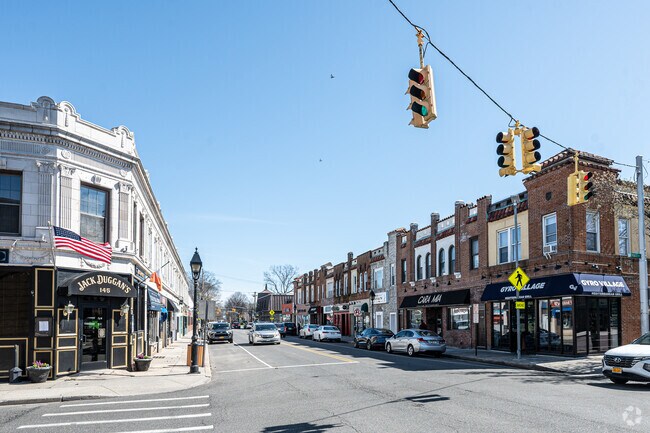
Tulip Avenue in Floral Park features retail shops and dining options.
Floral Park is known for its quiet, peaceful atmosphere.
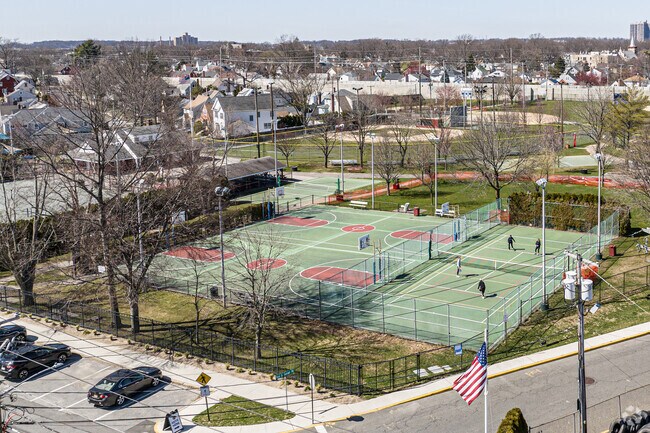
Floral Park Recreation Center features courts, fields, and pickleball.
Floral Park commuters ride the Long Island Rail Road in both directions.

Area Guide

Floral Park Queens, NY

Have it all in this centrally-located village

Suburban Diverse Convenient

Floral Park sits right at the Nassau County border on Long Island, close enough to Queens that the two share a name—though each has its own distinct character. This small incorporated village covers just two square miles, yet it packs in a tight-knit community feel that larger towns on Long Island rarely replicate. Its location along the Long Island Rail Road makes commuting to Midtown Manhattan genuinely straightforward, which gives it real pull for anyone who wants suburban breathing room without sacrificing city access.

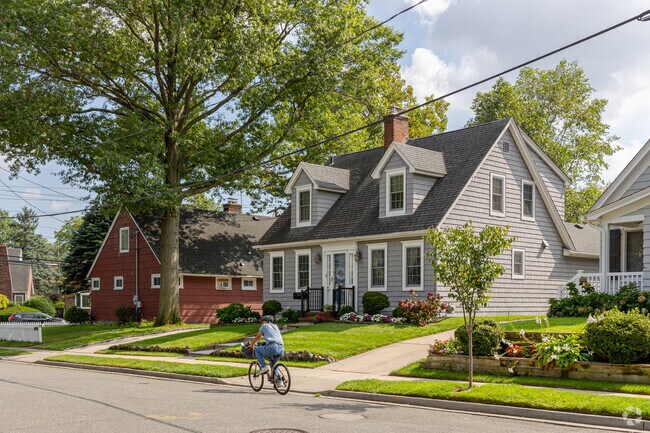
The village leans heavily residential, with tree-lined streets of single-family homes, duplexes, and low-rise apartment communities woven into established blocks. Renters will find a mix of modest older buildings and well-kept mid-century walk-ups, giving the housing stock an authentic, grounded character rather than a newly constructed feel. Tulip Avenue anchors the commercial side of town, where local businesses and longtime shops give the area a walkable, self-contained quality.

Explore the Neighborhood

Floral Park is known for its quiet, peaceful atmosphere.

Floral Park Recreation Center features courts, fields, and pickleball.

Floral Park commuters ride the Long Island Rail Road in both directions.

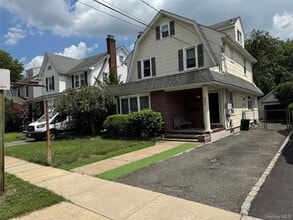
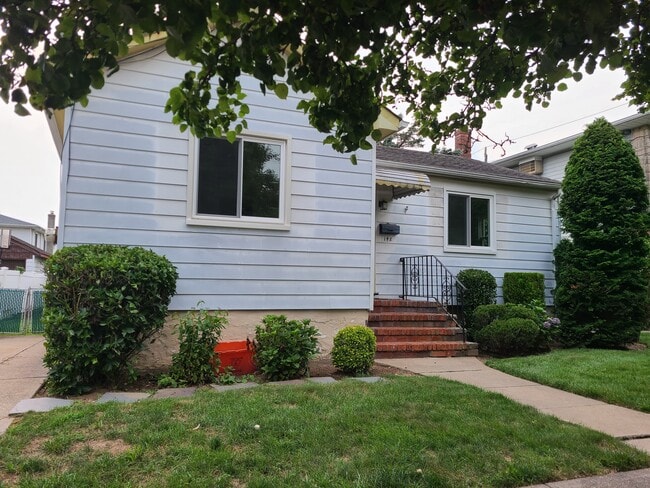
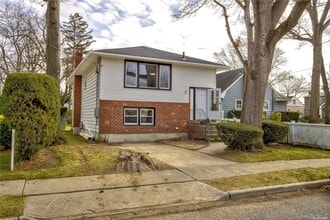
Three-bedroom homes are common on many streets in Floral Park.

Residents gather on Tulip Avenue for the Veterans Day parade.

The playground at Floral Park Recreation Center is a popular spot for recreation.

Rent Trends

As of September 2026, the average apartment rent in Floral Park is $1,541 for a studio, $2,554 for one bedroom, and $3,251 for two bedrooms. Apartment rent in Floral Park has increased by 4.0% in the past year.

  • Studio

  • 447 sq ft

    Average Sq Ft

  • $1,541/month

    Average Rent

  • 1 BR

  • 590 sq ft

    Average Sq Ft

  • $2,554/month

    Average Rent

  • 2 BR

  • 874 sq ft

    Average Sq Ft

  • $3,251/month

    Average Rent

Learn More About Floral Park

Getting Around

Moderately Walkable

Walkability

70 / 100

Good Public Transit

Transit

60 / 100

Fairly Drivable

Drivability

40 / 100

Fairly Bikeable

Bikeability

50 / 100

Daily Essentials

Supermarket Within a 10 Minute Walk

Groceries

80 / 100

Great Restaurant Variety Nearby

Restaurants

80 / 100

Good Café Variety Nearby

Cafes

70 / 100

Great Variety of Shops Nearby

Shopping

80 / 100

Local Vibe

Vibrant Atmosphere at Times

Vibrancy

40 / 100

Good Nightlife Variety Nearby

Nightlife

70 / 100

Not Noisy

Quiet Score

90 / 100

Points of Interest

Parks and Recreation

  • Queens County Farm Museum
  • Alley Pond Park
  • Valley Stream State Park
  • Cunningham Park
  • Alley Pond Environmental Center

Airports

  • John F Kennedy International
  • LaGuardia

Top Apartments in Floral Park

Houses for Rent in Floral Park

Living in Floral Park

History

-

Floral Park's history is visible in its transformation from the western edge of the Hempstead Plains into a charming Long Island village. Once known as East Hinsdale and Plainfield, the area consisted of farms and small villages until the 1870s, when the arrival of the Long Island Rail Road sparked suburban development. The village incorporated in the early 20th century, and its tree-lined residential streets reflect this era of growth.

Today, the village retains its historic character through well-preserved architecture and a walkable downtown corridor along Tulip Avenue. The community's residential neighborhoods showcase early suburban design, while the village maintains its small-town atmosphere despite being minutes from New York City.

Restaurants

-

Floral Park's dining scene reflects the diverse community that calls this charming Nassau County village home. The Tulip Avenue commercial corridor serves as the heart of local dining, offering a walkable stretch of restaurants ranging from classic American comfort food to Italian, Mexican, and Chinese cuisines. Whether you're craving a casual bite or a sit-down dinner, you'll find approachable options close to home. The village's proximity to both Queens and the broader Long Island dining scene also means residents are just minutes away from an even wider variety of culinary traditions.

Transportation

-

Floral Park residents rely heavily on the Long Island Rail Road for commuting, with the village's own LIRR station providing direct service to Penn Station and Grand Central Madison in Midtown Manhattan. For drivers, Jericho Turnpike (NY 25) runs through the village and connects to the broader Long Island road network, while the Nassau Expressway and other regional highways are easily accessible nearby. The compact, walkable layout of the village means many day-to-day errands can be handled on foot, especially along the Tulip Avenue commercial corridor. JFK International Airport is roughly 15 miles west, making it easy to plan domestic and international travel.

Parks

-

Floral Park lives up to its name with beautifully maintained green spaces that reflect the village's horticultural heritage. John Lewis Childs Park serves as a beloved community hub, offering playgrounds, athletic fields, and open lawns perfect for picnics and relaxation. The village's tree-lined streets and well-kept neighborhood parks make it one of the most walkable and scenic communities on Long Island. For bigger outdoor adventures, residents are just a short drive from the sweeping shores of Jones Beach State Park, where miles of oceanfront, fishing piers, and recreational trails await.

Cost

-

Average rent for a one-bedroom apartment runs around $2,595 per month, while two-bedroom units average approximately $3,414, both significantly below the New York state averages for those unit sizes. Studio rentals offer a more affordable entry point at around $1,509 per month. Rents have been trending upward year over year across all tracked unit sizes, and the rental supply is more limited compared to nearby cities.

Shopping

-

Tulip Avenue is a charming commercial corridor lined with local shops, specialty boutiques, and neighborhood businesses that give the village its distinct small-town character. This walkable stretch is where residents browse, run errands, and connect with the community all in one trip. The village also regularly hosts community events throughout the year, including summer gatherings that bring a festive energy to local shopping and dining. For those seeking larger retail destinations, the village's prime location in Nassau County puts major Long Island shopping centers within a short drive.

Highlights

-

Floral Park is an incorporated village in Nassau County, Long Island, perfectly positioned between the beaches of Jones Beach and the heart of Midtown Manhattan, with Long Island Rail Road access making both easy to reach. The charming commercial corridor along Tulip Avenue offers local shops, diverse dining, and community events throughout the year, while low taxes and high-performing schools add even more appeal to this walkable, well-connected suburb.

Search Nearby Rentals

Methodology

† Our analysis of utilities, groceries, transportation, healthcare, home prices, and other goods and services is sourced from the Cost of Living Index, a respected benchmark published by the Council for Community and Economic Research (C2ER) that provides a thorough overview of living expenses across different regions.

Rent data is provided by CoStar Group’s Market Trend reports. As the industry leader in commercial real estate information, analytics, and news, CoStar conducts extensive research to produce and maintain a comprehensive database of commercial real estate information. We combine this data with public record to provide the most up-to-date rental information available.

Consumer goods, services, and home prices are sourced from the Cost of Living Index published by the Council for Community and Economic Research (C2ER). The data on this page is updated quarterly. It was last published in September 2026.

Demographic information comes from Neustar and combines detailed address data with U.S. Census and American Community Survey statistics to produce reliable local estimates.