Median Age
37 Years
Largest Age Group
20-29 Years
Approximately 19% of Residents
Under 20
20%
Over 65
19%


Avg Rent
$1,428
Population
175,578
Renter Mix
51% Rent
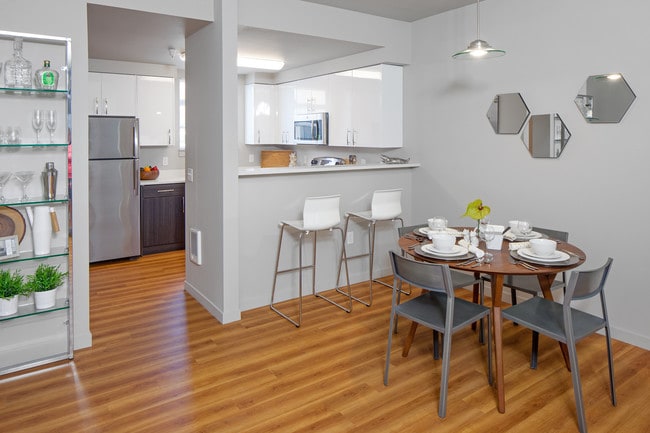
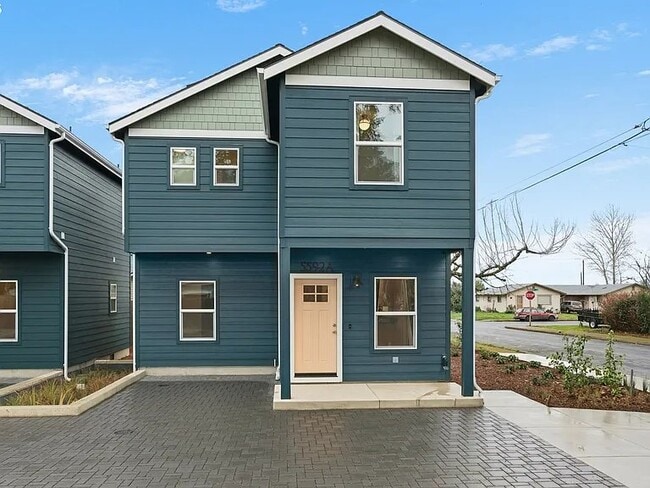
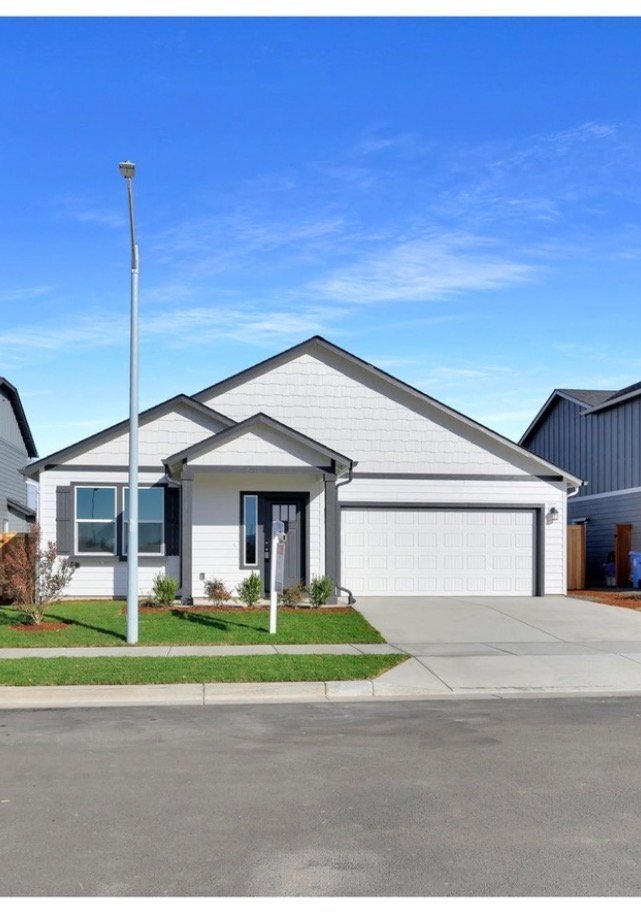
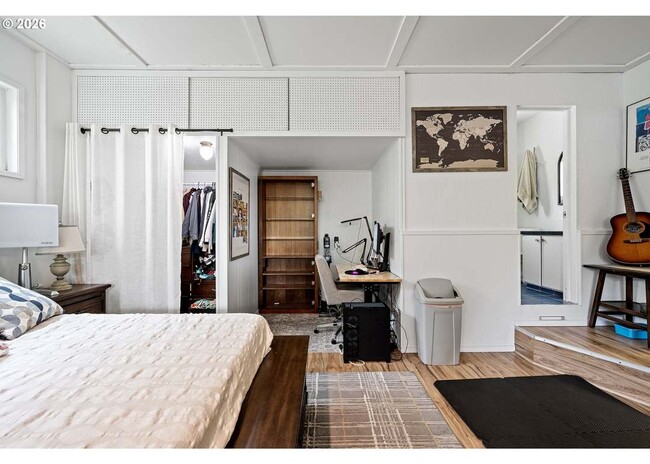
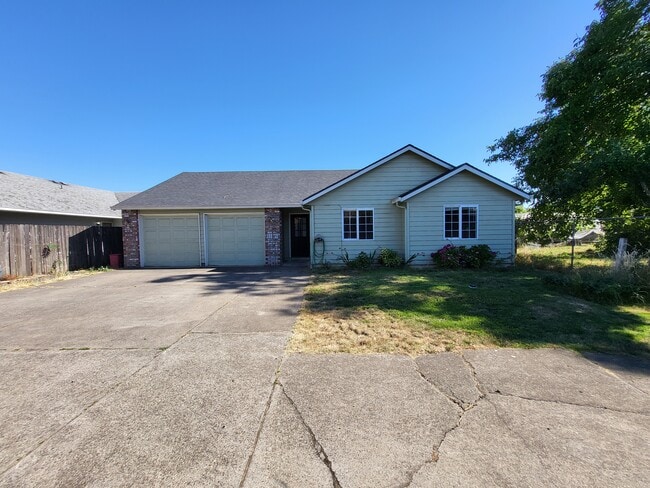
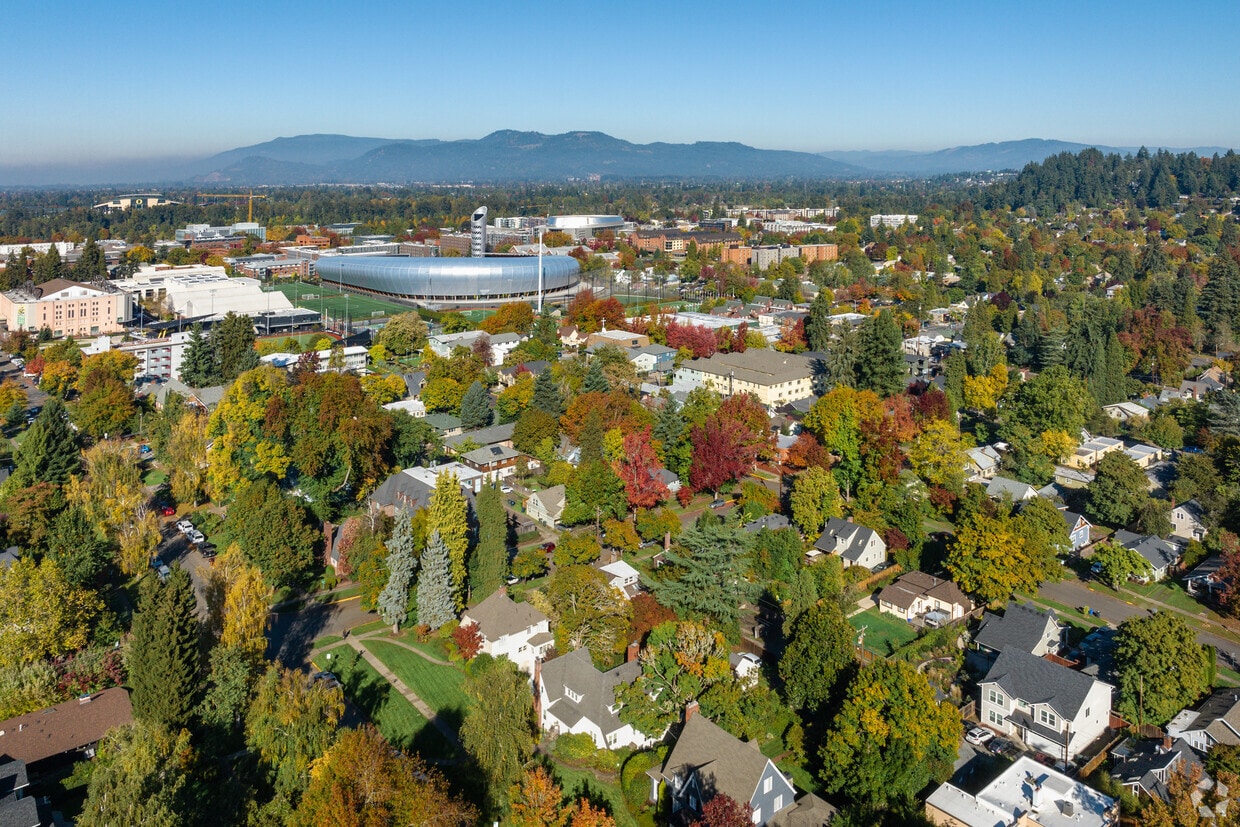
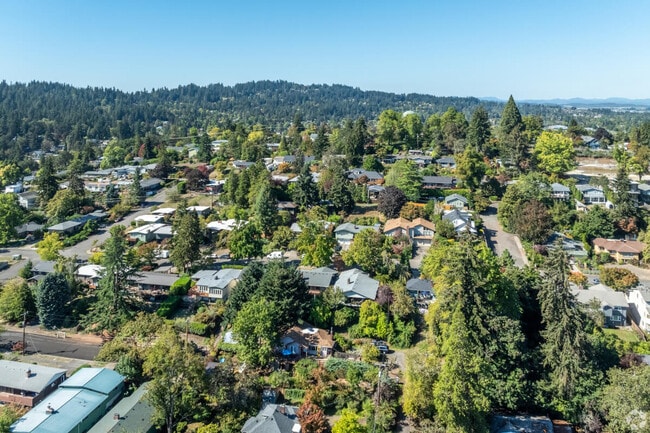
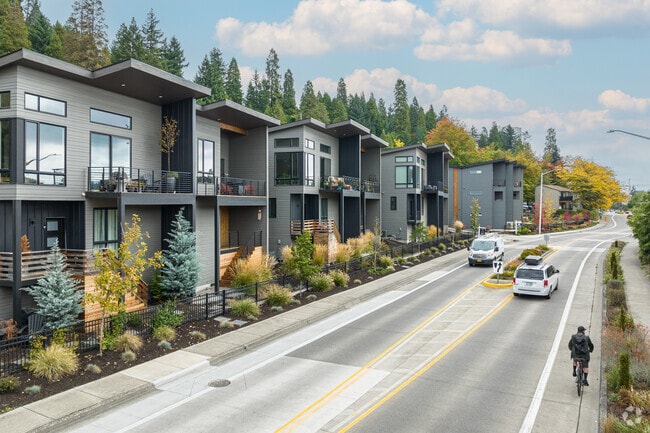
Eugene, Oregon combines outdoor recreation with cultural attractions. Home to the University of Oregon, this city of nearly 180,000 residents offers varied housing options, from downtown apartments averaging $1,414 per month to homes in established neighborhoods like South Eugene and Friendly. The rental market shows steady growth, with studios averaging $1,225 and four-bedroom homes at $2,692. The city's park system includes Pre's Trail and the Ruth Bascom Riverbank Path System, offering miles of running and biking trails.
Downtown Eugene hosts the Saturday Market, the largest weekly open-air crafts festival in the United States. The Whiteaker neighborhood features local breweries and restaurants, while Spencer Butte provides hiking trails and views of the Willamette Valley. The city's track and field legacy centers around the University of Oregon's Hayward Field, which has hosted multiple Olympic Trials. This connection to athletics includes deep roots with Nike, founded by former UO track athlete Phil Knight and coach Bill Bowerman.
You can live surrounded by nature or by the city in Eugene.
Downtown Eugene is home to many local restaurants.
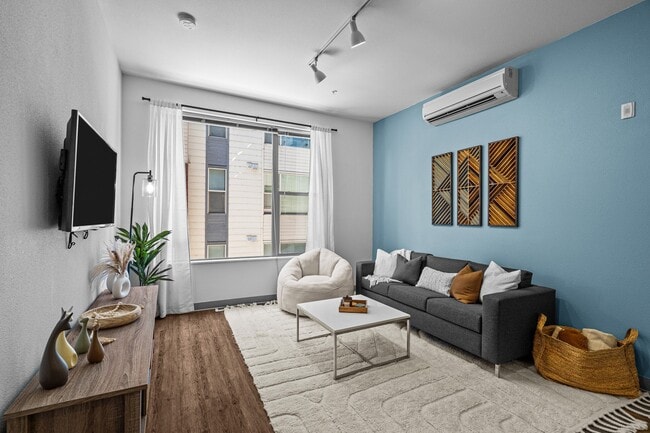
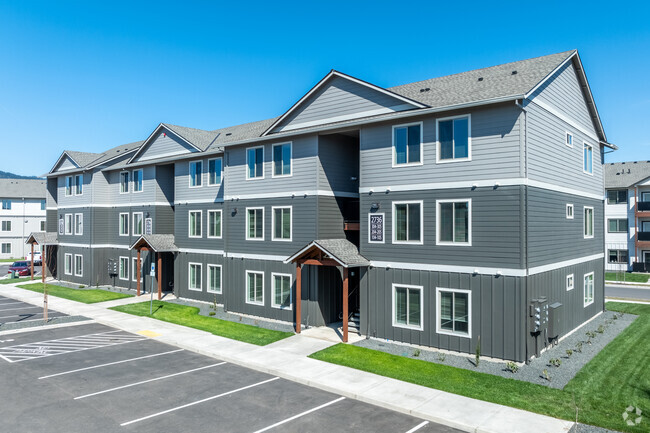
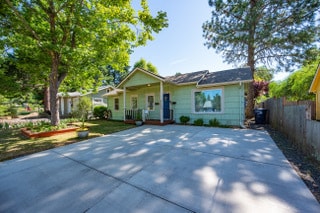
A variety of housing options can be found in Downtown Eugene.
The North Amazon Running Trail is a 1 mile loop in Eugene.
Runners in the Eugene Marathon begin the race.
Residents cross Agate Street with Hayward Field in the background.
Median Household Income
$61,698
Average: $85,809
Education
62,988
Residents Have a Degree
Job Market
88,781
Workers Employed
Median Age
37 Years
Largest Age Group
20-29 Years
Approximately 19% of Residents
Under 20
20%
Over 65
19%
Housing Distribution
Eugene has more renters than homeowners.

Education Distribution
Review this city's overall education levels.

As of July 2026, the average apartment rent in Eugene, OR is $1,186 for a studio, $1,429 for one bedroom, $1,690 for two bedrooms, and $2,108 for three bedrooms. Apartment rent in Eugene has decreased by -0.2% in the past year.
The cost of living in Eugene, OR is 8.5% higher than the national average. Generally, housing in Eugene is 16.9% more expensive than the national average, with rent falling between $1,186 - $2,108. You can expect to pay 5.1% more for groceries, 7.4% less for utilities, and 11.0% more for transportation.
Compare Cities
Explore how walkable, bikeable, drivable, and transit-friendly Eugene, OR is for everyday living.
Somewhat Walkable
Walkability
Limited Public Transit
Transit
Exceptionally Drivable
Drivability
Moderately Bikeable
Bikeability

Chinese Language Immersion School
Public
Grades K-5
110 Students

Edgewood Community Elementary School
Public
Grades K-5
415 Students

Yujin Gakuen Elementary School
Public
Grades K-5
255 Students
Public
Grades K-8
250 Students
Public
Grades K-5
208 Students
Public
Grades K-8
250 Students
Coburg Community Charter School
Public
Grades K-8
226 Students

Public
Grades 6-8
543 Students

Public
Grades 6-8
475 Students
Public
Grades 6-8
424 Students
Public
Grades 9-12
1,505 Students
Public
Grades 9-12
1,525 Students
Public
Grades 6-12
121 Students
Public
Grades 9-12
1,455 Students

Public
Grades 9-12
1,031 Students
 The GreatSchools Rating helps parents compare schools within a state based on a variety of school quality indicators and provides a helpful picture of how effectively each school serves all of its students. Ratings are on a scale of 1 (below average) to 10 (above average) and can include test scores, college readiness, academic progress, advanced courses, equity, discipline and attendance data. We also advise parents to visit schools, consider other information on school performance and programs, and consider family needs as part of the school selection process.
View GreatSchools Rating Methodology
Data provided by
GreatSchools.org
© 2026. All rights reserved.
The GreatSchools Rating helps parents compare schools within a state based on a variety of school quality indicators and provides a helpful picture of how effectively each school serves all of its students. Ratings are on a scale of 1 (below average) to 10 (above average) and can include test scores, college readiness, academic progress, advanced courses, equity, discipline and attendance data. We also advise parents to visit schools, consider other information on school performance and programs, and consider family needs as part of the school selection process.
View GreatSchools Rating Methodology
Data provided by
GreatSchools.org
© 2026. All rights reserved.
† Our analysis of utilities, groceries, transportation, healthcare, home prices, and other goods and services is sourced from the Cost of Living Index, a respected benchmark published by the Council for Community and Economic Research (C2ER) that provides a thorough overview of living expenses across different regions.
Rent data is provided by CoStar Group’s Market Trend reports. As the industry leader in commercial real estate information, analytics, and news, CoStar conducts extensive research to produce and maintain a comprehensive database of commercial real estate information. We combine this data with public record to provide the most up-to-date rental information available.
Consumer goods, services, and home prices are sourced from the Cost of Living Index published by the Council for Community and Economic Research (C2ER). The data on this page is updated quarterly. It was last published in June 2026.
Demographic information comes from Neustar and combines detailed address data with U.S. Census and American Community Survey statistics to produce reliable local estimates.