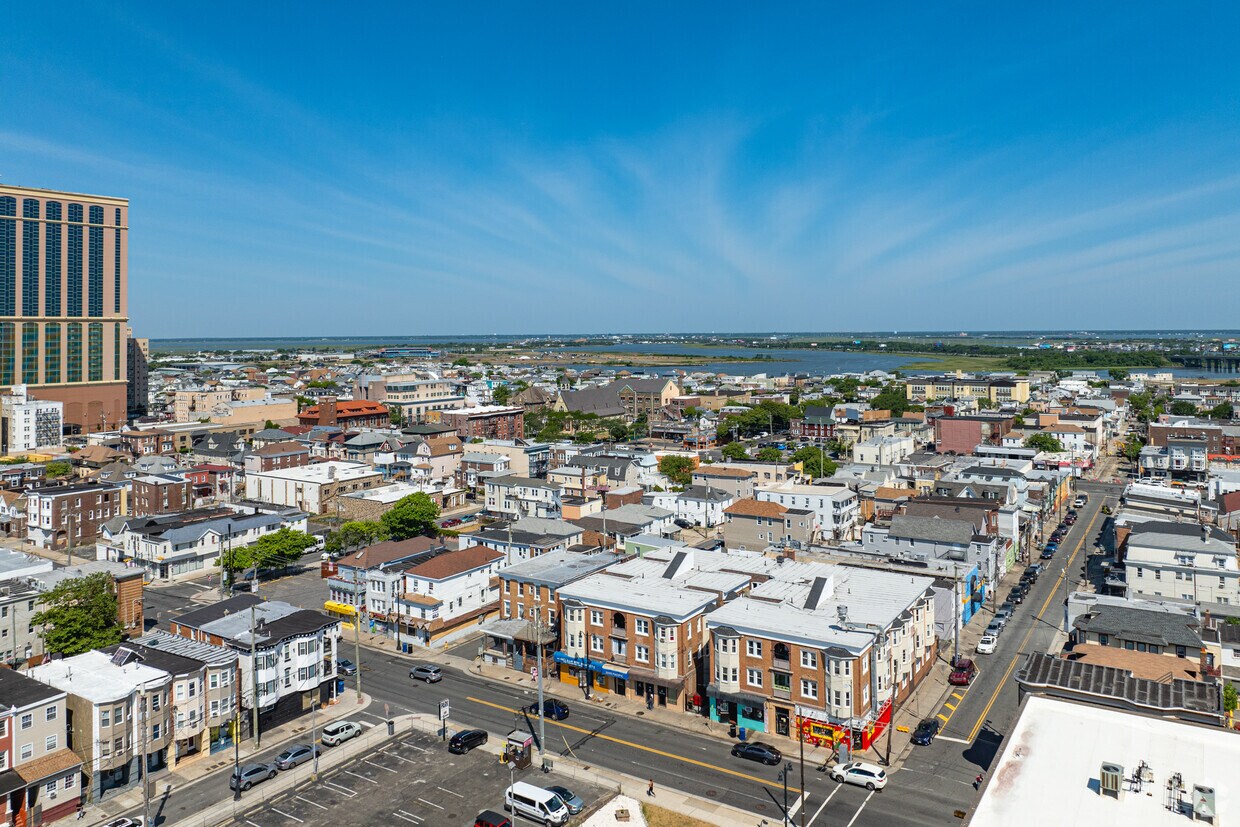
Ducktown is a tight-knit waterfront community in Atlantic City.
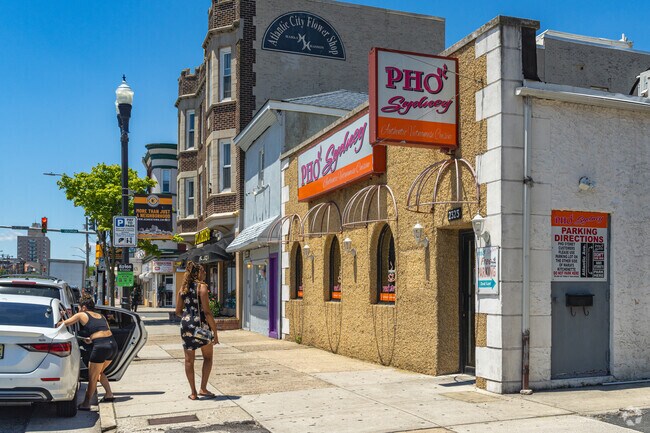
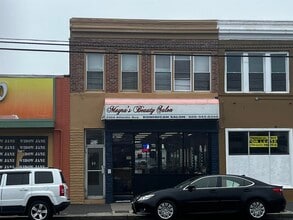
Atlantic Ave in Ducktown is home to many casual dining options such as Pho Sydney.
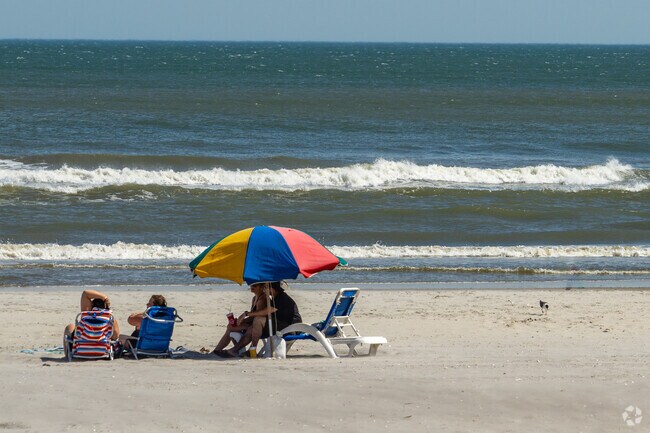
Pop up an umbrella or catch some rays on the beach in Ducktown.
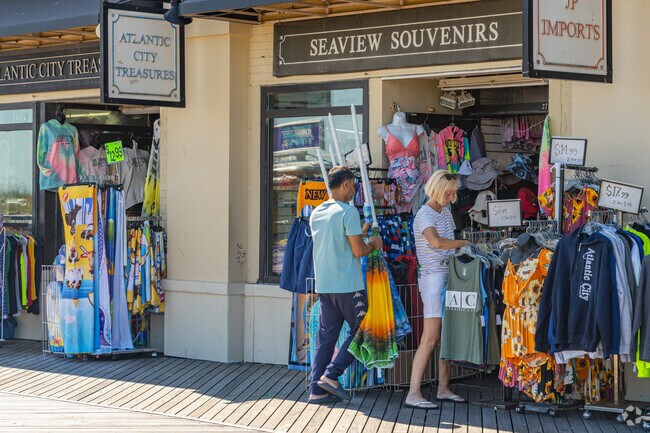
The boardwalk in Ducktown features many local boutiques for a day of shopping.
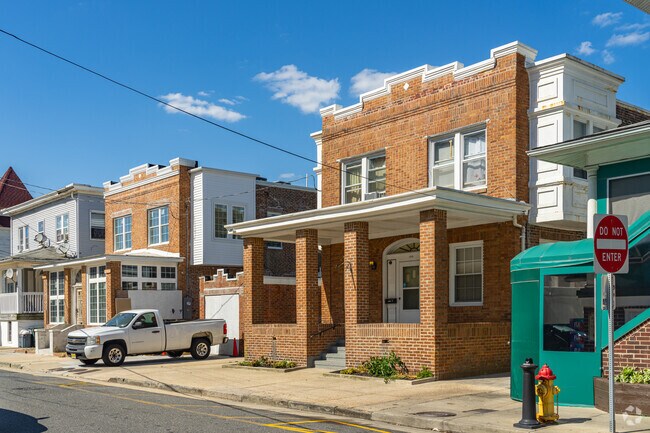
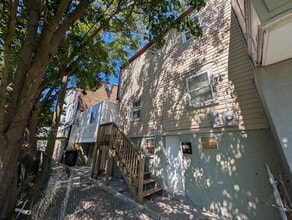
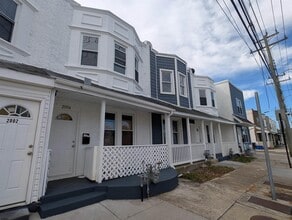
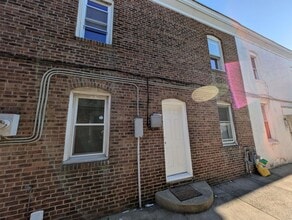
Ducktown features large classic Four Square homes with small attached driveways.

Area Guide

Duck Town Atlantic City, NJ

A beachside neighborhood without the large bill

Boardwalk Beach Bayside

Duck Town is in the southwestern corner of Atlantic City, tucked between the Boardwalk corridor and the bay-side streets that mark the quieter edge of the island. It's one of the more grounded neighborhoods in a city known for neon and spectacle, a place where the resort energy of the Boardwalk is within reach but doesn't define every block. Residents are a short walk or drive from the city's casino hotels, the Tanger Outlets, and the wider entertainment district, while still living in a low-rise, residential-scale part of town.

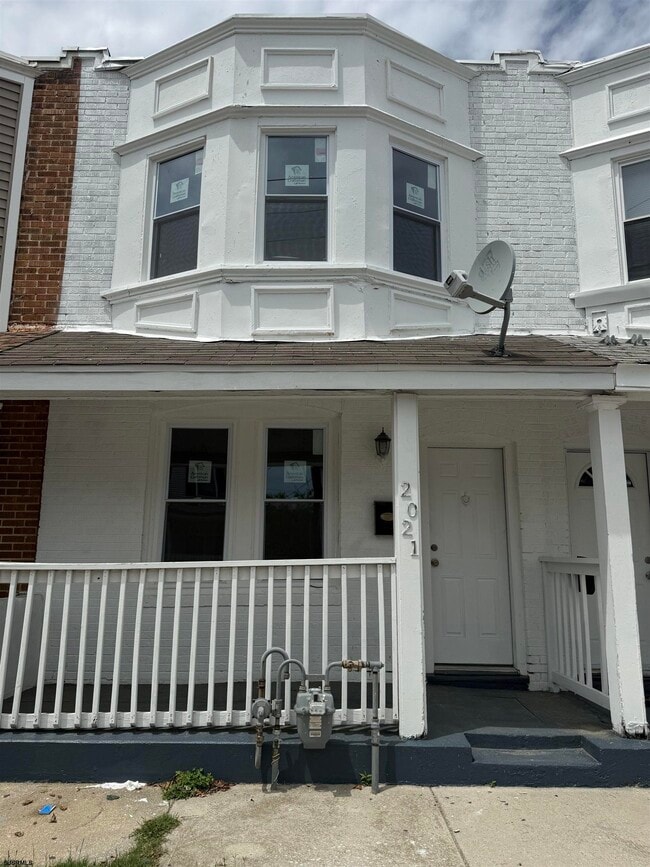
The rental landscape here leans toward older row homes, two-family houses, and ground-floor apartments typical of South Jersey shore communities. Garden-style apartment communities also appear in and around the neighborhood. Duck Town was included in Atlantic City's state-run Tourism District when it was established in 2011, which has brought increased attention to its streets and proximity to the Boardwalk. Atlantic City sits on Absecon Island, roughly 55 miles southeast of Philadelphia, and that connection to the larger metro area makes it a realistic home base for people who commute or want a coastal option without coastal prices.

Explore the Neighborhood

Pop up an umbrella or catch some rays on the beach in Ducktown.

The boardwalk in Ducktown features many local boutiques for a day of shopping.

Ducktown features large classic Four Square homes with small attached driveways.

Angelo's Fairmount Tavern, established in 1935, draws Ducktown residents.

Ducktown is within walking distance to the beach, where many people choose to spend the summer.

You can enjoy most of the major amenities that Atlantic City offers if you live in Ducktown.

Learn More About Duck Town

Getting Around

Very Walkable

Walkability

80 / 100

Good Public Transit

Transit

60 / 100

Moderately Drivable

Drivability

70 / 100

Fairly Bikeable

Bikeability

50 / 100

Daily Essentials

Supermarket Within a 10 Minute Walk

Groceries

80 / 100

Great Restaurant Variety Nearby

Restaurants

80 / 100

Great Café Variety Nearby

Cafes

80 / 100

Great Variety of Shops Nearby

Shopping

80 / 100

Local Vibe

Vibrant Atmosphere

Vibrancy

60 / 100

Exceptional Nightlife Variety Nearby

Nightlife

90 / 100

Points of Interest

Parks and Recreation

  • Absecon Lighthouse
  • Atlantic City Aquarium
  • Marine Mammal Stranding Center
  • Edwin B. Forsythe National Wildlife Refuge

Airports

  • Atlantic City International

Top Apartments in Duck Town

Houses for Rent in Duck Town

Living in Duck Town

History

-

Atlantic City was incorporated in 1854, and the streets of Duck Town were laid out in the same grid pattern that gave the city its now-famous Monopoly board geography. The neighborhood takes its name from the days when the marshlands and bay waters near this part of the island attracted waterfowl, a reminder that the city was built on a barrier island with an ecology all its own. The Absecon Lighthouse, constructed between 1854 and 1857 and designed by George Meade of the Army's Corps of Topographical Engineers, stands nearby in the South Inlet area and remains New Jersey's tallest lighthouse. It's open to visitors and gives a direct line of sight back to Duck Town's position on the island.

The neighborhood's streets reflect Atlantic City's layers of history, from its roots as a 19th-century health resort to its rise as one of the most visited destinations in the country. The original Atlantic City Boardwalk, the first boardwalk in the United States when it opened in 1870, sits at the neighborhood's northern edge. The broader city's early Victorian and early 20th-century building stock, some of which survives in this part of town, tells that story in brick and wood-frame construction.

Restaurants

-

Duck Town's dining options draw from the broader Atlantic City restaurant scene, which covers a wide range of cuisines. The city has long been a destination for seafood — steamed clams, crab, and fresh local catches are staples at restaurants throughout the area. Boardwalk-adjacent spots serve everything from pizza and cheesesteaks to mid-range American plates and raw bars. The boardwalk itself, a few blocks from the neighborhood, has restaurants inside the casino hotels serving Italian, French, Japanese, and American steakhouse menus. Atlantic City's culinary profile has expanded considerably since casino revenue returned to the city, and the dining options close to Duck Town reflect that range.

Salt water taffy, which was conceived in Atlantic City in 1883, is still a fixture along the Boardwalk and a legitimate piece of the city's food identity.

Transportation

-

Atlantic City connects to Philadelphia by rail through NJ Transit's Atlantic City Rail Line, with the rail terminal located at the Atlantic City Convention Center — a manageable distance from Duck Town by car or the city's Jitney service. The Jitney, a small-bus transit system run by the Atlantic City Jitney Association, operates on fixed routes throughout the city and is one of the most practical ways to move around without a car. NJ Transit also runs 13 bus routes in and out of the city, including service to Brigantine, Ventnor, Longport, Philadelphia, and New York City.

By car, the Atlantic City Expressway connects directly to the city from the Philadelphia suburbs and points west. US Route 30 (the White Horse Pike) and US Routes 322 and 40 via Albany Avenue also bring drivers onto the island. Duck Town's position near the southern end of the city means direct access to these corridors. Philadelphia International Airport is roughly 55 miles away, and Atlantic City International Airport sits about 14 miles northwest of the city.

Parks

-

Atlantic City's beaches are free and lifeguard-monitored — a distinction that sets it apart from most Jersey Shore towns, where beach tags are required. The stretch of sand closest to Duck Town offers open access to the Atlantic Ocean year-round, and during summer months it's one of the more active sections of waterfront in the city. The Boardwalk itself functions as a linear park and promenade, stretching over five miles from the Absecon Inlet to the Ventnor City border.

Gardner's Basin, located a short drive north near the inlet, sits the bay side of the island and is home to the Atlantic City Aquarium and a small collection of waterfront shops and restaurants. It offers a quieter alternative to the beach with bay-side views and a marina. Within about 20 minutes of Duck Town, the Edwin B. Forsythe National Wildlife Refuge in Galloway Township covers more than 47,000 acres of coastal habitat, with wildlife observation platforms, walking paths, and an eight-mile wildlife drive.

Shopping

-

The main shopping corridor serving Duck Town residents is Tanger Outlets The Walk, a large outdoor outlet center spanning several blocks near the Atlantic City Convention Center, just a short distance from the neighborhood. It's the only outlet mall in Atlantic County and carries a wide range of national brands. The Boardwalk itself has retail inside the casino hotels, including The Quarter at Tropicana, an Old Havana-themed indoor shopping area with more than 40 stores and restaurants. ACX1 Studios on the Boardwalk, formerly known as Playground Pier, is a mixed retail, restaurant, and production studio space.

For everyday grocery and household needs, a Save-A-Lot is currently the primary grocery option within Atlantic City proper, with plans underway to expand the store significantly as part of a $20 million redevelopment of Renaissance Plaza. Neighboring Ventnor City, about three miles south, offers a fuller range of retail and grocery options for residents willing to make a short trip.

Search Nearby Rentals

Methodology

† Our analysis of utilities, groceries, transportation, healthcare, home prices, and other goods and services is sourced from the Cost of Living Index, a respected benchmark published by the Council for Community and Economic Research (C2ER) that provides a thorough overview of living expenses across different regions.

Rent data is provided by CoStar Group’s Market Trend reports. As the industry leader in commercial real estate information, analytics, and news, CoStar conducts extensive research to produce and maintain a comprehensive database of commercial real estate information. We combine this data with public record to provide the most up-to-date rental information available.

Consumer goods, services, and home prices are sourced from the Cost of Living Index published by the Council for Community and Economic Research (C2ER). The data on this page is updated quarterly. It was last published in June 2026.

Demographic information comes from Neustar and combines detailed address data with U.S. Census and American Community Survey statistics to produce reliable local estimates.