Median Age
41 Years
Largest Age Group
30-39 Years
Approximately 13% of Residents
Under 20
25%
Over 65
23%

Avg Rent
$920
Population
9,678
Renter Mix
39% Rent
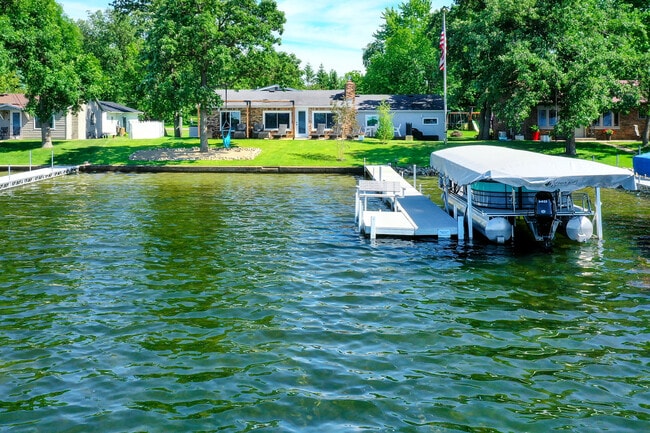
Detroit Lakes sits in the heart of northwest Minnesota's lake country, serving as the county seat of Becker County and anchoring a region with more than 400 lakes within a 25-mile radius. About 45 miles east of the Fargo-Moorhead area along U.S. Highway 10, the city's year-round population of roughly 9,900 swells toward 13,000 each summer as tourists and seasonal residents arrive for the water. A bustling downtown, the Mile-Long City Beach on Detroit Lake, and the Art Deco Historic Holmes Theatre give the city, affectionately called "DL," a lively resort-town character. Tourism is the area's chief industry, and it shows in the pace of the warmer months.
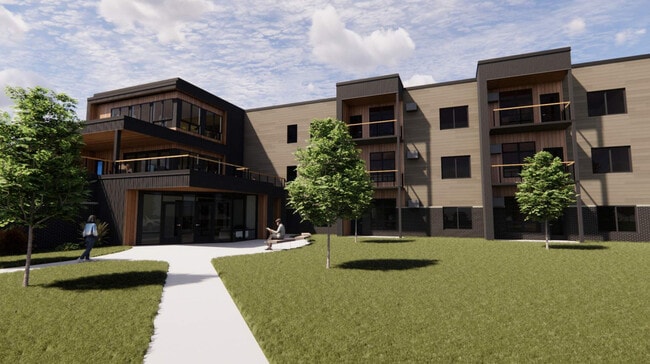
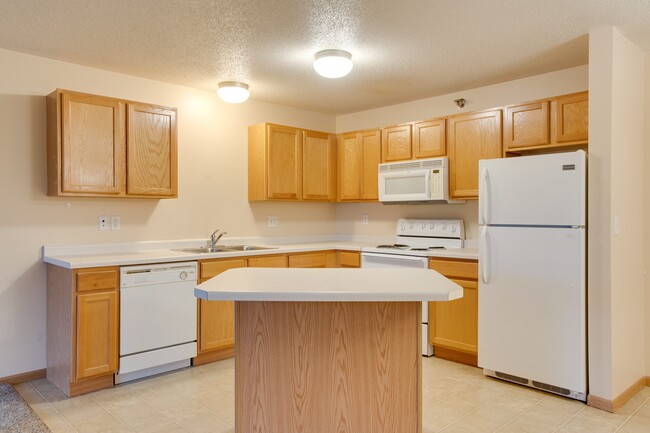
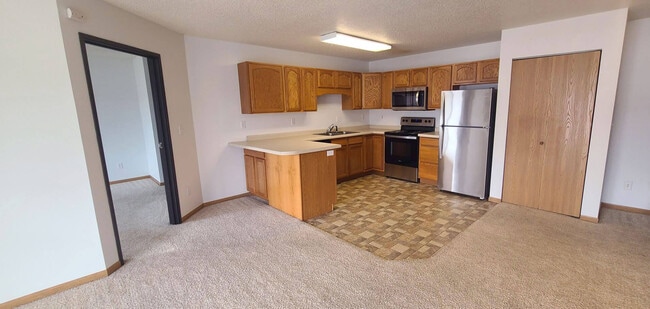
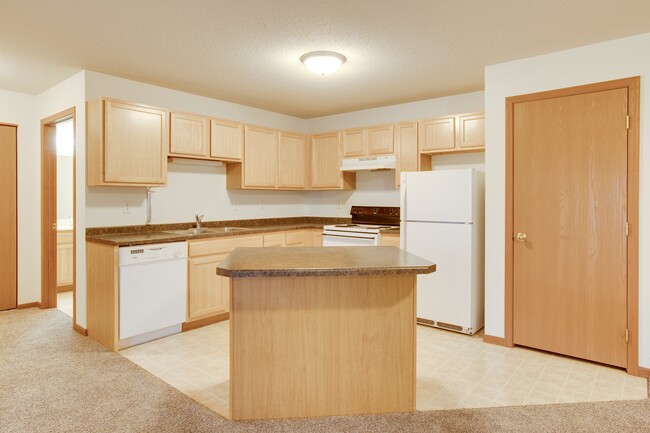
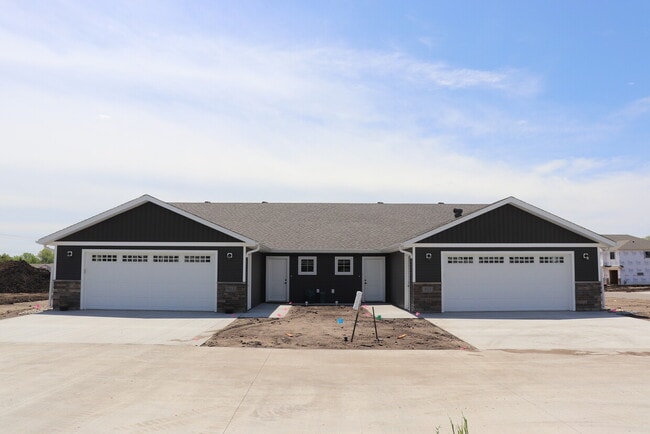
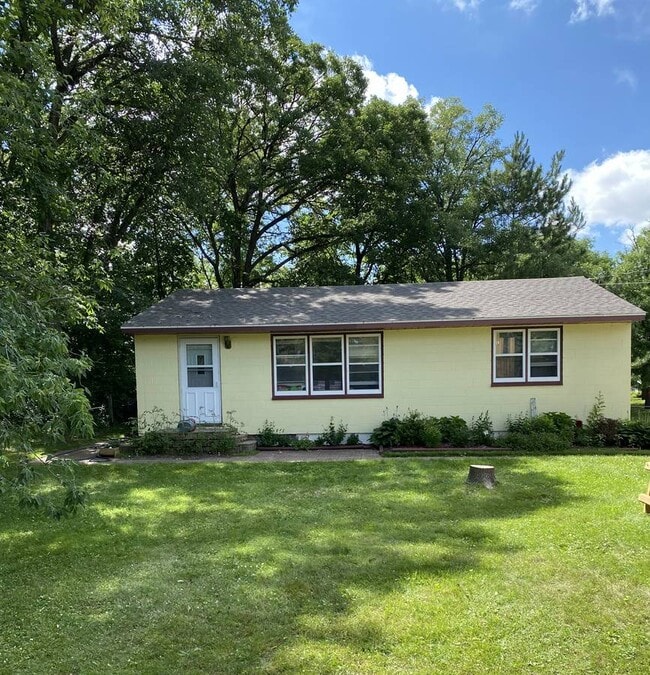
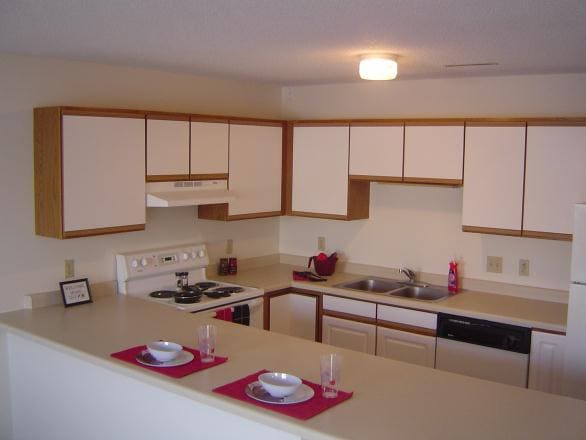
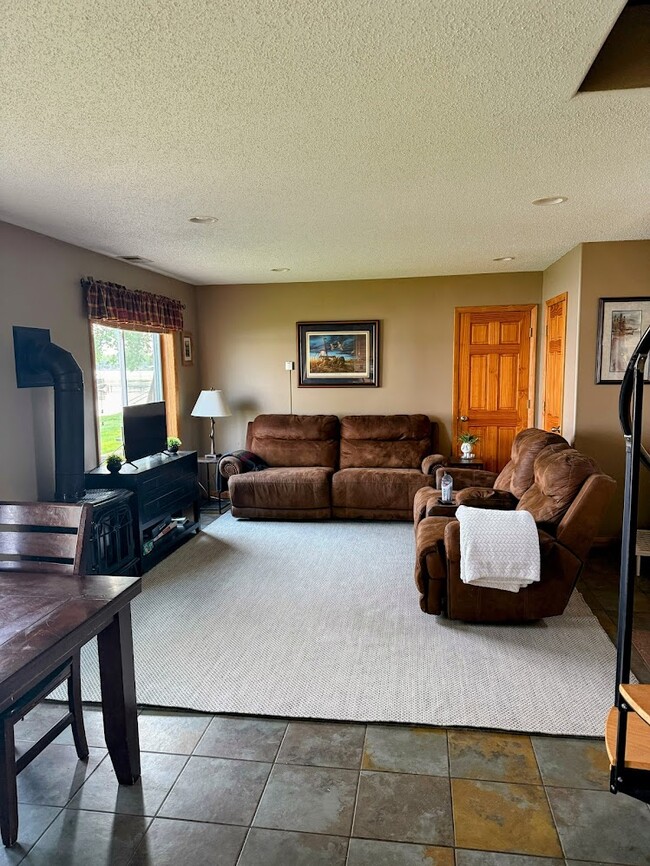
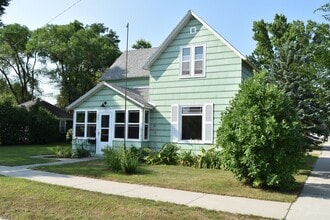
The rental market includes single-family homes, garden-style apartments, and townhomes, with rents that are generally affordable relative to larger Minnesota metros. Detroit Lakes was founded in 1871 along the Northern Pacific Railroad and carried the name "Detroit" until 1927, when it was renamed to avoid confusion with the Michigan city. The events calendar is central to local identity, headlined by the WE Fest country music festival each August at nearby Soo Pass Ranch, along with the springtime Festival of Birds, the Northwest Water Carnival, the Becker County Fair, and the wintertime Polar Fest.
Median Household Income
$56,449
Average: $76,508
Education
2,487
Residents Have a Degree
Job Market
4,716
Workers Employed
Median Age
41 Years
Largest Age Group
30-39 Years
Approximately 13% of Residents
Under 20
25%
Over 65
23%
Housing Distribution
Detroit Lakes has more homeowners than renters.

Education Distribution
Review this city's overall education levels.

As of August 2026, the average apartment rent in Detroit Lakes, MN is $833 for a studio, $869 for one bedroom, $1,216 for two bedrooms, and $1,195 for three bedrooms. Apartment rent in Detroit Lakes has decreased by -4.2% in the past year.
Explore how walkable, bikeable, drivable, and transit-friendly Detroit Lakes, MN is for everyday living.
Fairly Walkable
Walkability
Exceptionally Drivable
Drivability
Fairly Bikeable
Bikeability

Public
Grades PK-5
565 Students

Public
Grades PK-5
562 Students
Public
Grades 6-8
617 Students

Public
Grades 6-8

Public
Grades 9-12
865 Students

Detroit Lakes Senior High School
Public
Grades 9-12
865 Students
Detroit Lakes Area Learning Center
Public
Grades 9-12
57 Students

Public
Grades 9-12
38 Students
Public
Grades 9-12
 The GreatSchools Rating helps parents compare schools within a state based on a variety of school quality indicators and provides a helpful picture of how effectively each school serves all of its students. Ratings are on a scale of 1 (below average) to 10 (above average) and can include test scores, college readiness, academic progress, advanced courses, equity, discipline and attendance data. We also advise parents to visit schools, consider other information on school performance and programs, and consider family needs as part of the school selection process.
View GreatSchools Rating Methodology
Data provided by
GreatSchools.org
© 2026. All rights reserved.
The GreatSchools Rating helps parents compare schools within a state based on a variety of school quality indicators and provides a helpful picture of how effectively each school serves all of its students. Ratings are on a scale of 1 (below average) to 10 (above average) and can include test scores, college readiness, academic progress, advanced courses, equity, discipline and attendance data. We also advise parents to visit schools, consider other information on school performance and programs, and consider family needs as part of the school selection process.
View GreatSchools Rating Methodology
Data provided by
GreatSchools.org
© 2026. All rights reserved.
† Our analysis of utilities, groceries, transportation, healthcare, home prices, and other goods and services is sourced from the Cost of Living Index, a respected benchmark published by the Council for Community and Economic Research (C2ER) that provides a thorough overview of living expenses across different regions.
Rent data is provided by CoStar Group’s Market Trend reports. As the industry leader in commercial real estate information, analytics, and news, CoStar conducts extensive research to produce and maintain a comprehensive database of commercial real estate information. We combine this data with public record to provide the most up-to-date rental information available.
Consumer goods, services, and home prices are sourced from the Cost of Living Index published by the Council for Community and Economic Research (C2ER). The data on this page is updated quarterly. It was last published in June 2026.
Demographic information comes from Neustar and combines detailed address data with U.S. Census and American Community Survey statistics to produce reliable local estimates.