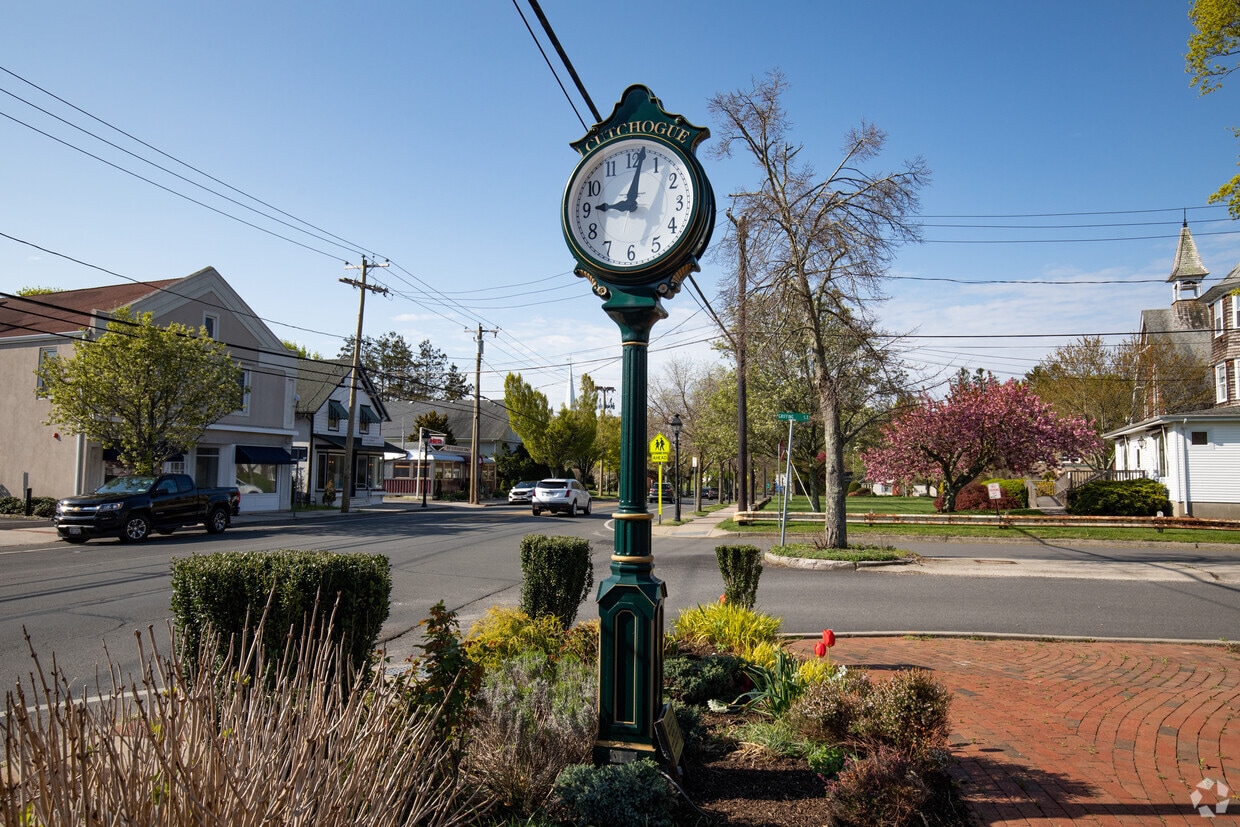
The Cutchogue town clock stands proudly outside Karen’s Country Deli, a favorite spot near Nassau Point.
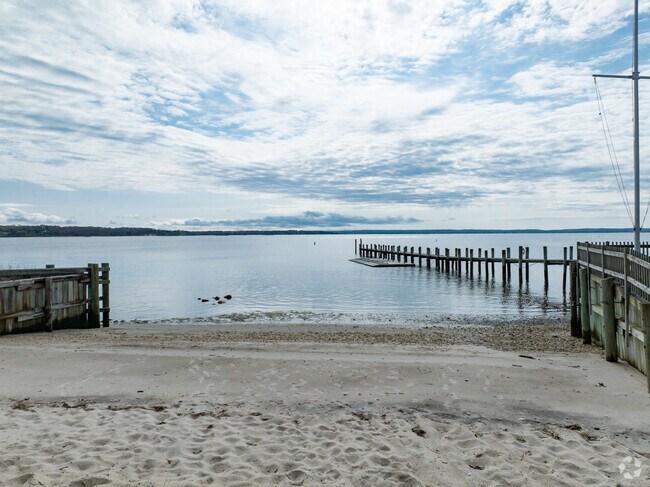
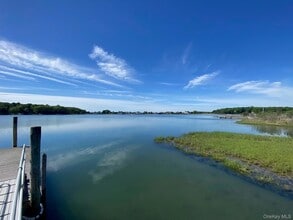
Boating is a popular activity in Cutchogue.
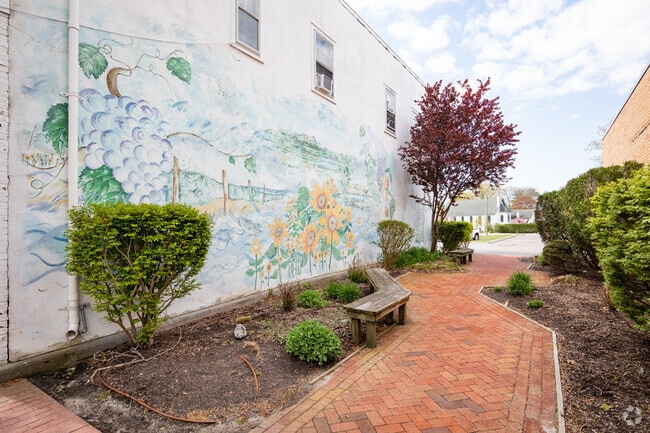
A beautiful mural just off Love Lane.
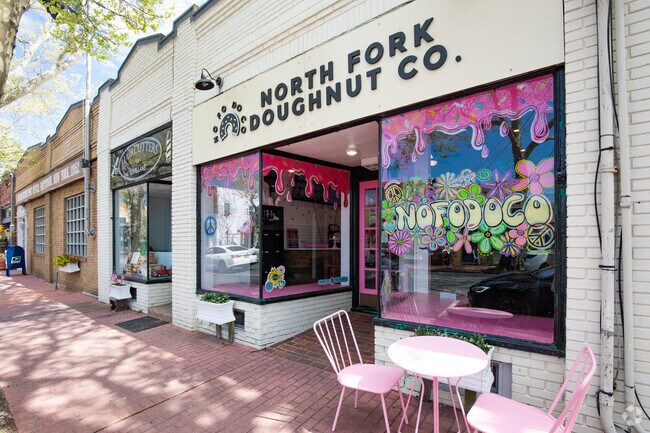
North Fork Doughnut Company is favorite stop for a sweet treat near Cutchogue.
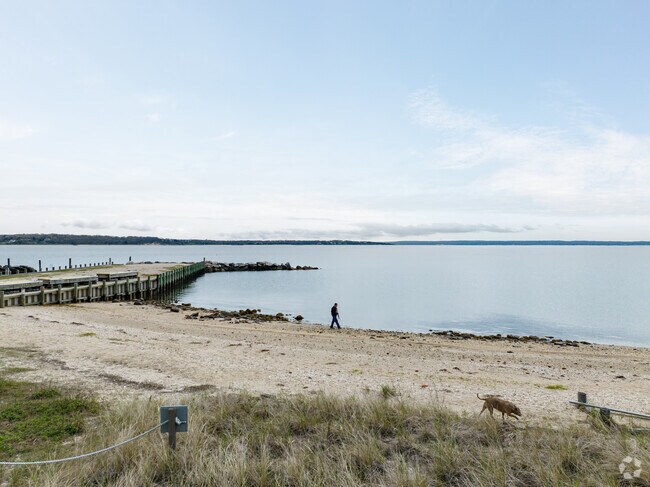
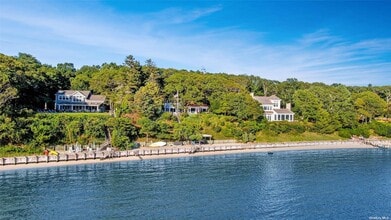
Cutchogue residents can enjoy the long sandy beaches overlooking Little Peconic Bay.

Cutchogue, NY Area Guide

Unwind in coastal North Fork Long Island’s wine country

Rural Coastal Riverside

Cutchogue is a hamlet tucked into the North Fork of Long Island, sitting between Little Peconic Bay to the south and rolling farmland to the north, about 90 miles east of Manhattan. The name itself comes from an Algonquin word meaning "principal place," and that sense of importance still lingers along Main Road, where vineyards, farm stands, and historic buildings share the same stretch of road. Neighboring Greenport and Southold are just a short drive away, offering waterfront dining and additional shopping without the summer crowds of the Hamptons. Day-to-day life in Cutchogue moves at a slower pace than most of Long Island. Residents walk or drive to pick up fresh produce, visit tasting rooms, or explore the waterfront. The rental market is limited, with most housing options taking the form of single-family rentals, cottage-style homes, and a small number of seasonal or year-round apartment communities. The first winery on Long Island, Hargrave Vineyard, opened in Cutchogue in 1973, launching what is now a region with more than 30 vineyards and its own designated American Viticultural Area.

Explore the City

A beautiful mural just off Love Lane.

North Fork Doughnut Company is favorite stop for a sweet treat near Cutchogue.

Cutchogue residents can enjoy the long sandy beaches overlooking Little Peconic Bay.

Storefronts line the streets of lovely Cutchogue.

The North Fork Country Club features a golf course.

Old Cove Yacht Club continues generations of boating culture in Cutchogue.

Demographics

Median Household Income

$113,621

Average: $155,620

Education

2,282

Residents Have a Degree

Job Market

2,139

Workers Employed

Age Distribution
Get a sense of this area's population profile.

Median Age

54 Years

Largest Age Group

60-69 Years

Approximately 18% of Residents

Under 20

17%

Over 65

31%
Housing Distribution

Cutchogue has more homeowners than renters.

Renters
16%
Non-Renters
84%

Education Distribution

Review this city's overall education levels.

Bachelor's or Higher
44%
Other Education
56%

Learn More About Cutchogue

Getting Around

Somewhat Walkable

Walkability

30 / 100

Limited Public Transit

Transit

20 / 100

Exceptionally Drivable

Drivability

90 / 100

Somewhat Bikeable

Bikeability

30 / 100

Schools

Mattituck Cutchogue Elementary School

Public

Grades K-5

457 Students

Points of Interest

Parks and Recreation

  • Custer Institute Observatory
  • Red House Nature Center
  • East End Seaport Maritime Museum
  • Elizabeth A. Morton National Wildlife Refuge
  • Meschutt Beach County Park

Airports

  • Tweed/New Haven

Top Apartments in Cutchogue

Houses for Rent in Cutchogue

Living in Cutchogue

History

-

Cutchogue has one of the most intact collections of historic structures on Long Island. The Old House, built circa 1699, sits on the Cutchogue Village Green and is considered one of the finest surviving examples of English domestic architecture in the United States. It was designated a National Historic Landmark in 1961 and is open for guided tours in summer, operated by the Cutchogue-New Suffolk Historical Council. Grouped around the same green are the 1840 Old Schoolhouse, the 1704 Wickham Farmhouse, an old carriage house, and a burying ground that dates to 1717. The Fort Corchaug Archaeological Site, located near the North Fork Country Club, preserves one of the few undisturbed fortified Native American village sites in the Northeast. It earned National Historic Landmark status in 1999 and is now part of the Downs Farm Preserve, open to the public with hiking trails. Wickham's Fruit Farm, another landmark tied to this land, traces its history back to the 17th century and remains in operation as a working farm and stand. The 1941 Cutchogue Diner, housed in its original Kullman-built stainless steel structure and family-owned since 1987, is another piece of the hamlet's visible past.

Restaurants

-

Cutchogue is not a restaurant-dense hamlet, but what it lacks in quantity it makes up for in quality and character. The Cutchogue Diner on Main Road has been serving classic American breakfast and lunch since its current ownership took over in 1987, and the vintage Kullman diner car itself has been a fixture since 1941. Beyond the diner, the dining scene leans heavily into wine country territory, with several North Fork wineries offering food pairings, seasonal menus, and light fare in their tasting rooms and on their grounds. The broader North Fork region, easily accessible from Cutchogue, is well known for fresh seafood, farm-to-table cooking, and local oysters and clams harvested from the bay. Seasonal farm stands throughout the area sell fresh-picked corn, strawberries, tomatoes, and stone fruit, making summer and fall especially good times to eat locally. The neighboring hamlets of Southold and Mattituck offer additional dining options ranging from casual waterfront spots to more refined seasonal menus.

Transportation

-

Cutchogue is car-dependent by nature, and most residents rely on personal vehicles for day-to-day travel. New York State Route 25, known locally as Main Road, runs east-west through the heart of the hamlet and is the primary corridor connecting Cutchogue to neighboring communities like Mattituck to the west and Southold to the east. County Road 48, also called Middle Road, runs parallel to Route 25 and provides an alternate route across the North Fork. The Long Island Rail Road's Ronkonkoma Branch provides train service to Greenport, the nearest station of significance, which is about 10 miles east of Cutchogue. Nearby Mattituck also has a Long Island Rail Road station. The Hampton Jitney operates year-round express bus service connecting the North Fork to Manhattan, with stops serving communities along the Route 25 corridor. For those traveling by air, Long Island MacArthur Airport in Islip is roughly an hour west, and John F. Kennedy International Airport is about two hours by car.

Parks

-

Cutchogue and the surrounding Town of Southold offer several open spaces for outdoor recreation. Downs Farm Preserve, which encompasses the Fort Corchaug Archaeological Site, includes hiking trails through woodland and meadow terrain along Little Peconic Bay. The North Fork Country Club is also located within the hamlet, offering golf on the bay. The Cutchogue waterfront along Little Peconic Bay provides access for boating, kayaking, and fishing. Orient Beach State Park, roughly 20 miles east of Cutchogue near the tip of the North Fork, is one of the most notable natural areas in the region. The park covers 363 acres and offers more than eight miles of bay frontage, a beach designated as a National Natural Landmark, picnic areas, nature trails, fishing, and bike rentals. The park is open year-round and draws visitors for birding and wildlife watching as well, with the beach supporting nesting habitat for piping plovers and terns.

Cost

-

Cutchogue is a higher-cost community relative to much of New York State, reflecting its position in the North Fork wine and farming region. Specific average rent data for the hamlet is limited due to its small size and predominantly owner-occupied housing stock. The median household income in Cutchogue was approximately $113,600 according to recent data, and property values tend to run well above Long Island averages. New York State overall carries one of the highest costs of living in the country, and the North Fork's appeal to seasonal visitors and second-home buyers contributes to elevated housing and goods prices in the area.

Shopping

-

Cutchogue's commercial activity is modest and concentrated along the Main Road corridor. Local farm stands selling seasonal produce, cut flowers, and specialty goods are a consistent draw, particularly from late spring through fall harvest season. Several North Fork wineries in and around Cutchogue operate retail tasting rooms where visitors and locals can purchase wine directly. Wickham's Fruit Farm, which has operated on the same land for generations, is an established stop for fresh fruit, cider, and seasonal produce. For more varied retail shopping, residents typically drive to Southold or Riverhead to the west. Riverhead, about 20 miles from Cutchogue, has the largest commercial retail concentration on the East End, including big-box stores and a substantial retail corridor along Route 58. Greenport, about 10 miles east, offers a walkable village with boutiques, specialty shops, and independent bookstores in a well-preserved downtown setting.

Highlights

-

Cutchogue holds two National Historic Landmarks, sits at the heart of Long Island's wine country, and offers waterfront access, farm stands, and a preserved 17th-century village green, all within about 90 miles of Manhattan.

Search Nearby Rentals

Methodology

† Our analysis of utilities, groceries, transportation, healthcare, home prices, and other goods and services is sourced from the Cost of Living Index, a respected benchmark published by the Council for Community and Economic Research (C2ER) that provides a thorough overview of living expenses across different regions.

Rent data is provided by CoStar Group’s Market Trend reports. As the industry leader in commercial real estate information, analytics, and news, CoStar conducts extensive research to produce and maintain a comprehensive database of commercial real estate information. We combine this data with public record to provide the most up-to-date rental information available.

Consumer goods, services, and home prices are sourced from the Cost of Living Index published by the Council for Community and Economic Research (C2ER). The data on this page is updated quarterly. It was last published in June 2026.

Demographic information comes from Neustar and combines detailed address data with U.S. Census and American Community Survey statistics to produce reliable local estimates.