Median Age
32 Years
Largest Age Group
20-29 Years
Approximately 24% of Residents
Under 20
24%
Over 65
14%

Avg Rent
$1,186
Population
132,825
Renter Mix
56% Rent
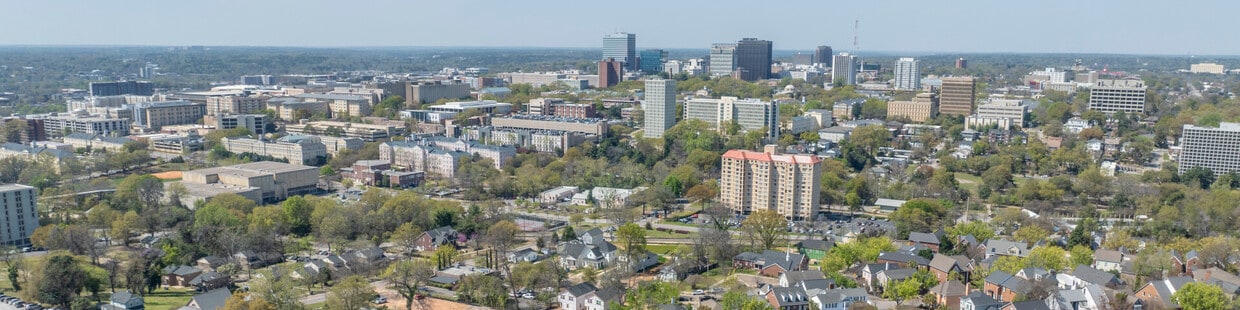
Columbia is South Carolina's capital city, positioned where the Saluda and Broad rivers converge to form the Congaree — a geographic detail that shapes both the city's layout and its outdoor culture. As the anchor of the state's Midlands region, Columbia draws its identity from three powerful forces: state government, the University of South Carolina, and Fort Jackson, the U.S. Army's largest basic training installation. Together, these institutions create a steady, diverse economy that keeps the rental market active year-round.
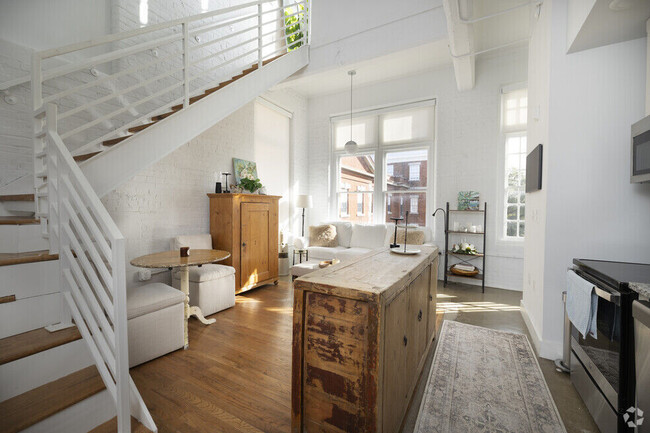
Neighborhoods across the city offer genuinely different experiences. The Vista delivers warehouse-style lofts near the South Carolina State Museum and the riverfront, while Five Points pulses with energy close to the USC campus. Shandon is known for tree-lined streets and craftsman bungalows, and the Main Street District offers loft-style apartments above street-level shops and the popular Saturday Soda City Market — a nod to Columbia's well-known nickname, "Soda City."
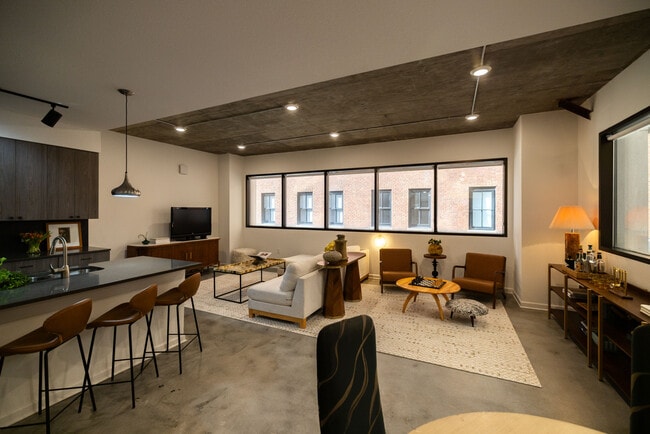
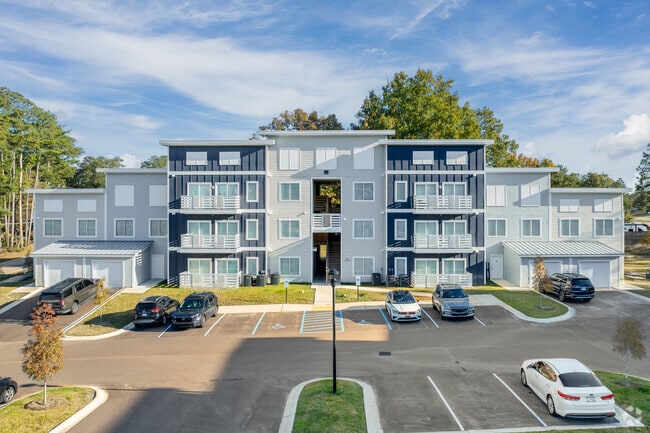
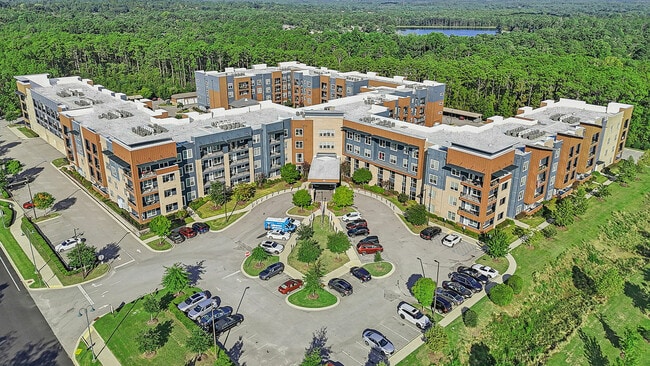
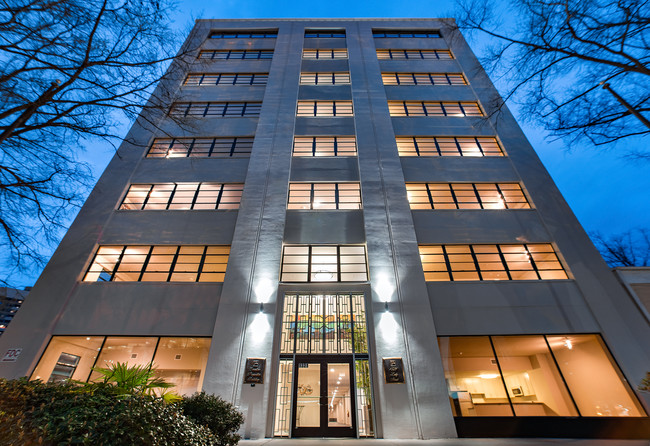
The housing mix runs from downtown high-rises and converted mill lofts along the river to townhomes and traditional rentals in quieter residential corridors. Apartment communities throughout the city tend to sit close to major employers, greenway trails, and cultural destinations like the Columbia Museum of Art and Riverbanks Zoo and Garden, making it straightforward to build a full life here without stretching far.
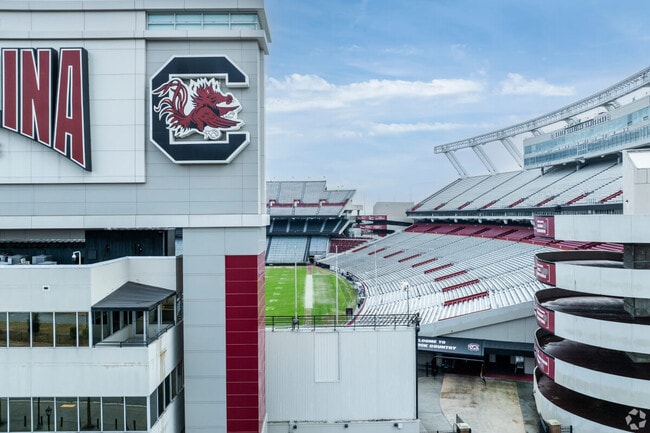
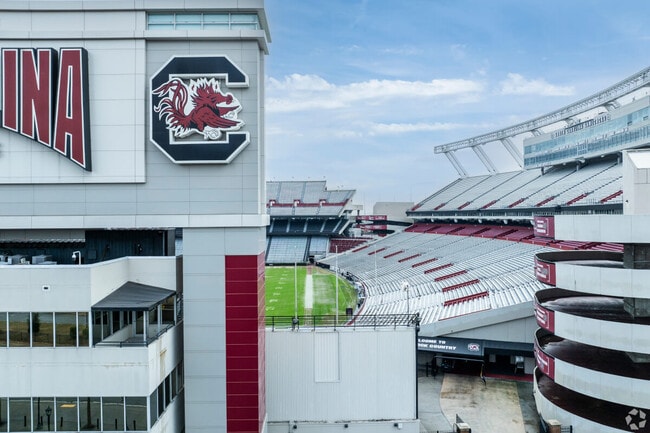
Williams–Brice Stadium, popularly known as "Willy B", is a football stadium in Columbia.
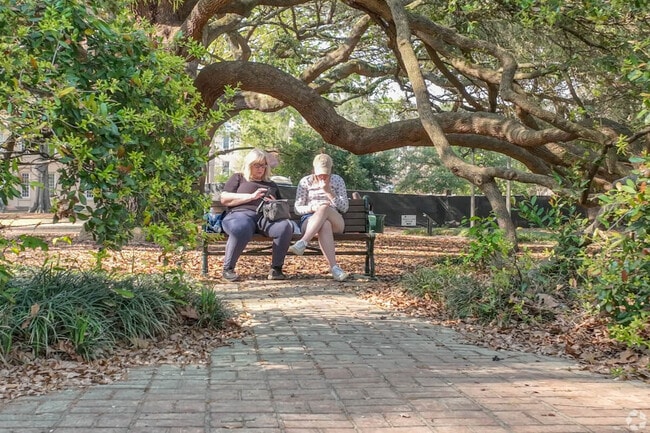
The USC Horshoe has dozens of benches to relax and have some reading time.
Segra Park near Belmont is home to the Columbia Fireflies of the Carolina League.
Median Household Income
$47,869
Average: $74,010
Education
45,747
Residents Have a Degree
Job Market
60,769
Workers Employed
Median Age
32 Years
Largest Age Group
20-29 Years
Approximately 24% of Residents
Under 20
24%
Over 65
14%
Housing Distribution
Columbia has more renters than homeowners.

Education Distribution
Review this city's overall education levels.

As of August 2026, the average apartment rent in Columbia, SC is $1,031 for a studio, $1,187 for one bedroom, $1,388 for two bedrooms, and $1,786 for three bedrooms. Apartment rent in Columbia has increased by 1.8% in the past year.
The cost of living in Columbia, SC is 9.9% lower than the national average. Generally, housing in Columbia is 29.0% less expensive than the national average, with rent falling between $1,031 - $1,786. You can expect to pay 1.3% less for groceries, 0.4% less for utilities, and 7.8% less for transportation.
Compare Cities
Explore how walkable, bikeable, drivable, and transit-friendly Columbia, SC is for everyday living.
Somewhat Walkable
Walkability
Limited Public Transit
Transit
Exceptionally Drivable
Drivability

Public
Grades PK-5
268 Students

Public
Grades PK-5
268 Students
Satchel Ford Elementary School
Public
Grades K-5
631 Students

Public
Grades K-5
631 Students
Public
Grades PK-5
237 Students
Public
Grades 6-8
905 Students

Public
Grades 6-8
905 Students
Public
Grades 6-8
503 Students

Public
Grades 6-8
755 Students

Public
Grades K-8
1,275 Students

Public
Grades 9-12
2,230 Students
Richland One Charter Middle College
Public
Grades 9-12
79 Students
Public
Grades 9-12
1,328 Students
Public
Grades 9-12
1,144 Students
Public
Grades 9-12
1,631 Students
 The GreatSchools Rating helps parents compare schools within a state based on a variety of school quality indicators and provides a helpful picture of how effectively each school serves all of its students. Ratings are on a scale of 1 (below average) to 10 (above average) and can include test scores, college readiness, academic progress, advanced courses, equity, discipline and attendance data. We also advise parents to visit schools, consider other information on school performance and programs, and consider family needs as part of the school selection process.
View GreatSchools Rating Methodology
Data provided by
GreatSchools.org
© 2026. All rights reserved.
The GreatSchools Rating helps parents compare schools within a state based on a variety of school quality indicators and provides a helpful picture of how effectively each school serves all of its students. Ratings are on a scale of 1 (below average) to 10 (above average) and can include test scores, college readiness, academic progress, advanced courses, equity, discipline and attendance data. We also advise parents to visit schools, consider other information on school performance and programs, and consider family needs as part of the school selection process.
View GreatSchools Rating Methodology
Data provided by
GreatSchools.org
© 2026. All rights reserved.
† Our analysis of utilities, groceries, transportation, healthcare, home prices, and other goods and services is sourced from the Cost of Living Index, a respected benchmark published by the Council for Community and Economic Research (C2ER) that provides a thorough overview of living expenses across different regions.
Rent data is provided by CoStar Group’s Market Trend reports. As the industry leader in commercial real estate information, analytics, and news, CoStar conducts extensive research to produce and maintain a comprehensive database of commercial real estate information. We combine this data with public record to provide the most up-to-date rental information available.
Consumer goods, services, and home prices are sourced from the Cost of Living Index published by the Council for Community and Economic Research (C2ER). The data on this page is updated quarterly. It was last published in June 2026.
Demographic information comes from Neustar and combines detailed address data with U.S. Census and American Community Survey statistics to produce reliable local estimates.