Median Age
42 Years
Largest Age Group
35-44 Years
Approximately 14% of Residents
Under 20
22%
Over 65
20%
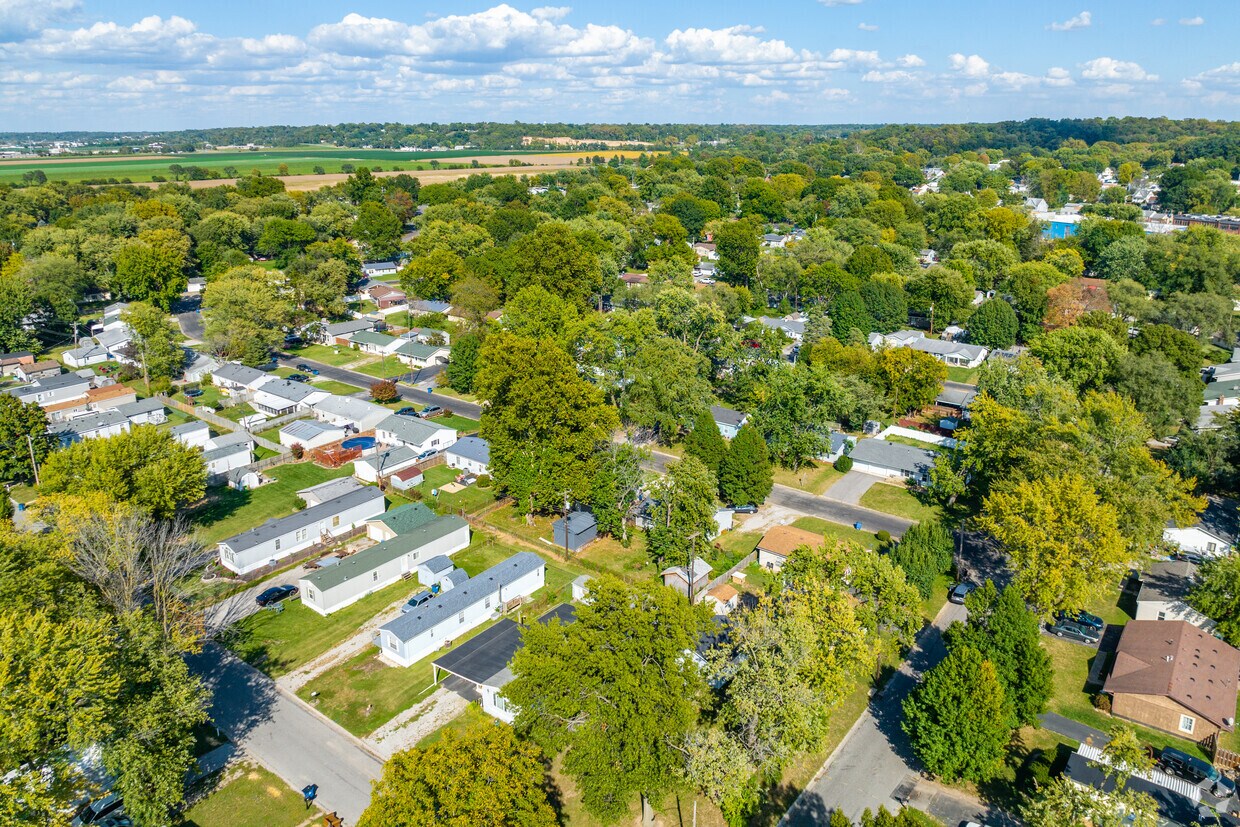

Caseyville may be one of Illinois' smaller villages, but its address in St. Clair County puts renters within easy reach of a major American city and a site of global historical significance. The village traces its roots to 1849, when the Illinois Coal Company founded the town and named it for Zadok Casey, a former U.S. Representative and Lieutenant Governor of Illinois. That coal-mining heritage shaped the tight-knit, grounded character the community still carries today.
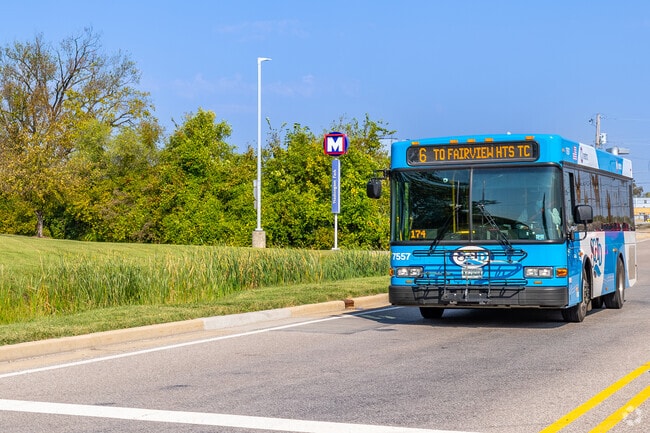
Just a short drive away, Cahokia Mounds State Historic Site stands as the largest pre-Columbian settlement north of Mexico and a UNESCO World Heritage Site, a remarkable neighbor for such a quiet suburban address. Downtown St. Louis is roughly 20 minutes by car via Interstates 255 and 64, and the nearby Fairview Heights MetroLink station offers a rail connection into the city for those who prefer to leave the car behind. Scott Air Force Base sits about 32 minutes away, anchoring a strong military presence across the metro-east region. Saint Louis University and Southwestern Illinois College are both accessible within about 23 minutes.
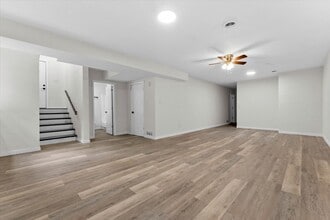
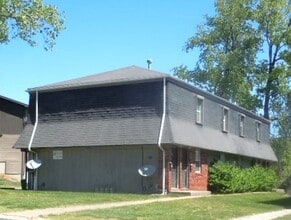
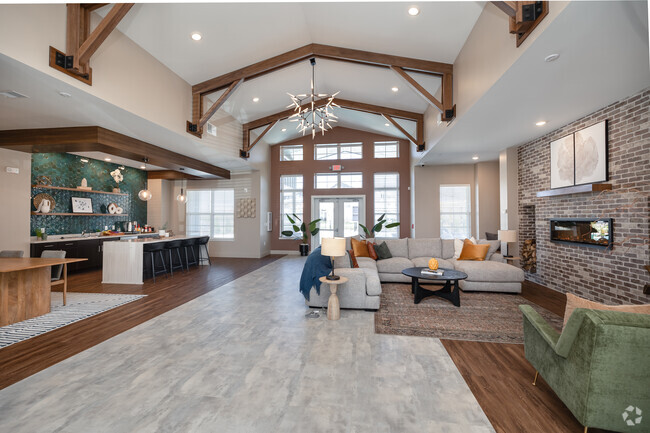
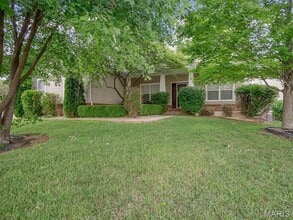
The rental market here leans toward modest single-family homes and smaller apartment communities, with rents that run well below the Illinois state average, making Caseyville a practical option for those who want metro St. Louis access without the price tag.
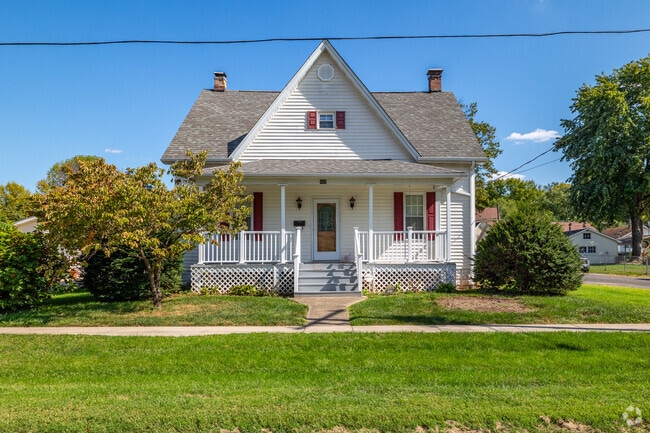
Queen Anne homes in Caseyville tell a story of a bygone era.
From family picnics to peaceful strolls, Caseyville Village Park offers it all.
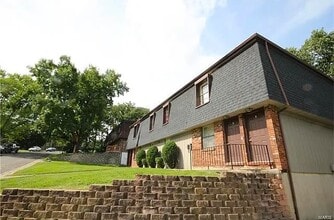
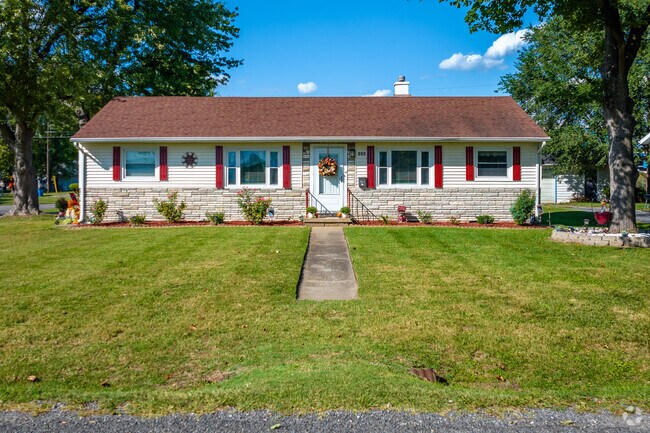
Ranch homes in Caseyville evoke midcentury living.
For a sweet treat, Caseyville residents head to Dairy Haven.
Historical architecture gives Caseyville a quaint charm.
Sidewalks lead past Victorian homes throughout Caseyville.
Median Household Income
$54,979
Average: $69,543
Education
686
Residents Have a Degree
Job Market
2,077
Workers Employed
Median Age
42 Years
Largest Age Group
35-44 Years
Approximately 14% of Residents
Under 20
22%
Over 65
20%
Housing Distribution
Caseyville has more homeowners than renters.

Education Distribution
Review this city's overall education levels.

Explore how walkable, bikeable, drivable, and transit-friendly Caseyville, IL is for everyday living.
Somewhat Walkable
Walkability
Exceptionally Drivable
Drivability
Somewhat Bikeable
Bikeability

Public
Grades K-5
336 Students

Public
Grades K-12
25 Students

Public
Grades K-12
25 Students
Public
Grades K-12
25 Students
 The GreatSchools Rating helps parents compare schools within a state based on a variety of school quality indicators and provides a helpful picture of how effectively each school serves all of its students. Ratings are on a scale of 1 (below average) to 10 (above average) and can include test scores, college readiness, academic progress, advanced courses, equity, discipline and attendance data. We also advise parents to visit schools, consider other information on school performance and programs, and consider family needs as part of the school selection process.
View GreatSchools Rating Methodology
Data provided by
GreatSchools.org
© 2026. All rights reserved.
The GreatSchools Rating helps parents compare schools within a state based on a variety of school quality indicators and provides a helpful picture of how effectively each school serves all of its students. Ratings are on a scale of 1 (below average) to 10 (above average) and can include test scores, college readiness, academic progress, advanced courses, equity, discipline and attendance data. We also advise parents to visit schools, consider other information on school performance and programs, and consider family needs as part of the school selection process.
View GreatSchools Rating Methodology
Data provided by
GreatSchools.org
© 2026. All rights reserved.
† Our analysis of utilities, groceries, transportation, healthcare, home prices, and other goods and services is sourced from the Cost of Living Index, a respected benchmark published by the Council for Community and Economic Research (C2ER) that provides a thorough overview of living expenses across different regions.
Rent data is provided by CoStar Group’s Market Trend reports. As the industry leader in commercial real estate information, analytics, and news, CoStar conducts extensive research to produce and maintain a comprehensive database of commercial real estate information. We combine this data with public record to provide the most up-to-date rental information available.
Consumer goods, services, and home prices are sourced from the Cost of Living Index published by the Council for Community and Economic Research (C2ER). The data on this page is updated quarterly. It was last published in September 2026.
Demographic information comes from Neustar and combines detailed address data with U.S. Census and American Community Survey statistics to produce reliable local estimates.