Median Age
41 Years
Largest Age Group
55-64 Years
Approximately 14% of Residents
Under 20
24%
Over 65
17%

Avg Rent
$1,524
Population
17,841
Renter Mix
12% Rent
Cary is a McHenry County village about 45 miles northwest of Chicago, where tree-lined streets and well-kept residential neighborhoods give the community a settled, unhurried character that stands apart from the bustle of the metro. Northwest Highway serves as the village's commercial spine, lined with cafes and specialty shops that anchor a walkable downtown corridor. The Metra's Union Pacific Northwest line stops right in the village, connecting riders directly to Chicago's Ogilvie Transportation Center, making the city fully accessible without requiring a daily drive. The Fox River runs along Cary's eastern edge, and multiple conservation areas sit just minutes away, giving the area a green, open-air quality that shapes daily life here.
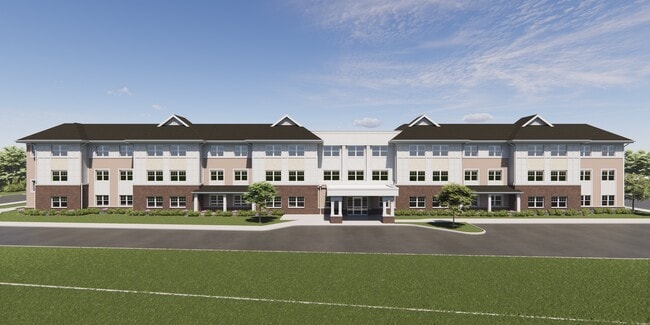
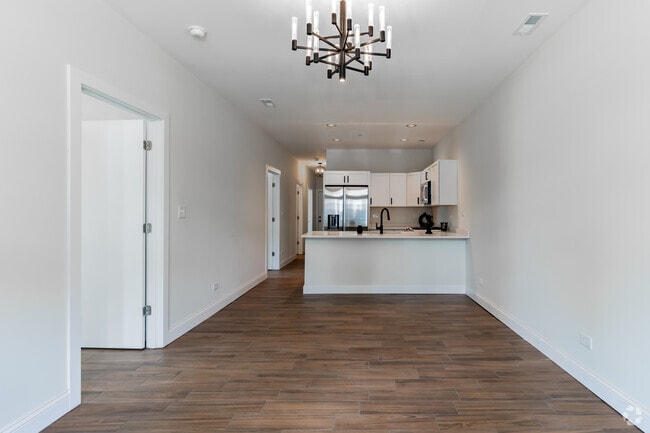
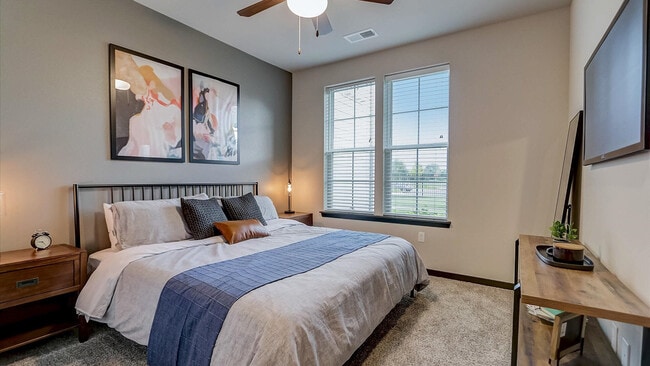
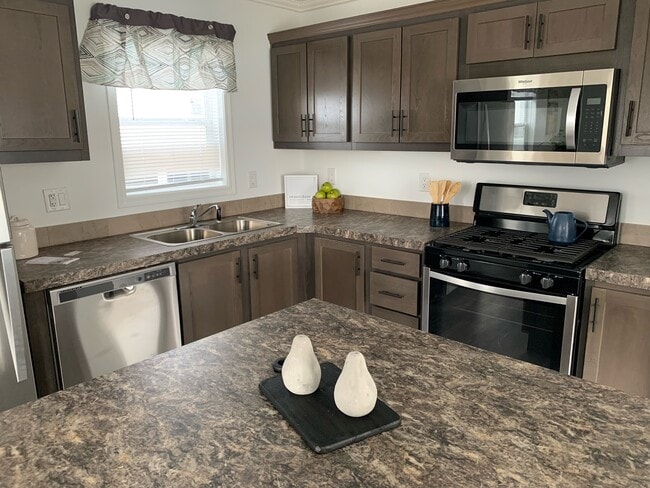
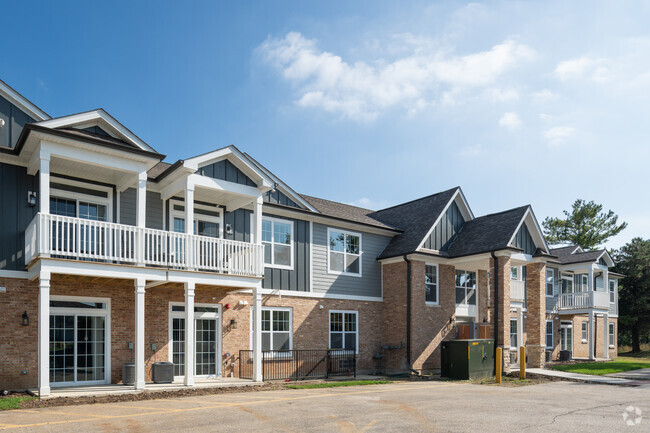
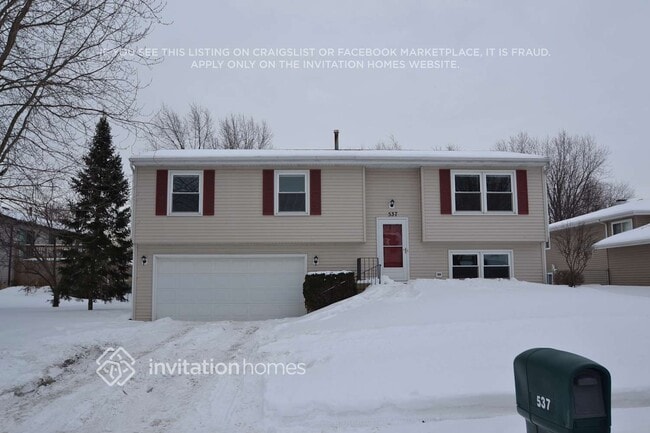
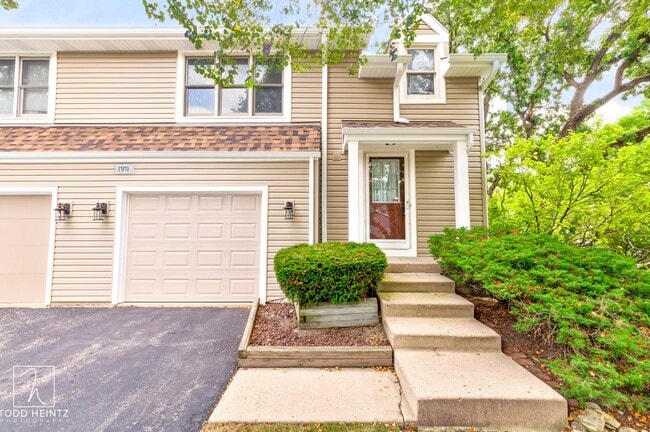
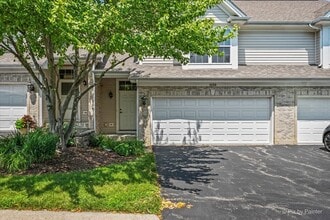
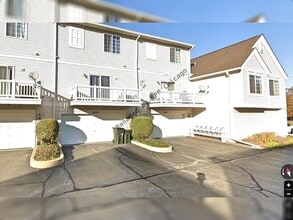
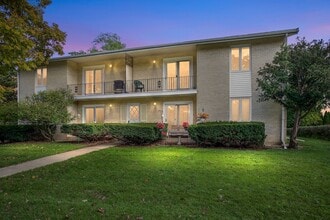
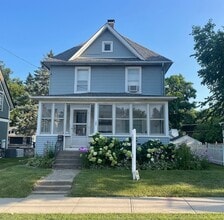
The housing stock leans heavily toward single-family homes, though renters will also find apartment communities offering studio, one-bedroom, and two-bedroom options at rents that come in below the Illinois state average. The village traces its roots to 1841, when William Dennison Cary purchased land at $1.25 an acre, and the arrival of the Illinois and Wisconsin Railway in 1856 quickly transformed the settlement into a produce-shipping hub. Early farmers used the line to ship pickles and other crops to industrialized cities, a detail that still surfaces in local lore. McHenry County College is roughly nine miles away, adding an educational anchor to the broader community.
Happy's Baddass Bar on Route 14 serves residents of Cary.
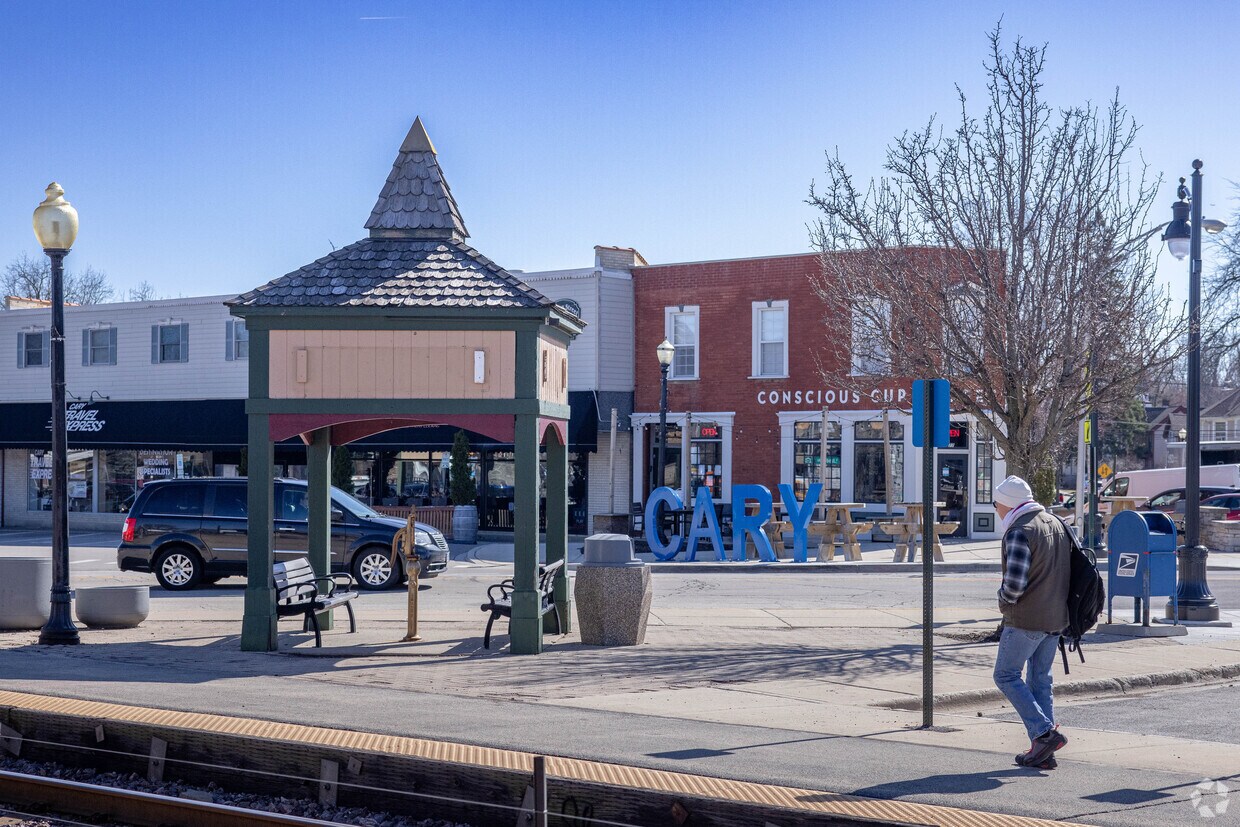
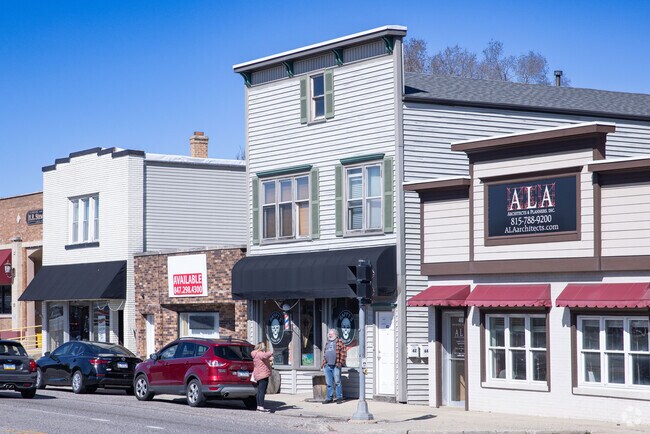
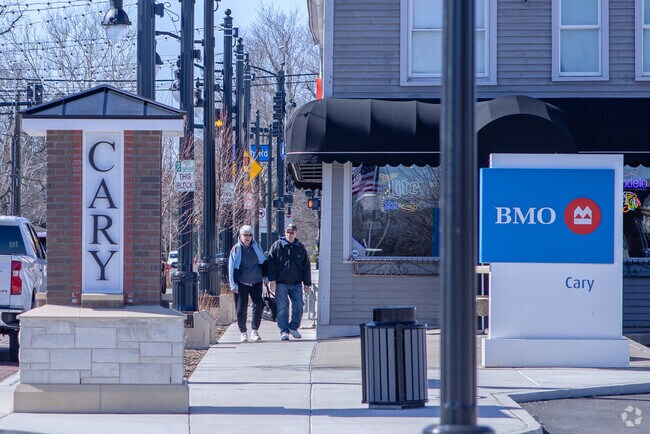
Downtown Cary offers plenty of restaurant and retail options, as well as public transit.
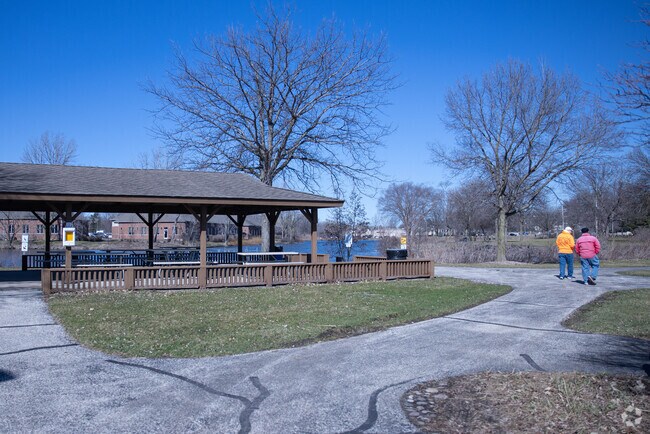
Jaycee Memorial Park in Cary is a great place to walk, bike, or walk your dog.
Residents of Cary arrive by train at the Cary Metra Station.
Residents can reach Chicago by driving 44 miles along Route 14 through Cary.
Shoppers explore the bustling Cary Farmers Market, browsing stands filled with local goods.
Median Household Income
$108,183
Average: $128,648
Education
6,196
Residents Have a Degree
Job Market
10,472
Workers Employed
Median Age
41 Years
Largest Age Group
55-64 Years
Approximately 14% of Residents
Under 20
24%
Over 65
17%
Housing Distribution
Cary has more homeowners than renters.

Education Distribution
Review this city's overall education levels.

As of September 2026, the average apartment rent in Cary, IL is $1,225 for a studio, $1,524 for one bedroom, and $1,654 for two bedrooms. Apartment rent in Cary has increased by 2.1% in the past year.
Explore how walkable, bikeable, drivable, and transit-friendly Cary, IL is for everyday living.
Somewhat Walkable
Walkability
Limited Public Transit
Transit
Very Drivable
Drivability
Fairly Bikeable
Bikeability

Public
Grades K-5
554 Students

Public
Grades K-5
349 Students
Public
Grades K-5
391 Students

Oak Knoll Early Childhood Center
Public
Grades PK-5
316 Students

Public
Grades 6-8
758 Students
Cary-Grove Community High School
Public
Grades 9-12
1,305 Students

 The GreatSchools Rating helps parents compare schools within a state based on a variety of school quality indicators and provides a helpful picture of how effectively each school serves all of its students. Ratings are on a scale of 1 (below average) to 10 (above average) and can include test scores, college readiness, academic progress, advanced courses, equity, discipline and attendance data. We also advise parents to visit schools, consider other information on school performance and programs, and consider family needs as part of the school selection process.
View GreatSchools Rating Methodology
Data provided by
GreatSchools.org
© 2026. All rights reserved.
The GreatSchools Rating helps parents compare schools within a state based on a variety of school quality indicators and provides a helpful picture of how effectively each school serves all of its students. Ratings are on a scale of 1 (below average) to 10 (above average) and can include test scores, college readiness, academic progress, advanced courses, equity, discipline and attendance data. We also advise parents to visit schools, consider other information on school performance and programs, and consider family needs as part of the school selection process.
View GreatSchools Rating Methodology
Data provided by
GreatSchools.org
© 2026. All rights reserved.
† Our analysis of utilities, groceries, transportation, healthcare, home prices, and other goods and services is sourced from the Cost of Living Index, a respected benchmark published by the Council for Community and Economic Research (C2ER) that provides a thorough overview of living expenses across different regions.
Rent data is provided by CoStar Group’s Market Trend reports. As the industry leader in commercial real estate information, analytics, and news, CoStar conducts extensive research to produce and maintain a comprehensive database of commercial real estate information. We combine this data with public record to provide the most up-to-date rental information available.
Consumer goods, services, and home prices are sourced from the Cost of Living Index published by the Council for Community and Economic Research (C2ER). The data on this page is updated quarterly. It was last published in September 2026.
Demographic information comes from Neustar and combines detailed address data with U.S. Census and American Community Survey statistics to produce reliable local estimates.