Median Age
39 Years
Largest Age Group
35-44 Years
Approximately 14% of Residents
Under 20
24%
Over 65
16%

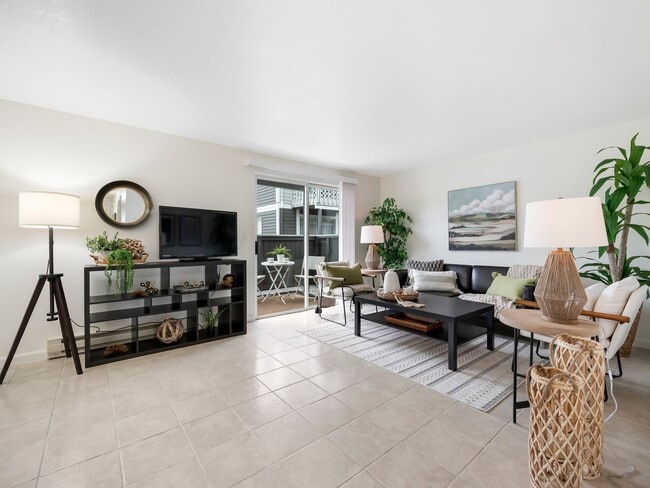
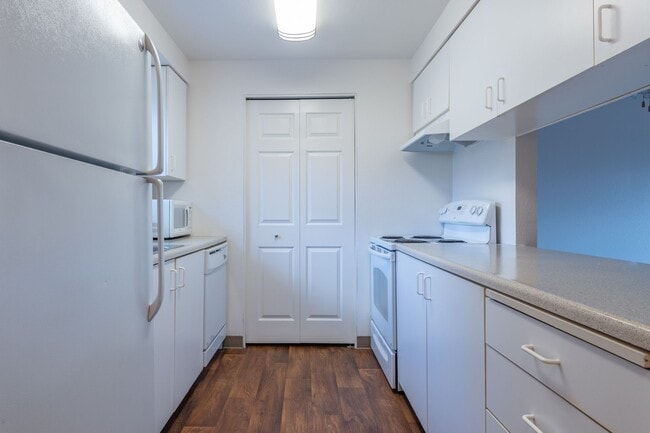
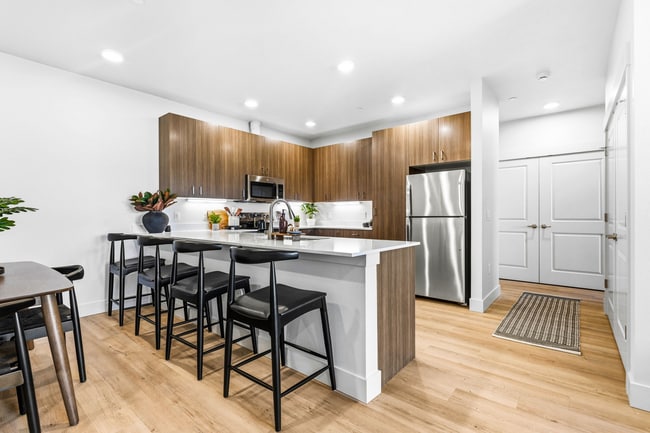
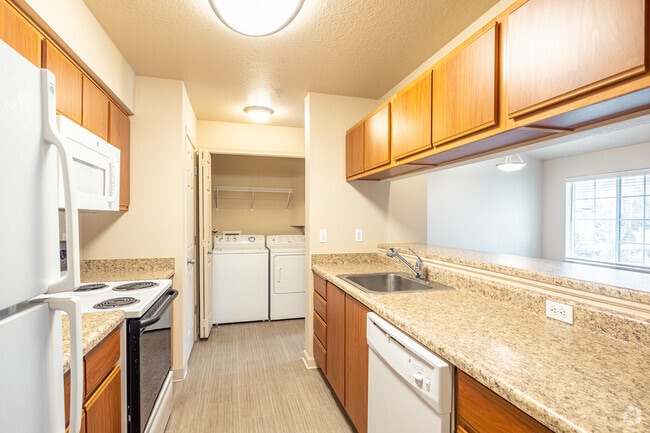
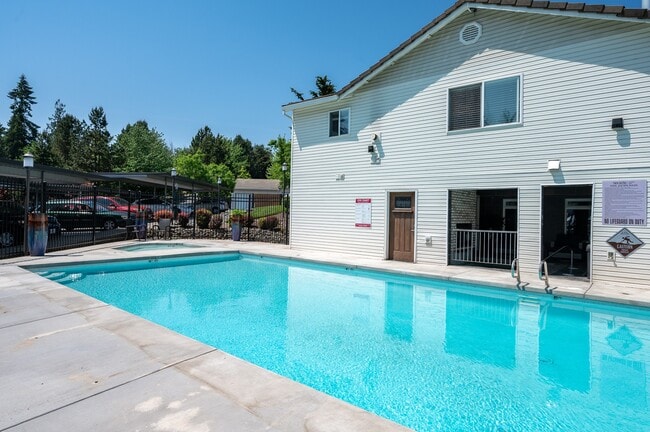
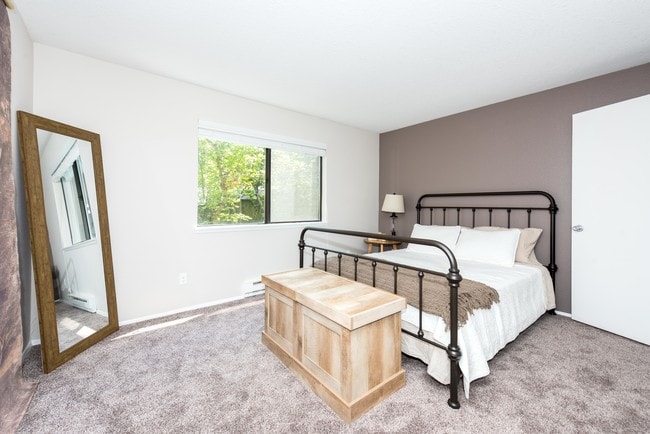
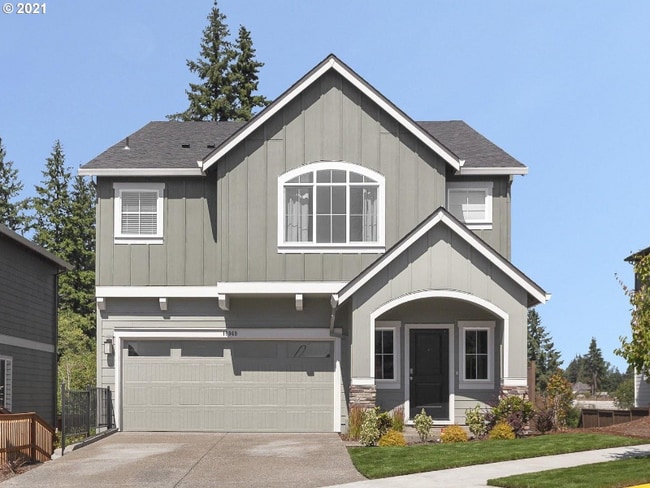
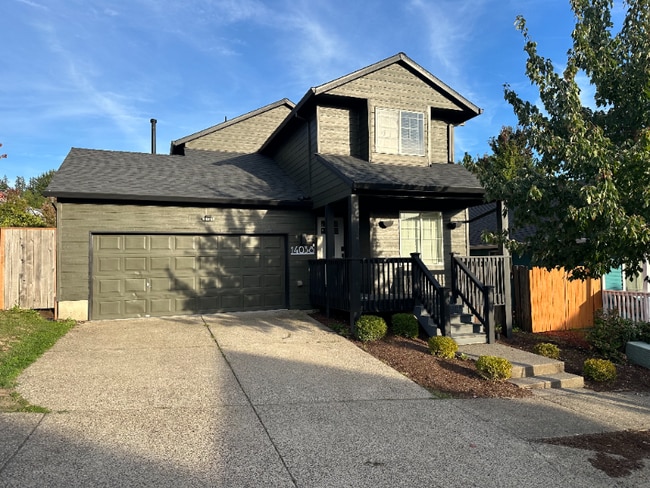
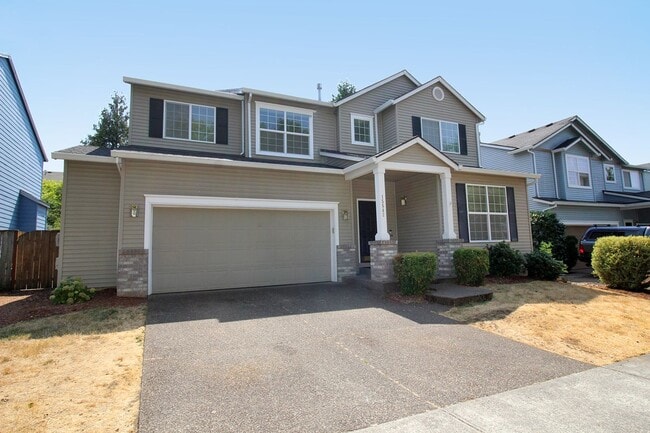
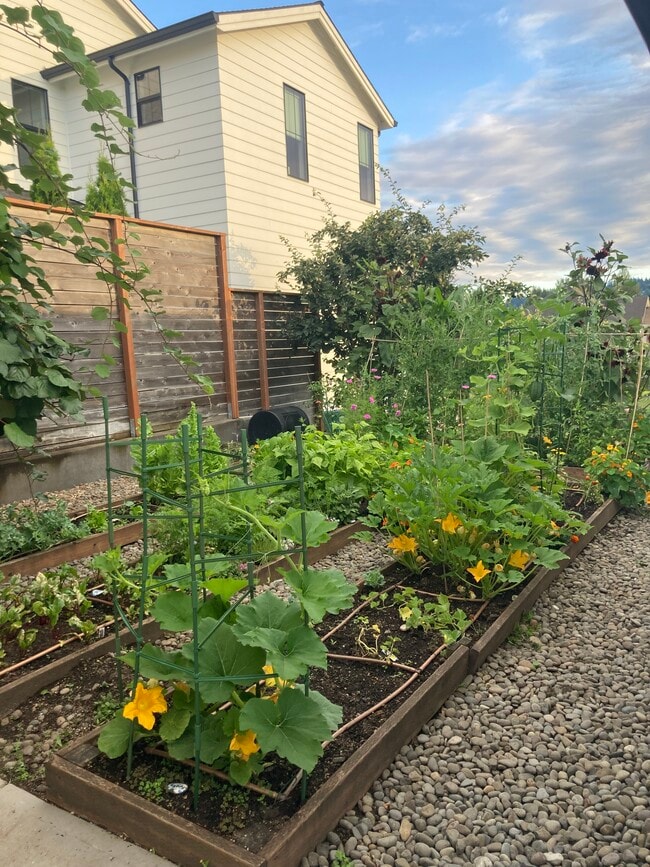
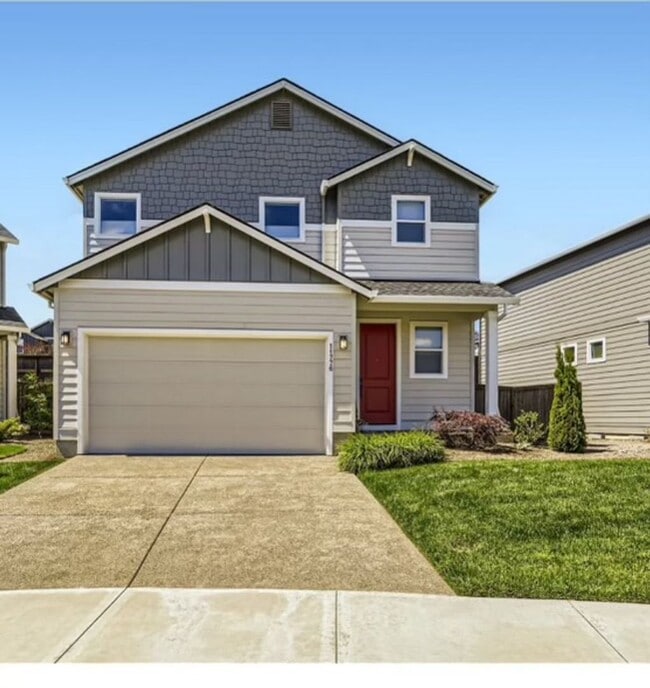
Spanning east of Interstate 205, Carver is a small community located along the Clackamas River. This quiet residential town is just 15 miles south of Portland and mostly made up of housing developments, greenery, and commercial spaces. The southern part of Carver is home to several distribution warehouses and manufacturers, while the northern half is made up of residential avenues. Those looking to rent in Carver have several options of apartments, townhomes, and single-family houses.
Median Household Income
$84,549
Average: $103,201
Education
6,316
Residents Have a Degree
Job Market
12,722
Workers Employed
Median Age
39 Years
Largest Age Group
35-44 Years
Approximately 14% of Residents
Under 20
24%
Over 65
16%
Housing Distribution
Carver has more homeowners than renters.

Education Distribution
Review this city's overall education levels.

Explore how walkable, bikeable, drivable, and transit-friendly Carver, OR is for everyday living.
Fairly Walkable
Walkability
Limited Public Transit
Transit
Very Drivable
Drivability
Somewhat Bikeable
Bikeability

† Our analysis of utilities, groceries, transportation, healthcare, home prices, and other goods and services is sourced from the Cost of Living Index, a respected benchmark published by the Council for Community and Economic Research (C2ER) that provides a thorough overview of living expenses across different regions.
Rent data is provided by CoStar Group’s Market Trend reports. As the industry leader in commercial real estate information, analytics, and news, CoStar conducts extensive research to produce and maintain a comprehensive database of commercial real estate information. We combine this data with public record to provide the most up-to-date rental information available.
Consumer goods, services, and home prices are sourced from the Cost of Living Index published by the Council for Community and Economic Research (C2ER). The data on this page is updated quarterly. It was last published in September 2026.
Demographic information comes from Neustar and combines detailed address data with U.S. Census and American Community Survey statistics to produce reliable local estimates.