Median Age
45 Years
Largest Age Group
60-69 Years
Approximately 15% of Residents
Under 20
23%
Over 65
23%
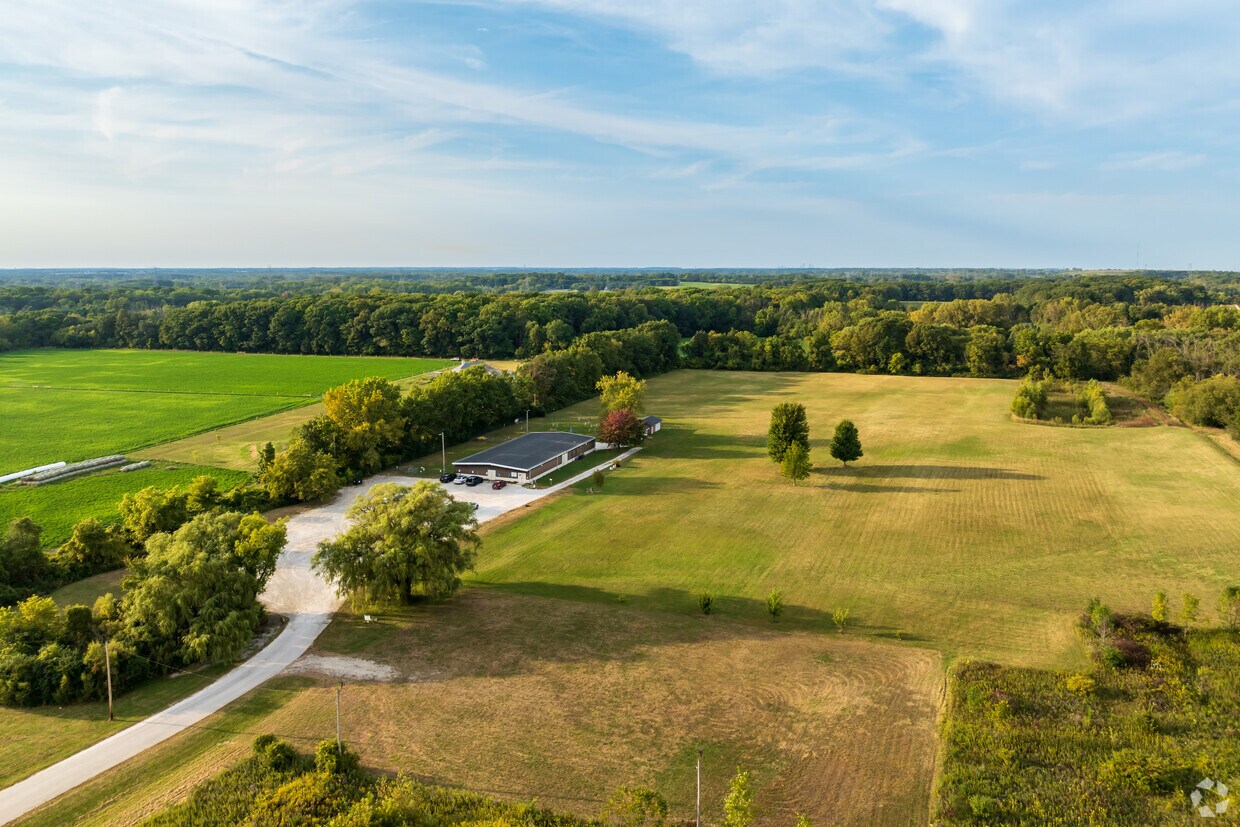

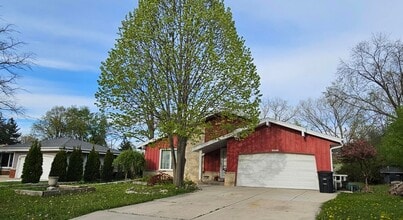
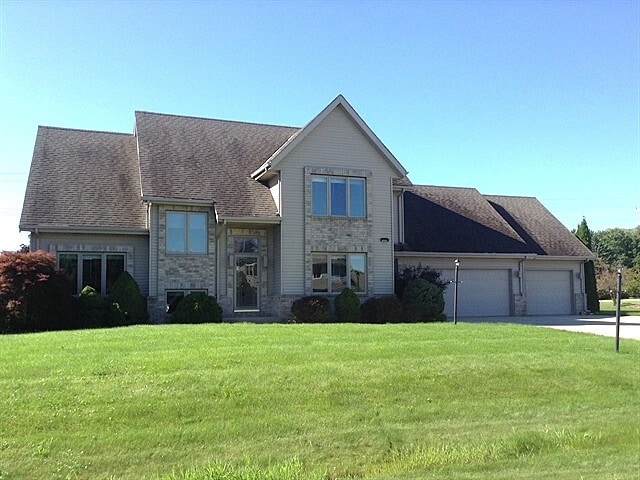
Caledonia is a village in Racine County, Wisconsin, sitting along the western shore of Lake Michigan about 17 miles south of Milwaukee. Originally a town that became a village through a special state legislative exemption and a 2005 referendum, it covers roughly 46 square miles and has a population of around 25,000 residents. That stretch between two major employment hubs gives Caledonia a genuinely flexible location, with Milwaukee and Racine both within easy reach for work, culture, or daily needs.
Life here moves at a quieter pace than its bigger neighbors, shaped by open land, lakefront scenery, and a strong sense of local character. The village contains distinct residential communities, including Franksville, Husher, and the lakeside enclave of Tabor, each offering a slightly different feel within the same zip code. The Caledonia Historical Society's annual Heritage Festival and the preservation of the Historical Village, first settled in 1832, reflect how seriously the community takes its roots.
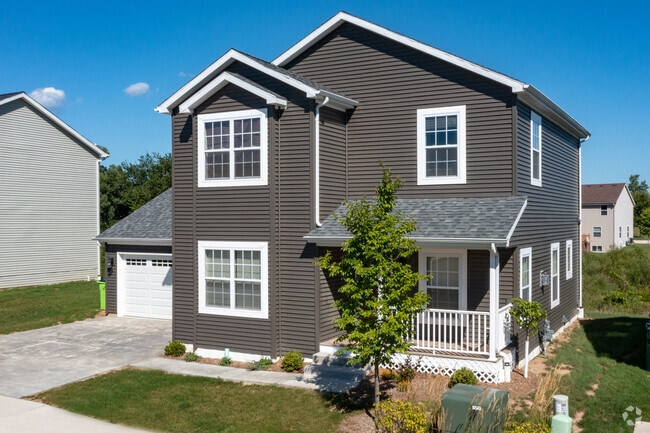
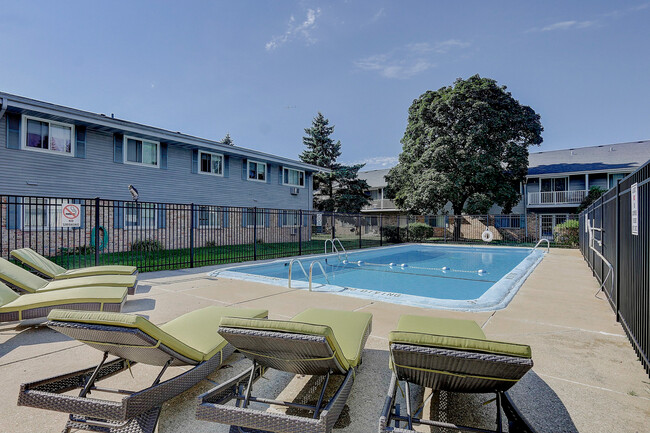
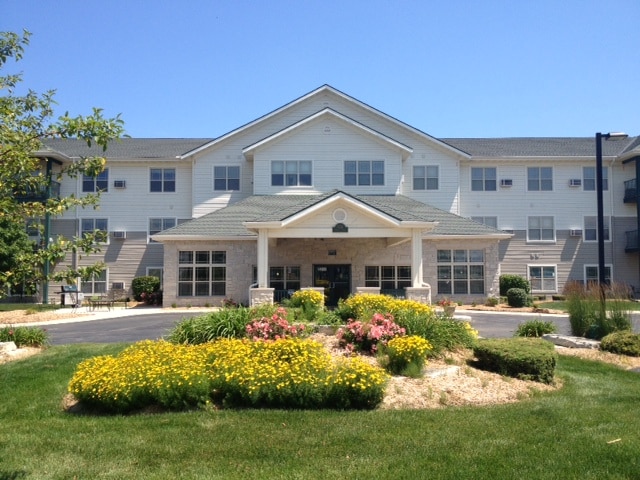
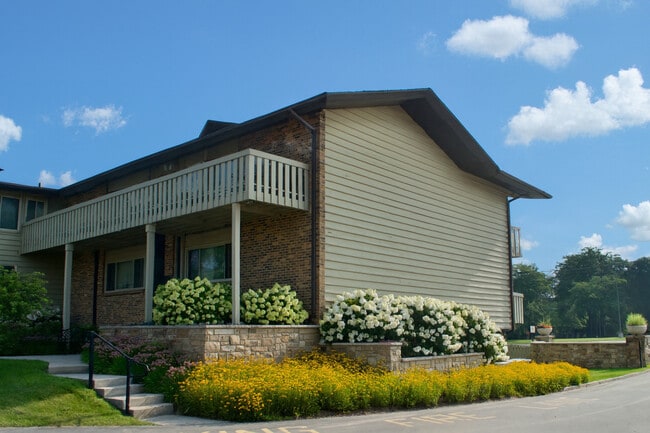
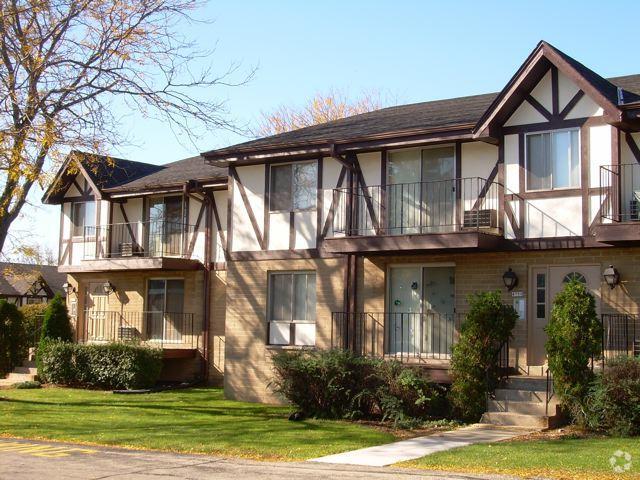
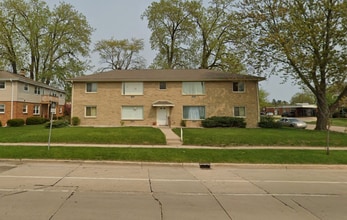
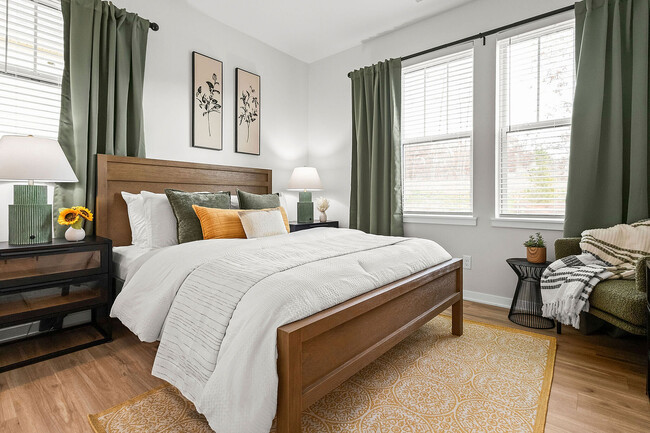
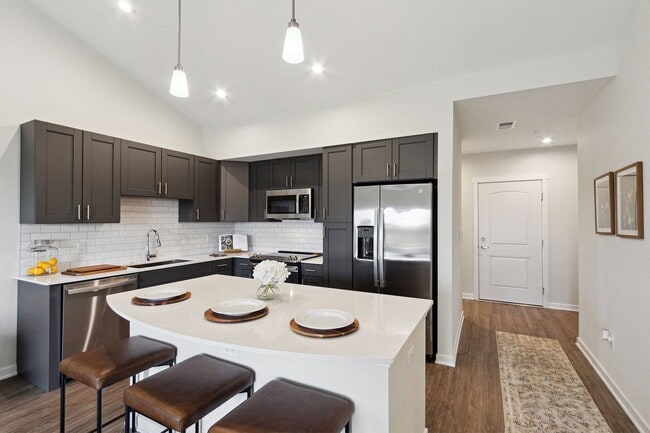
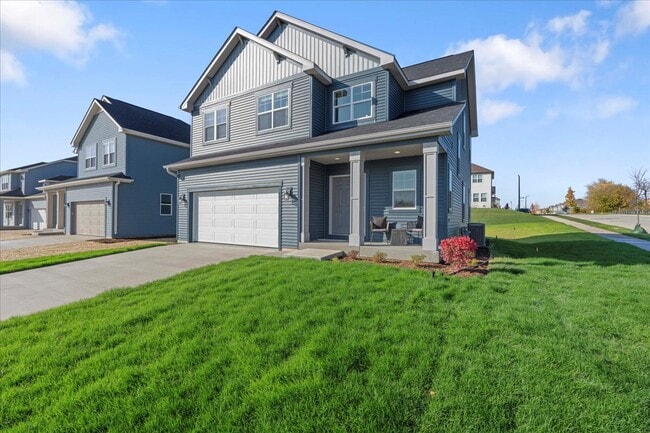
The housing landscape leans toward single-family homes and townhomes, with apartment communities offering rental options that range from modest, well-maintained units to more spacious floor plans suited to those who want room to spread out. Whether you're drawn by proximity to Lake Michigan, the ease of commuting to two cities, or simply the appeal of a grounded, well-established Wisconsin village, Caledonia offers a steady and comfortable place to call home.
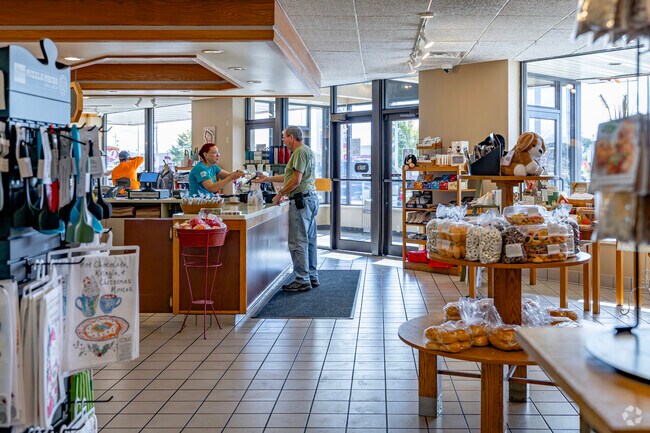
O&H Danish Bakery and Cafe draws Caledonia diners with its famous Wisconsin kringle pastry.
The nearby Root River is a popular fishing spot for Caledonia residents.
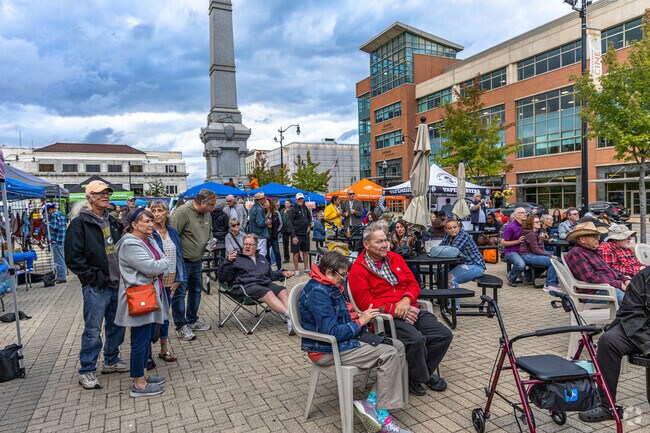
Head to nearby Downtown Racine for First Fridays.
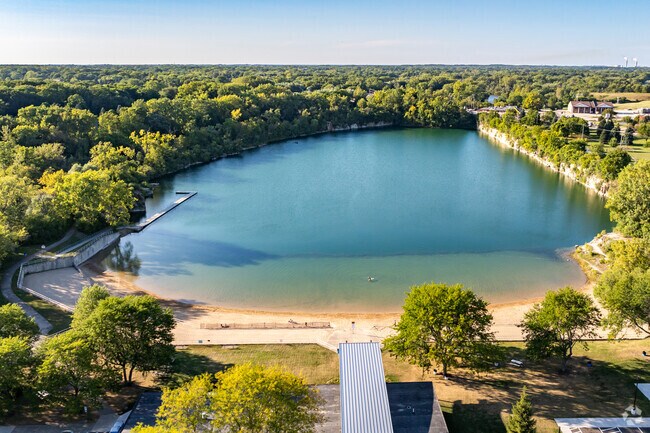
Relax and unwind at Quarry Lake Park.
Median Household Income
$88,667
Average: $106,178
Education
6,225
Residents Have a Degree
Job Market
12,539
Workers Employed
Median Age
45 Years
Largest Age Group
60-69 Years
Approximately 15% of Residents
Under 20
23%
Over 65
23%
Housing Distribution
Caledonia has more homeowners than renters.

Education Distribution
Review this city's overall education levels.

Explore how walkable, bikeable, drivable, and transit-friendly Caledonia, WI is for everyday living.
Not Walkable
Walkability
Exceptionally Drivable
Drivability
Somewhat Bikeable
Bikeability

Public
Grades PK-8
194 Students

Public
Grades PK-8
109 Students
Public
Grades PK-8
385 Students

Public
Grades PK-8
194 Students
Public
Grades PK-8
109 Students
Public
Grades PK-8
385 Students
 The GreatSchools Rating helps parents compare schools within a state based on a variety of school quality indicators and provides a helpful picture of how effectively each school serves all of its students. Ratings are on a scale of 1 (below average) to 10 (above average) and can include test scores, college readiness, academic progress, advanced courses, equity, discipline and attendance data. We also advise parents to visit schools, consider other information on school performance and programs, and consider family needs as part of the school selection process.
View GreatSchools Rating Methodology
Data provided by
GreatSchools.org
© 2026. All rights reserved.
The GreatSchools Rating helps parents compare schools within a state based on a variety of school quality indicators and provides a helpful picture of how effectively each school serves all of its students. Ratings are on a scale of 1 (below average) to 10 (above average) and can include test scores, college readiness, academic progress, advanced courses, equity, discipline and attendance data. We also advise parents to visit schools, consider other information on school performance and programs, and consider family needs as part of the school selection process.
View GreatSchools Rating Methodology
Data provided by
GreatSchools.org
© 2026. All rights reserved.
† Our analysis of utilities, groceries, transportation, healthcare, home prices, and other goods and services is sourced from the Cost of Living Index, a respected benchmark published by the Council for Community and Economic Research (C2ER) that provides a thorough overview of living expenses across different regions.
Rent data is provided by CoStar Group’s Market Trend reports. As the industry leader in commercial real estate information, analytics, and news, CoStar conducts extensive research to produce and maintain a comprehensive database of commercial real estate information. We combine this data with public record to provide the most up-to-date rental information available.
Consumer goods, services, and home prices are sourced from the Cost of Living Index published by the Council for Community and Economic Research (C2ER). The data on this page is updated quarterly. It was last published in September 2026.
Demographic information comes from Neustar and combines detailed address data with U.S. Census and American Community Survey statistics to produce reliable local estimates.