Background Image

Brigham City, UT Area Guide

Avg Rent

$1,036

Population

21,425

Renter Mix

32% Rent

Delight in outdoor recreation and small-town charm

Suburban Scenic Mountain Views

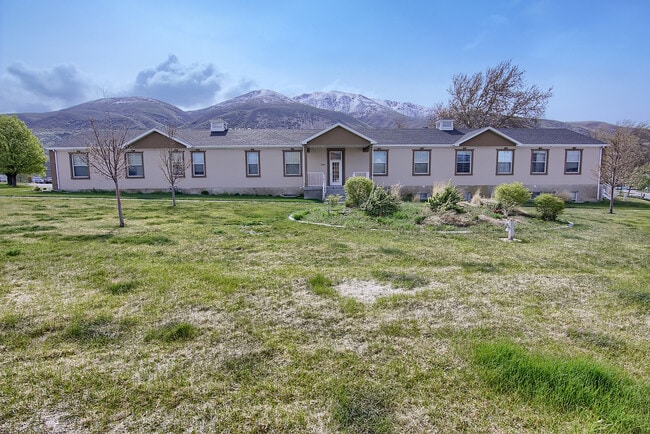
Brigham City sits at the foot of the Wellsville Mountains along Utah's Wasatch Front, about halfway between Ogden and Logan. The mountains rise sharply to the east, while the Great Salt Lake marshlands spread out to the west, giving the city a setting that feels genuinely open and scenic. Downtown is centered on Main Street, where a historic opalite glass archway installed in 1928 still greets visitors today. Utah State University's Brigham City regional campus brings a college presence to the community, and the annual Peach Days festival each fall draws visitors from across the region for parades, live music, and what is recognized as one of Utah's largest car shows.

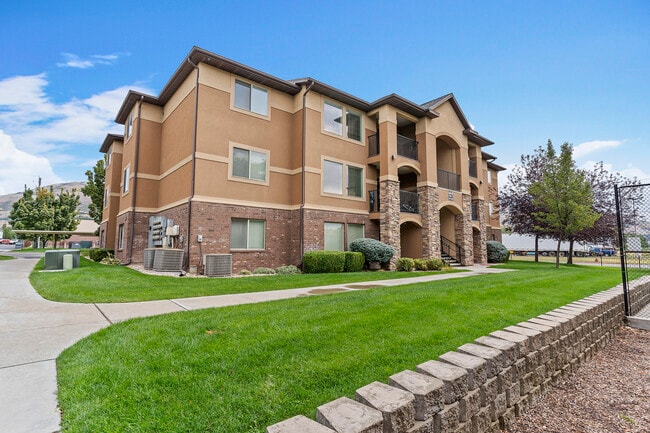
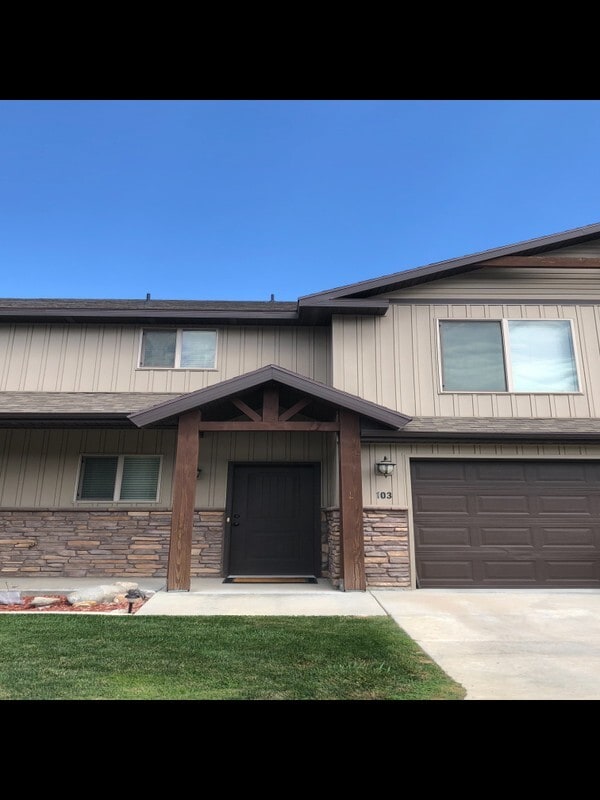
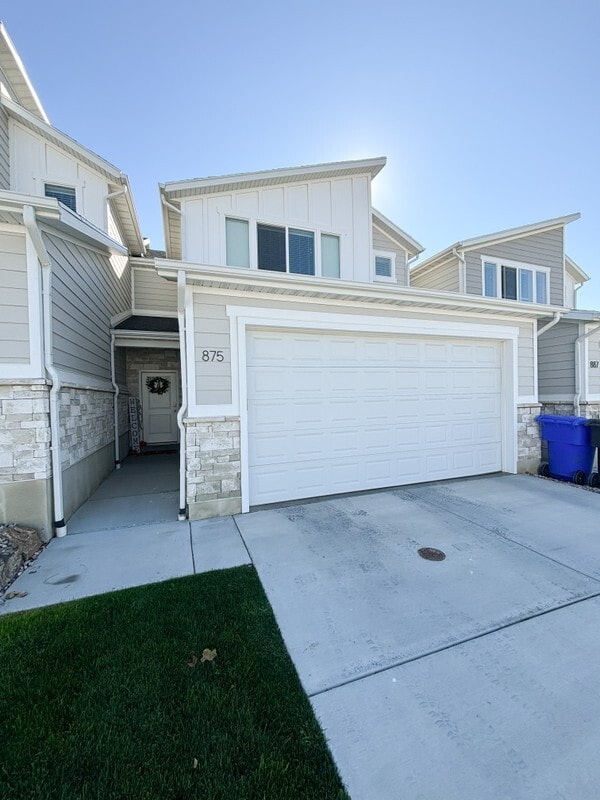
Day-to-day life here moves at a relaxed pace. Residents have easy access to 11 city parks, nearby trails along the Wellsville range, and quick drives to the Bear River Migratory Bird Refuge. A walkable commercial corridor along Main Street makes it easy to handle most errands on foot, and the broader retail area offers everyday conveniences. The dining and shopping scene is growing steadily, and Ogden's larger amenities are about 25 minutes south on I-15. The rental market in Brigham City leans toward single-family homes, townhomes, and garden-style apartment communities. Mid-rise options exist but are less common. The housing stock tends to reflect the city's small-town scale, offering a range of options at generally modest price points compared to larger Wasatch Front cities.

Demographics

Median Household Income

$62,859

Average: $75,273

Education

4,115

Residents Have a Degree

Job Market

10,101

Workers Employed

Age Distribution
Get a sense of this area's population profile.

Median Age

34 Years

Largest Age Group

10-19 Years

Approximately 16% of Residents

Under 20

30%

Over 65

16%

Housing Distribution

Brigham City has more homeowners than renters.

Renters
32%
Non-Renters
68%

Education Distribution

Review this city's overall education levels.

Bachelor's or Higher
16%
Other Education
84%

Rent Trends

As of August 2026, the average apartment rent in Brigham City, UT is $767 for a studio, $1,036 for one bedroom, $1,144 for two bedrooms, and $1,313 for three bedrooms. Apartment rent in Brigham City has increased by 2.6% in the past year.

Property Type
Average Rent
Average Sq Ft
Apartment
$1,036/month
770 Sq Ft
See Rental Market Trends in Brigham City, UT

Learn More About Brigham City

Getting Around

Somewhat Walkable

Walkability

20 / 100

Exceptionally Drivable

Drivability

100 / 100

Fairly Bikeable

Bikeability

40 / 100

Schools

Lake View School

Public

Grades K-5

609 Students

Discovery School

Public

Grades K-5

448 Students

Golden Spike Elementary

Public

Grades PK-5

838 Students

Foothill School

Public

Grades K-5

443 Students

Mountain View School

Public

Grades K-5

295 Students

Box Elder Middle School

Public

Grades 6-8

1,153 Students

Adele C. Young Intermediate School

Public

Grades 6-8

1,003 Students

Box Elder Middle

Public

Grades 6-8

1,153 Students

Lincoln Center

Public

Grades 7-12

18 Students

Box Elder High School

Public

Grades 9-12

1,641 Students

Lincoln Center

Public

Grades 7-12

18 Students

Points of Interest

Parks and Recreation

  • Bear River Migratory Bird Refuge
  • Willard Bay State Park
  • Treehouse Museum

Top Apartments in Brigham City

Houses for Rent in Brigham City

Living in Brigham City

History

-

Brigham City has 29 sites on or near the National Register of Historic Places, a count that hints at just how much history is still visible around town. The Box Elder Stake Tabernacle anchors downtown with its striking 19th-century architecture and remains an active landmark. The Brigham City Museum-Gallery, located on the site of a public square where one of the most prominent early Utah leaders gave his final public address in 1877, holds collections covering the area's art and history. Walking along Main Street, you can still spot the original 1928 archway sign crafted from opalite glass, financed entirely by community donations. The city's architectural record stretches back to the cooperative movement of the 1860s and 1870s, when residents built an ambitious network of local industries that became one of the most successful community economic ventures in the region. Some of those 19th-century commercial and industrial structures remain standing today, and the Brigham City Museum-Gallery offers self-guided historic tour materials for those who want to explore them on foot. The nearby Golden Spike National Historical Park, about 30 minutes west, marks where the First Transcontinental Railroad was completed in 1869 and is a federally managed park with living history demonstrations.

Restaurants

-

Brigham City's dining scene is small but practical, with options spread along Main Street and the surrounding commercial corridors. You'll find American comfort food, casual Mexican fare featuring dishes like tacos, burritos, and enchiladas, and standard fast-casual chains serving burgers and sandwiches. A handful of locally owned diners and cafes handle breakfast and lunch well, and pizza shops are well-represented throughout the city. The area's agricultural roots show up in late summer and early fall, when local peach and produce stands pop up along roadsides, making it easy to pick up fresh fruit straight from Box Elder County orchards. The Peach Days festival every September is built around the harvest season and draws food vendors from around the region.

Transportation

-

Getting around Brigham City means relying mostly on a personal vehicle. Interstate 15 and Interstate 84 run together just west of the city, providing straightforward access to Ogden to the south and Idaho to the north. U.S. Route 89 and U.S. Route 91 intersect in town and head east through Box Elder Canyon, connecting to Cache Valley and Logan. For those commuting into the Ogden area, the drive typically runs about 25 to 30 minutes under normal conditions. Public transportation options are limited but available. Utah Transit Authority operates bus routes connecting Brigham City to Ogden, where riders can access the FrontRunner commuter rail line heading south toward Salt Lake City. Greyhound also serves the city with an intercity bus stop. For local travel, most errands require a car, though Main Street and the downtown core are compact enough for walking.

Parks

-

Brigham City maintains 11 city parks spread across the community, offering everything from sports fields and playgrounds to picnic shelters and open lawn space. Forest Street Park and Bicentennial Park are among the more active spots, with courts, fields, and room for community gatherings. The city's position along the Wellsville Mountains gives residents direct access to hiking trails that climb into the Wasatch Range, with some of the more rugged terrain in the range accessible from the east side of town. Just a couple of miles west of the city, the Bear River Migratory Bird Refuge draws birding enthusiasts from across the country. The refuge sits at the mouth of the Bear River where it empties into the Great Salt Lake, and its wetlands support hundreds of bird species throughout the year. Willard Bay State Park, located a short drive south, offers boating, fishing, and camping on a freshwater reservoir. The Golden Spike National Historical Park to the northwest provides open desert landscape, interpretive trails, and seasonal locomotive demonstrations.

Cost

-

Average rent in Brigham City runs around $533 per month for a one-bedroom unit and approximately $827 for a two-bedroom, which is noticeably below the Utah state average of roughly $1,007 for a one-bedroom. The city's economy draws on manufacturing and aerospace-related industries, with Northrop Grumman's facility nearby serving as a significant employer in the area. Autoliv and Nucor Corporation also have operations in and near the city. Utah State University's regional campus adds an education sector to the local job base. Brigham City's cost of living generally reflects its small-city character and its position outside the more expensive Wasatch Front metro markets like Salt Lake City and Provo.

Shopping

-

Shopping in Brigham City is centered along the Main Street corridor and the commercial strips on the south end of town near the I-15 interchange. The Main Street area mixes local businesses with service-oriented retail, and the historic downtown still draws foot traffic, particularly during festivals and community events. The south end of the city has more conventional retail, including grocery stores, hardware, and national chains that handle most day-to-day shopping needs. For a broader retail experience, Ogden is about 25 minutes south and offers significantly more options including larger shopping centers, specialty stores, and full-service malls. A seasonal farmers market brings local produce, baked goods, and artisan goods to the community during the warmer months, reinforcing the area's agricultural identity.

Highlights

-

Brigham City pairs striking mountain scenery with one of Utah's most celebrated harvest festivals and sits just minutes from the Bear River Migratory Bird Refuge, a nationally recognized wildlife destination, all while offering some of the most affordable rents on the Wasatch Front.

Search Nearby Rentals

Methodology

† Our analysis of utilities, groceries, transportation, healthcare, home prices, and other goods and services is sourced from the Cost of Living Index, a respected benchmark published by the Council for Community and Economic Research (C2ER) that provides a thorough overview of living expenses across different regions.

Rent data is provided by CoStar Group’s Market Trend reports. As the industry leader in commercial real estate information, analytics, and news, CoStar conducts extensive research to produce and maintain a comprehensive database of commercial real estate information. We combine this data with public record to provide the most up-to-date rental information available.

Consumer goods, services, and home prices are sourced from the Cost of Living Index published by the Council for Community and Economic Research (C2ER). The data on this page is updated quarterly. It was last published in June 2026.

Demographic information comes from Neustar and combines detailed address data with U.S. Census and American Community Survey statistics to produce reliable local estimates.