Median Age
28 Years
Largest Age Group
20-29 Years
Approximately 32% of Residents
Under 20
25%
Over 65
12%

Avg Rent
$762
Population
8,481
Renter Mix
63% Rent
Big Rapids, Michigan, sits along the Muskegon River in the heart of Mecosta County, giving the city a grounded, small-town feel that's shaped by both its waterways and its academic core. Ferris State University is the city's defining anchor, drawing students, faculty, and staff from across the state and injecting a steady pulse of activity into the local economy. That university presence also means the city supports a wider variety of businesses, services, and community events than its modest size might suggest.
Neighborhoods range from quiet residential streets lined with mature trees to areas closer to campus where rental demand stays consistently strong. Downtown Big Rapids has its own personality, with locally owned shops and eateries settled into historic storefronts along the main corridor. The pace here is unhurried without feeling sleepy.
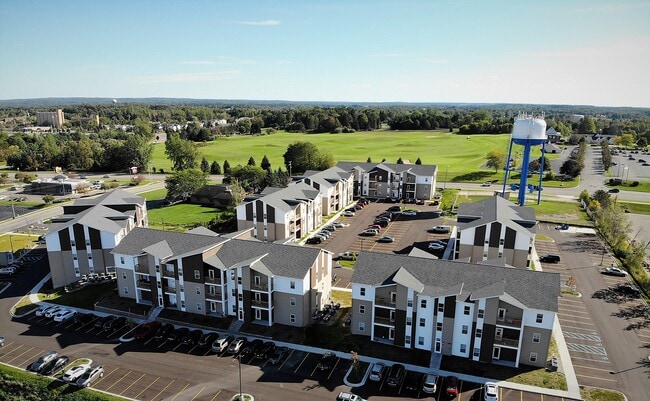
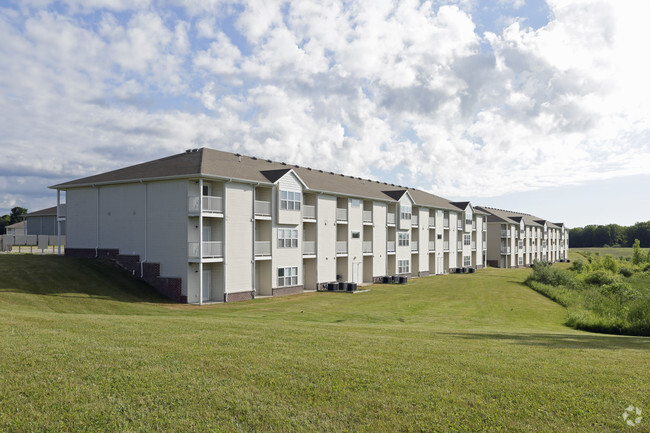
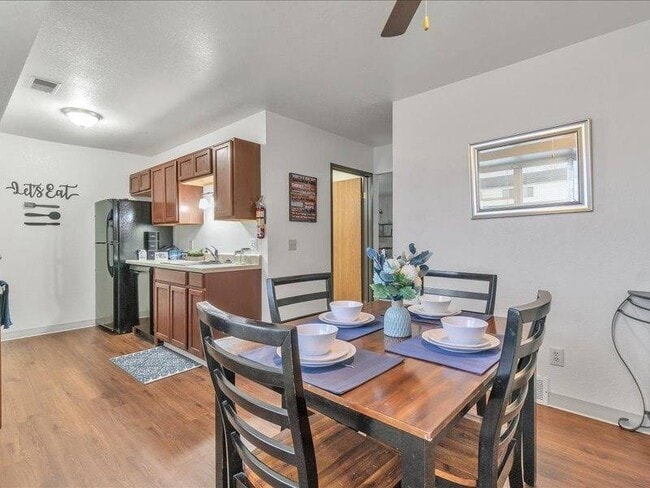
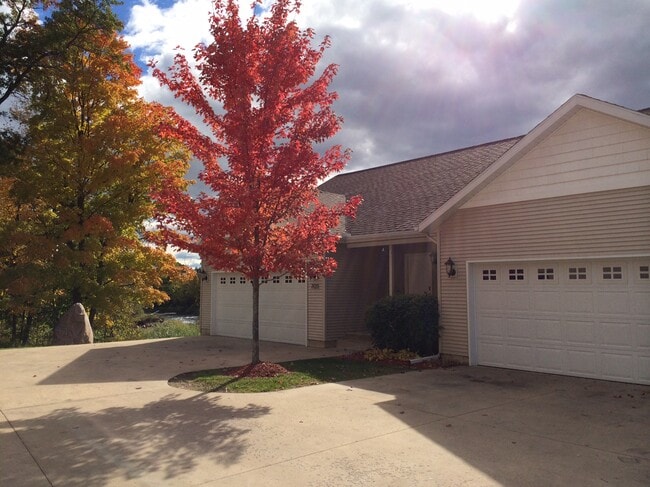
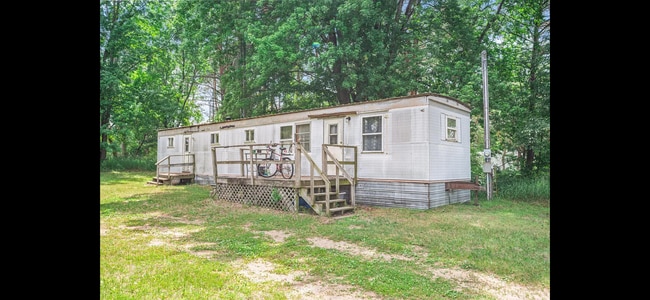
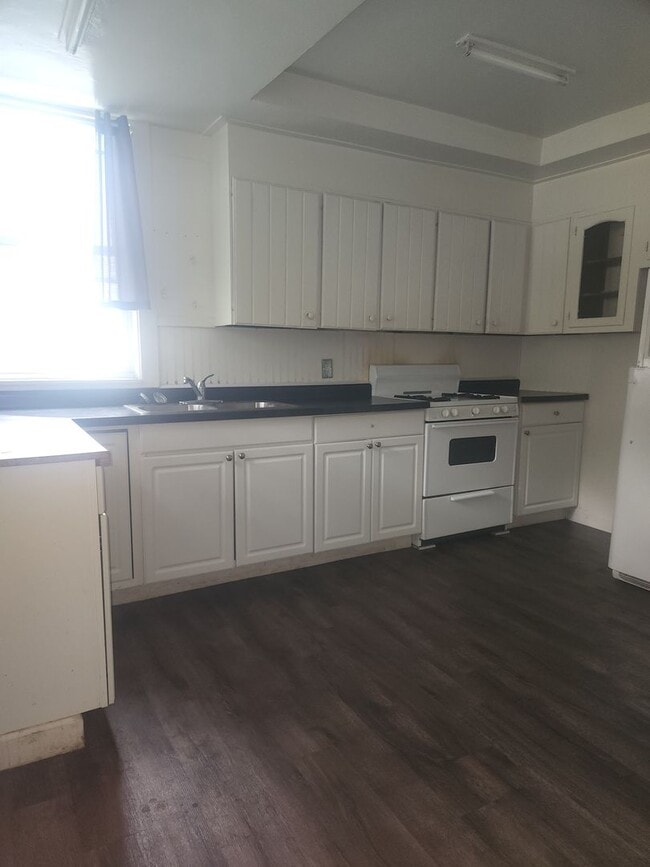
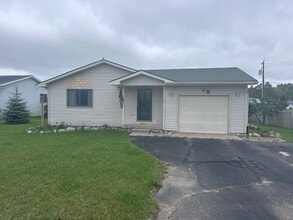
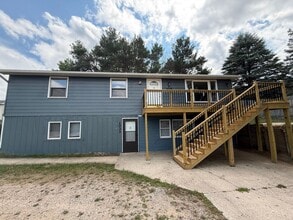
The rental market reflects the city's character. Apartment communities tend toward two- and three-story buildings, with a solid mix of renovated older homes converted into multi-unit rentals and purpose-built complexes designed with students and long-term residents in mind. Townhomes and standalone rental homes are also available throughout the city. Ferris State's College of Pharmacy and its broad range of professional programs have helped Big Rapids maintain steady enrollment, which keeps housing demand consistent year-round.
Median Household Income
$29,910
Average: $50,150
Education
2,833
Residents Have a Degree
Job Market
3,954
Workers Employed
Median Age
28 Years
Largest Age Group
20-29 Years
Approximately 32% of Residents
Under 20
25%
Over 65
12%
Housing Distribution
Big Rapids has more renters than homeowners.

Education Distribution
Review this city's overall education levels.

As of September 2026, the average apartment rent in Big Rapids, MI is $762 for one bedroom, and $928 for two bedrooms. Apartment rent in Big Rapids has increased by 1.4% in the past year.
Explore how walkable, bikeable, drivable, and transit-friendly Big Rapids, MI is for everyday living.
Fairly Walkable
Walkability
Very Drivable
Drivability
Fairly Bikeable
Bikeability

Public
Grades K-5
362 Students

Public
Grades PK-5
347 Students

Public
Grades K-8
684 Students

Crossroads Charter Academy (7-12)
Public
Grades K-12
191 Students
Crossroads Charter Academy (Pk-6)
Public
Grades K-5
103 Students

Public
Grades K-8
684 Students
Crossroads Charter Academy (7-12)
Public
Grades K-12
191 Students
Public
Grades K-12
90 Students
Mecosta-Osceola Education Center
Public
Grades PK-12
139 Students

Public
Grades 9-12
729 Students

Crossroads Charter Academy (7-12)
Public
Grades K-12
191 Students
Public
Grades K-12
90 Students
Mecosta-Osceola Education Center
Public
Grades PK-12
139 Students
 The GreatSchools Rating helps parents compare schools within a state based on a variety of school quality indicators and provides a helpful picture of how effectively each school serves all of its students. Ratings are on a scale of 1 (below average) to 10 (above average) and can include test scores, college readiness, academic progress, advanced courses, equity, discipline and attendance data. We also advise parents to visit schools, consider other information on school performance and programs, and consider family needs as part of the school selection process.
View GreatSchools Rating Methodology
Data provided by
GreatSchools.org
© 2026. All rights reserved.
The GreatSchools Rating helps parents compare schools within a state based on a variety of school quality indicators and provides a helpful picture of how effectively each school serves all of its students. Ratings are on a scale of 1 (below average) to 10 (above average) and can include test scores, college readiness, academic progress, advanced courses, equity, discipline and attendance data. We also advise parents to visit schools, consider other information on school performance and programs, and consider family needs as part of the school selection process.
View GreatSchools Rating Methodology
Data provided by
GreatSchools.org
© 2026. All rights reserved.
† Our analysis of utilities, groceries, transportation, healthcare, home prices, and other goods and services is sourced from the Cost of Living Index, a respected benchmark published by the Council for Community and Economic Research (C2ER) that provides a thorough overview of living expenses across different regions.
Rent data is provided by CoStar Group’s Market Trend reports. As the industry leader in commercial real estate information, analytics, and news, CoStar conducts extensive research to produce and maintain a comprehensive database of commercial real estate information. We combine this data with public record to provide the most up-to-date rental information available.
Consumer goods, services, and home prices are sourced from the Cost of Living Index published by the Council for Community and Economic Research (C2ER). The data on this page is updated quarterly. It was last published in September 2026.
Demographic information comes from Neustar and combines detailed address data with U.S. Census and American Community Survey statistics to produce reliable local estimates.