Median Age
54 Years
Largest Age Group
60-69 Years
Approximately 19% of Residents
Under 20
16%
Over 65
31%

Big Pine Key is the largest unspoiled island in the Lower Florida Keys, where endangered Key deer wander canal-side yards and the pace of life slows to match the tidal rhythm. Daily errands are straightforward thanks to one of the few full-service grocery stores in the Lower Keys, and the Overseas Highway puts Marathon about 20 miles to the north and Key West roughly 30 miles to the south.
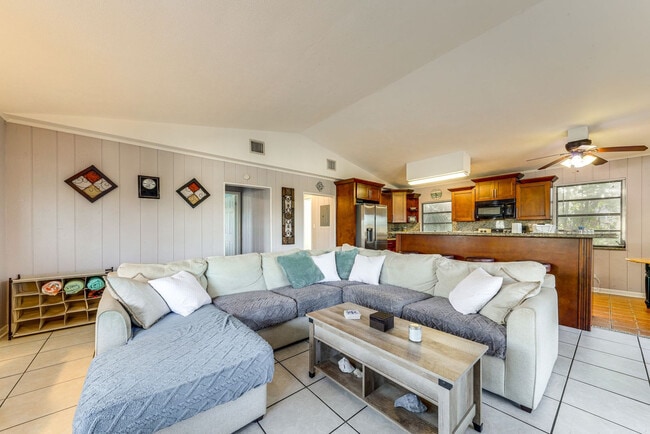
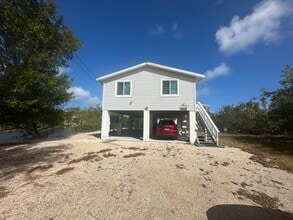
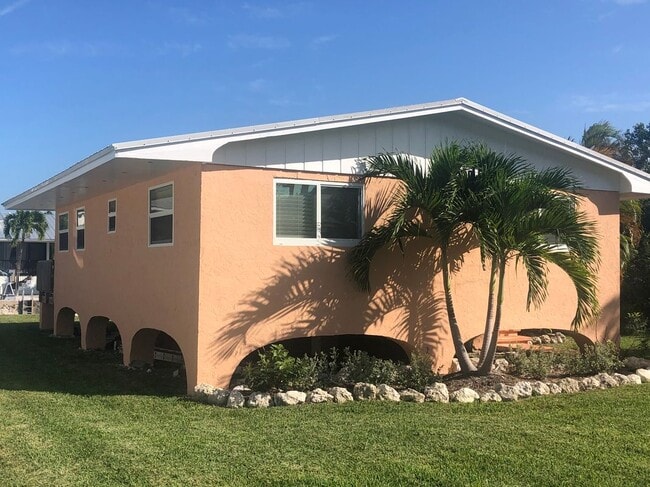
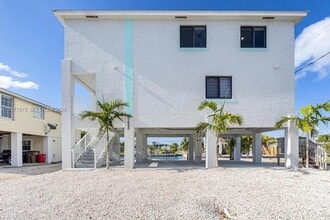
Residential streets are lined with stilt homes, concrete bungalows, and classic Keys cottages that give the whole place a low-key, weathered-in-a-good-way character. The rental market skews toward single-family cottages, canal-front stilt houses, and smaller apartment units rather than high-rises or sprawling communities. Elevated construction, metal roofs, and open-air porches reflect the tropical vernacular of the Keys, built to handle both the heat and hurricane season.
An unincorporated community within Monroe County, the island is anchored by the National Key Deer Refuge, established specifically to protect the resident deer population. Every July, Looe Key Reef hosts the Lower Keys Underwater Music Festival, where divers descend to a submerged radio broadcast to promote reef conservation, one of the most inventive environmental events in South Florida.
Median Household Income
$68,496
Average: $91,040
Education
1,396
Residents Have a Degree
Job Market
2,102
Workers Employed
Median Age
54 Years
Largest Age Group
60-69 Years
Approximately 19% of Residents
Under 20
16%
Over 65
31%
Housing Distribution
Big Pine Key has more homeowners than renters.

Education Distribution
Review this city's overall education levels.

Explore how walkable, bikeable, drivable, and transit-friendly Big Pine Key, FL is for everyday living.
Somewhat Walkable
Walkability
Exceptionally Drivable
Drivability
Very Bikeable
Bikeability

Public
Grades PK-5
101 Students

 The GreatSchools Rating helps parents compare schools within a state based on a variety of school quality indicators and provides a helpful picture of how effectively each school serves all of its students. Ratings are on a scale of 1 (below average) to 10 (above average) and can include test scores, college readiness, academic progress, advanced courses, equity, discipline and attendance data. We also advise parents to visit schools, consider other information on school performance and programs, and consider family needs as part of the school selection process.
View GreatSchools Rating Methodology
Data provided by
GreatSchools.org
© 2026. All rights reserved.
The GreatSchools Rating helps parents compare schools within a state based on a variety of school quality indicators and provides a helpful picture of how effectively each school serves all of its students. Ratings are on a scale of 1 (below average) to 10 (above average) and can include test scores, college readiness, academic progress, advanced courses, equity, discipline and attendance data. We also advise parents to visit schools, consider other information on school performance and programs, and consider family needs as part of the school selection process.
View GreatSchools Rating Methodology
Data provided by
GreatSchools.org
© 2026. All rights reserved.
† Our analysis of utilities, groceries, transportation, healthcare, home prices, and other goods and services is sourced from the Cost of Living Index, a respected benchmark published by the Council for Community and Economic Research (C2ER) that provides a thorough overview of living expenses across different regions.
Rent data is provided by CoStar Group’s Market Trend reports. As the industry leader in commercial real estate information, analytics, and news, CoStar conducts extensive research to produce and maintain a comprehensive database of commercial real estate information. We combine this data with public record to provide the most up-to-date rental information available.
Consumer goods, services, and home prices are sourced from the Cost of Living Index published by the Council for Community and Economic Research (C2ER). The data on this page is updated quarterly. It was last published in September 2026.
Demographic information comes from Neustar and combines detailed address data with U.S. Census and American Community Survey statistics to produce reliable local estimates.