Median Age
43 Years
Largest Age Group
55-64 Years
Approximately 14% of Residents
Under 20
24%
Over 65
20%


Avg Rent
$1,276
Population
26,891
Renter Mix
23% Rent
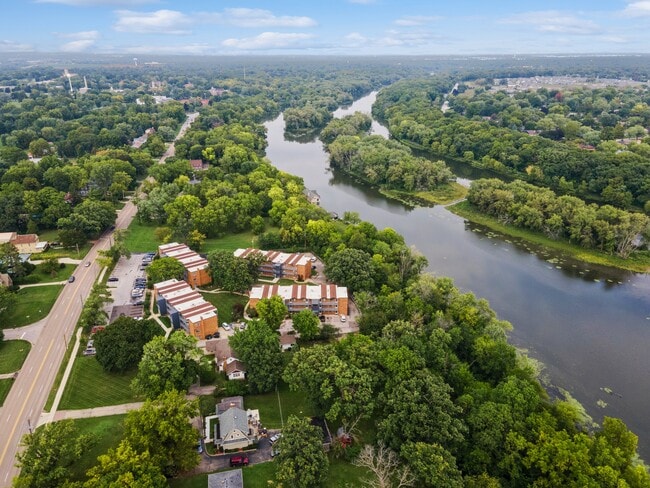
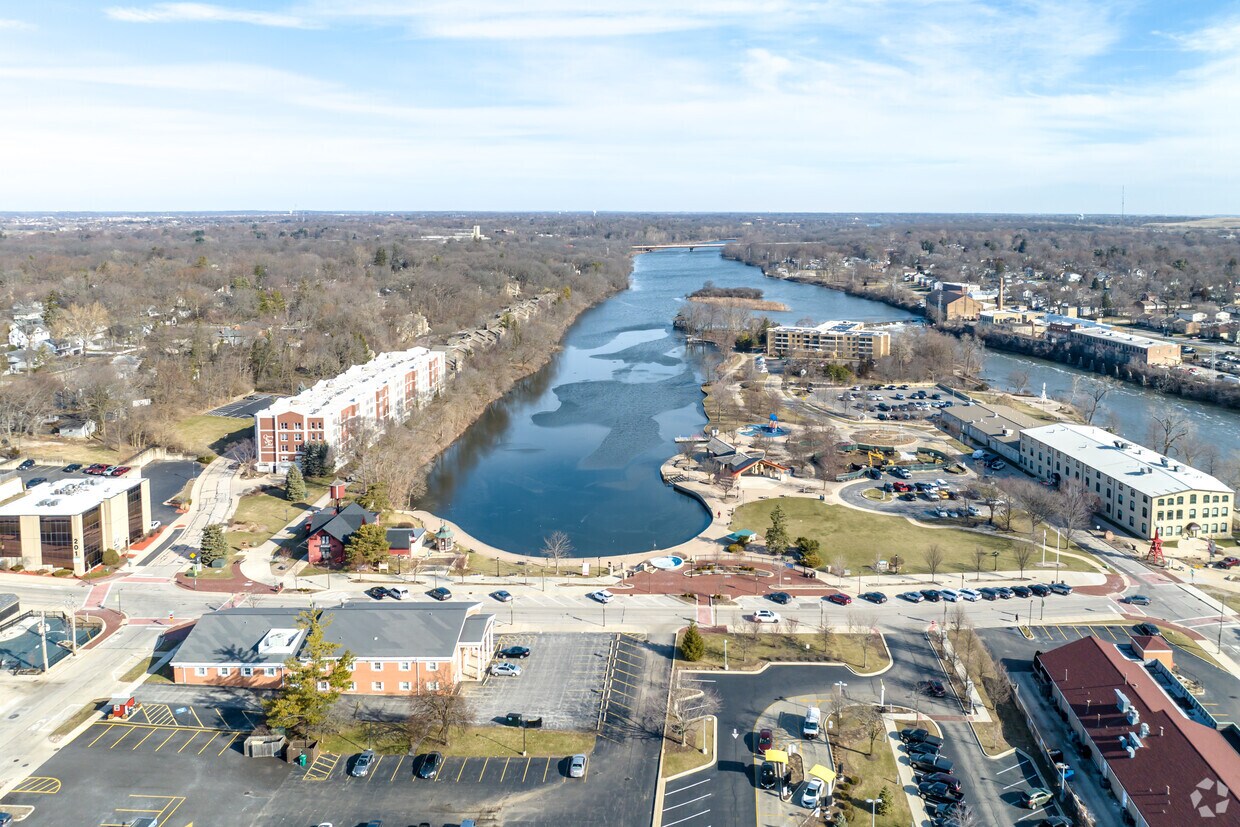
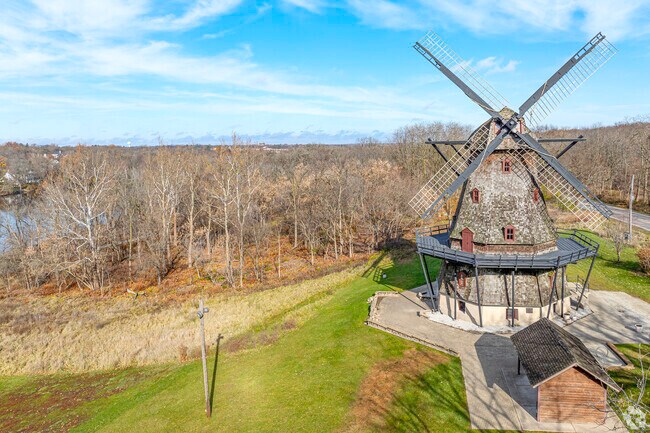
Where windmills once powered an industry and particle physics now pushes the boundaries of science, Batavia stands as one of the Fox River's most distinctive communities. Known as "The Windmill City," this Kane County city of roughly 26,000 sits about 40 miles west of Chicago and balances small-town calm with easy access to both city amenities and open countryside. Daily life here revolves around a walkable, historic downtown filled with local shops, restaurants, and riverfront scenery, with popular neighborhoods spread across both sides of the Fox River.
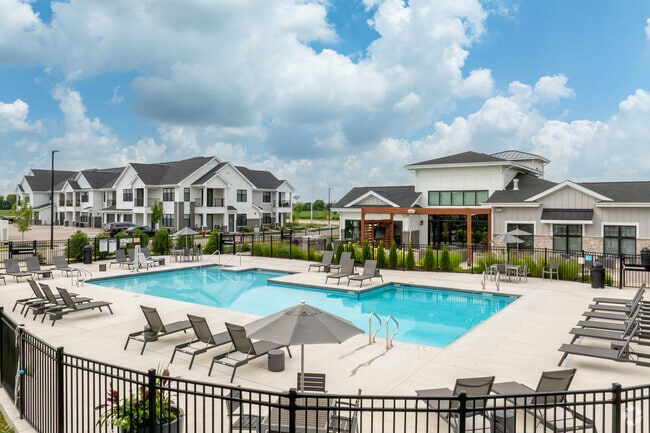
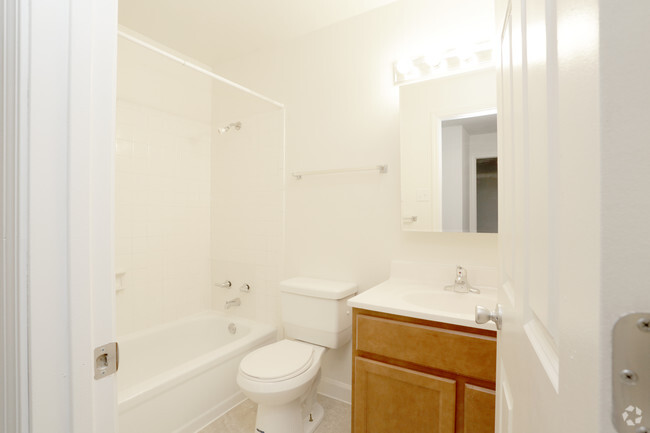
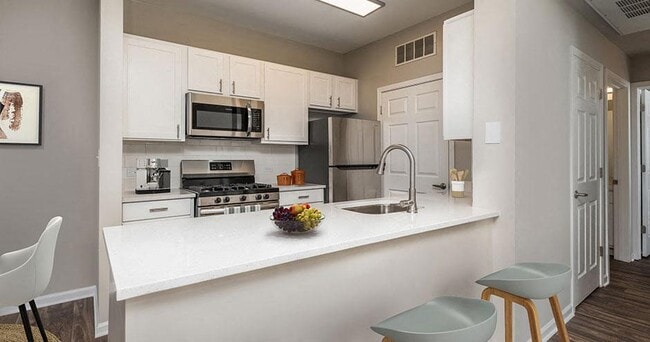
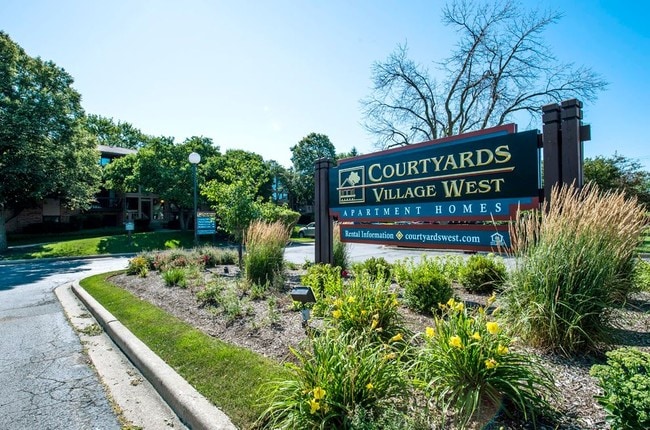
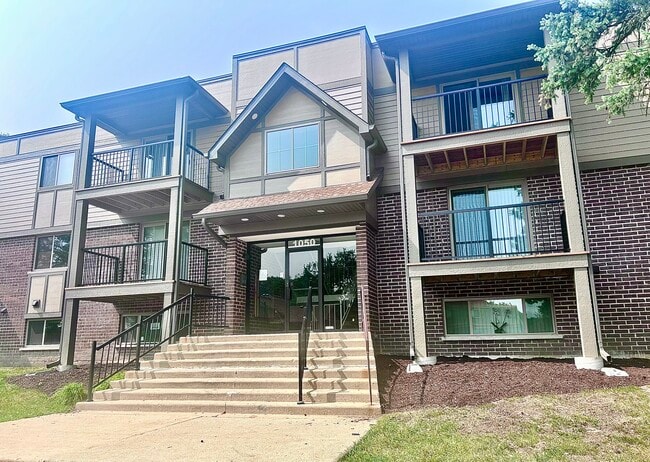
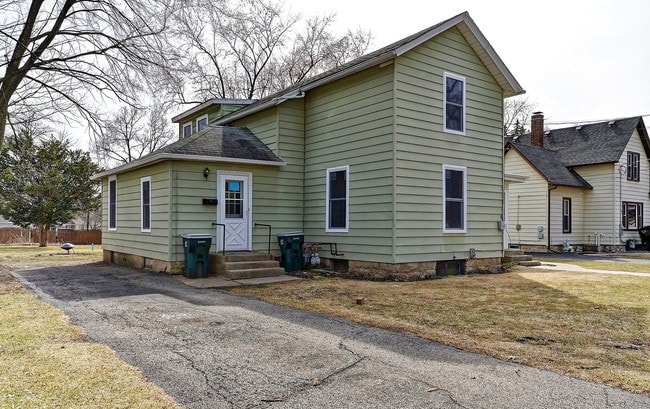
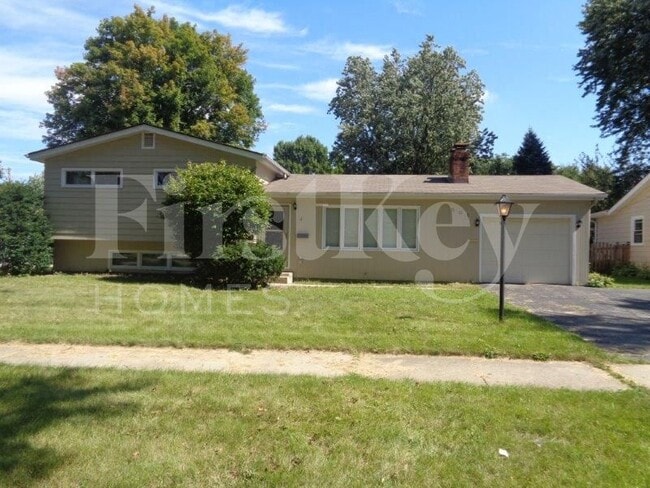
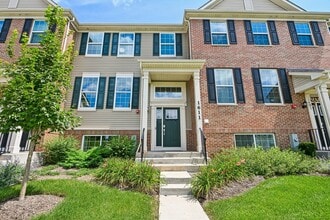
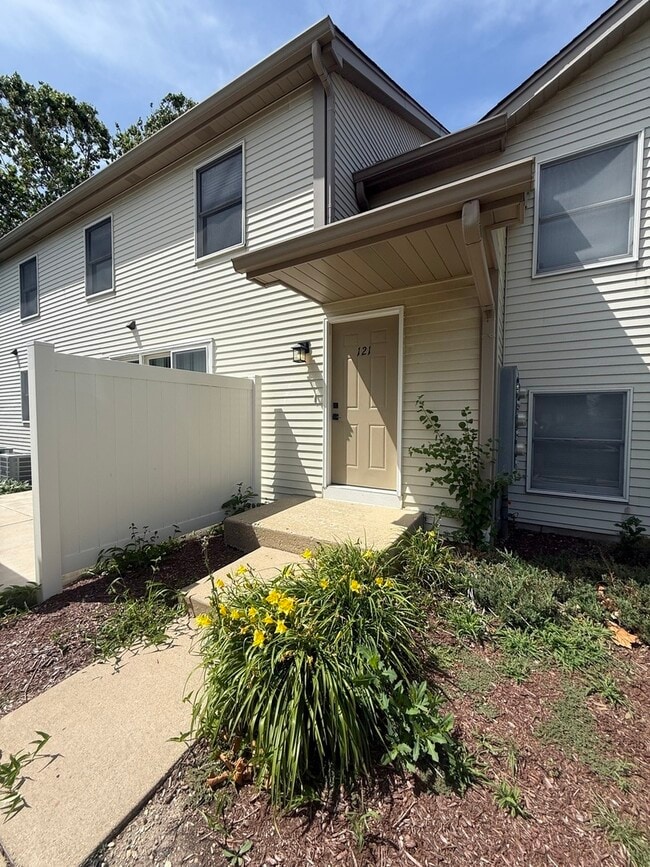
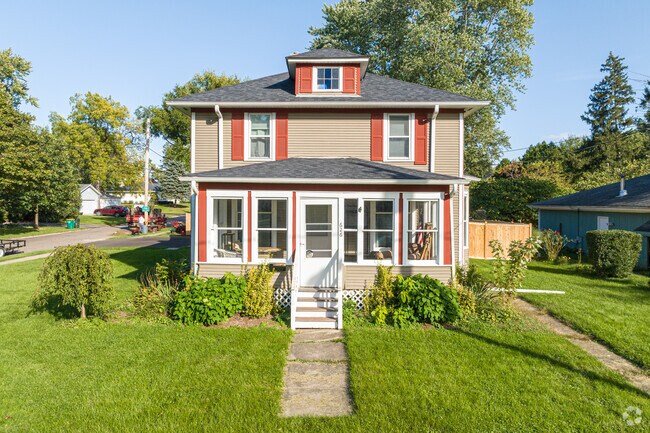
Renters will find a range of housing options, from charming townhomes and ranch-style units in well-established subdivisions to apartments in and around the downtown core. Historic architecture near the river includes century-old American Foursquare-style buildings alongside newer construction in areas like Northeast and Southwest Batavia.
Fermi National Accelerator Laboratory, one of the world's premier particle physics research facilities, anchors Batavia's economy alongside the U.S. headquarters of Aldi. The Windmill City Festival, held annually since 1956, draws residents together each year for concerts, carnival rides, and a sidewalk chalk competition that gives the event a distinctly local character.
Enjoy the sacred solitude at the Japanese Garden in Fabyan Preserve in Northeast Batavia.
Fox River offers great fishing experiences in the Batavia Historic District.
The historic windmill in Fabyan Park offers tours during the summer in Batavia.
Shops along Wilson St will have something for everyone living in the Batavia Historic District.
Enjoy the serenity on a bike ride in Northeast Batavia.
Vendors at the Artisan Collective Market in Batavia offer a variety of handmade goods.
Median Household Income
$117,187
Average: $138,667
Education
11,420
Residents Have a Degree
Job Market
15,023
Workers Employed
Median Age
43 Years
Largest Age Group
55-64 Years
Approximately 14% of Residents
Under 20
24%
Over 65
20%
Housing Distribution
Batavia has more homeowners than renters.

Education Distribution
Review this city's overall education levels.

As of September 2026, the average apartment rent in Batavia, IL is $1,276 for one bedroom, $1,490 for two bedrooms, and $2,217 for three bedrooms. Apartment rent in Batavia has increased by 7.5% in the past year.
Explore how walkable, bikeable, drivable, and transit-friendly Batavia, IL is for everyday living.
Fairly Walkable
Walkability
Limited Public Transit
Transit
Very Drivable
Drivability
Very Bikeable
Bikeability

Grace Mcwayne Elementary School
Public
Grades K-5
373 Students

Louise White Elementary School
Public
Grades PK-5
391 Students

Public
Grades K-5
370 Students
Public
Grades K-5
348 Students
Public
Grades K-5
428 Students

Public
Grades 6-8
1,069 Students
Public
Grades 6-8

Public
Grades 9-12
1,633 Students
Positive Achievements With Supports (PAWS)
Public
Grades 9-12
 The GreatSchools Rating helps parents compare schools within a state based on a variety of school quality indicators and provides a helpful picture of how effectively each school serves all of its students. Ratings are on a scale of 1 (below average) to 10 (above average) and can include test scores, college readiness, academic progress, advanced courses, equity, discipline and attendance data. We also advise parents to visit schools, consider other information on school performance and programs, and consider family needs as part of the school selection process.
View GreatSchools Rating Methodology
Data provided by
GreatSchools.org
© 2026. All rights reserved.
The GreatSchools Rating helps parents compare schools within a state based on a variety of school quality indicators and provides a helpful picture of how effectively each school serves all of its students. Ratings are on a scale of 1 (below average) to 10 (above average) and can include test scores, college readiness, academic progress, advanced courses, equity, discipline and attendance data. We also advise parents to visit schools, consider other information on school performance and programs, and consider family needs as part of the school selection process.
View GreatSchools Rating Methodology
Data provided by
GreatSchools.org
© 2026. All rights reserved.
† Our analysis of utilities, groceries, transportation, healthcare, home prices, and other goods and services is sourced from the Cost of Living Index, a respected benchmark published by the Council for Community and Economic Research (C2ER) that provides a thorough overview of living expenses across different regions.
Rent data is provided by CoStar Group’s Market Trend reports. As the industry leader in commercial real estate information, analytics, and news, CoStar conducts extensive research to produce and maintain a comprehensive database of commercial real estate information. We combine this data with public record to provide the most up-to-date rental information available.
Consumer goods, services, and home prices are sourced from the Cost of Living Index published by the Council for Community and Economic Research (C2ER). The data on this page is updated quarterly. It was last published in September 2026.
Demographic information comes from Neustar and combines detailed address data with U.S. Census and American Community Survey statistics to produce reliable local estimates.