Background Image

Austin, MN Area Guide

Avg Rent

$1,276

Population

27,037

Renter Mix

32% Rent

A picturesque community alive with Midwestern charm

Historic Rural Affordable

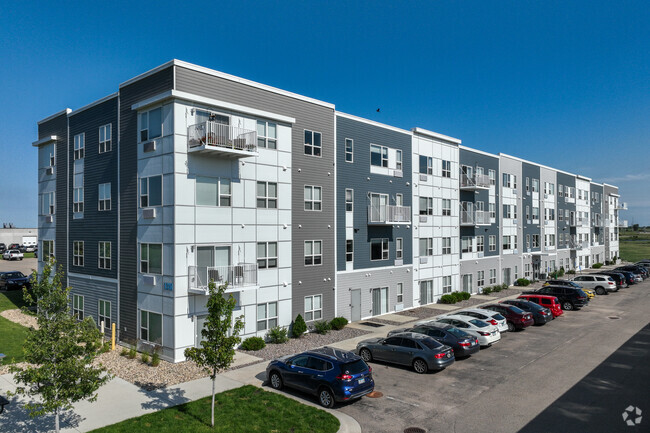
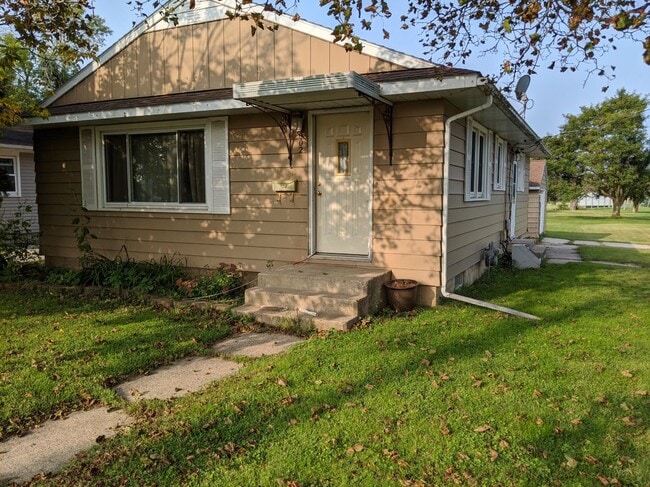
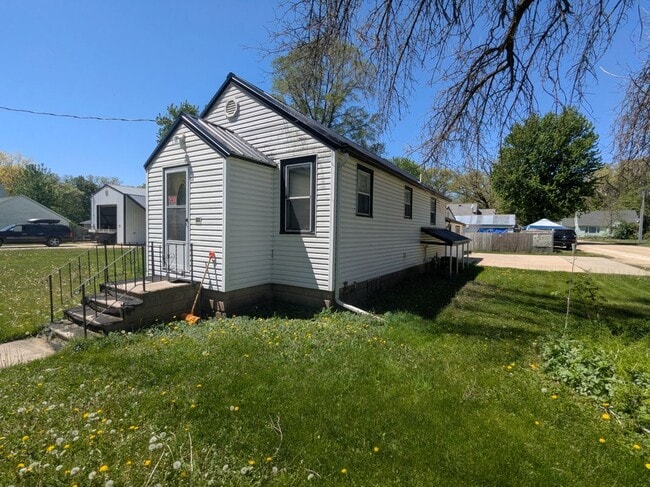
Austin, Minnesota sits along the Cedar River in the rolling agricultural landscape of southeastern Minnesota, about 100 miles south of Minneapolis and 41 miles southwest of Rochester. The city serves as the county seat of Mower County and is home to roughly 26,000 residents. Daily life here moves at a comfortable pace, with easy access to downtown shops, restaurants, and a well-developed park system. The Cedar River and two artificial lakes, East Side Lake and Mill Pond, give Austin a pleasant waterfront character that residents enjoy year-round. Austin's downtown is anchored by the Spam Museum, a free attraction tied to Hormel Foods, the city's largest employer and the company that puts Austin on the map for food history enthusiasts. Riverland Community College keeps an active presence in the city, and the annual Austin ArtWorks Festival celebrates visual, performing, and literary arts each summer. Renters will find a mix of garden apartments, single-family rental homes, and a handful of mid-rise apartment communities spread across the city's four quadrants.

Demographics

Median Household Income

$56,658

Average: $73,019

Education

5,144

Residents Have a Degree

Job Market

13,220

Workers Employed

Age Distribution
Get a sense of this area's population profile.

Median Age

37 Years

Largest Age Group

10-19 Years

Approximately 15% of Residents

Under 20

28%

Over 65

18%
Housing Distribution

Austin has more homeowners than renters.

Renters
32%
Non-Renters
68%

Education Distribution

Review this city's overall education levels.

Bachelor's or Higher
16%
Other Education
84%

Rent Trends

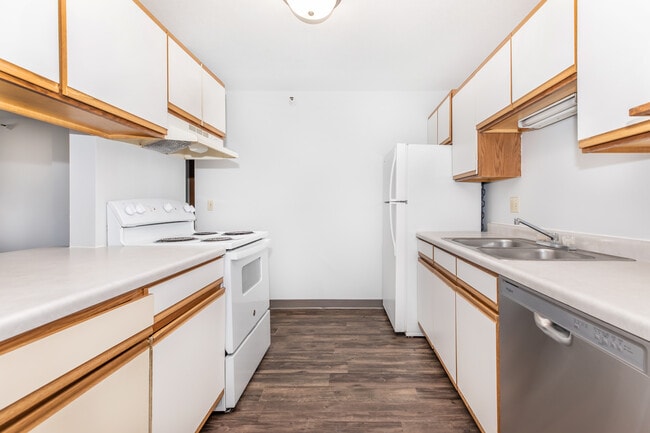
As of July 2026, the average apartment rent in Austin, MN is $1,199 for a studio, $1,276 for one bedroom, $1,252 for two bedrooms, and $1,185 for three bedrooms. Apartment rent in Austin has increased by 3.5% in the past year.

Property Type
Average Rent
Average Sq Ft
Apartment
$1,276/month
693 Sq Ft
See Rental Market Trends in Austin, MN

Learn More About Austin

Getting Around

Fairly Walkable

Walkability

40 / 100

Exceptionally Drivable

Drivability

100 / 100

Moderately Bikeable

Bikeability

60 / 100

Schools

I.J. Holton Intermediate School

Public

Grades K-5

712 Students

Banfield Elementary School

Public

Grades PK-5

574 Students

Southgate Elementary School

Public

Grades K-5

496 Students

Southgate Elementary

Public

Grades K-5

496 Students

Sumner Elementary School

Public

Grades PK-5

387 Students

Ellis Middle School

Public

Grades 6-8

720 Students

Ellis Middle

Public

Grades 6-8

720 Students

Austin Community Learning Center

Public

Grades PK-12

37 Students

Oakland Education Center

Public

Grades K-12

34 Students

Bank School

Public

Grades K-12

32 Students

Austin Senior High School

Public

Grades 9-12

1,485 Students

Austin Senior High

Public

Grades 9-12

1,345 Students

Austin Community Learning Center

Public

Grades PK-12

37 Students

Oakland Education Center

Public

Grades K-12

34 Students

Bank School

Public

Grades K-12

32 Students

Points of Interest

Parks and Recreation

  • Sola Fide Observatory
  • Jay C. Hormel Nature Center

Airports

  • Rochester International

Top Apartments in Austin

Houses for Rent in Austin

Living in Austin

History

-

Austin's built environment carries the marks of its industrial roots. The Hormel Historic Home, a restored late-19th-century property tied to the founder of Hormel Foods, is open for tours and stands as one of the city's most recognized landmarks. The Historic Paramount Theatre on Main Street, built in 1929 after its predecessor was damaged, continues to host live performances and community events, giving it an active role in Austin's arts scene today. Austin High School, much of which dates to 1919, is recognized for its distinctive architecture, and its 1939 addition includes Knowlton Auditorium, one of the largest high school auditoriums in the state with seating for 1,850. The Austin ArtWorks Center operates out of the First National Bank Building, which opened in 1896 and is one of the oldest commercial structures still in active use downtown. Architecture enthusiasts can also seek out the S.P. Elam Residence, a 1950 home designed by Frank Lloyd Wright in his Usonian style, making it the second-largest example of that style anywhere. The Mower County Historical Society preserves records and artifacts related to the region's history and is open to the public.

Restaurants

-

Austin's dining scene reflects its role as a regional hub in southeastern Minnesota. The restaurant landscape includes American comfort food, Mexican cuisine, pizza, and family-style diners, with several spots clustered along Main Street and Oakland Avenue. Given the city's deep ties to Hormel Foods, pork-forward dishes show up across local menus, and it's not unusual to see SPAM-inspired preparations at informal eateries. A growing number of restaurants serving Mexican and Latin American food have become fixtures in the community, reflecting Austin's population growth over the past two decades.

Transportation

-

Austin sits at the intersection of Interstate 90 and U.S. Route 218, giving drivers a straightforward connection east toward the Rochester area and west toward Albert Lea. Minnesota State Highway 105 runs from the city south toward the Iowa border. For those without a car, Southern Minnesota Area Rural Transit (SMART) operates fixed bus routes within Austin and Mower County, along with on-demand pickup and drop-off service. Rochester City Lines provides daily bus service connecting Austin to Rochester. Austin Municipal Airport on the city's east side handles general aviation, while Rochester International Airport, about 35 miles to the northeast, serves commercial flights. The city maintains a growing network of paved recreational trails, including several miles of bike paths extending north to Todd Park and the Jay C. Hormel Nature Center. A mountain biking trail, completed in 2015, hosted a Minnesota High School Cycling League competition in its first year.

Parks

-

Austin manages 28 parks and green spaces through its Department of Parks, Recreation, and Forestry, giving the city a solid outdoor footprint for its size. The crown jewel is the Jay C. Hormel Nature Center, a 507-acre preserve within city limits that features restored prairie, hardwood forest, wetlands, and more than ten miles of trails. The interpretive center there is open daily and offers hands-on exhibits, live animals, and equipment rentals including canoes, kayaks, cross-country skis, and snowshoes. Horace Austin Park in downtown provides playground equipment, a municipal pool, and trails surrounding Mill Pond. Todd Park is a popular summer destination with sand volleyball courts and 11 softball and baseball diamonds. Bandshell Community Park hosts Austin's annual Independence Day celebration, drawing thousands for two days of music, carnival games, and fireworks. Myre-Big Island State Park, located near Albert Lea about 20 miles west of Austin, is accessible in under 30 minutes and sits along Albert Lea Lake, offering additional camping, hiking, and water-based recreation.

Cost

-

Austin is considered one of the more affordable small cities in Minnesota. Average rent for a one-bedroom apartment runs around $584 per month, while two-bedroom units average approximately $766 per month, both well below the statewide average for Minnesota. The local economy is anchored by Hormel Foods, which employs over 3,000 people in the city and has historically kept unemployment rates in Austin and Mower County below state and national averages. Other major employers include the Mayo Clinic Health System, Austin Public Schools, and Riverland Community College. The Hormel Institute, a University of Minnesota cancer research facility supported by the Mayo Clinic, also maintains a significant presence in Austin.

Shopping

-

Austin's retail activity is concentrated along Oakland Avenue and in the Austin Town Center area, which handles everyday shopping needs including grocery, home goods, and general merchandise. The downtown Main Street corridor mixes local retail with the Spam Museum and the Austin ArtWorks Center, giving it a more destination-oriented feel. Sterling Shopping Center and Eastside Shopping Center serve the city's residential areas with convenient access to a range of retail tenants. The Mower County Fairgrounds hosts the annual Mower County Fair, which doubles as a major community shopping and vendor event each summer.

Highlights

-

Austin, Minnesota is home to the world headquarters of Hormel Foods and the free Spam Museum on Main Street, a 507-acre nature center inside city limits, a Frank Lloyd Wright-designed home, and some of the most affordable rental rates in the state.

Search Nearby Rentals

Nearby City Rentals

Nearby House Rentals

Nearby City Guides

Methodology

† Our analysis of utilities, groceries, transportation, healthcare, home prices, and other goods and services is sourced from the Cost of Living Index, a respected benchmark published by the Council for Community and Economic Research (C2ER) that provides a thorough overview of living expenses across different regions.

Rent data is provided by CoStar Group’s Market Trend reports. As the industry leader in commercial real estate information, analytics, and news, CoStar conducts extensive research to produce and maintain a comprehensive database of commercial real estate information. We combine this data with public record to provide the most up-to-date rental information available.

Consumer goods, services, and home prices are sourced from the Cost of Living Index published by the Council for Community and Economic Research (C2ER). The data on this page is updated quarterly. It was last published in June 2026.

Demographic information comes from Neustar and combines detailed address data with U.S. Census and American Community Survey statistics to produce reliable local estimates.