Median Age
36 Years
Largest Age Group
10-19 Years
Approximately 15% of Residents
Under 20
28%
Over 65
16%

Avg Rent
$749
Population
8,821
Renter Mix
45% Rent
Arcadia is one of Florida's last cowtowns, where cattle ranching roots run deep and the pace of daily life feels genuinely unhurried. The county seat of DeSoto County, the city sits about an hour north of Fort Myers and an hour east of Sarasota, giving residents access to Gulf Coast amenities. Downtown Arcadia, listed on the National Register of Historic Places, draws visitors and locals alike with antique shops, locally owned restaurants, and specialty stores along Oak Street. The Peace River traces the city's western edge, offering outdoor recreation just minutes from home.
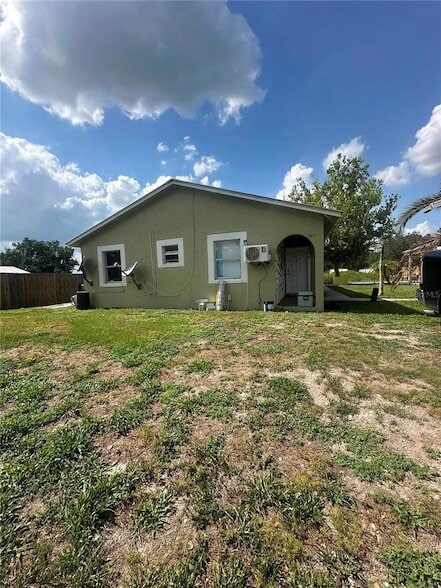
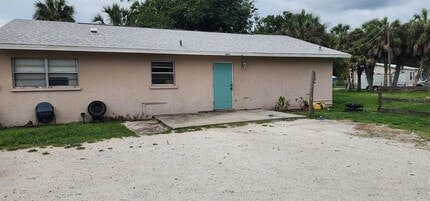
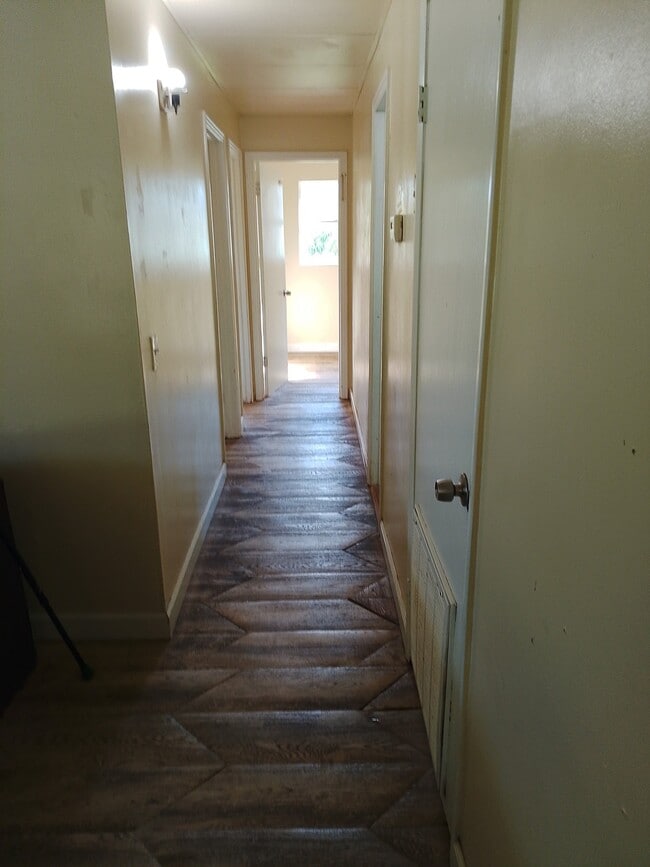
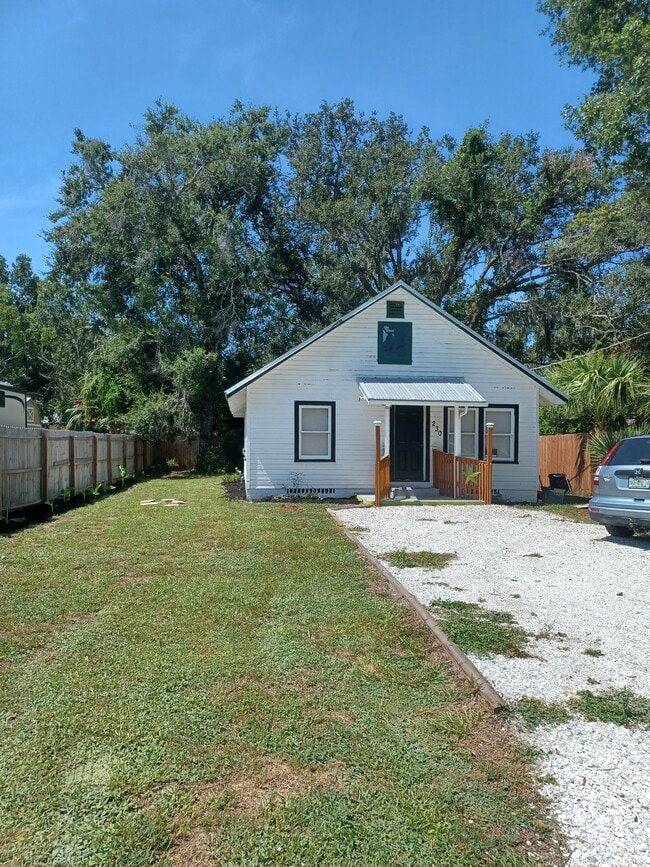
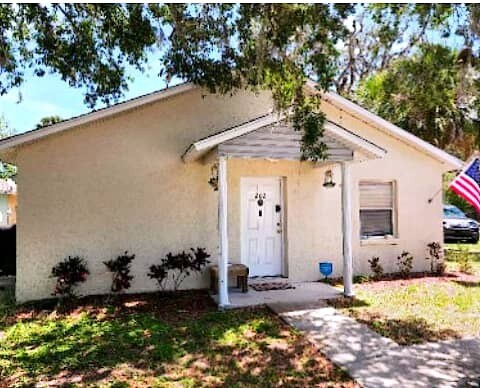
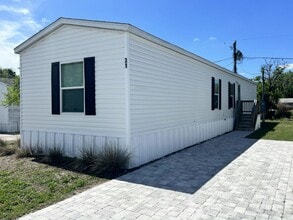
Renters in Arcadia find a variety of options, from compact one-bedroom apartments to spacious single-family rentals with room to spread out. Traditional ranch-style homes and stucco houses with open floor plans are common throughout the area, and some properties on the city's outskirts sit on larger lots with a more rural feel. Older homes closer to downtown often carry the character of early twentieth-century Florida construction.
Cattle ranching and citrus growing have anchored the local economy for generations. The Arcadia All-Florida Championship Rodeo, held continuously since 1928, reflects how central that cowboy culture remains to community life today.
Median Household Income
$27,025
Average: $40,507
Education
1,495
Residents Have a Degree
Job Market
3,855
Workers Employed
Median Age
36 Years
Largest Age Group
10-19 Years
Approximately 15% of Residents
Under 20
28%
Over 65
16%
Housing Distribution
Arcadia has more homeowners than renters.

Education Distribution
Review this city's overall education levels.

As of September 2026, the average apartment rent in Arcadia, FL is $750 for one bedroom, $854 for two bedrooms, and $1,185 for three bedrooms. Apartment rent in Arcadia has increased by 1.5% in the past year.
Explore how walkable, bikeable, drivable, and transit-friendly Arcadia, FL is for everyday living.
Fairly Walkable
Walkability
Exceptionally Drivable
Drivability
Fairly Bikeable
Bikeability

Public
Grades PK-5
567 Students

Public
Grades PK-5
782 Students

Desoto Virtual Instruction Program
Public
Grades K-12

Public
Grades 6-8
798 Students

Desoto Virtual Instruction Program
Public
Grades K-12
Public
Grades 9-12
1,238 Students
Desoto Virtual Instruction Program
Public
Grades K-12
 The GreatSchools Rating helps parents compare schools within a state based on a variety of school quality indicators and provides a helpful picture of how effectively each school serves all of its students. Ratings are on a scale of 1 (below average) to 10 (above average) and can include test scores, college readiness, academic progress, advanced courses, equity, discipline and attendance data. We also advise parents to visit schools, consider other information on school performance and programs, and consider family needs as part of the school selection process.
View GreatSchools Rating Methodology
Data provided by
GreatSchools.org
© 2026. All rights reserved.
The GreatSchools Rating helps parents compare schools within a state based on a variety of school quality indicators and provides a helpful picture of how effectively each school serves all of its students. Ratings are on a scale of 1 (below average) to 10 (above average) and can include test scores, college readiness, academic progress, advanced courses, equity, discipline and attendance data. We also advise parents to visit schools, consider other information on school performance and programs, and consider family needs as part of the school selection process.
View GreatSchools Rating Methodology
Data provided by
GreatSchools.org
© 2026. All rights reserved.
† Our analysis of utilities, groceries, transportation, healthcare, home prices, and other goods and services is sourced from the Cost of Living Index, a respected benchmark published by the Council for Community and Economic Research (C2ER) that provides a thorough overview of living expenses across different regions.
Rent data is provided by CoStar Group’s Market Trend reports. As the industry leader in commercial real estate information, analytics, and news, CoStar conducts extensive research to produce and maintain a comprehensive database of commercial real estate information. We combine this data with public record to provide the most up-to-date rental information available.
Consumer goods, services, and home prices are sourced from the Cost of Living Index published by the Council for Community and Economic Research (C2ER). The data on this page is updated quarterly. It was last published in September 2026.
Demographic information comes from Neustar and combines detailed address data with U.S. Census and American Community Survey statistics to produce reliable local estimates.