Median Age
40 Years
Largest Age Group
25-34 Years
Approximately 13% of Residents
Under 20
24%
Over 65
20%


Avg Rent
$876
Population
59,159
Renter Mix
45% Rent
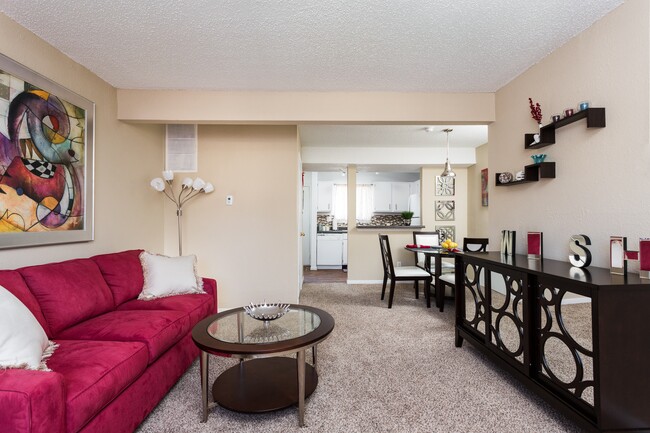
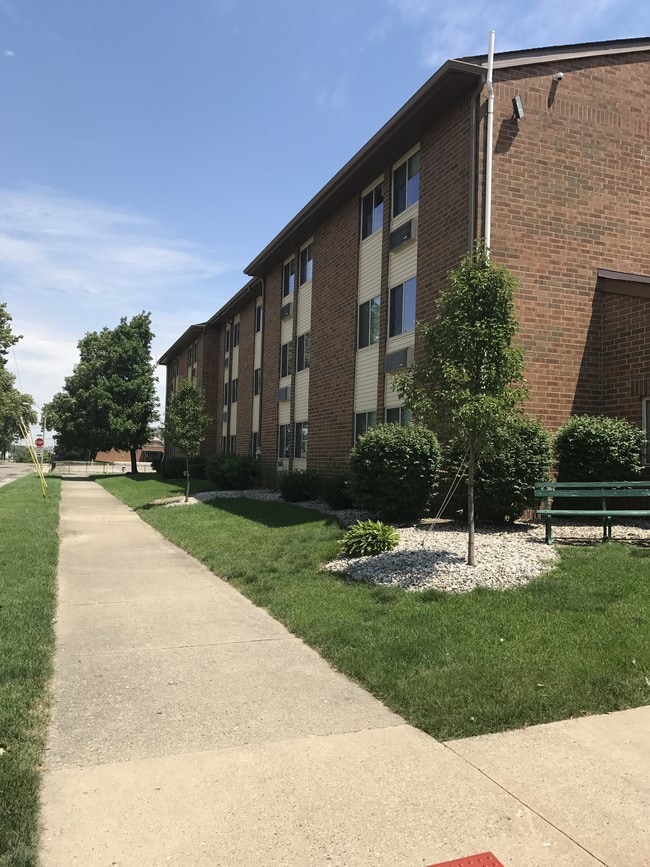
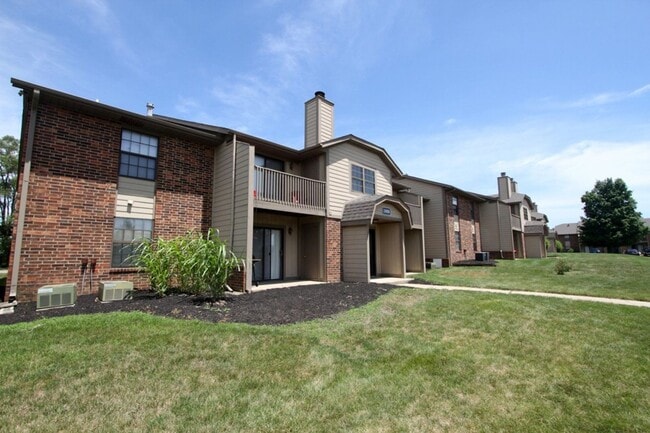
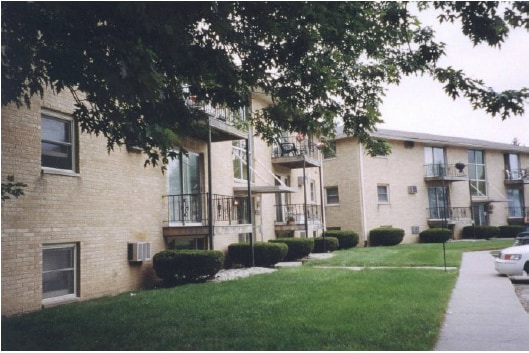
Anderson, Indiana sits as the county seat of Madison County, about 35 miles northeast of Indianapolis along Interstate 69, giving residents a genuine small-city feel with straightforward access to a major metro. The city traces its roots to a Lenape settlement known as Anderson's Town and later built its economy around natural gas-fueled manufacturing in the late 1800s. That industrial heritage still shapes the city's identity today, even as Anderson has steadily broadened its economic base. Anderson University anchors the local education scene and brings a steady academic presence to the community. Downtown hosts the historic Paramount Theatre, the Anderson Center for the Arts, and the Anderson Symphony Orchestra, offering a cultural life that consistently punches above the city's size. Neighborhoods range from close-knit streets near the White River corridor to quieter residential pockets spread across the city's 42 square miles. The rental market reflects Anderson's accessibility, with a range of apartment communities, townhomes, and single-family rental houses available at some of the more approachable price points in the state. For renters who want an established city with real character and a short drive to Indianapolis, Anderson delivers a grounded, practical place to call home.
Median Household Income
$43,526
Average: $54,343
Education
9,855
Residents Have a Degree
Job Market
26,200
Workers Employed
Median Age
40 Years
Largest Age Group
25-34 Years
Approximately 13% of Residents
Under 20
24%
Over 65
20%
Housing Distribution
Anderson has more homeowners than renters.

Education Distribution
Review this city's overall education levels.

As of July 2026, the average apartment rent in Anderson, IN is $538 for a studio, $876 for one bedroom, $1,025 for two bedrooms, and $1,246 for three bedrooms. Apartment rent in Anderson has increased by 2.6% in the past year.
Explore how walkable, bikeable, drivable, and transit-friendly Anderson, IN is for everyday living.
Somewhat Walkable
Walkability
Exceptionally Drivable
Drivability
Fairly Bikeable
Bikeability

Tenth Street Elementary School
Public
Grades K-5
462 Students

Valley Grove Elementary School
Public
Grades K-5
485 Students

Public
Grades K-5
178 Students
Public
Grades K-12
777 Students

Public
Grades K-5
511 Students
Public
Grades 6-8
916 Students
Public
Grades K-12
777 Students
Public
Grades 9-12
1,790 Students
Public
Grades K-12
777 Students
Public
Grades 9-12
321 Students

 The GreatSchools Rating helps parents compare schools within a state based on a variety of school quality indicators and provides a helpful picture of how effectively each school serves all of its students. Ratings are on a scale of 1 (below average) to 10 (above average) and can include test scores, college readiness, academic progress, advanced courses, equity, discipline and attendance data. We also advise parents to visit schools, consider other information on school performance and programs, and consider family needs as part of the school selection process.
View GreatSchools Rating Methodology
Data provided by
GreatSchools.org
© 2026. All rights reserved.
The GreatSchools Rating helps parents compare schools within a state based on a variety of school quality indicators and provides a helpful picture of how effectively each school serves all of its students. Ratings are on a scale of 1 (below average) to 10 (above average) and can include test scores, college readiness, academic progress, advanced courses, equity, discipline and attendance data. We also advise parents to visit schools, consider other information on school performance and programs, and consider family needs as part of the school selection process.
View GreatSchools Rating Methodology
Data provided by
GreatSchools.org
© 2026. All rights reserved.
† Our analysis of utilities, groceries, transportation, healthcare, home prices, and other goods and services is sourced from the Cost of Living Index, a respected benchmark published by the Council for Community and Economic Research (C2ER) that provides a thorough overview of living expenses across different regions.
Rent data is provided by CoStar Group’s Market Trend reports. As the industry leader in commercial real estate information, analytics, and news, CoStar conducts extensive research to produce and maintain a comprehensive database of commercial real estate information. We combine this data with public record to provide the most up-to-date rental information available.
Consumer goods, services, and home prices are sourced from the Cost of Living Index published by the Council for Community and Economic Research (C2ER). The data on this page is updated quarterly. It was last published in June 2026.
Demographic information comes from Neustar and combines detailed address data with U.S. Census and American Community Survey statistics to produce reliable local estimates.