Median Age
37 Years
Largest Age Group
20-29 Years
Approximately 14% of Residents
Under 20
26%
Over 65
18%


Avg Rent
$895
Population
27,434
Renter Mix
42% Rent
Aberdeen earned its nickname, the Hub City, because railroad tracks once converged at its center like spokes on a wheel — and that same sense of connection still defines the city today. Located in northeastern South Dakota, Aberdeen packs surprising variety into its 16 square miles. Downtown draws locals for dining and browsing, while shopping centers on the city's edge handle everyday needs. Green spaces and parks offer plenty of room to breathe, and Northern State University keeps the cultural calendar lively with events, athletics, and arts programming year-round. Every summer, the city celebrates with outdoor festivals that draw visitors from surrounding towns.
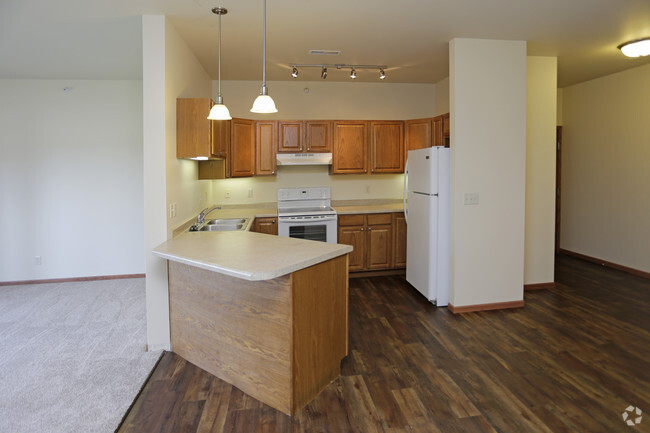
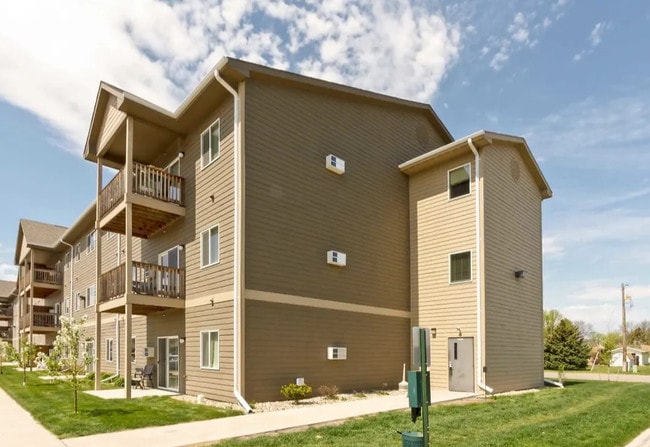
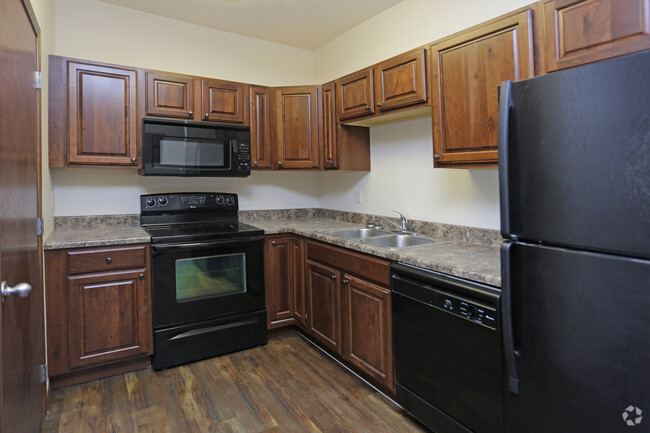
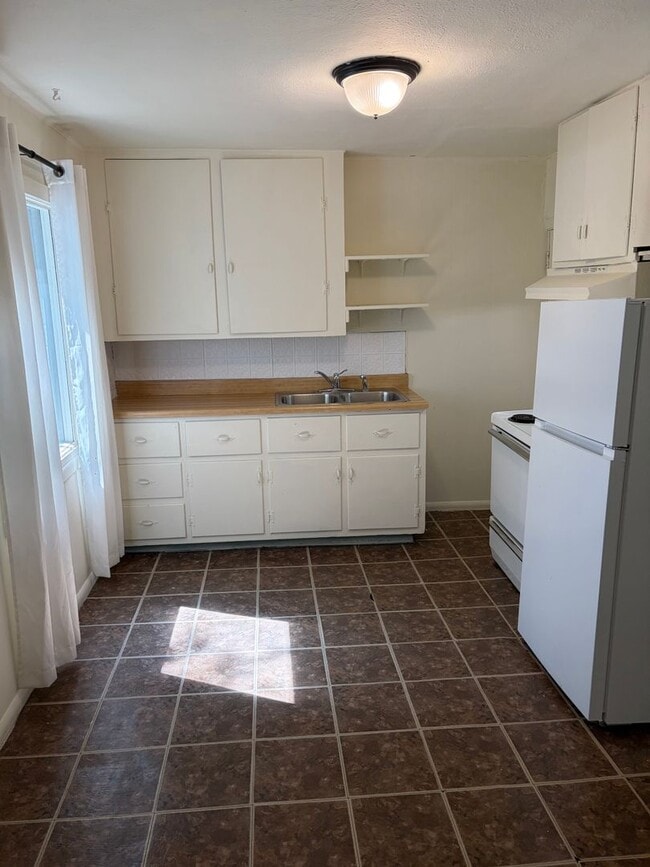
The rental market here offers solid variety — from cozy studios to spacious three-bedroom homes. Whether you're searching for a renovated loft downtown or a quieter spot near campus, Aberdeen delivers accessible options without the price tags found in larger metros. Renters find comfortable spaces that suit various lifestyles throughout the city. The walkable core and strong local identity, rooted in more than 140 years of history, create a community that rewards those who settle in for the long term.
Median Household Income
$60,703
Average: $75,704
Education
7,658
Residents Have a Degree
Job Market
15,188
Workers Employed
Median Age
37 Years
Largest Age Group
20-29 Years
Approximately 14% of Residents
Under 20
26%
Over 65
18%
Housing Distribution
Aberdeen has more homeowners than renters.

Education Distribution
Review this city's overall education levels.

As of September 2026, the average apartment rent in Aberdeen, SD is $895 for a studio, $895 for one bedroom, $1,028 for two bedrooms, and $1,207 for three bedrooms. Apartment rent in Aberdeen has increased by 3.6% in the past year.
Explore how walkable, bikeable, drivable, and transit-friendly Aberdeen, SD is for everyday living.
Fairly Walkable
Walkability
Very Drivable
Drivability
Fairly Bikeable
Bikeability

Public
Grades K-5
356 Students

Public
Grades K-5
282 Students

Public
Grades K-5
386 Students

Public
Grades K-5
327 Students
Public
Grades PK-5
233 Students
Public
Grades 6-8
497 Students

Public
Grades 6-8
464 Students

Public
Grades PK-8
10 Students

Public
Grades K-12
8 Students
Public
Grades 9-12
1,384 Students
Public
Grades 9-12
9 Students
Public
Grades K-12
8 Students
Public
Grades 9-12
 The GreatSchools Rating helps parents compare schools within a state based on a variety of school quality indicators and provides a helpful picture of how effectively each school serves all of its students. Ratings are on a scale of 1 (below average) to 10 (above average) and can include test scores, college readiness, academic progress, advanced courses, equity, discipline and attendance data. We also advise parents to visit schools, consider other information on school performance and programs, and consider family needs as part of the school selection process.
View GreatSchools Rating Methodology
Data provided by
GreatSchools.org
© 2026. All rights reserved.
The GreatSchools Rating helps parents compare schools within a state based on a variety of school quality indicators and provides a helpful picture of how effectively each school serves all of its students. Ratings are on a scale of 1 (below average) to 10 (above average) and can include test scores, college readiness, academic progress, advanced courses, equity, discipline and attendance data. We also advise parents to visit schools, consider other information on school performance and programs, and consider family needs as part of the school selection process.
View GreatSchools Rating Methodology
Data provided by
GreatSchools.org
© 2026. All rights reserved.
† Our analysis of utilities, groceries, transportation, healthcare, home prices, and other goods and services is sourced from the Cost of Living Index, a respected benchmark published by the Council for Community and Economic Research (C2ER) that provides a thorough overview of living expenses across different regions.
Rent data is provided by CoStar Group’s Market Trend reports. As the industry leader in commercial real estate information, analytics, and news, CoStar conducts extensive research to produce and maintain a comprehensive database of commercial real estate information. We combine this data with public record to provide the most up-to-date rental information available.
Consumer goods, services, and home prices are sourced from the Cost of Living Index published by the Council for Community and Economic Research (C2ER). The data on this page is updated quarterly. It was last published in September 2026.
Demographic information comes from Neustar and combines detailed address data with U.S. Census and American Community Survey statistics to produce reliable local estimates.