

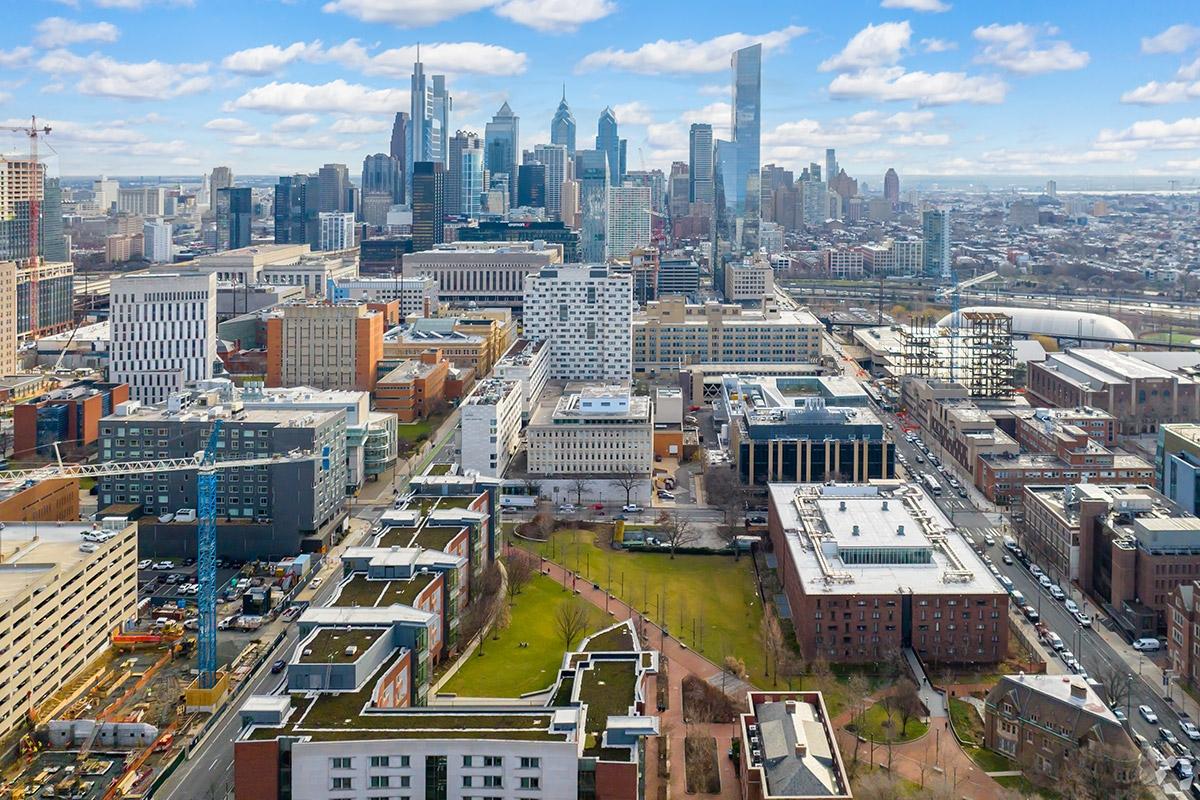
With countless universities and colleges, Philadelphia is one of the top cities in the nation for higher education, academics, and research. That number expands even more if you consider the entire Philadelphia region, further cementing the area’s position as an education powerhouse. Within the city’s borders, some of the major universities include:
- University of Pennsylvania (UPenn)
- Drexel University
- Temple University
- Saint Joseph’s University
- Thomas Jefferson University
Philadelphia’s neighborhoods each have their own charm and the same goes for the universities and their surrounding blocks. Some carry a small-town vibe where students greet each other by name as they head to class. Others have an active student body that fills the streets and local businesses during game season and the night hours. Finding the right off-campus housing in Philadelphia helps you make the most of the college experience and enjoy these transformative years.
Where Do Most Drexel University or University of Pennsylvania Students Live Off-Campus?
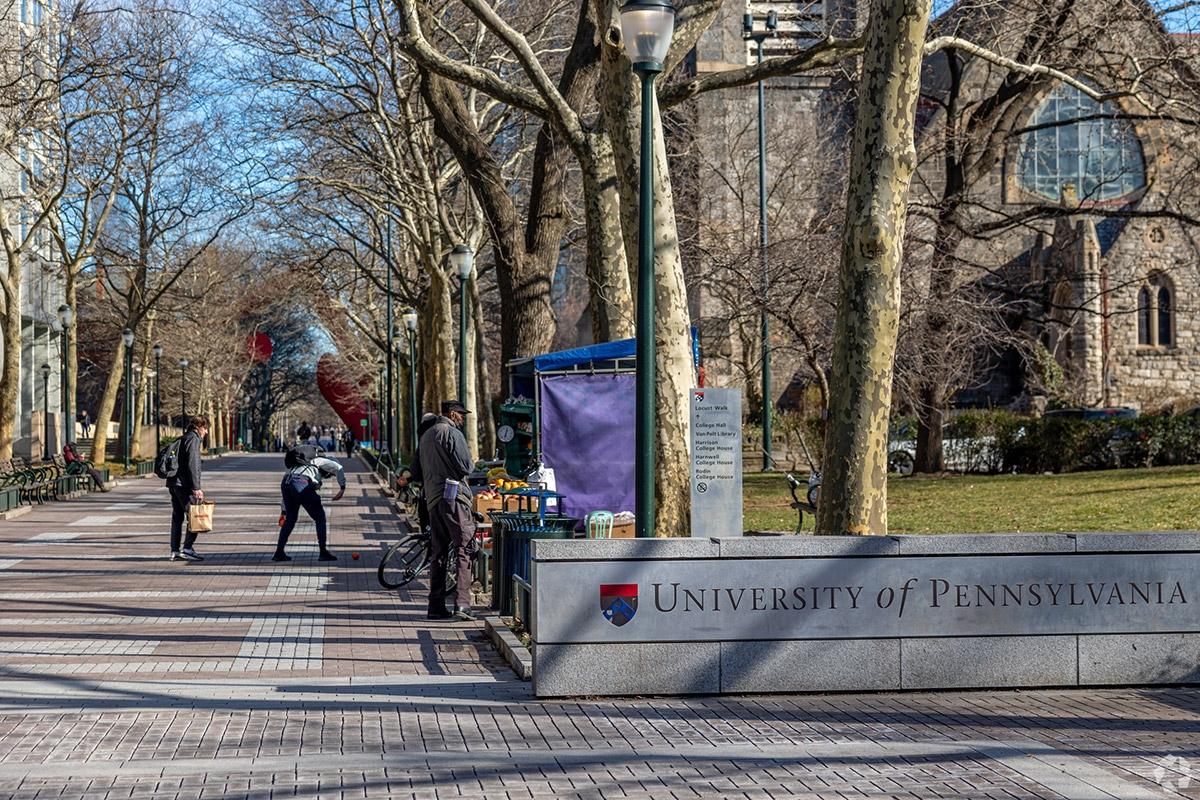
The University of Pennsylvania (UPenn) and Drexel University share the University City corridor in West Philadelphia, and students from both schools have their pick of some of Philadelphia's most walkable and well-connected neighborhoods. Housing options range from campus energy to quieter residential streets still within the SEPTA network.
University City
University City is the main home base for UPenn and Drexel students, with both campuses reachable in minutes on foot, by bike, or via SEPTA's L (Market-Frankford Line) and T (subway-surface trolleys). Chestnut Street, Walnut Street, Lancaster Avenue, and Baltimore Avenue deliver a compact corridor of shops, restaurants, bars, museums, and grocery options, with parks and nature-covered blocks breaking up the city landscape.
|
Average Rent |
Exceptionally Walkable |
Moderately Bikeable |
Exceptional Public Transit |
$2,002/monthThe average rent in University City is $2,002/month. |
90University City has a walkability score of 90 out of 100. |
70University City has a bikeability score of 70 out of 100. |
90University City has a transit score of 90 out of 100. |
Powelton
Sitting just northwest of Drexel's main campus, Powelton is a haven for students looking for the historic character Philadelphia is known for, with a breath of academic energy. It’s not just a resting spot for academia, but also a lively community with the eclectic Lancaster Avenue bustling with local businesses, restaurants, and events. Thanks to walkable streets, the T, and the L, it’s easy to get to Drexel University or UPenn.
|
Average Rent |
Exceptionally Walkable |
Moderately Bikeable |
Exceptional Public Transit |
$1,593/monthThe average rent in Powelton is $1,593/month. |
100Powelton has a walkability score of 100 out of 100. |
70Powelton has a bikeability score of 70 out of 100. |
90Powelton has a transit score of 90 out of 100. |
Spruce Hill
Spruce Hill is one of West Philadelphia's most beloved neighborhoods, and it earns that reputation through a rare combination of walkability, transit access, and neighborhood soul. SEPTA's T runs directly through the area and connects riders to both Drexel and UPenn campuses. Clark Park is a community gathering spot that hosts a farmers market, a popular flea market, and many more events. Dining options are plentiful along Baltimore Avenue and Chestnut Street, with a movie theater and performing arts theater rounding out the options.
|
Average Rent |
Exceptionally Walkable |
Moderately Bikeable |
Exceptional Public Transit |
$1,554/monthThe average rent in Spruce Hill is $1,554/month. |
100Spruce Hill has a walkability score of 100 out of 100. |
70Spruce Hill has a bikeability score of 70 out of 100. |
90Spruce Hill has a transit score of 90 out of 100. |
Honorable mentions
- Cedar Park's walkable Baltimore Avenue corridor and multicultural dining scene offer tons of activity, but its distance from both Penn and Drexel campuses requires a consistent trolley or bike commute.
- Walnut Hill offers quiet, tree-lined streets and easy trolley access at a lower price point, but those seeking campus-adjacent energy and walkable nightlife will find themselves venturing out regularly.
- Mantua sits steps from Drexel's campus with some of the most accessible rents in the corridor, but limited dining and retail options nearby mean residents will frequently need to head elsewhere.
Where Do Most Temple University Students Live Off-Campus?
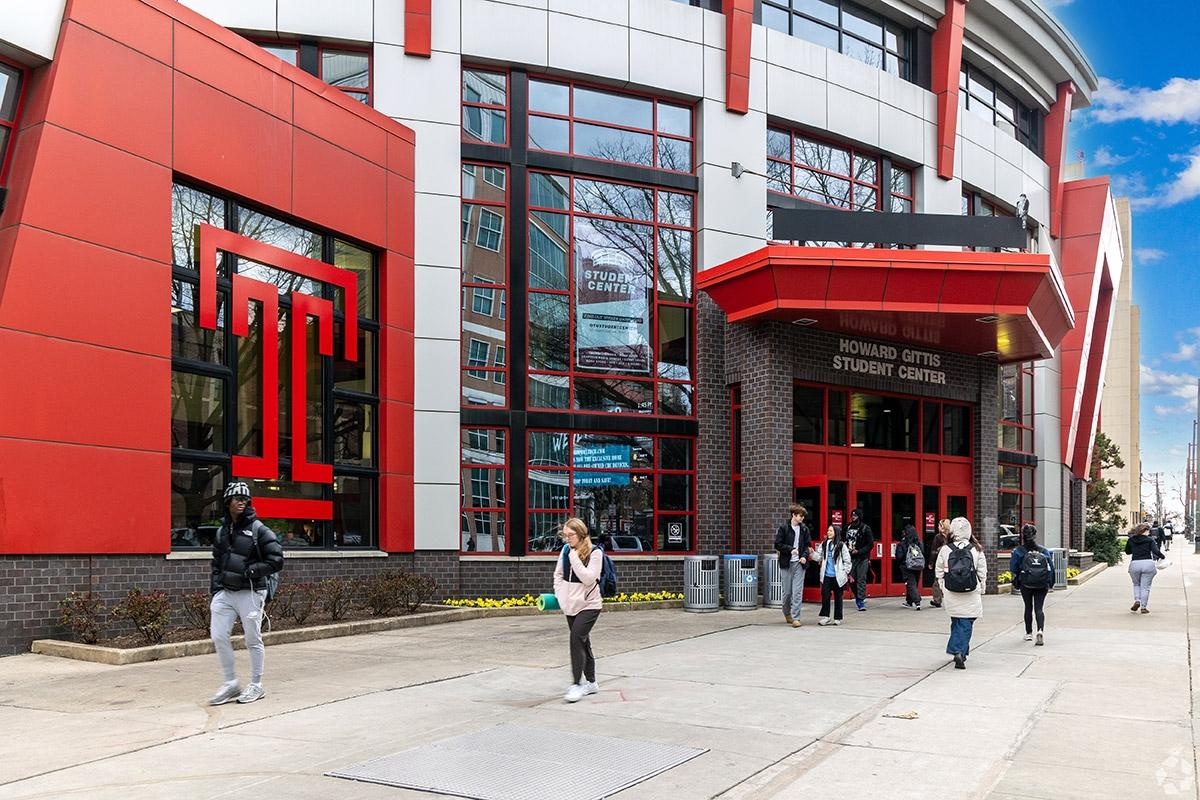
Temple University's main campus sits in the northern part of Philadelphia, and the surrounding neighborhoods offer some of the city's most transit-rich, affordable, and culturally active off-campus living options. Students here benefit from the B (Broad Street Line), the G (Route 15 Trolley), and multiple bus connections that put campus and Center City within easy reach.
Fairmount-Art Museum
Fairmount–Art Museum is one of Philadelphia's most coveted neighborhoods that delivers an active lifestyle just south of campus. The neighborhood is regarded as one of the city’s epicenters of cultural activity as it’s home to numerous museums and historic attractions, including the Philadelphia Museum of Art, the Eastern State Penitentiary, and East Fairmount Park. Fairmount Avenue and Ridge Avenue are charming, boutique-lined streets with coffee shops, bars, and local restaurants. The B, the G, and buses drop students directly onto Temple's main campus in minutes.
|
Average Rent |
Exceptionally Walkable |
Moderately Bikeable |
Exceptional Public Transit |
$2,126/monthThe average rent in Fairmont-Art Museum is $2,126/month. |
100Fairmont-Art Museum has a walkability score of 100 out of 100. |
70Fairmont-Art Museum has a bikeability score of 70 out of 100. |
90Fairmont-Art Museum has a transit score of 90 out of 100. |
North Philadelphia West
North Philadelphia West is the most campus-adjacent option for Temple students, placing them within walking distance of the main campus. For those a bit further, the B, the G, and multiple bus routes make it as easy as walking to get to campus. The section of Fairmount Park that runs along the neighborhood's western edge provides easy access to disc golf, open fields, the Smith Memorial Playground, and the scenic Schuylkill riverbank trail.
|
Average Rent |
Exceptionally Walkable |
Moderately Bikeable |
Strong Public Transit |
$1,355/monthThe average rent in North Philadelphia West is $1,355/month. |
90North Philadelphia West has a walkability score of 90 out of 100. |
60North Philadelphia West has a bikeability score of 60 out of 100. |
80North Philadelphia West has a transit score of 80 out of 100. |
North Philadelphia East
North Philadelphia East wraps around the eastern side of Temple's main campus, and its walkability, combined with strong transit, make it a hotspot for students. It has unmatched access to campus, where students can reach class in just minutes. Bus routes run along many streets throughout the neighborhood, with additional access provided by the Temple University regional rail station, while the B and the G lines follow the borders. North Broad Street serves as both a major campus thoroughfare and the center of student life, lined with restaurants, cafes, shops, and gathering spots.
|
Average Rent |
Exceptionally Walkable |
Moderately Bikeable |
Strong Public Transit |
$1,703/monthThe average rent in North Philadelphia East is $1,703/month. |
100North Philadelphia East has a walkability score of 100 out of 100. |
60North Philadelphia East has a bikeability score of 60 out of 100. |
80North Philadelphia East has a transit score of 80 out of 100. |
Honorable mentions
- Olde Kensington's emerging arts and food scene along Frankford Avenue is a draw for adventurous Temple students, but its location east of campus makes a daily subway or bus commute unavoidable.
- Brewerytown's revitalized Girard Avenue corridor and proximity to Fairmount Park offer different lifestyles. However, it requires a slightly more complicated commute to campus.
- Callowhill is a natural fit for students who crave nightlife and creative energy, thanks to its concentration of venues and location near Center City. Residents will either have to take the bus or walk several blocks to a SEPTA station to get to campus.
Where Do Most Saint Joseph’s University Students Live Off-Campus?
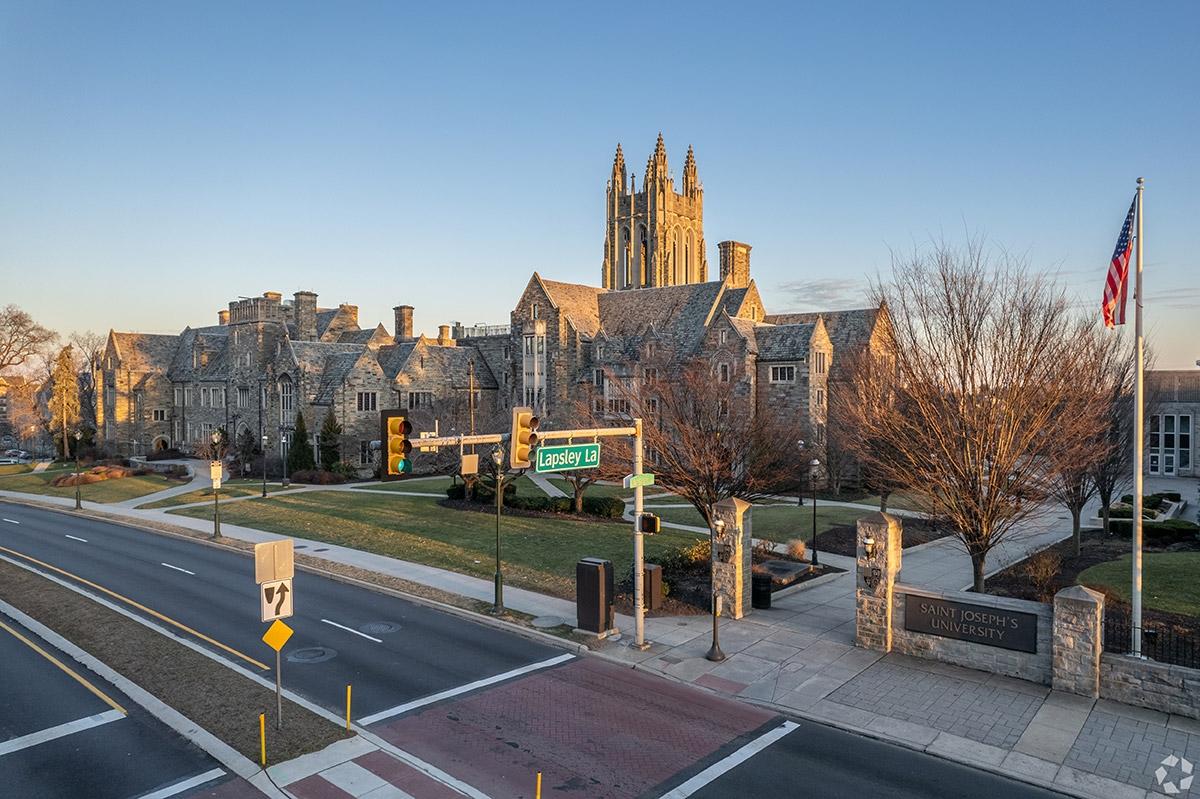
Saint Joseph's University occupies a leafy campus at the border of Philadelphia and the suburbs, in the northwestern portion of the city. The neighborhoods tend to be quieter and more suburban in character, with plenty of green space and a nice selection of restaurants and retail that meet most residents’ needs.
Wynnefield
Wynnefield is the most directly adjacent neighborhood to Saint Joseph's University, with the campus sitting just beyond the western edge. The SEPTA Cynwyd Regional Rail Line connects the neighborhood to University Center and Downtown Philadelphia. Though buses run through the area, it is often more convenient to walk or bike to campus. The neighborhood curves next to West Fairmount Park, a massive green space that houses the Philadelphia Zoo and the Mann Center for the Performing Arts, creating a calendar packed full of events that’s hard to match.
|
Average Rent |
Moderately Walkable |
Very Bikeable |
Good Public Transit |
$1,497/monthThe average rent in Wynnefield is $1,497/month. |
70Wynnefield has a walkability score of 70 out of 100. |
80Wynnefield has a bikeability score of 80 out of 100. |
60Wynnefield has a transit score of 60 out of 100. |
Overbrook
Overbrook encompasses Saint Joseph's University and continues on to the west. The Paoli/Thorndale Regional Rail Line runs from Overbrook Station directly into Center City, while buses and the T fill out the local transit network. Grocery stores, restaurants, and businesses dot Lancaster and Haverford Avenues, within easy walking distance of each other. For longer walks, Morris Park has miles of trails winding through 147 acres of natural woodland.
|
Average Rent |
Very Walkable |
Moderately Bikeable |
Good Public Transit |
$1,378/monthThe average rent in Overbrook is $1,378/month. |
80Overbrook has a walkability score of 80 out of 100. |
70Overbrook has a bikeability score of 70 out of 100. |
70Overbrook has a transit score of 70 out of 100. |
Honorable mentions
- Wynnefield Heights has exceptional park access and a bikeable layout, but it’s farther from the university, meaning longer commutes via bike, bus, or car.
- Manayunk's lively and walkable Main Street, riverfront trails, and active community are just down City Avenue and across the bridge from campus.
Where Do Most Thomas Jefferson University Students Live Off-Campus?
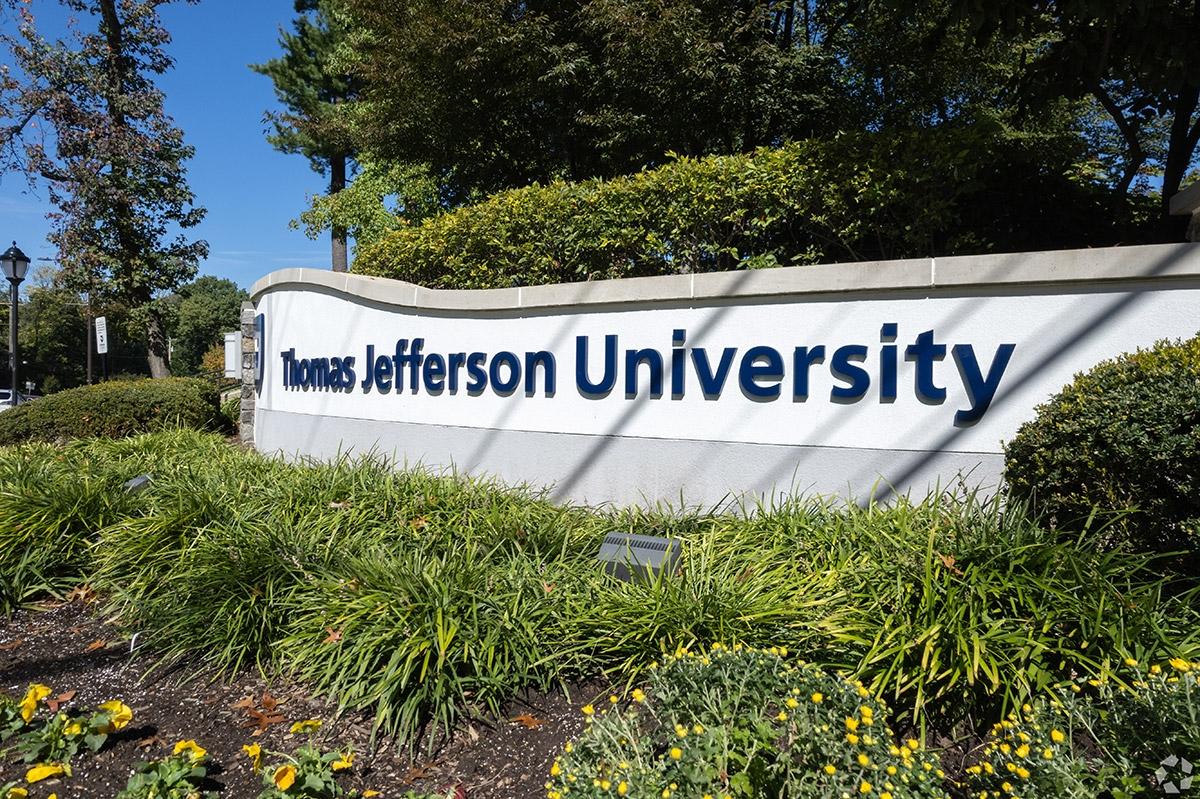
Thomas Jefferson University's East Falls Campus sits along the Schuylkill River in a part of the city that transitions between close-in urban neighborhoods and more suburban communities.
East Falls
East Falls is the most natural home for Jefferson East Falls students as it’s where the campus is located. Both the Manayunk/Norristown and Chestnut Hill West Lines provide direct connections to downtown. Trails wind under the trees along Wissahickon Creek in Wissahickon Valley Park while the Schuylkill River Trail offers a paved route for walkers, joggers, and cyclists. At the intersection of Ridge and Midvale Avenue is a cozy collection of restaurants and stores in historic buildings, creating a small-town atmosphere.
|
Average Rent |
Moderately Walkable |
Fairly Bikeable |
Good Public Transit |
$1,570/monthThe average rent in East Falls is $1,570/month. |
70East Falls has a walkability score of 70 out of 100. |
50East Falls has a bikeability score of 50 out of 100. |
70East Falls has a transit score of 70 out of 100. |
Germantown
Germantown is one of Philadelphia's most historically layered neighborhoods, and it’s within a walk or short bike ride from the university. Two SEPTA Regional Rail lines, the Chestnut Hill West East lines, run past campus, heading south to Center City. Chelten Avenue is the neighborhood’s main gathering spot with independent boutiques, community-owned grocery co-ops, and one-of-a-kind eateries. Vernon Park provides acres of green space in Germantown, while Clifford Park and Wissahickon Valley Park have miles of hiking trails.
|
Average Rent |
Moderately Walkable |
Moderately Bikeable |
Strong Public Transit |
$1,285/monthThe average rent in Germantown is $1,285/month. |
70Germantown has a walkability score of 70 out of 100. |
60Germantown has a bikeability score of 60 out of 100. |
80Germantown has a transit score of 80 out of 100. |
Honorable mentions
- Manayunk's lively Main Street and direct connections to Jefferson's East Falls campus make it a socially active off-campus option, but commutes often require a transfer or trip to the station.
- Roxborough's natural surroundings, including Wissahickon Valley Park and the Schuylkill River Trail, make it a great fit for those who prioritize outdoor living, but its distance from campus means longer commutes via car, bus, or bike.
How Much Does Off-Campus Housing Cost in Philadelphia?
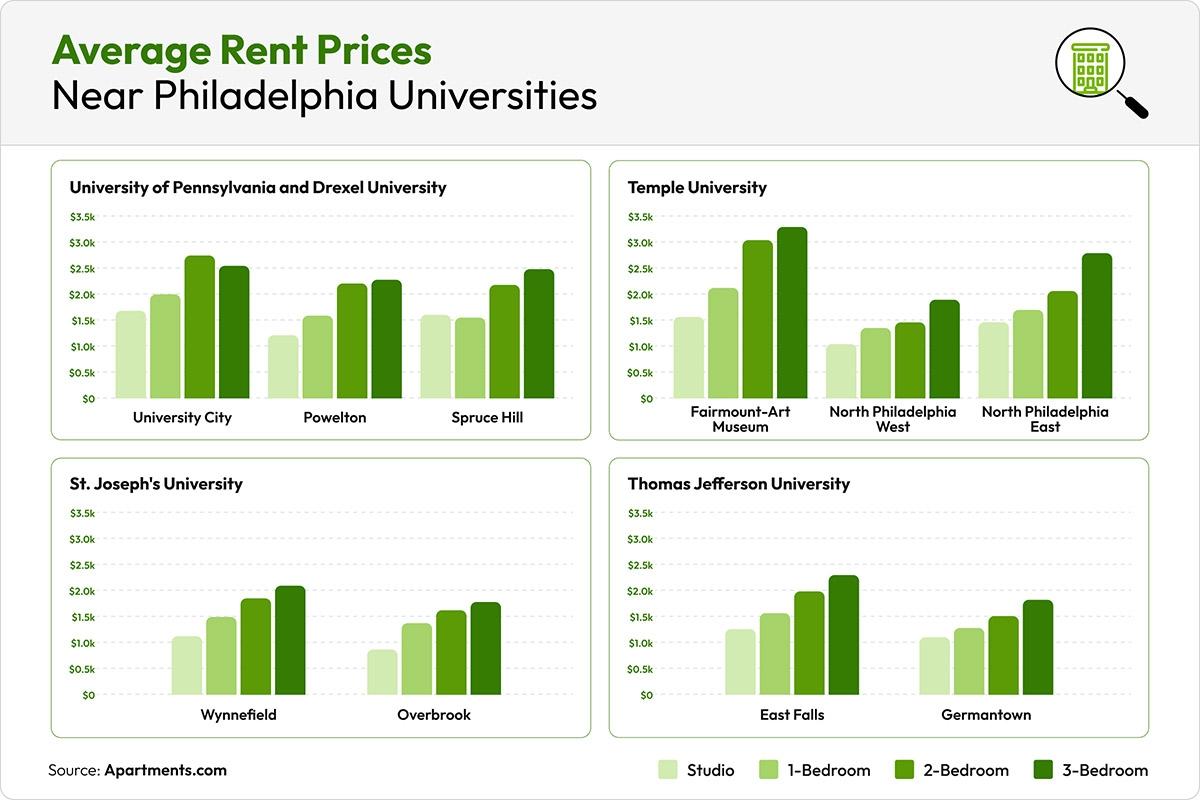
The cost of off-campus housing in Philadelphia largely depends on the location. Overall, the city is a bit pricier. The average rent of $1,781/month is 8 percent higher than the national average. More affordable neighborhoods can offer rents as low as $1,000/month, but they may come with some trade-offs, like a location farther from campus or popular areas. If you’re looking to save some money, then consider living with roommates as you’ll be splitting costs between multiple people instead of just one.
Can You Live Off Campus as a Freshman in Philadelphia?
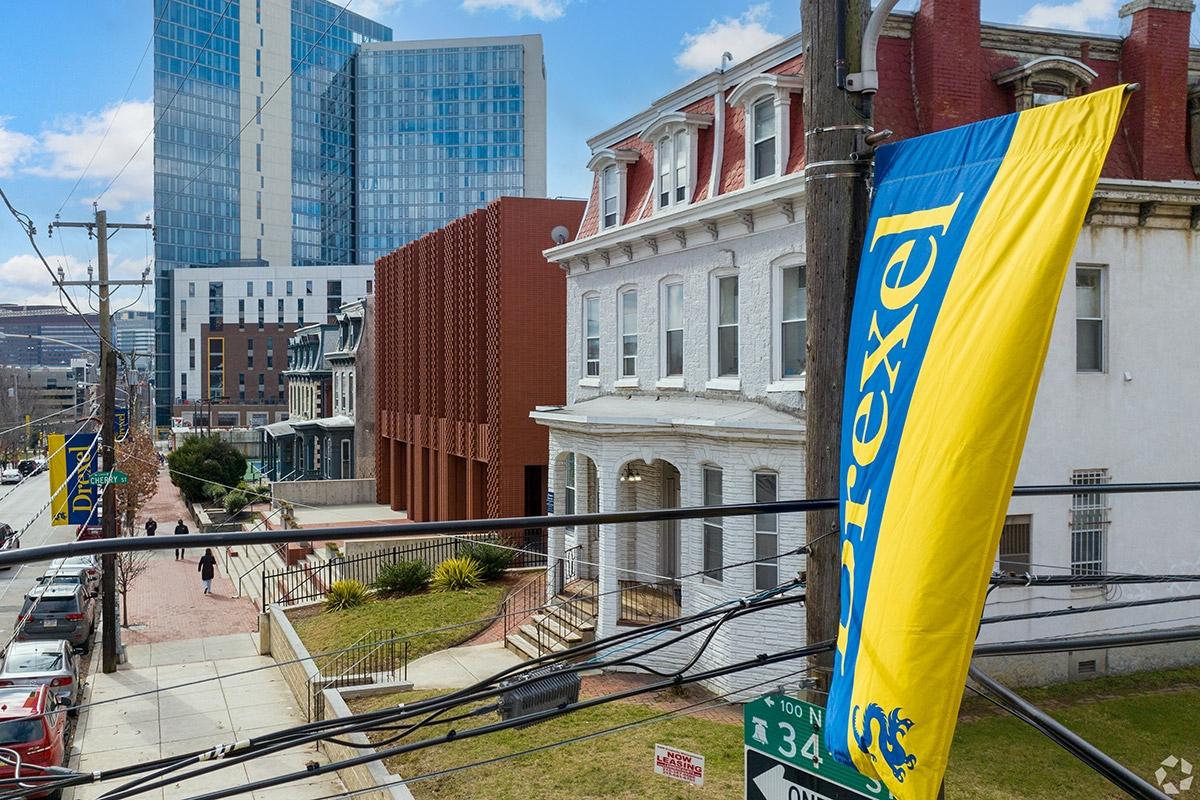
Freshmen’s ability to live off campus depends on the university. Check with the appropriate offices and read the relevant policies to confirm your housing options. To help you get a head start, here are the basic housing requirements for some of the major universities in Philadelphia.
University of Pennsylvania
UPenn strongly encourages living on campus as it allows students to partake in programs and activities, engage in a community, and stay connected to campus life. All undergraduate students must live in on-campus housing for their first four semesters (two years). An exemption may be granted if the student meets one of the following criteria:
- Enrolled in the College of Liberal Studies or the Penn Nursing BSN Second Degree Program.
- Married or in a University-recognized domestic partnership, with proof of marriage or domestic partnership required.
- Living with dependents, with official copies of birth certificates or federal/state income tax returns showing claimed dependent exemptions required.
- Age 22 or older at the start of the academic year.
Drexel University
Drexel University says that on-campus living allows students to make the most of their time at the university. It allows them to focus on their academics while enjoying social opportunities that build confidence, make connections, and participate in communities.
All full-time undergraduate students who live more than 10 miles from campus must live on campus during their first two years as part of the 2-Year Residency Program, with different housing options for each year. Exemptions are rare, and allowed circumstances include living in approved commuting zip codes with a parent or guardian, co-ops or study abroad programs, or major financial changes.
Temple University
While Temple University doesn’t require students to live in on-campus housing, they do strongly recommend doing so. They say it is part of the college experience where you can enjoy social activities and student camaraderie.
Saint Joseph’s University
Saint Joseph’s believes that living on campus is an integral part of student engagement and academic performance, so they require all students to live in university housing their first and second year. There are limited exemptions that allow students to live off campus with a parent or guardian on a case-by-case basis due to financial or medical needs. Students in study abroad programs, co-ops, or internships that are too far to commute may also be exempt.
Thomas Jefferson University
Thomas Jefferson University also has a two-year residency requirement for full-time students who live more than 15 miles from the East Falls Campus. That means all students must live in university housing for their first two years. Students can appeal for an exemption for the following reasons:
- Primary address is within 15 miles of Thomas Jefferson University – East Falls
- Age 20 or older at the start of the contract period
- Military veteran status
- Married status
- Those with legal dependents
- Extenuating financial circumstances, with the required documentation
- Extenuating medical circumstances, with the required documentation
What to Consider When Searching for Student Housing in Philadelphia
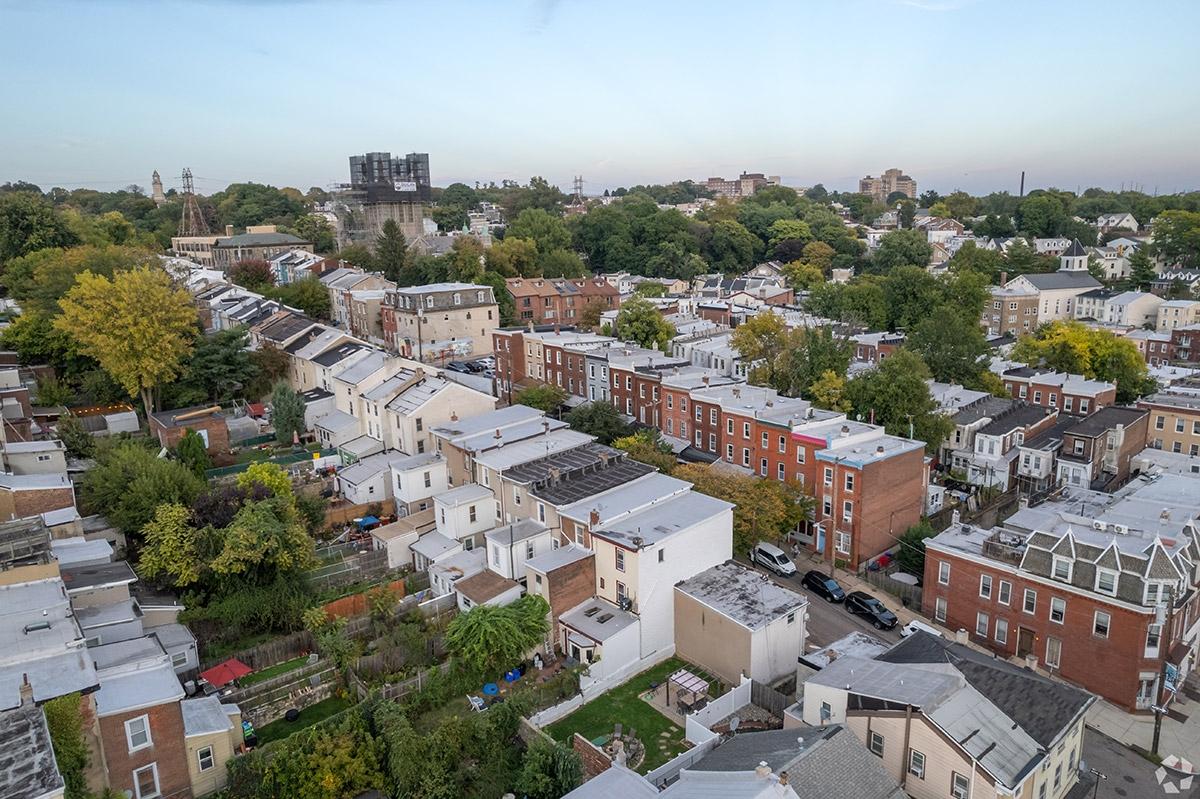
As you’re exploring off-campus housing in Philadelphia, consider how it will affect you and your university experience. Living on or off campus is a personal decision based on personal preferences, lifestyle, and what you are looking for in your college experience.
If you do choose off-campus housing, you still need to find the right housing fit. This includes considering factors such as location, safety, and amenities. Make a confident decision by considering these elements:
Proximity to campus and downtown
Living close to campus means short trips to class and easy engagement in campus life, student activities, and socialization. Around many universities, certain streets and corridors become student hubs, packed with restaurants, cafés, shops, and services. Whether you’re looking for short commutes or to be close to the action, the right off-campus rental should support your needs.
Walkability and bikeability
Walking and biking make navigating campus and the surrounding city easier. Many neighborhoods near large campuses are highly walkable and bikeable, reflecting this priority. Check walkability and bikeability scores to evaluate if the area is easy to navigate, especially if you don’t have a car.

Public transportation
Public transit can simplify commutes to campus. In Philadelphia, SEPTA operates the system of buses, trolleys, metro, and regional rail. If you are going to be using public transportation to get to campus, then you might want to consider living close to a station or stop. Some universities also have their own public transit options.
SEPTA is divided into the metro, bus system, and regional rail. The metro is the unified network of subway/elevated lines, trolley lines, and rapid transit system under six designations: the L (Market-Frankford Line), the B (Broad Street Line), the T (Subway-Surface Trolleys), the G (Route 15 Trolley), the D (Media-Sharon Hill Line), and the M (Norristown High Speed Line).
The regional rail extends service beyond the city into the surrounding Pennsylvania suburbs and nearby destinations. Buses also operate throughout Philadelphia, filling in local connections where rail and metro lines do not reach.
Lifestyle fit
When choosing off-campus housing, think about more than just the rent. The right rental should fit your lifestyle and personal preferences. If you want an active life that’s filled with campus events, then you should choose a neighborhood closer to campus or student hubs. Neighborhoods farther out will provide a quieter place to settle down.
Find Student Housing in Philadelphia with Apartments.com
Philadelphia has no shortage of off-campus housing options, but finding the right one takes more than scrolling through listings. Apartments.com helps you narrow the search by what actually matters: price, neighborhood, commute, amenities, and proximity to campus.
Enter “Philadelphia, PA” or whatever neighborhood you are exploring in the search bar to get started. From there, filter your results by selecting “Specialty Housing” and choosing “Student.” You’ll see rentals designed with student life in mind, including apartments near public transit, options close to major Philly campuses, and layouts that work well for roommates.
FAQs
Where is the best off-campus housing in Philadelphia?
The best off-campus housing in Philadelphia depends on the university you are attending as well as what you are looking for. Popular areas include University City and Fairmount-Art Museum.
Is living on or off campus in Philadelphia cheaper?
Living off campus may cost less than on-campus housing, especially if you share an apartment or house with roommates. But don’t compare rent alone. Factor in utilities, location, transportation, amenities, and any extra costs that may not be included in campus housing.
What is the average cost of rent in Philadelphia?
The average rent in Philadelphia is $1,781/month. While this price is higher than the national average, the average rent in neighborhoods can fluctuate.
Are there any specific requirements for first-year students living off-campus in Philadelphia?
Many universities require first-year students to live in residence halls, though housing departments may allow exceptions for students who meet certain criteria.
Are utilities typically included in the rent for off-campus housing in Philadelphia?
Utility costs vary by rental, and some leases leave them out of the monthly rent. Review the lease carefully so you know which bills you’re responsible for before signing.


