

Living in an apartment doesn’t mean giving up on your green thumb dreams! Even in small spaces, indoor plants can infuse life, color, and tranquility all year round. Best of all, these lush rewards require only a modest investment of time and care.
To thrive, plants primarily need three essentials: light, water, and nutrients. Whether you’re a seasoned enthusiast or just starting out, or if you have a mini-forest or an herb garden starter kit, these simple and practical tips will help you keep your plants happy and flourishing.
Assess the Lighting Needs of Your Plants
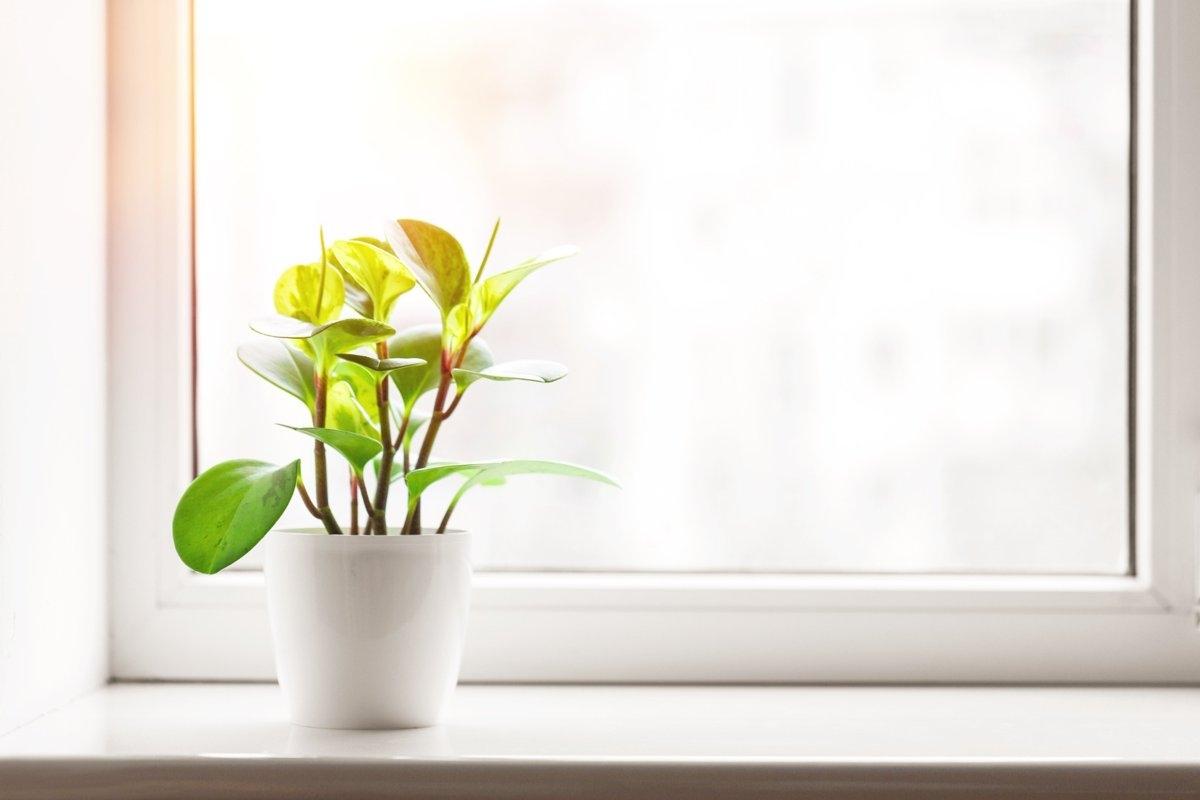
Understanding your apartment's natural light is the first step to creating a thriving indoor garden. Not all plants have the same light requirements; some need hours of direct sun, while others prefer the shade. Choosing plants that match the light you have is crucial for their health and growth.
Start by examining your space. Do you have a spot that gets at least four to six hours of bright, direct sun daily? Note which windows receive direct sunlight and for how long. A south-facing window typically provides the brightest, most consistent light, making it ideal for sun-loving plants.
If your apartment has mostly indirect light or shady corners, many popular houseplants, such as pothos, snake plants, and philodendrons, do exceptionally well with the less intense, indirect light from east- or north-facing windows.
This simple assessment will help you select greenery that is well-suited to your home, setting you up for a successful and rewarding plant care experience.
Master Your Watering Routine
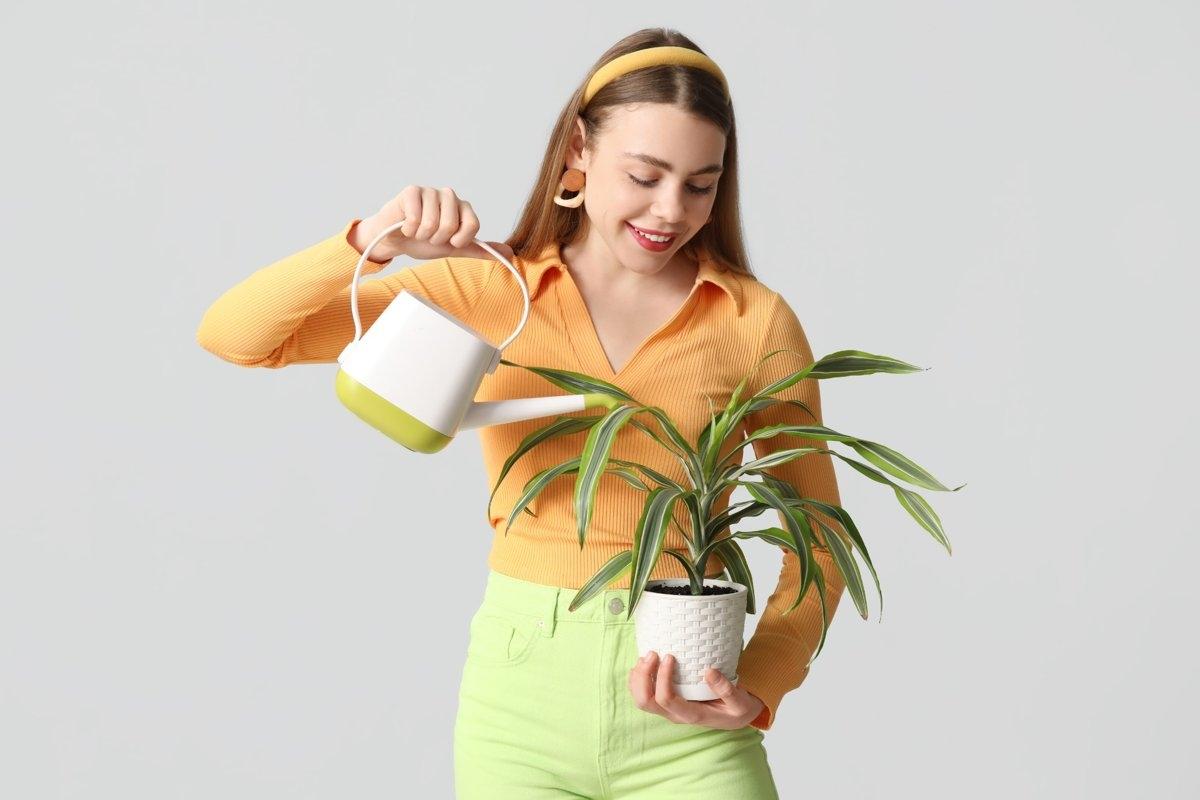
Proper watering is key to keeping your apartment plants healthy, but it can be tricky to get just right. Factors like indoor heating, air conditioning, and pot size all influence how thirsty your plants get. Learning to recognize your plants' needs will help you foster a deeper appreciation for plant care.
As a rule of thumb, the best way to know if a plant needs water is to feel the soil. Stick your finger about an inch or two into the pot; if the soil feels dry, it's time to water. If it's still damp, wait a few more days. This method prevents overwatering, which can lead to root rot. Keep in mind, however, that different plants have different watering requirements, so it’s important to know the needs of your particular species.
Provide the Right Nutrients
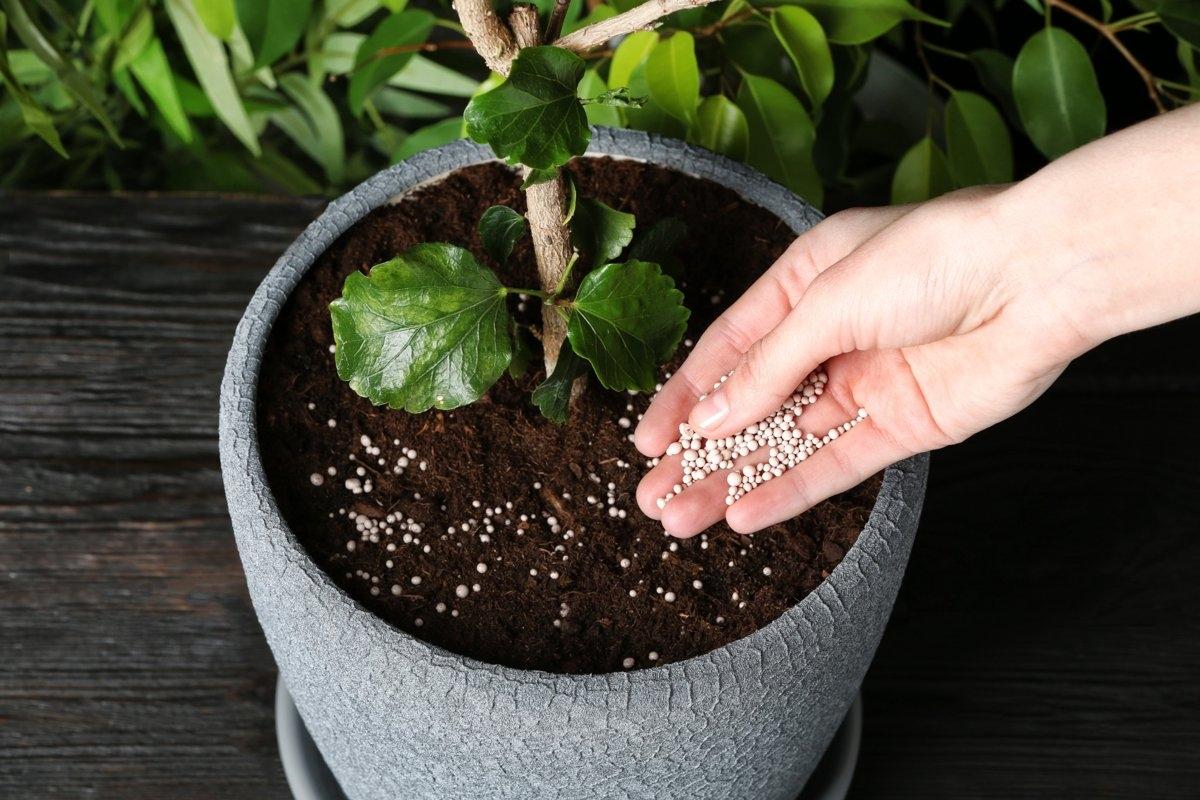
Just like people, plants need food to grow strong and healthy. The soil in their pots contains a limited supply of nutrients, which get used up over time. Fertilizing replenishes these essential minerals, helping your plants produce lush leaves and fragrant blooms.
Understanding how and when to feed your greenery is a simple way to ensure they get the nourishment they need. Your plants will often show you when they're hungry. Common signs of a nutrient deficiency include yellowing leaves, slow or stunted growth, and a lack of flowering. If you notice these symptoms, it might be time to introduce a balanced fertilizer into your care routine.
The most important rule of fertilizing is not to overdo it. You can choose liquid plant food or slow-release fertilizers. Most indoor plants simply need to be fed during their growing season, which is typically spring and summer. During the fall and winter, plant growth naturally slows down, and they don't require extra nutrients.
Use Plant Care Tools
If you have a busy schedule, travel a lot, or if you prefer a low-maintenance lifestyle, keeping indoor plants healthy can feel like a chore or a challenge. Fortunately, a variety of simple tools can take the time and guesswork out of plant care.
1. Watering accessories
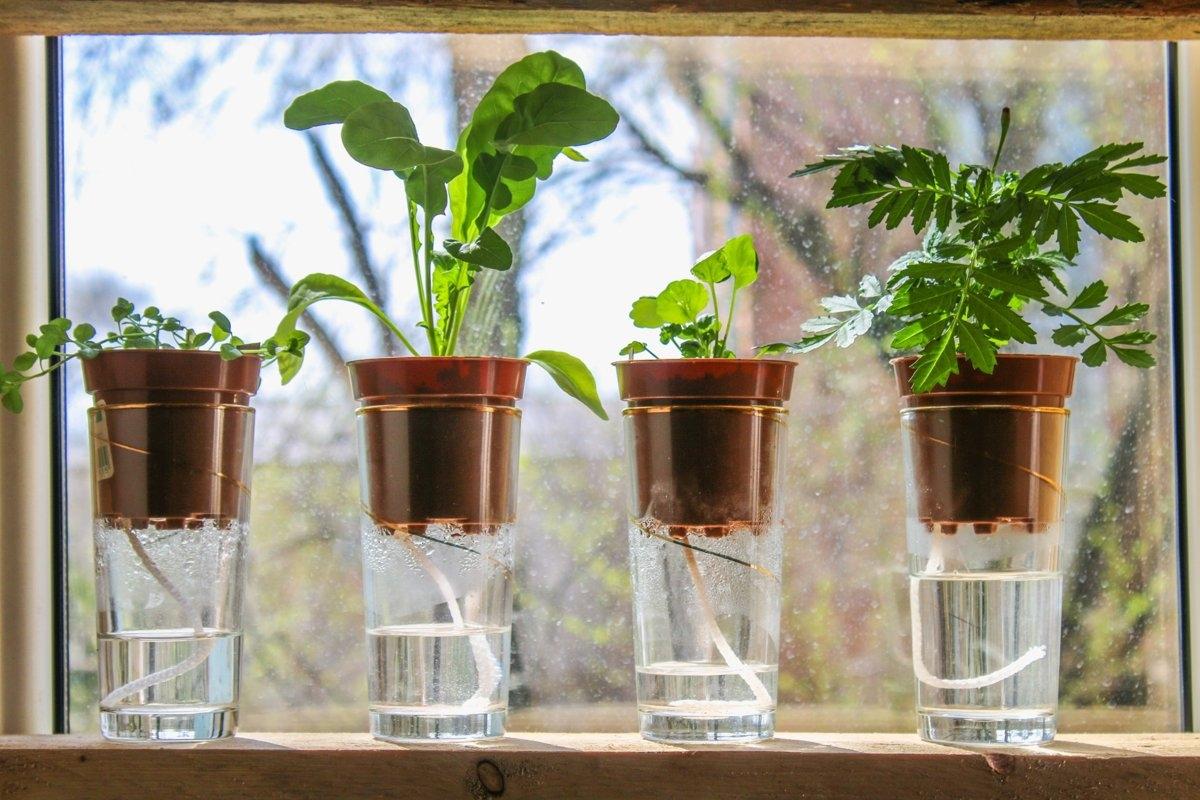
Leveraging items like self-watering pots, watering globes, and moisture meters can be a game-changer. These helpful aids provide a steady supply of moisture and accurate soil readings, ensuring your plants get the attention they need to thrive.
2. Natural light alternatives
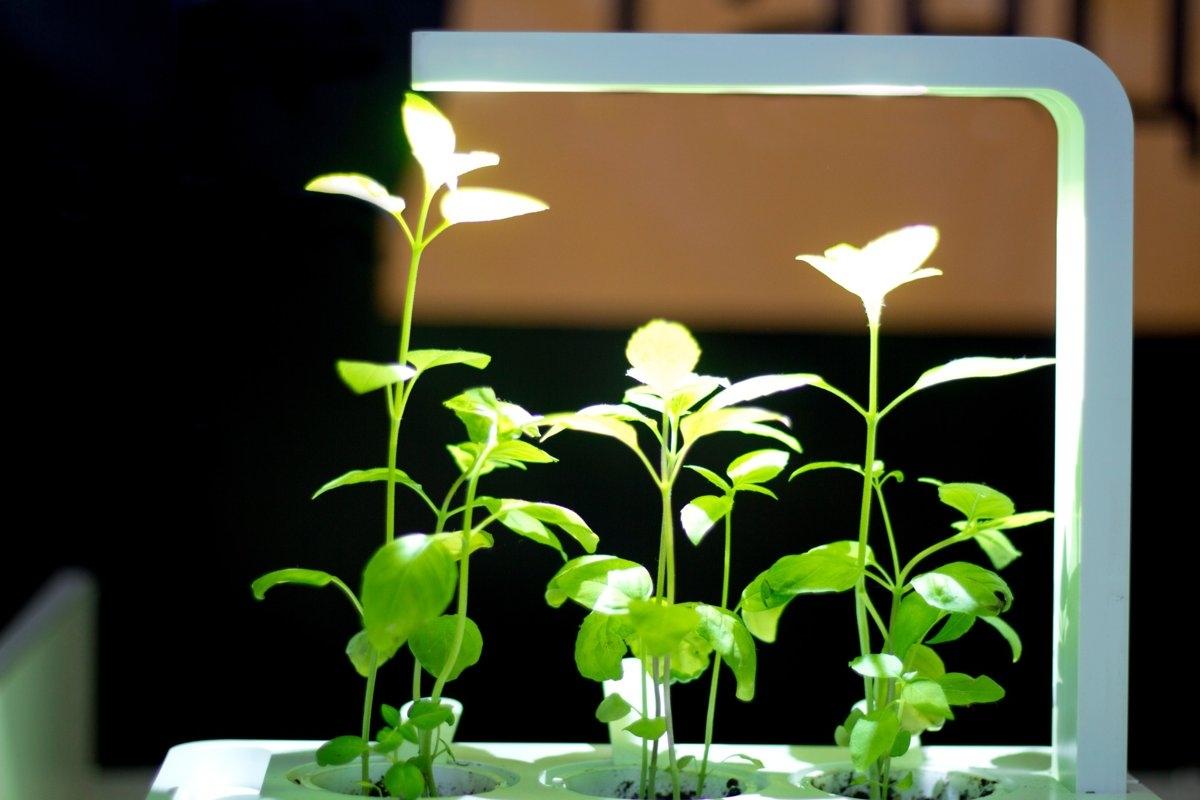
If your apartment gets little to no natural light, grow lights can provide an alternative light source for your plants. A simple, full-spectrum LED grow light can turn any corner into a suitable home for a plant. You can find them in various forms, from single bulbs that fit into standard lamps to discreet light strips you can place under shelves. This allows you to grow sun-loving plants like herbs or succulents even in a basement apartment!
3. Plant management assistants

Plant care apps are fantastic tools, offering personalized care reminders so you never miss a watering day or forget to fertilize. Many apps also include plant identification features—simply snap a photo and get instant information about your green friend. You’ll find tips tailored to each species' needs, troubleshooting advice for common issues, and sometimes even access to a supportive plant-loving community. These digital helpers make managing your plants easier than ever.
It’s as Easy as 1, 2, 3!
Caring for plants in an apartment doesn't have to be complicated. By understanding the basic needs of your greenery, creating a simple routine, and using helpful tools, you can easily transform your living space into a mini-botanical retreat. It’s a rewarding way to connect with nature and boost your own well-being. Plus, you’ll find keeping your plants happy and healthy is an enjoyable part of apartment living!
Happy planting!


