

You’ve just unloaded the last box from your car. Somewhere in this ocean of cardboard is your phone charger, and you’re pretty sure you packed a towel. Where, exactly, is a mystery. For now, though, you don’t have to unpack everything.
That is, until you cat's nonstop meowing has you cursing the confidence behind "I'll definitely remember where I packed her food bowl." You didn't label a single box. Now, you're digging through a postcard collection, a waffle iron, and cords you don't recognize. Surely the bowl is under Halloween decorations. It is not. Your cat doesn't care that you're doing your best. Why did you need to move again?
The beauty of new beginnings always comes with a healthy dose of chaos. Moving into a new apartment is no different. So, if you're face to face with unpacking, put down the box cutter and read on. Here's a breakdown of how to unpack after moving throughout the course of seven days. That way, your new place will feel like home in just a single week.
Before You Open a Single Box
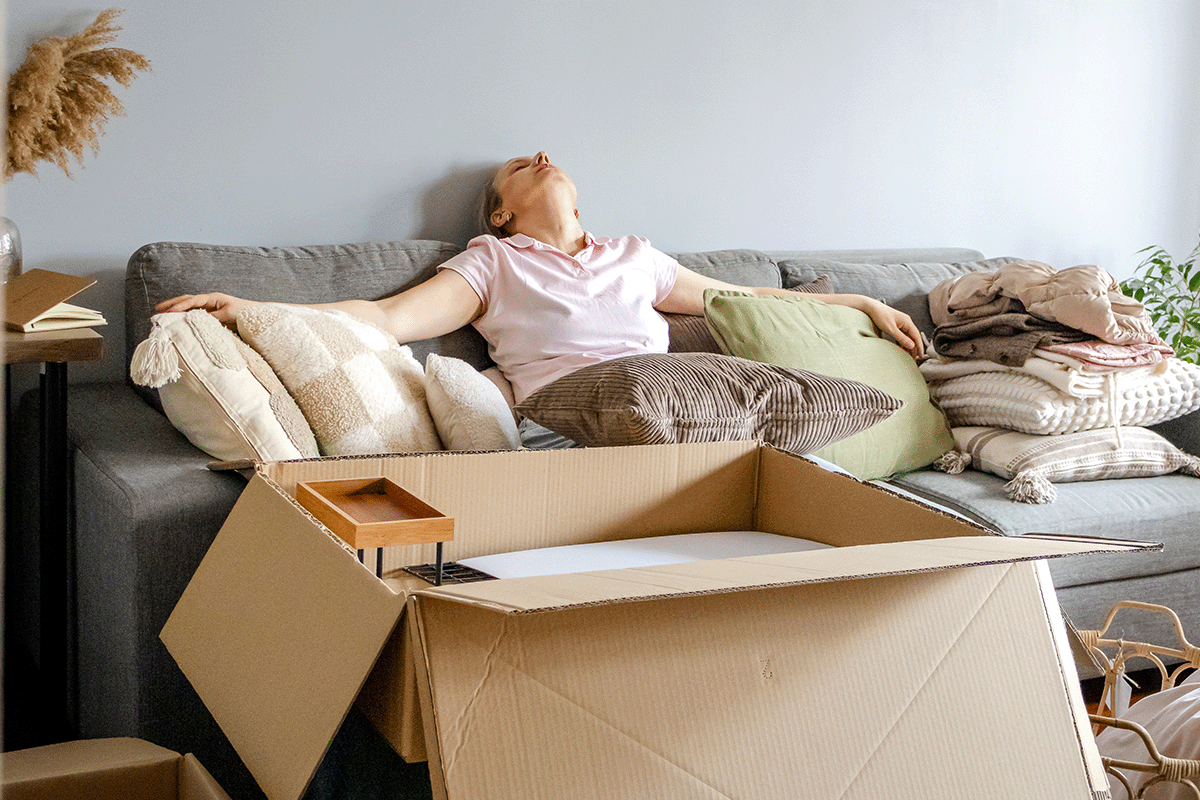
It may feel counterintuitive to slow your horses so early, but this step is crucial. You need to inspect your apartment. Do it now when your new place is still easy to rummage through. Already surrounded by boxes? Photograph what you can access now, then document covered areas as you clear them.
-
Take dated photos. Capture wide views and close-ups of existing damage, including floors, walls, corners, window frames, blinds, counters, cabinet interiors, appliances, and bathroom fixtures. Save the originals; they help establish the condition at move-in if questions arise about your deposit later.
-
Check the inspection deadline. Look for a move-in condition form and return window in your lease or welcome materials. Terms vary from community to community, so check yours now. Use our apartment walk-through checklist, submit your notes as directed, and keep a copy.
-
Test the basics. Check outlets, faucets, hot water, toilets, appliances, the thermostat, and door and window locks. Follow the instructions for testing smoke and carbon monoxide alarms. Send a maintenance request for problems as soon as possible. Critical repairs need to go through urgent maintenance.
-
Clean the accessible spots. Wipe empty shelves, cabinet interiors, and counters, then clean exposed floors with products suited to their surfaces. Our apartment cleaning tips cover the details. Photograph existing stains or damage before cleaning.
-
Check building logistics. You’re likely going to run out and either order or buy things for your new place. Therefore, you need to figure out deliveries. Also, it’s a good idea to confirm elevator limitations, loading areas, and permitted moving hours. Keep hallways and exits clear.
Also confirm that essential utilities are working and your renters insurance is active for the correct address.
Day One: What to Unpack First
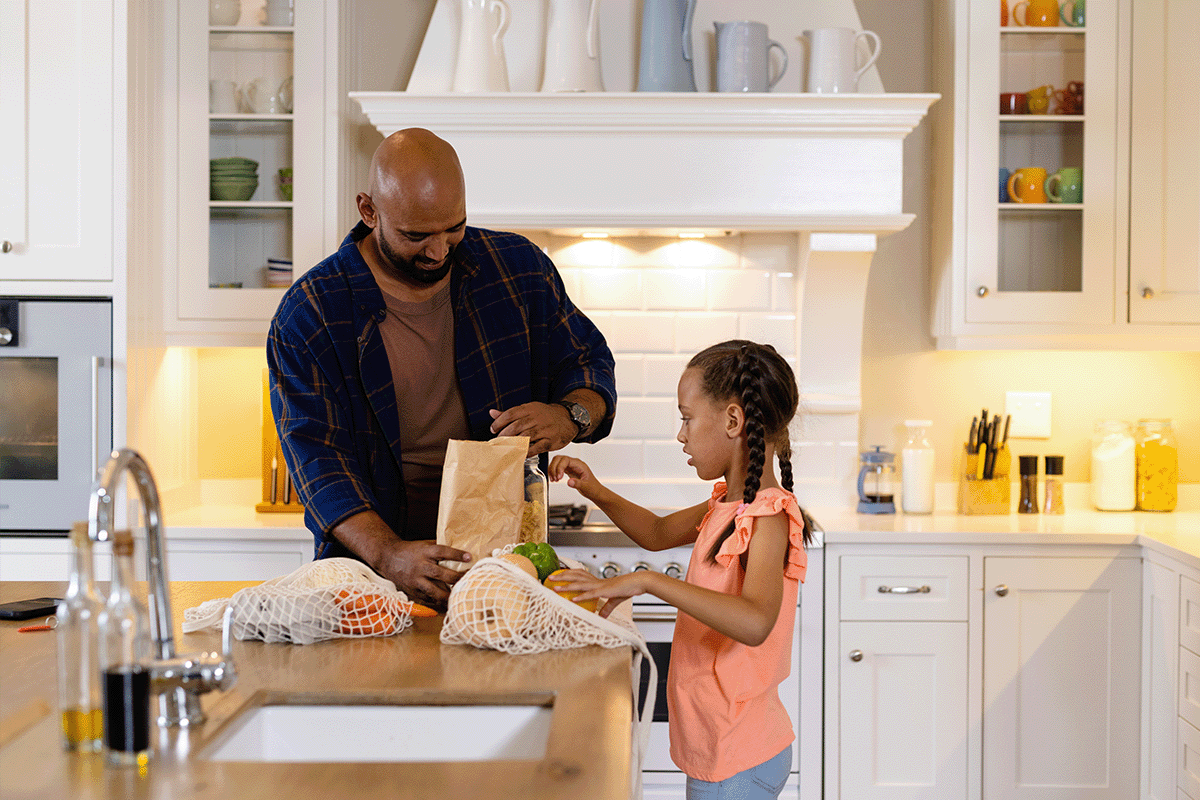
Moving is a tiresome ordeal. So, the first night’s goal is a usable bed, a working bathroom, and something to eat. That’s a great amount of progress for someone who has just relocated.
Assemble your bed while you still have energy, then add sheets and a pillow. And make sure you keep track of where you’ve packed your tools and hardware. Midnight is a terrible time to discover that the hardware bag is labeled “miscellaneous.”
Next, put toilet paper and hand soap by the toilet and sink, hang a towel, and set out toiletries and a bathroom trash can. Add a shower curtain and liner. Plug in one lamp, charge your phone, and clear a path between the bed, bathroom, and exit.
What Belongs in Your First-Night Box
Keep these essentials together and within reach:
-
Sheets, a pillow, and a blanket
-
A towel
-
Toothbrush, toothpaste, and other toiletries
-
Medications and personal care essentials
-
Phone charger
-
A change of clothes and sleepwear
-
Toilet paper and hand soap
-
A trash bag
-
Basic tools for furniture assembly
-
Scissors or a box cutter
-
Something easy to eat and water to drink
Didn’t pack an open-first box? Use this as tonight’s find-it list, then a shopping list for anything essential you’re missing. You don’t need to replace things you can locate with a little label-reading.
Put away perishable food. Those can't wait for kitchen-unpacking day.
If this is your first place, our first apartment checklist can help you spot other basics to gather as you settle in. For tonight, once you can wash up and go to bed, you can stop.
Days Two and Three: Kitchen, Clothes, and Everyday Essentials
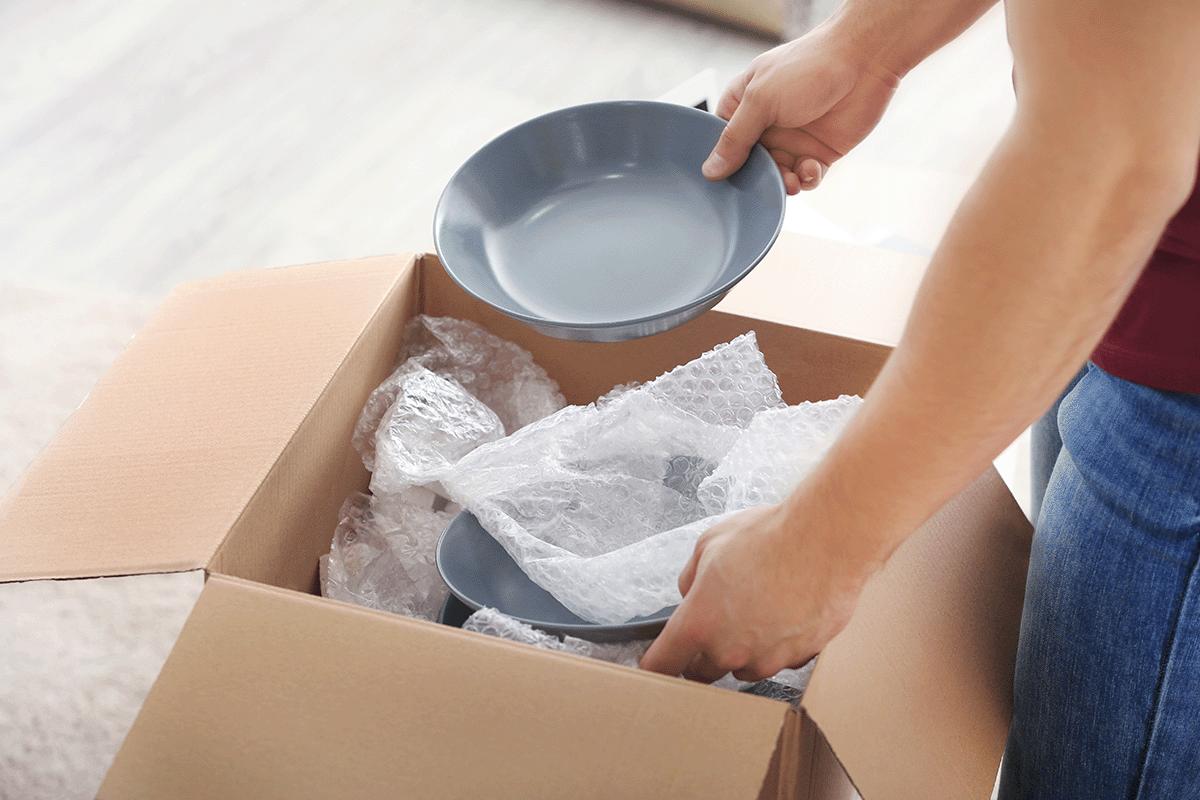
Start with the kitchen items you use every day. Now gather a few dishes, glasses, utensils, and the cookware you need for a simple meal. Add dish soap, a sponge, and a trash bag so cleanup is possible, too.
Place everyday dishes near the sink or dishwasher and cookware near the stove. Leave yourself a clear patch of counter space for preparing food.
If you’re sharing the apartment with roommates, agree on kitchen shelves, bathroom storage, and shared items before filling every available inch. A quick conversation now saves everyone from playing refrigerator Tetris later.
Move on to clothes you’ll wear this week. Hang items that belong on hangers, put underwear and socks somewhere accessible, and designate a laundry spot. Leave seasonal clothes for later. Let the actual closet space guide your setup before buying extra storage.
How to Unpack Fast
Choose one useful task at a time: enough dishes for breakfast, clothes for tomorrow, or your work setup. Finish putting that group away before opening another box. Short sessions count, especially when the rest of your life hasn’t politely paused for moving week.
Flatten boxes as you empty them. Besides taking up space, cardboard can provide nesting materials for rodents. That's not a welcome wagon you want. Follow your building’s recycling location and size rules, and arrange prompt pickup if you’re giving clean, dry boxes to another mover. The hallway is everyone’s hallway.
Days Four and Five: The Admin Checklist

With the basics in place, give the paperwork a look. Use this list to catch anything outstanding and handle time-sensitive items sooner. Internet installation, for example, may need booking before moving day if you depend on it immediately.
-
Check internet access. Test your connection or confirm the setup appointment.
-
Update your address. Arrange postal forwarding and change it directly with your bank, employer, subscriptions, and other accounts that send mail.
-
Review renters insurance. Confirm your policy’s effective date and new address with your insurer. Our renter's insurance FAQ covers common questions.
-
Try your mail key. Find the mailbox, test the key, and learn how package deliveries, pickup notifications, and access codes work.
-
Learn the waste routine. Note trash and recycling locations, collection schedules, and instructions for oversized items.
-
Save maintenance contacts. Keep the request process and after-hours emergency number on your phone. Follow up on unresolved move-in issues.
-
Locate the breaker panel and water shutoff. Ask management which controls serve your apartment, what you can access, and whom to call if access is restricted.
Days Six and Seven: Set Up Systems with What You Own

Give yourself two weeks before buying organizers. You need time to discover what fits, what you reach for, and which cabinet door collides with which drawer. Measure once you understand the problem. A matching set of bins has many talents, but making a closet deeper isn’t one of them.
For now, give your keys a consistent landing spot, put frequently used items within reach, and try the containers you already own. A spare bowl can hold keys. An empty suitcase can store seasonal clothes. These arrangements can change whenever you need them to.
For small apartment organization ideas, look at unused space under the bed, existing upper shelves, and storage inside furniture you already have. Reuse an over-door organizer if it fits without scraping or preventing the door from closing.
Before drilling, adding anchors or shelves, mounting a TV, painting, or changing hardware, check your lease and ask management in writing about permission and any move-out restoration requirements. Keep the response. Terms vary, and “renter-friendly” on a package doesn’t settle the question.
If your mind is already wandering toward decor, start with small standing frames on existing surfaces. Removable hooks or strips may work where permitted, but follow surface, weight, and removal instructions. Remember that adhesives can still damage paint.
How to Unpack After Moving: A Recap
Do during week one |
Can wait until later |
|
Document condition and meet your inspection deadline |
Gallery walls and decorative painting |
|
Set up your bed and bathroom basics |
Coordinated bedding and decorative accessories |
|
Unpack daily dishes, cookware, and clothing |
Specialty kitchen tools and seasonal clothes |
|
Confirm utilities, insurance, mail, and maintenance contacts |
Perfecting every drawer and cabinet |
|
Clear walking paths and remove empty boxes |
Buying organizers after living in and measuring the space |
|
Make space for daily work, study, or care needs |
Finishing a spare room you don’t need yet |
|
Arrange what you already own so daily life works |
Shopping for rugs and new plants |
A Little More Settled, a Little Wiser for Your Next Move
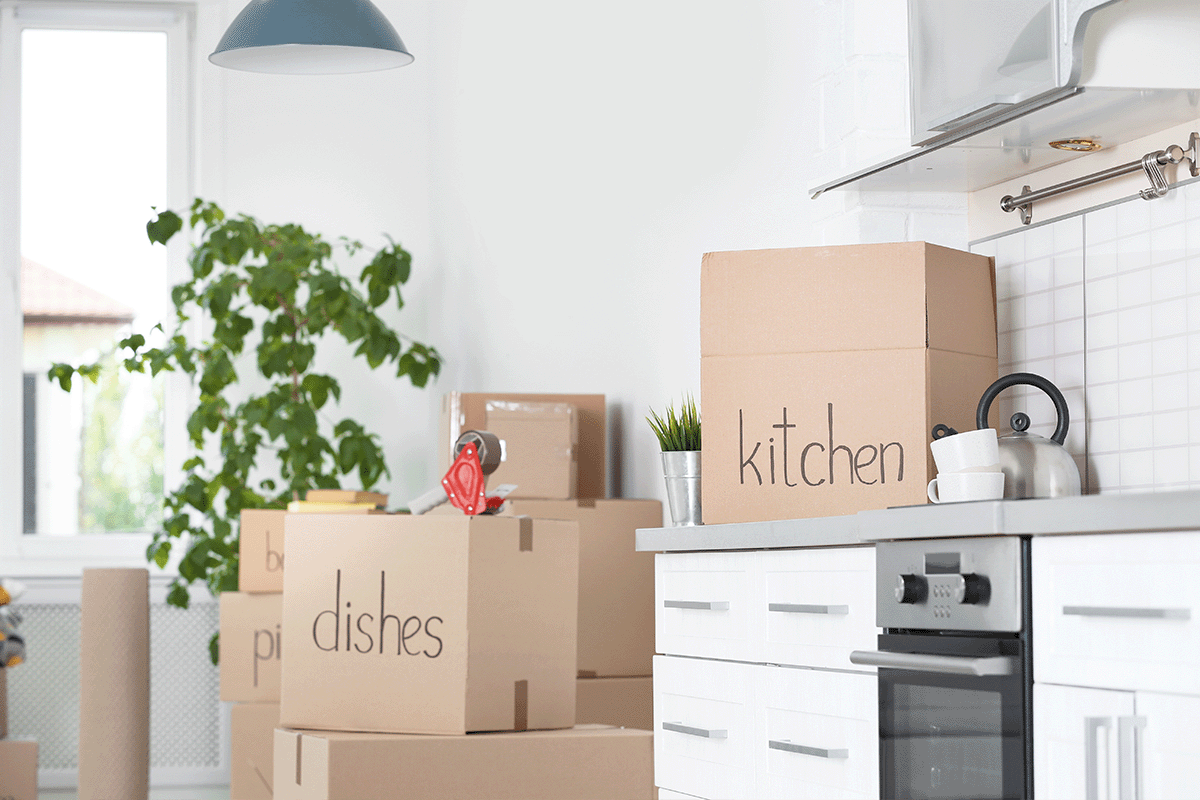
Your first week is about getting comfortable. Don't let a few unopened boxes stand in the way! Make the bed, find your favorite mug, and give yourself time to figure out where everything belongs. As you settle in, keep a little list of what works in your new space and what you’d want for your next move. Maybe it’s a bigger closet. Maybe it’s a kitchen where opening the dishwasher doesn’t require an escape plan.
Whenever you’re ready to move again, browse apartments on Apartments.com to find a place that fits the way you live.
FAQs
How do I unpack after moving?
To make unpacking after moving a breeze, you need to divide the work into days. After documenting the apartment’s condition, unpack bedding, bathroom essentials, medications, chargers, and food. Use the day-one plan to get ready for your first night, adding anything your daily needs require.
How long does it take to unpack after a move?
There’s no single right timeline for unpacking after a move. Your belongings, available time, energy, and help all affect the process. Use the week-one checklist to prioritize essentials and let less-used items and decorating take longer.
What should be in a first night box?
A first-night box should hold bedding, a towel, toiletries, medications, chargers, clothes, toilet paper, hand soap, a trash bag, basic tools, scissors, and food and water. Keep it accessible, using the first-night list to check what you have.
Should I take photos when I move into an apartment?
Yes, take dated photos of the apartment’s condition as early as possible, ideally before belongings cover surfaces. Keep the originals and submit any required condition form on time; the before-unpacking list explains where to start.


