

Florida keeps drawing renters in, and it's easy to see why. No state income tax, a job market that spans healthcare, tech, tourism, and defense, and a coastline that runs nearly 1,350 miles make the Sunshine State one of the most compelling places to rent in the country. This causes the renters considering calling Florida home to yell: "Say less!"
Whether you want a high-rise with Biscayne Bay views or a quiet apartment halfway between Tampa and Orlando, the options are real and they're wide. This guide covers 20 of the most popular cities for renters in Florida, from the largest metros to underrated mid-sized markets. Each entry includes a snapshot of key data and a clear-eyed look at what renting there actually looks like day-to-day: including the biggest draw and the one thing to plan around.
The 20 best places to live in Florida in 2026 are:
- Jacksonville
- Miami
- Tampa
- Orlando
- St. Petersburg
- Fort Lauderdale
- Tallahassee
- Gainesville
- Sarasota
- Cape Coral
- Fort Meyers
- West Palm Beach
- Clearwater
- Boca Raton
- Daytona Beach
- Kissimmee
- Lakeland
- Pensacola
- Naples
- Ocala
1. Jacksonville
Highlights |
|
|
Avg. Rent (1 BR) |
$935/mo |
|
Population |
994,470 |
|
% Renters |
~38% |
|
Median Age |
39 |
|
Median Household Income |
$60,187 |
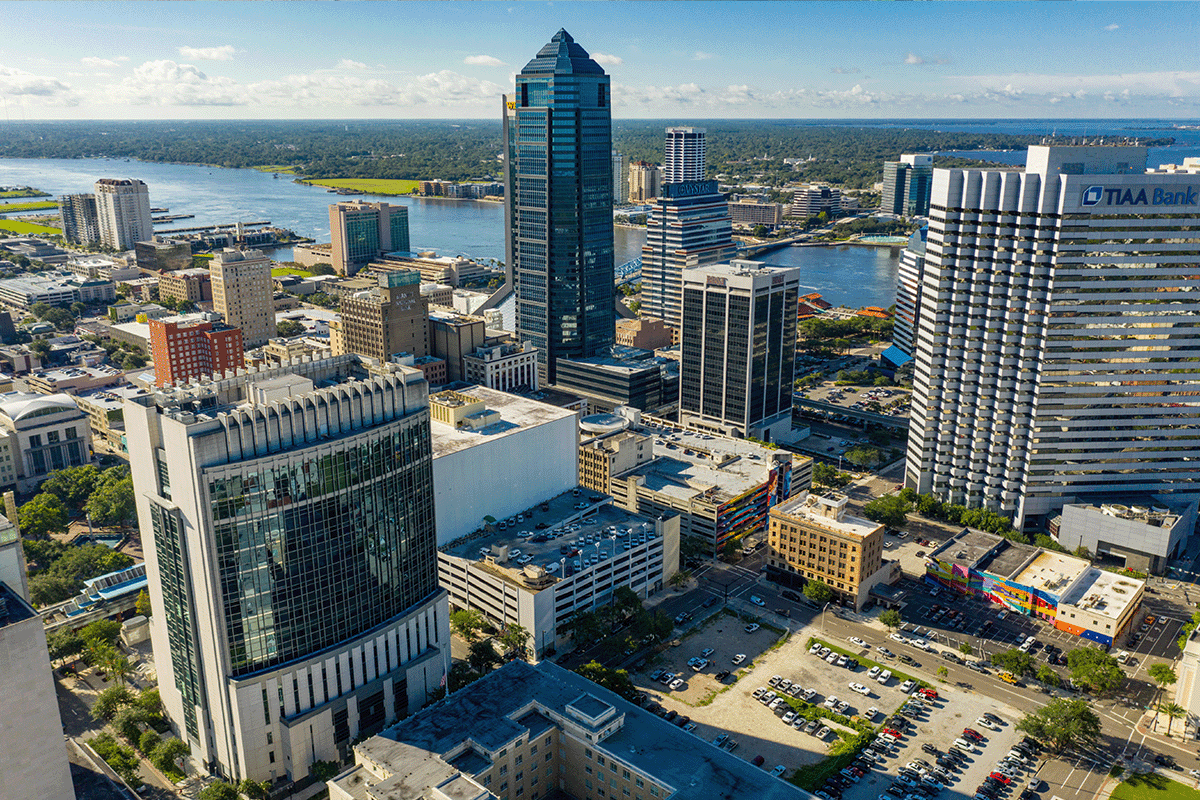
Jacksonville is Florida's largest city by land area with nearly 900 square miles. Its cost of living runs 10.1% below the national average, making it one of the most affordable major metros in the state.
- Why renters love it: Rent is well below the state average; 111,000 acres of public parks and nature preserves within city limits; direct access to Atlantic Coast beaches for surfing, fishing, and weekend relaxation
- Biggest pro: At $935/month for a one-bedroom, Jacksonville delivers major-city infrastructure — a strong job market, multiple universities, pro sports, and an international airport — at a price point that leaves room in the budget
- Biggest consideration: The city's sheer size means commutes can stretch considerably depending on where you live versus where you work; a car is essential
2. Miami
Highlights |
|
|
Avg. Rent (1 BR) |
$1,424/mo |
|
Population |
443,741 |
|
% Renters |
~70% |
|
Median Age |
41 |
|
Median Household Income |
$52,516 |
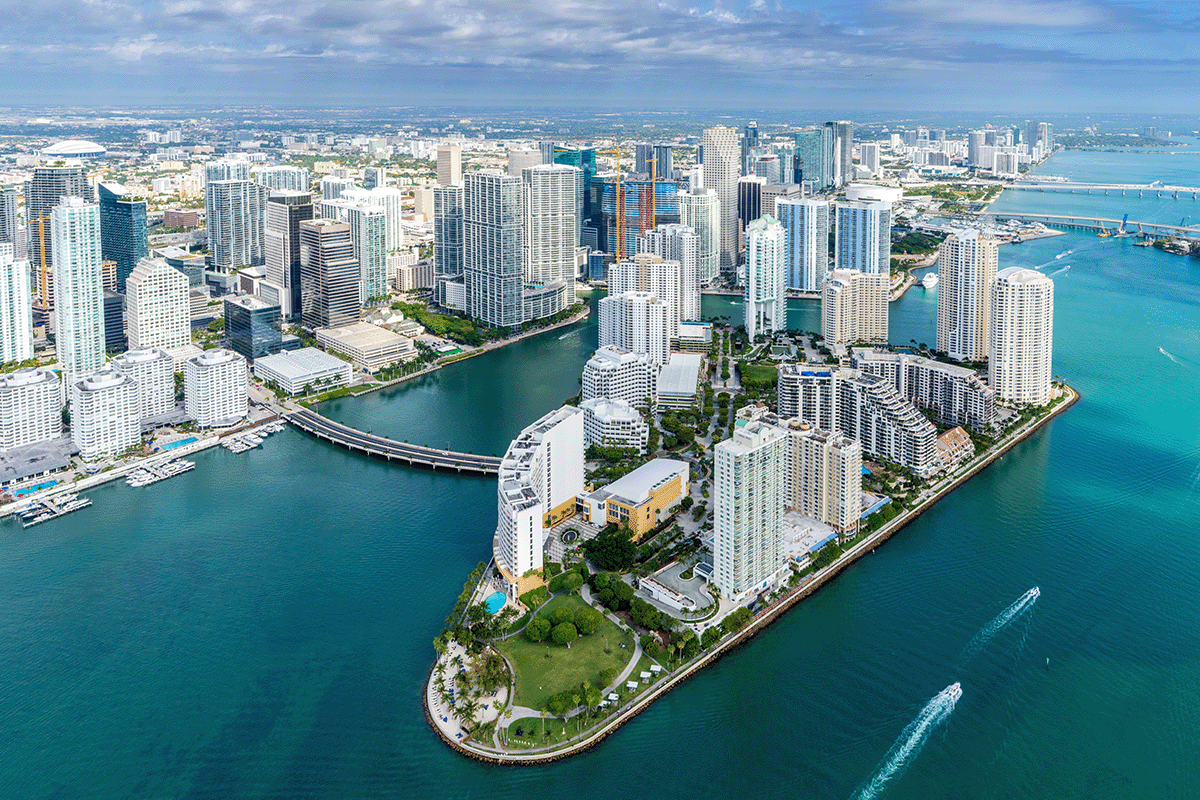
Miami is one of the most renter-dominated cities in the country, with roughly 70% of residents renting rather than owning. The city's international energy, shaped by neighborhoods like Brickell, Wynwood, Little Havana, and Coconut Grove, is unlike anywhere else in the state.
- Why renters love it: A genuinely global city with world-class dining, art (Pérez Art Museum, Wynwood Walls), and nightlife; home to the University of Miami and Florida International University; Metromover, Metrobus, and Tri-Rail provide transit options without a car
- Biggest pro: Cultural density and career opportunity are unmatched in Florida — finance, healthcare, hospitality, and international trade all converge here
- Biggest consideration: Cost of living runs 20% above the national average, with housing 57.3% above the national average; budget carefully before signing a lease
3. Tampa
Highlights |
|
|
Avg. Rent (1 BR) |
$1,100/mo |
|
Population |
409,872 |
|
% Renters |
~52% |
|
Median Age |
39 |
|
Median Household Income |
$65,588 |
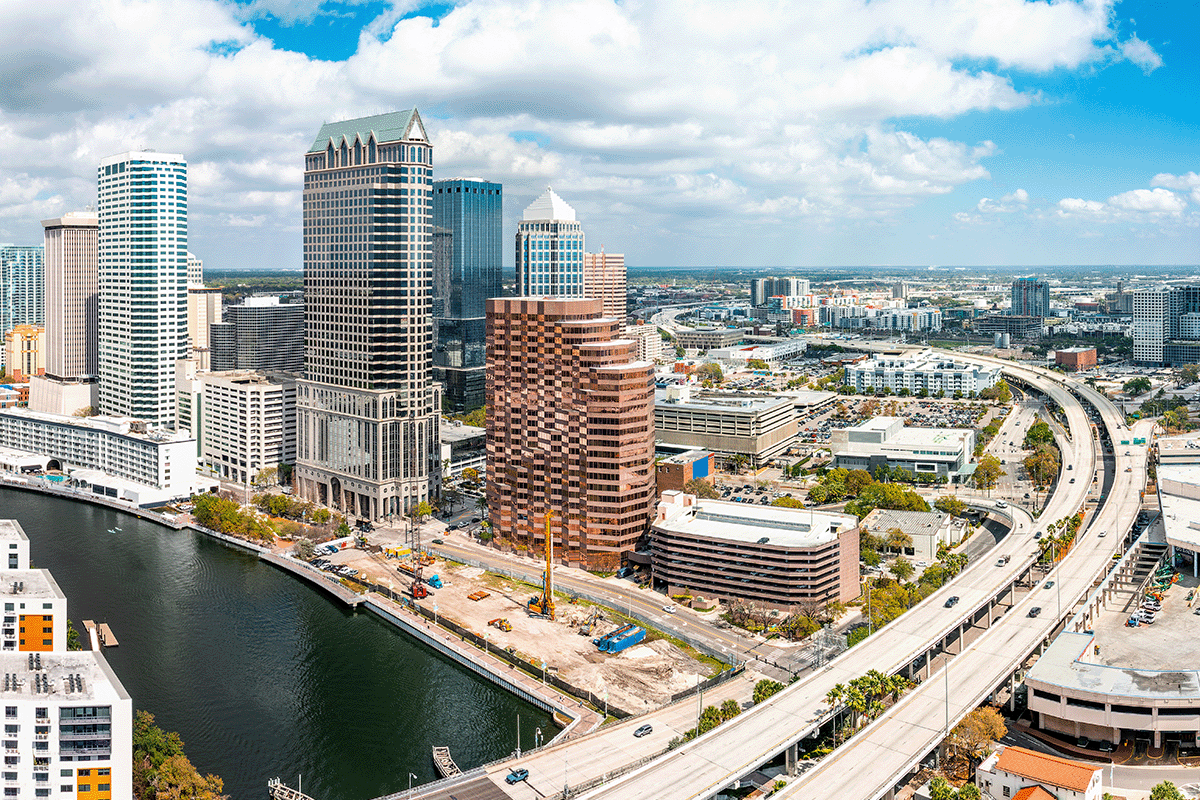
Tampa is nestled on Florida's west coast along Tampa Bay and delivers the full package: a growing downtown, a thriving food-and-nightlife scene centered on Ybor City, and easy access to St. Pete and Clearwater beaches. Cost of living comes in just 2.8% below the national average, which is competitive for a city of this size and profile.
- Why renters love it: The Riverwalk along the Hillsborough River anchors a walkable downtown core; the University of South Florida and the University of Tampa anchor a strong academic and employment base; Tampa International Airport offers direct flights across the country and internationally
- Biggest pro: One-bedroom rents average $1,100/month while the city's economy — healthcare, finance, defense, tech — continues to expand
- Biggest consideration: Utilities run 7.1% above the national average, and hurricane season preparation is a real annual consideration for Gulf Coast renters
4. Orlando
Highlights |
|
|
Avg. Rent (1 BR) |
$1,181/mo |
|
Population |
333,013 |
|
% Renters |
~55% |
|
Median Age |
38 |
|
Median Household Income |
$59,951 |
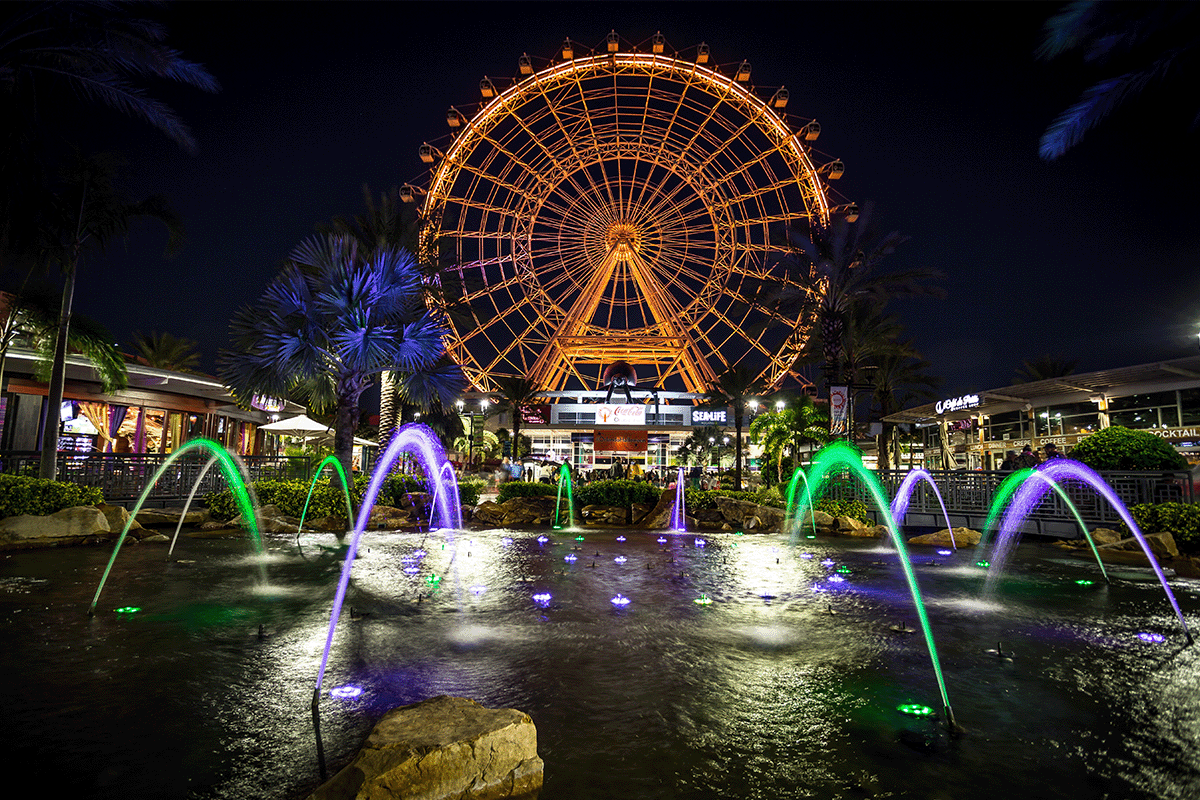
Orlando's reputation as a theme park city undersells it. The University of Central Florida, one of the largest university campus in the U.S., anchors a major employment and innovation corridor, and the city's cost of living runs 9.4% below the national average, with housing coming in 22.1% below the national average.
- Why renters love it: SunRail commuter rail connects key parts of the metro; Lake Eola Park is a genuine urban greenspace; both the Gulf Coast and Atlantic beaches are about an hour away in either direction
- Biggest pro: One of the most affordable large cities in Florida, with a diverse job market spanning tourism, healthcare, aerospace, and tech
- Biggest consideration: I-4 is one of the most congested highways in the country; living close to work or transit makes a significant difference in daily life
5. St. Petersburg
Highlights |
|
|
Avg. Rent (1 BR) |
$1,108/mo |
|
Population |
256,132 |
|
% Renters |
~45% |
|
Median Age |
43 |
|
Median Household Income |
$67,784 |
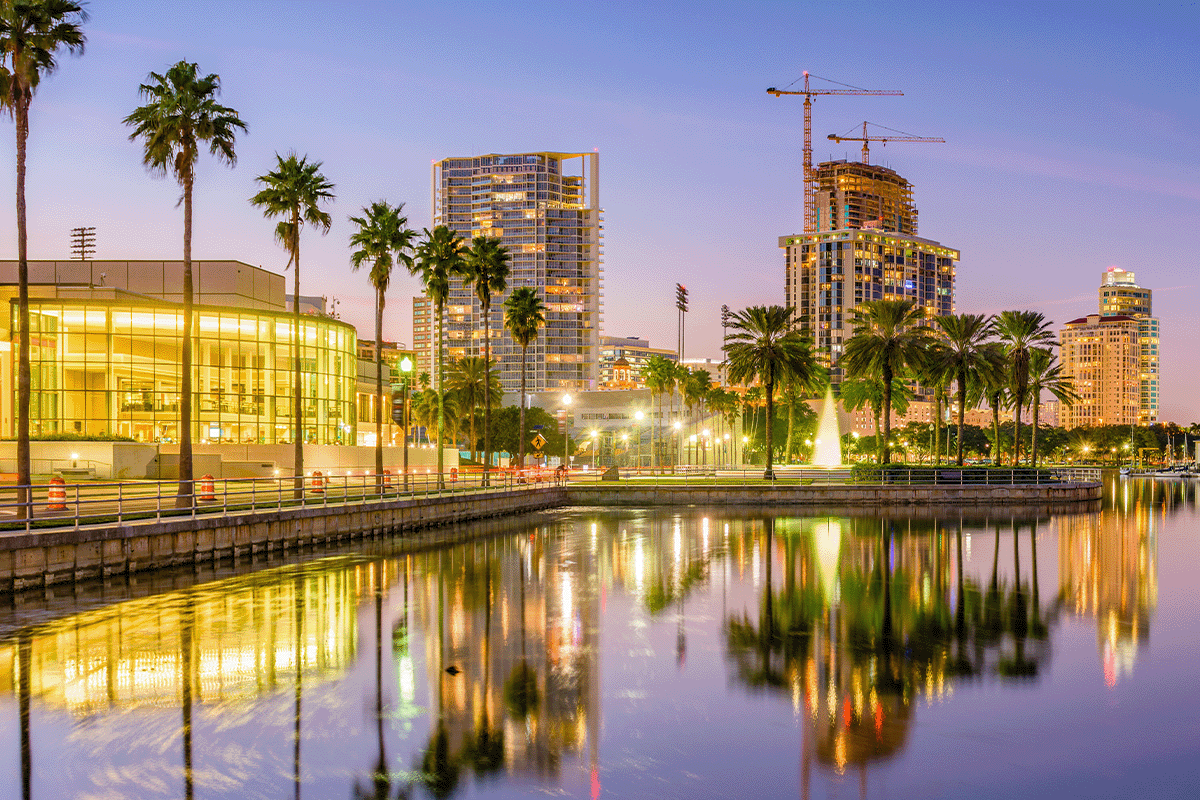
St. Petersburg sits at the southern tip of the Pinellas Peninsula, flanked by Tampa Bay on one side and the Gulf of Mexico on the other. The city has built a reputation for its arts scene, with more than 30 museums and galleries including the Salvador Dalí Museum, and its walkable, restaurant-lined downtown.
- Why renters love it: The waterfront is genuinely accessible and walkable from much of the city; a strong arts and dining culture anchors downtown; the Pinellas Suncoast Transit Authority (PSTA) provides bus service throughout the county
- Biggest pro: A mid-size city with a strong sense of identity, walkable neighborhoods, and rents that come in below the state average
- Biggest consideration: Flood insurance and storm surge risk are real concerns in low-lying areas — factor that into where you choose to rent
6. Fort Lauderdale
Highlights |
|
|
Avg. Rent (1 BR) |
$1,490/mo |
|
Population |
199,270 |
|
% Renters |
~56% |
|
Median Age |
44 |
|
Median Household Income |
$78,954 |
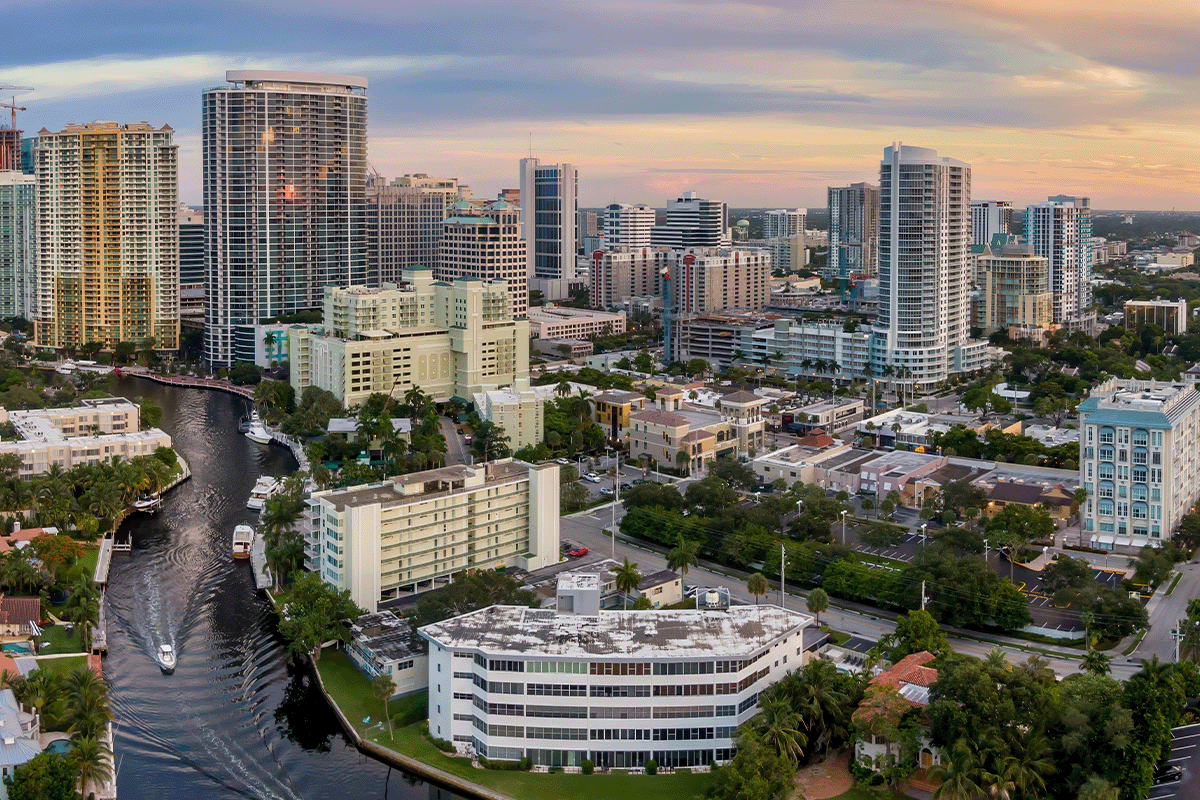
Fort Lauderdale earns its "Venice of America" nickname: 165 miles of inland waterways wind through the city, and Las Olas Boulevard offers a stretch of restaurants, galleries, and nightlife that rivals anything in South Florida. The cost of living runs 25.2% above the national average; driven largely by housing, which sits 76.6% above the national index.
- Why renters love it: Tri-Rail commuter service connects Fort Lauderdale to Miami and West Palm Beach; Fort Lauderdale-Hollywood International Airport is one of the busiest in the region; Broward Center for the Performing Arts and the Museum of Science and Discovery anchor a rich cultural calendar
- Biggest pro: A polished, walkable downtown with direct beach access and strong job connectivity to the larger South Florida metro
- Biggest consideration: Housing costs are among the highest in the state; renters on a tighter budget will find more value in nearby suburbs
7. Tallahassee
Highlights |
|
|
Avg. Rent (1 BR) |
$827/mo |
|
Population |
192,920 |
|
% Renters |
~55% |
|
Median Age |
35 |
|
Median Household Income |
$51,396 |
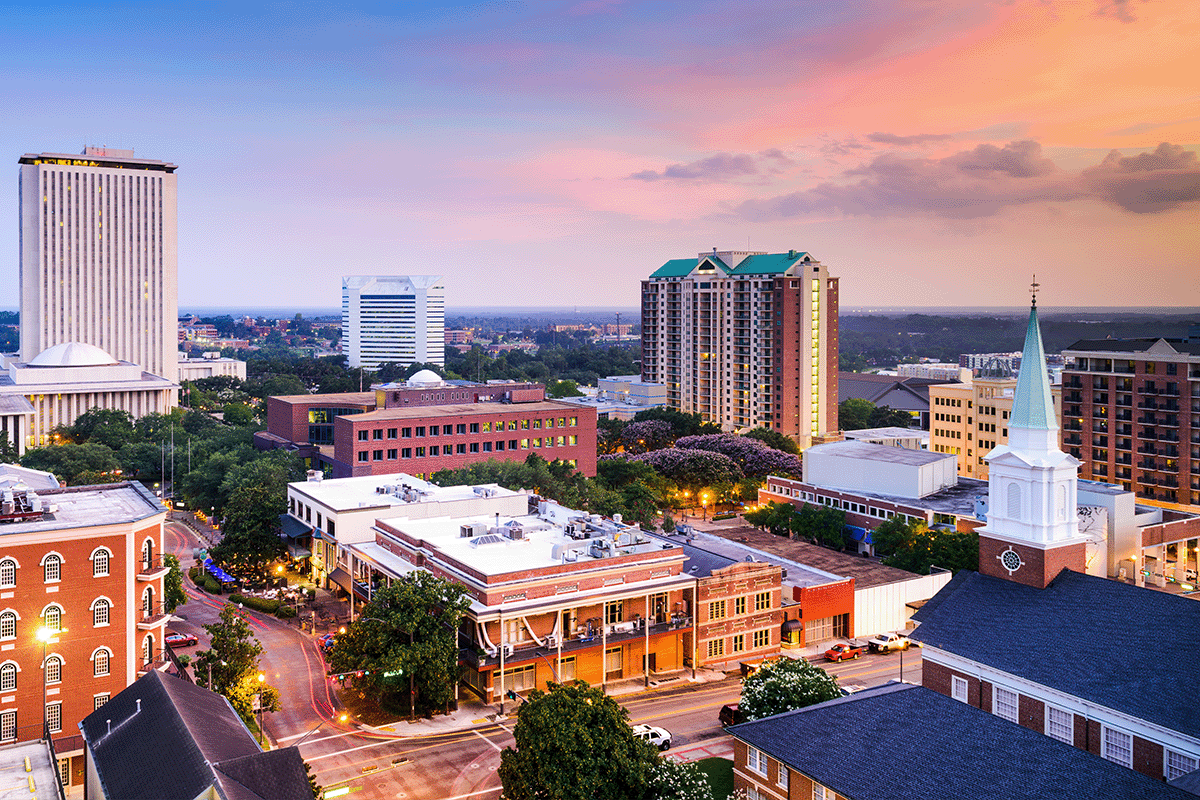
Florida's capital city wears two identities at once: seat of state government and one of the Southeast's most storied college towns. Florida State University and Florida A&M University together enroll more than 70,000 students and drive the city's cultural pulse — from football Saturdays to the annual Springtime Tallahassee festival. Tallahassee's cost of living sits 5.8% below the national average, with utilities running 17.6% below the national index.
- Why renters love it: Some of the lowest rents in the state at $827/month for a one-bedroom; a downtown packed with bars, live music venues, and locally owned restaurants; events like the Tallahassee Film X Art X Music X Experience Festival (TFF X FAME) and Maclay Gardens offer year-round activities
- Biggest pro: Among the most affordable cities in Florida for renters, with a median age of 35 that reflects an active, energetic community
- Biggest consideration: The city is not close to Florida's beaches or major metro employment hubs — it's best suited for those working in government, education, or healthcare locally
8. Gainesville
Highlights |
|
|
Avg. Rent (1 BR) |
$874/mo |
|
Population |
143,314 |
|
% Renters |
~60% |
|
Median Age |
34 |
|
Median Household Income |
$42,108 |
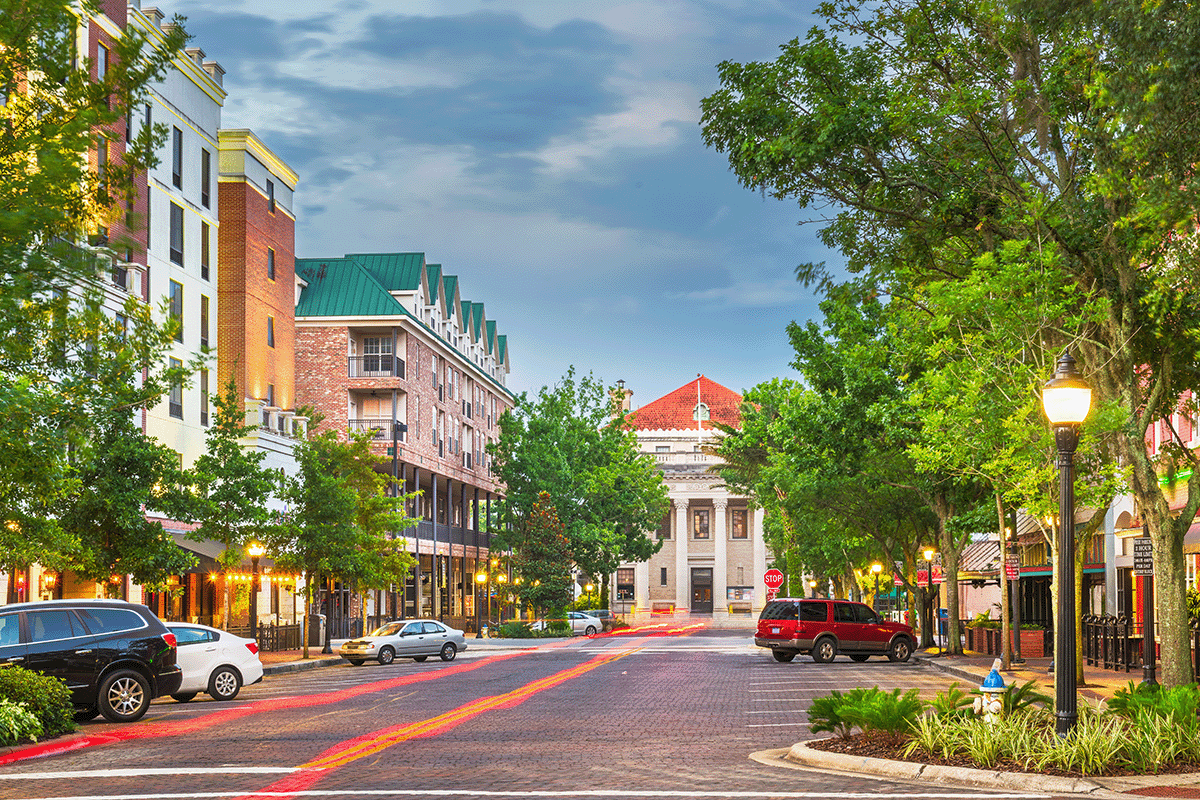
Gainesville is home to the University of Florida, one of the top public research universities in the country. The UF campus anchors nearly every facet of daily life in the city. The downtown district, anchored by the historic Hippodrome State Theatre, delivers a packed calendar of live music, nightlife, and local dining at a price that is hard to beat.
- Why renters love it: Rents average just $874/month for a one-bedroom; Devil's Millhopper Geological State Park, Payne's Prairie Preserve State Park, and natural springs are minutes from the city; the UF campus draws national concerts, lectures, and sporting events year-round
- Biggest pro: One of the most affordable and walkable college cities in Florida, with a median age of 34 and a built-in community of students, researchers, and creatives
- Biggest consideration: The job market outside of the university and healthcare sectors is limited; income levels trend lower than the state average
9. Sarasota
Highlights |
|
|
Avg. Rent (1 BR) |
$1,263/mo |
|
Population |
61,007 |
|
% Renters |
~43% |
|
Median Age |
47 |
|
Median Household Income |
$66,550 |
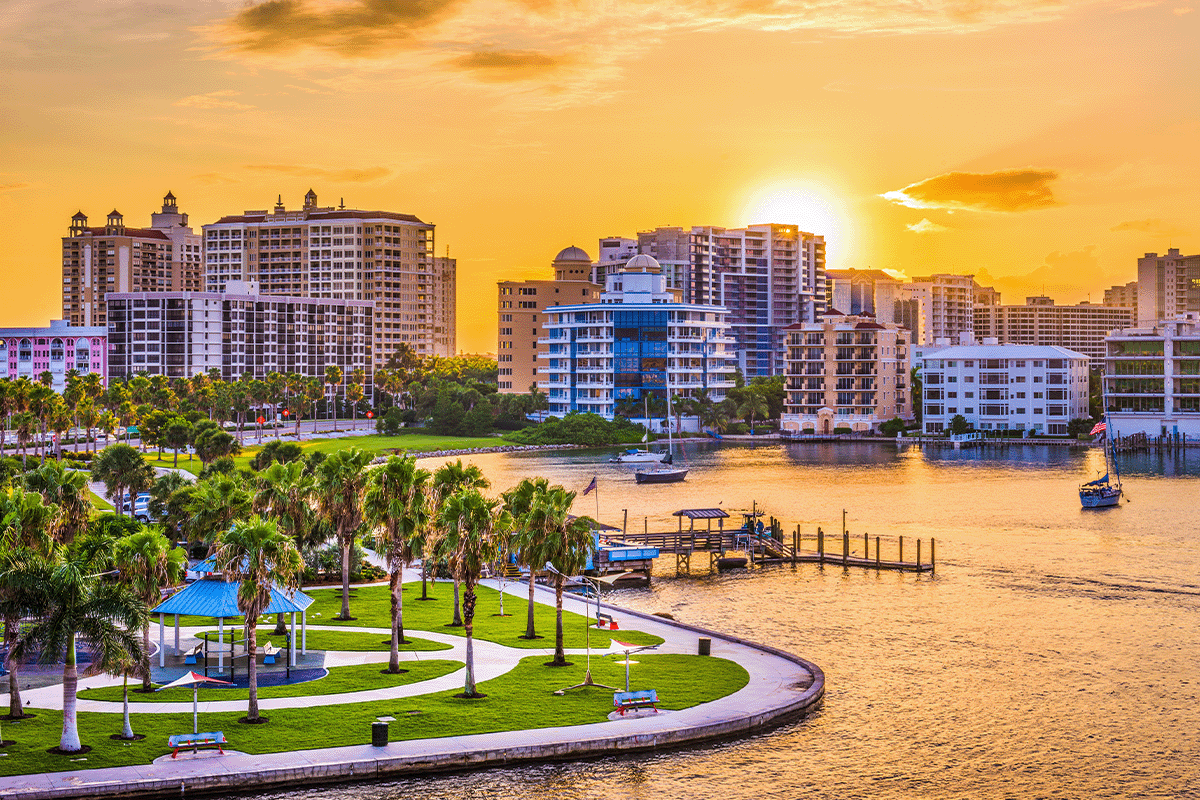
Sarasota punches well above its population size. The Gulf Coast city is home to a nationally recognized arts scene: galleries, theaters, and the Ringling College of Art and Design all contribute to that reputation. Sarasota thrives thanks to white-sand beaches, a tree-lined downtown with cosmopolitan dining, and a cost of living 4.5% above the national average.
- Why renters love it: Siesta Key Beach consistently ranks among the best beaches in the country; the downtown arts district offers galleries, theater, and outdoor dining within walking distance; Sarasota/Bradenton International Airport provides direct service to major hubs
- Biggest pro: A smaller city with the cultural and culinary infrastructure of a much larger one — without the crowds of Miami or Tampa
- Biggest consideration: The median age of 47 reflects a more established community; renters in their 20s and 30s may find the social scene quieter than in larger Florida cities
10. Cape Coral

Highlights |
|
|
Avg. Rent (1 BR) |
$1,069/mo |
|
Population |
229,679 |
|
% Renters |
~28% |
|
Median Age |
44 |
|
Median Household Income |
$68,902 |
Cape Coral is one of the fastest-growing cities in the country, sitting along the Caloosahatchee River as it opens into the Gulf of Mexico. The city has over 400 miles of navigable canals, more than any other city in the world. Its cost of living runs 1.2% below the national average.
- Why renters love it: Access to waterways, kayaking, and Gulf fishing is built into the geography; Four Mile Cove Ecological Preserve offers trails and kayak rentals; white-sand beaches on nearby Sanibel Island are a short drive away
- Biggest pro: A fast-growing Gulf Coast city with below-average costs, strong outdoor recreation, and a quieter pace than Fort Myers or Naples
- Biggest consideration: Cape Coral is primarily a driving city — public transit is limited, and most errands require a car; the city is also in an active hurricane zone
11. Fort Myers
Highlights |
|
|
Avg. Rent (1 BR) |
$1,049/mo |
|
Population |
104,192 |
|
% Renters |
~47% |
|
Median Age |
43 |
|
Median Household Income |
$56,426 |
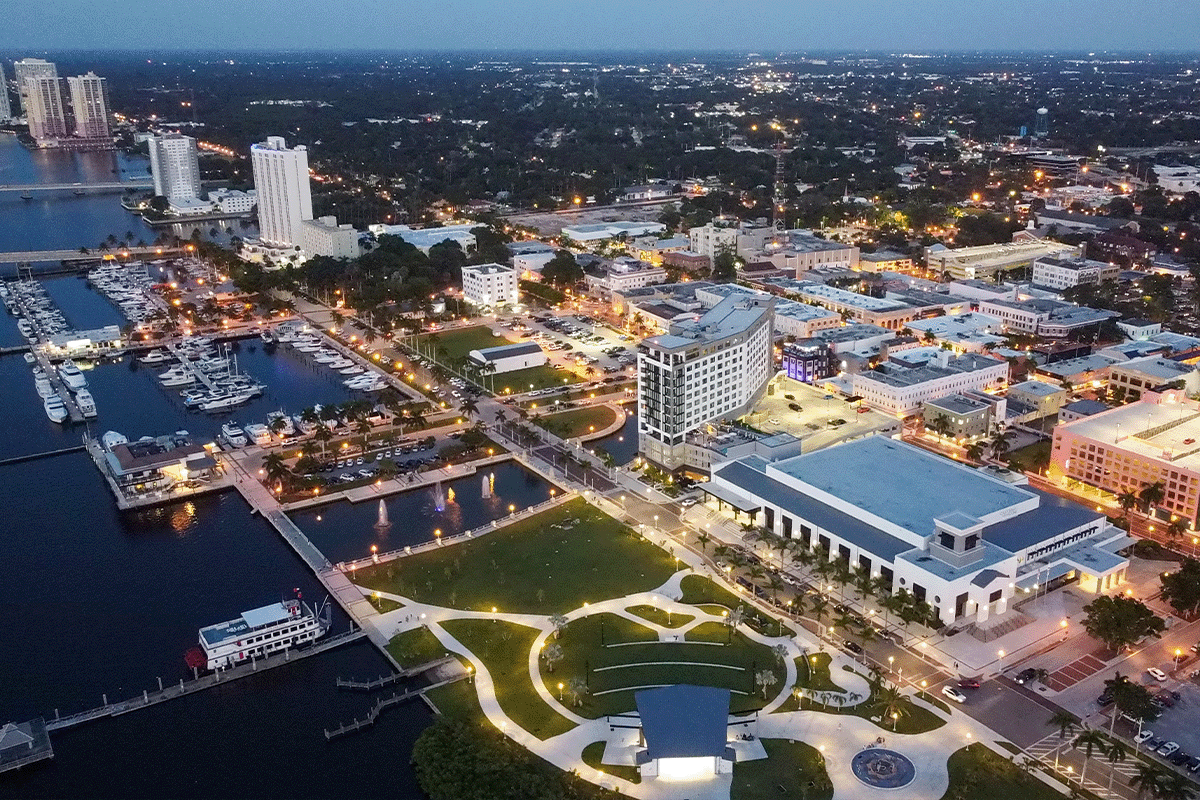
Fort Myers sits on the Caloosahatchee River, twelve miles from the Gulf of Mexico, and carries a strong sense of history alongside its warm, year-round climate. The Edison and Ford Winter Estates, the Alliance for the Arts, and a lively downtown River District make it one of Southwest Florida's most culturally rich mid-sized cities. Cost of living tracks 1.2% below the national average.
- Why renters love it: JetBlue Park hosts Boston Red Sox spring training; the downtown River District has a growing restaurant and theater scene; Southwest Florida International Airport provides direct service to dozens of destinations
- Biggest pro: Affordable Gulf Coast living — $1,049/month for a one-bedroom — with access to beaches, culture, and outdoor recreation
- Biggest consideration: The job market is concentrated in healthcare, retail, and tourism, which limits options outside those sectors; healthcare costs run 7.5% above the national average
12. West Palm Beach
Highlights |
|
|
Avg. Rent (1 BR) |
$1,251/mo |
|
Population |
123,917 |
|
% Renters |
~50% |
|
Median Age |
40 |
|
Median Household Income |
$60,487 |
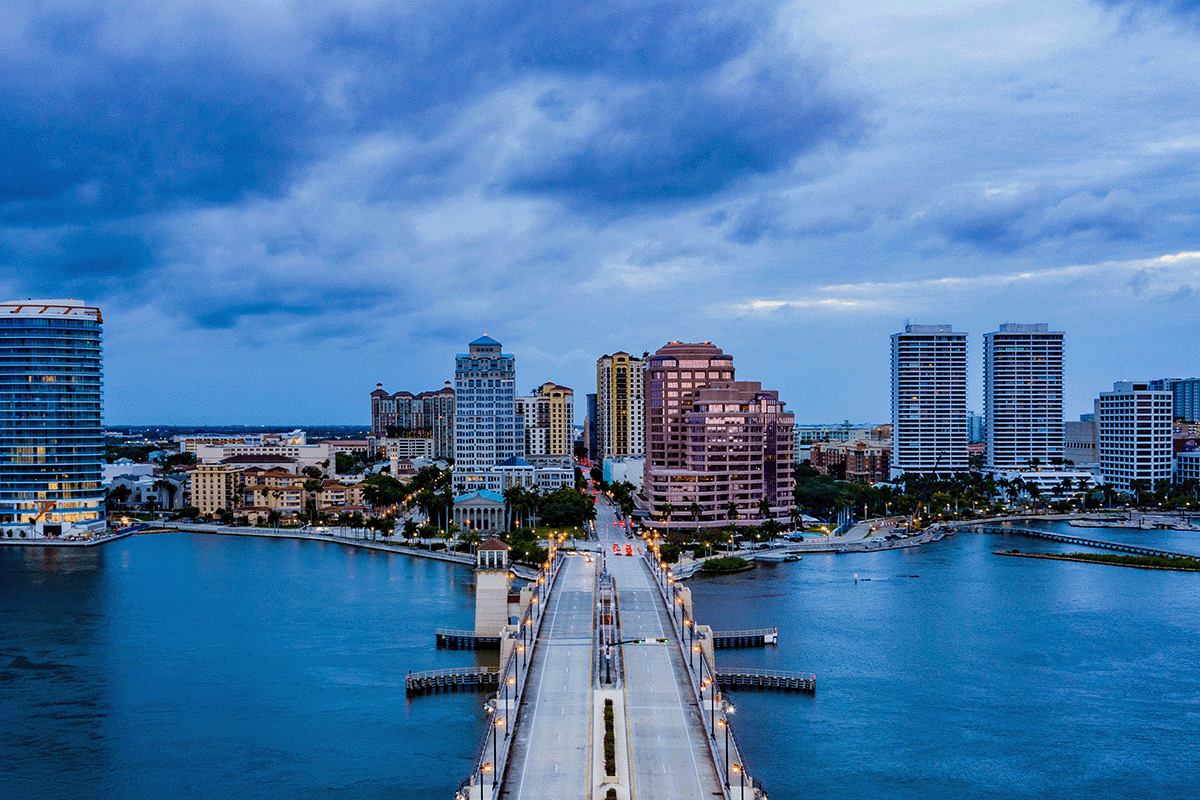
West Palm Beach delivers South Florida's energy without the South Florida price tag. Clematis Street and the CityPlace complex anchor a lively nightlife corridor, Tri-Rail connects commuters to Fort Lauderdale and Miami, and the waterfront along the Intracoastal puts beaches just minutes away. SunFest, one of the largest waterfront music festivals in the Southeast, draws major touring acts to the city every spring.
- Why renters love it: Tri-Rail commuter rail connects directly to Miami and Fort Lauderdale; the Kravis Center for the Performing Arts brings world-class performances to the community; Palm Beach International Airport provides broad flight connectivity
- Biggest pro: South Florida lifestyle and connectivity at rents that are noticeably lower than Miami or Fort Lauderdale
- Biggest consideration: The city is heavily car-dependent outside of the downtown core, and traffic on I-95 during peak hours can be significant
13. Clearwater
Highlights |
|
|
Avg. Rent (1 BR) |
$1,015/mo |
|
Population |
122,579 |
|
% Renters |
~46% |
|
Median Age |
45 |
|
Median Household Income |
$58,603 |
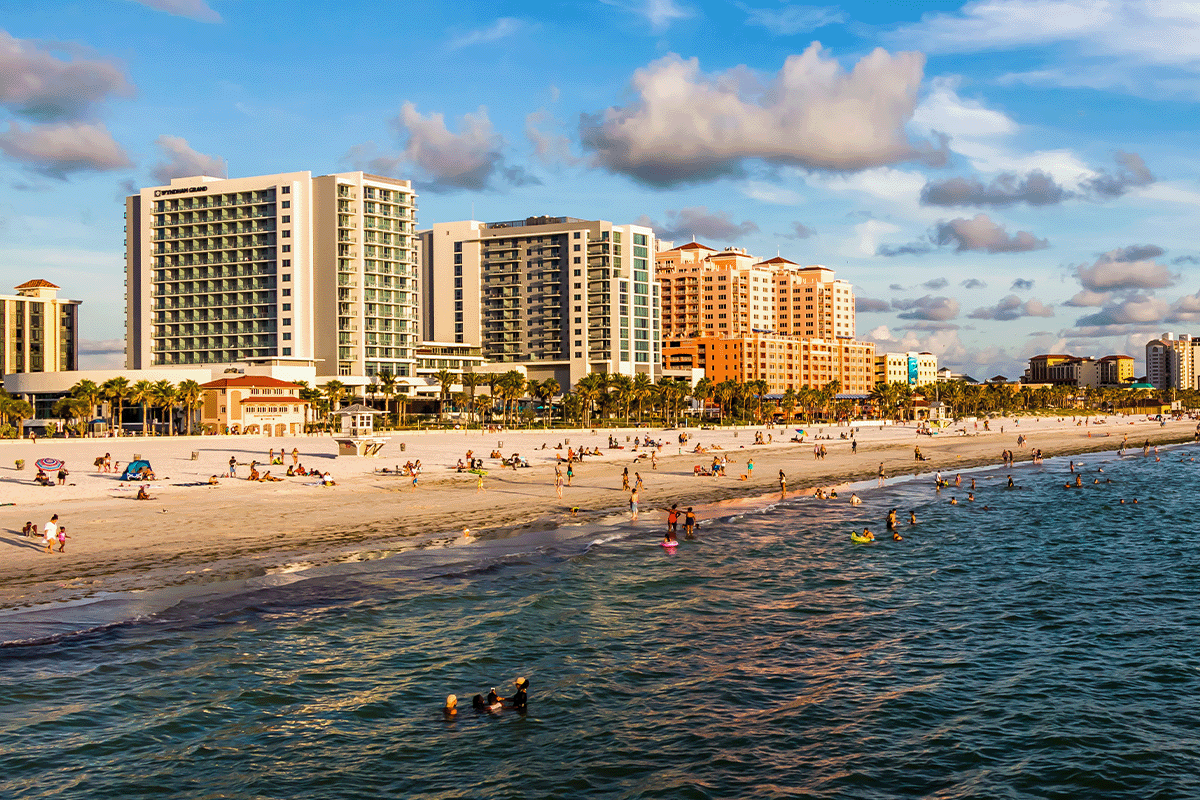
Clearwater Beach consistently earns top-10 rankings among U.S. beaches, with white sand and calm Gulf waters that live up to the reputation. The city itself offers a downtown with locally owned restaurants and shops, the 38-mile Pinellas Trail for bikers and runners, and the Clearwater Marine Aquarium.
- Why renters love it: Pier 60 and Clearwater Beach are accessible from most apartments in the city; the Pinellas Trail connects Clearwater to St. Petersburg and beyond for bikers and pedestrians; St. Pete-Clearwater International Airport is just 10 miles away
- Biggest pro: One of Florida's best beaches — consistently with rents averaging just over $1,000/month
- Biggest consideration: Clearwater lacks the walkability of a denser city, and most residents rely on a car for daily errands; tourist traffic during peak beach season can strain local infrastructure
14. Boca Raton
Highlights |
|
|
Avg. Rent (1 BR) |
$1,613/mo |
|
Population |
110,949 |
|
% Renters |
~38% |
|
Median Age |
45 |
|
Median Household Income |
$96,226 |
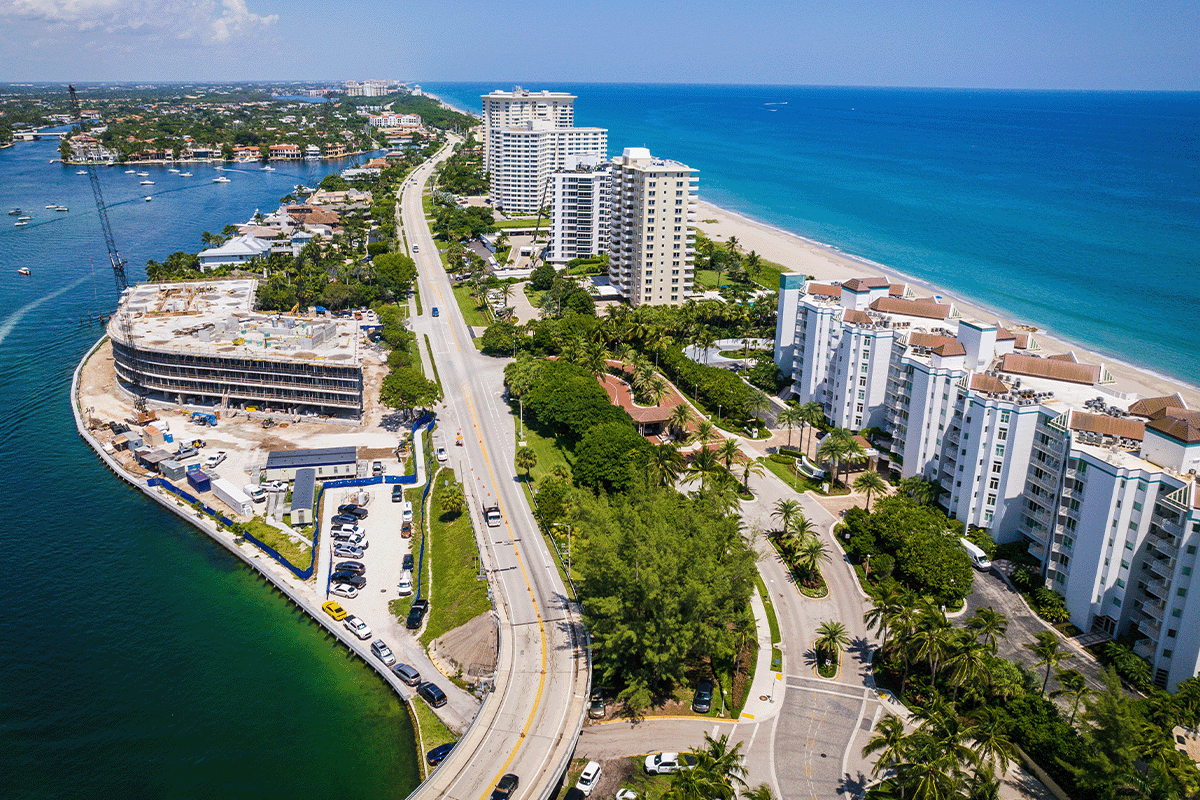
Boca Raton is a polished South Florida coastal community with a median household income of $96,226, among the highest on this list. Florida Atlantic University's 30,000 students inject activity into the city, and Mizner Park serves as the centerpiece of an upscale retail and dining district that draws residents from across Palm Beach County.
- Why renters love it: Boca Raton is served by Tri-Rail commuter rail; the beach at Spanish River Park and Red Reef Park is steps from residential neighborhoods; Mizner Park, Town Center at Boca Raton, and a walkable downtown deliver a high quality of day-to-day life
- Biggest pro: A safe, well-maintained coastal city with strong schools, top-tier retail, and convenient access to both Fort Lauderdale and West Palm Beach
- Biggest consideration: At $1,613/month for a one-bedroom, Boca Raton is one of the pricier rental markets in Florida; renters on tighter budgets will find better value in nearby cities
15. Daytona Beach
Highlights |
|
|
Avg. Rent (1 BR) |
$904/mo |
|
Population |
89,272 |
|
% Renters |
~52% |
|
Median Age |
42 |
|
Median Household Income |
$47,268 |
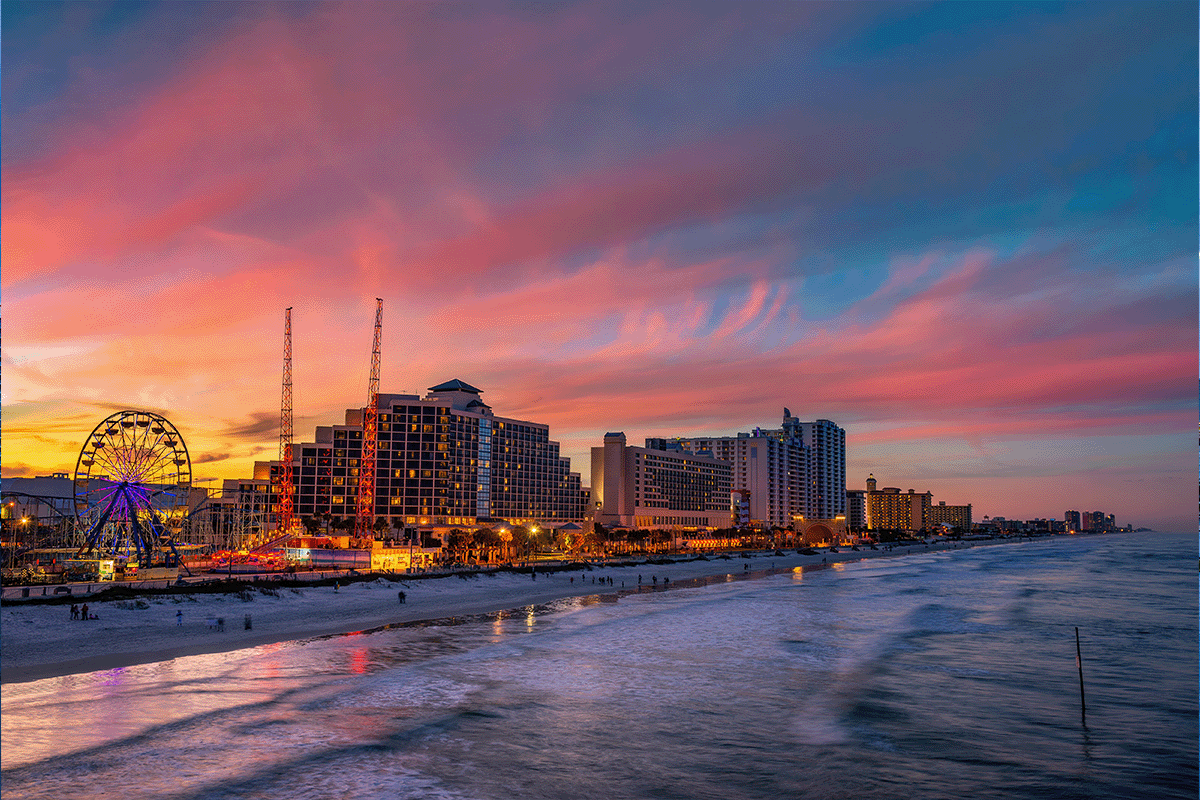
Daytona Beach is more than NASCAR and Bike Week — though both remain defining parts of the city's character. Embry-Riddle Aeronautical University, Daytona State College, and Bethune-Cookman University all call Daytona home, and the city's oceanfront boardwalk and historic Art Deco district add genuine character to what is, at its core, an affordable beach city. Cost of living sits 0.9% below the national average.
- Why renters love it: Direct Atlantic Ocean access from a city where one-bedrooms average just $904/month; the Daytona International Speedway hosts some of the biggest events in motorsports; Orlando is about an hour west on I-4
- Biggest pro: Among the most affordable beach cities in Florida, with a lively event calendar and several major universities driving demand
- Biggest consideration: Median household income of $47,268 is below the state average, reflecting an economy concentrated in tourism and hospitality, which can mean wage and job instability
16. Kissimmee
Highlights |
|
|
Avg. Rent (1 BR) |
$1,148/mo |
|
Population |
83,694 |
|
% Renters |
~55% |
|
Median Age |
37 |
|
Median Household Income |
$45,718 |
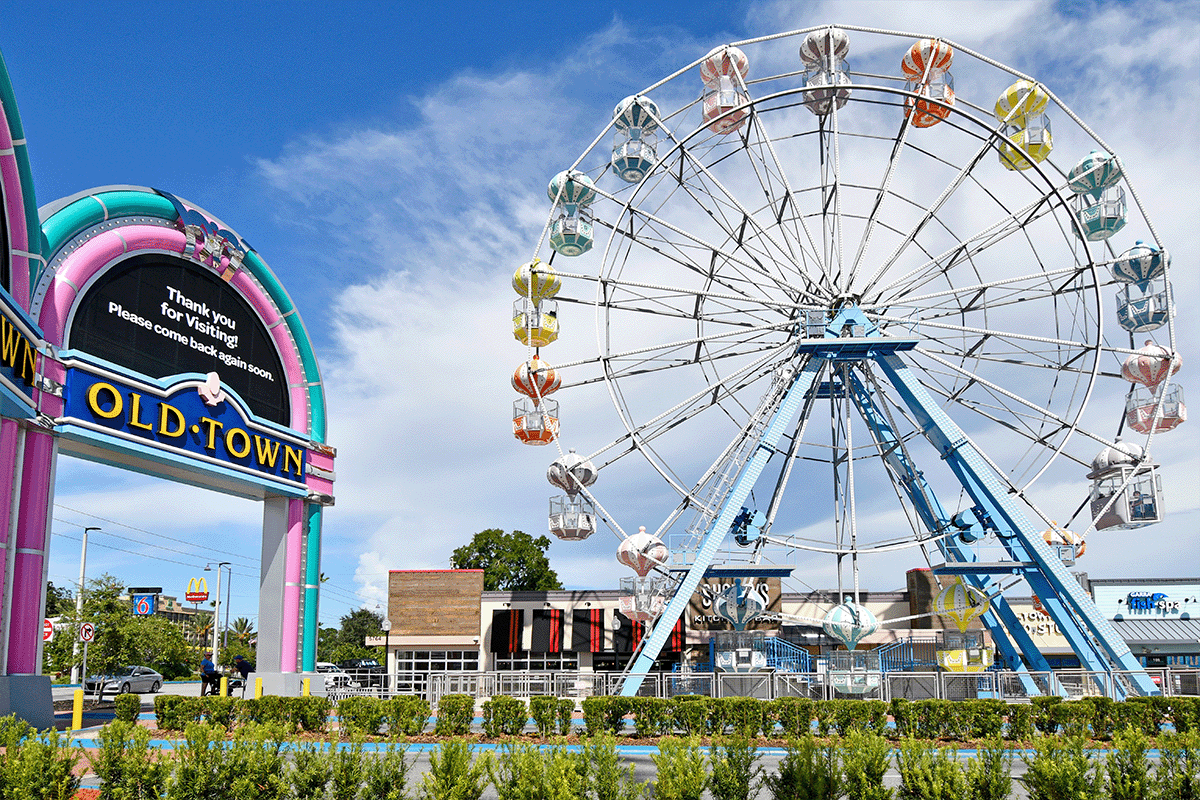
Kissimmee sits at the southern edge of Orlando's theme park corridor, and its location is one of its biggest assets. Amtrak's Silver Meteor and Silver Star both serve the city, Walt Disney World and Universal Studios are minutes away, and SunRail provides rail access into Orlando. Renters here benefit from rates below the state average.
- Why renters love it: Amtrak and SunRail access makes car-free commuting possible in parts of the metro; Florida resident discounts at nearby theme parks are a genuine perk; Shingle Creek Park and Kissimmee Lakefront Park offer natural retreats close to the action
- Biggest pro: Lower rents with direct access to Orlando's employment base and entertainment options — ideal for those who work in hospitality or the tourism industry
- Biggest consideration: Median household income of $45,718 is among the lower figures in this guide; the job market is heavily tied to tourism, which comes with seasonal and economic variability
17. Lakeland
Highlights |
|
|
Avg. Rent (1 BR) |
$902/mo |
|
Population |
121,426 |
|
% Renters |
~43% |
|
Median Age |
41 |
|
Median Household Income |
$54,511 |
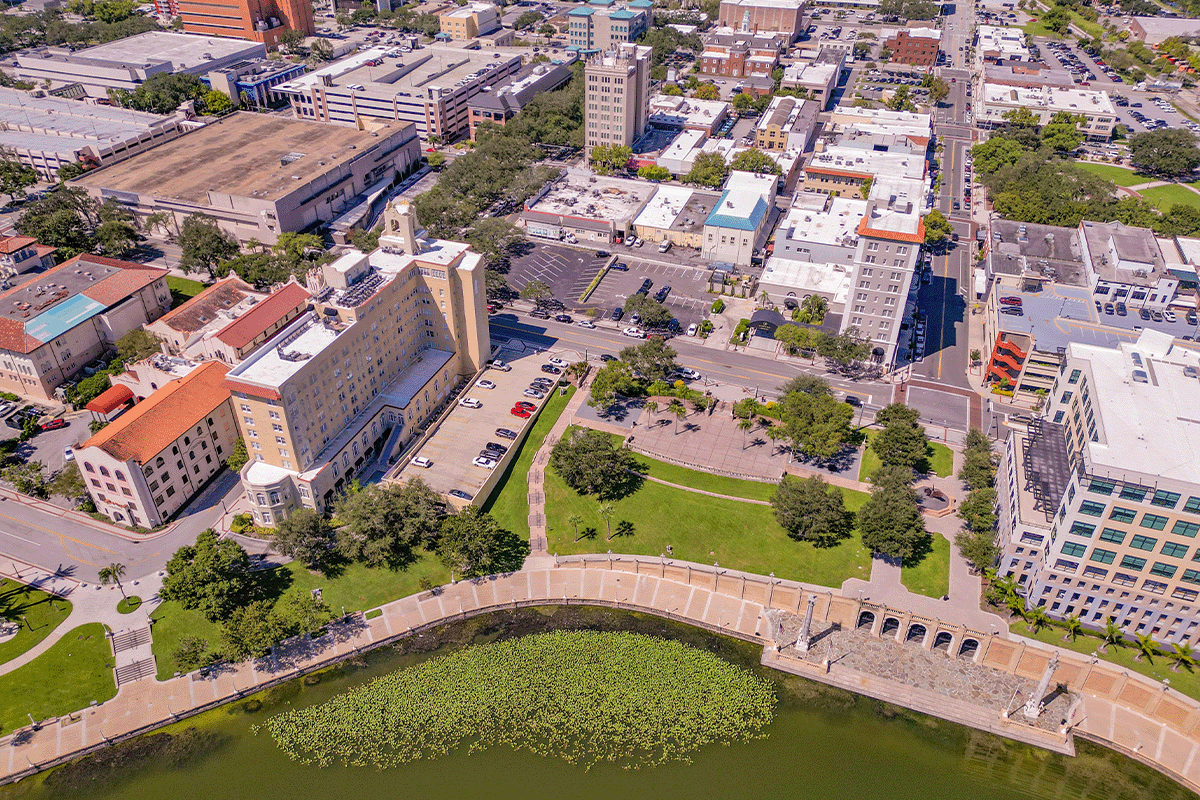
Lakeland sits at the midpoint between Tampa and Orlando on I-4, giving renters access to two of Florida's largest job markets without paying either city's rents. Florida Southern College's Frank Lloyd Wright–designed campus is a legitimate architectural landmark. The city's historic lakefront parks, Lake Mirror and Lake Parker, are highlights of a genuinely charming downtown.
- Why renters love it: Amtrak and SunRail commuter service make Tampa and Orlando accessible without a car; Circle B Bar Reserve, a 1,300-acre wildlife preserve, is within the city; rents average just $902/month for a one-bedroom
- Biggest pro: The lowest average rent among I-4 corridor cities, with a quality of life that punches above its price point
- Biggest consideration: Lakeland's own job market is more limited than Tampa's or Orlando's; many residents commute to one of the larger cities, which means I-4 traffic is a daily factor
18. Pensacola
Highlights |
|
|
Avg. Rent (1 BR) |
$865/mo |
|
Population |
52,936 |
|
% Renters |
~50% |
|
Median Age |
42 |
|
Median Household Income |
$55,583 |
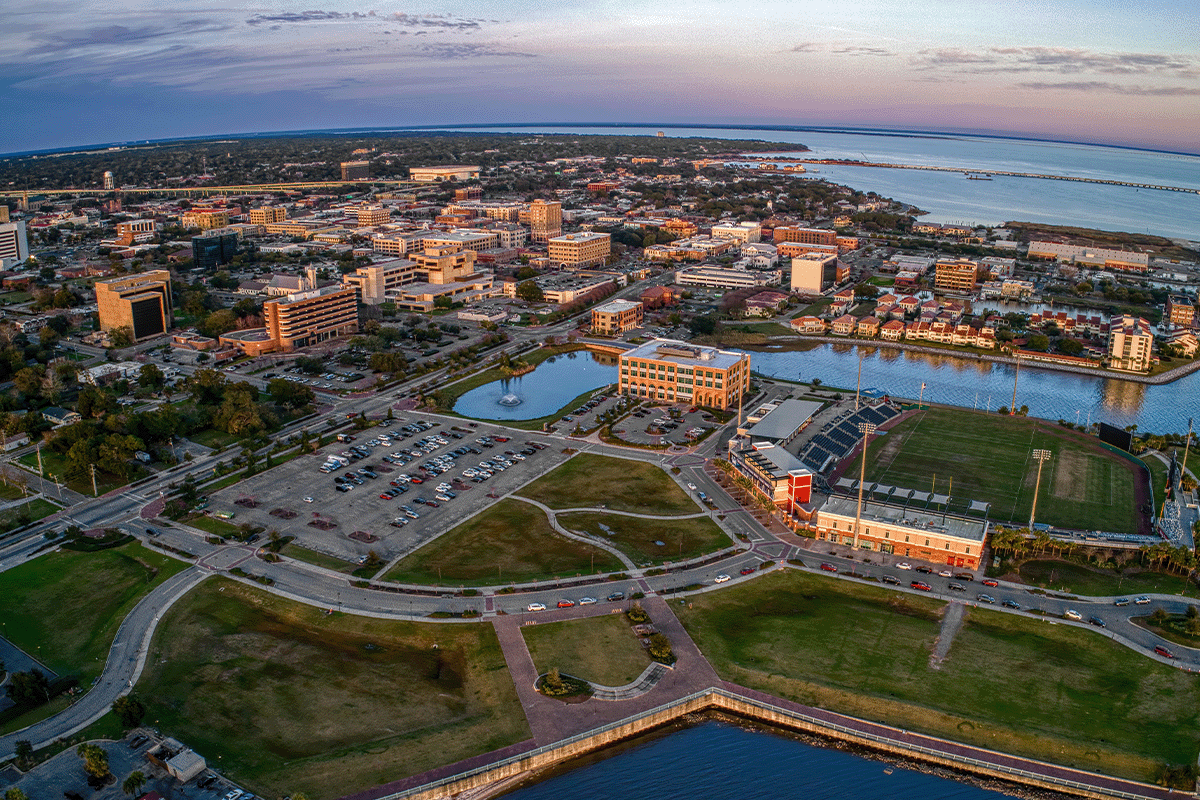
Pensacola is the westernmost city in the Florida Panhandle, where the Gulf Coast transitions toward Alabama. The city's beaches, Pensacola Beach and Perdido Key, are among the most pristine in the country, with sugar-white sand and emerald-green water. The nearby Pensacola Naval Air Station is one of the largest employers in the region, giving the local economy a strong and stable foundation.
- Why renters love it: Gulf Coast beaches are among the finest in the Southeast; the National Naval Aviation Museum at NAS Pensacola is one of the largest aviation museums in the world; cost of living runs 1.9% below the national average, with utilities coming in 6.5% below
- Biggest pro: Some of the lowest rents in Florida at $865/month for a one-bedroom, with genuine Gulf Coast beach access and a military-supported economy
- Biggest consideration: Pensacola is geographically isolated from Florida's major metro areas — Tampa is about 4.5 hours east; public transit is minimal and a car is essential
19. Naples
Highlights |
|
|
Avg. Rent (1 BR) |
$1,258/mo |
|
Population |
29,357 |
|
% Renters |
~35% |
|
Median Age |
60 |
|
Median Household Income |
$123,433 |
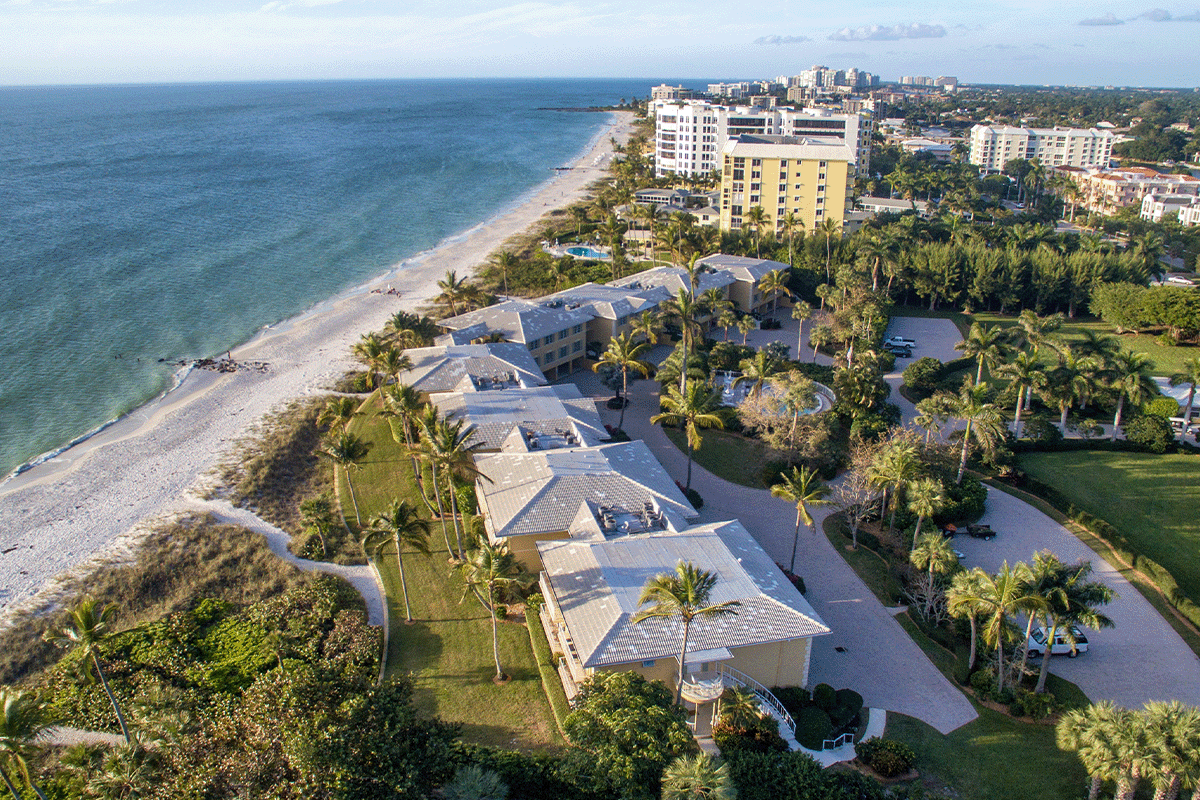
Naples has the highest median household income on this list at $123,433, which reflects its standing as one of Florida's most affluent communities. The city's Gulf-front location, Fifth Avenue South shopping district, and abundance of top-tier dining and golf make it a destination in its own right. Renters here represent a smaller share of the population, but the rental market has grown as the region attracts more year-round residents.
- Why renters love it: White-sand Gulf beaches are accessible from virtually anywhere in the city; Fifth Avenue South and Third Street South offer upscale dining, boutique shopping, and galleries within a walkable district; the Naples Zoo and Naples Botanical Garden add to a well-rounded lifestyle
- Biggest pro: A small, well-maintained city with genuine luxury amenities, low crime, and some of the best weather in Florida
- Biggest consideration: With a median age of 60 and a homeownership rate that tilts heavily away from renting, Naples has a quieter social scene; the nearest major airport (Southwest Florida International) is about 35 miles north in Fort Myers
20. Ocala
Highlights |
|
|
Avg. Rent (1 BR) |
$858/mo |
|
Population |
65,964 |
|
% Renters |
~45% |
|
Median Age |
40 |
|
Median Household Income |
$51,442 |
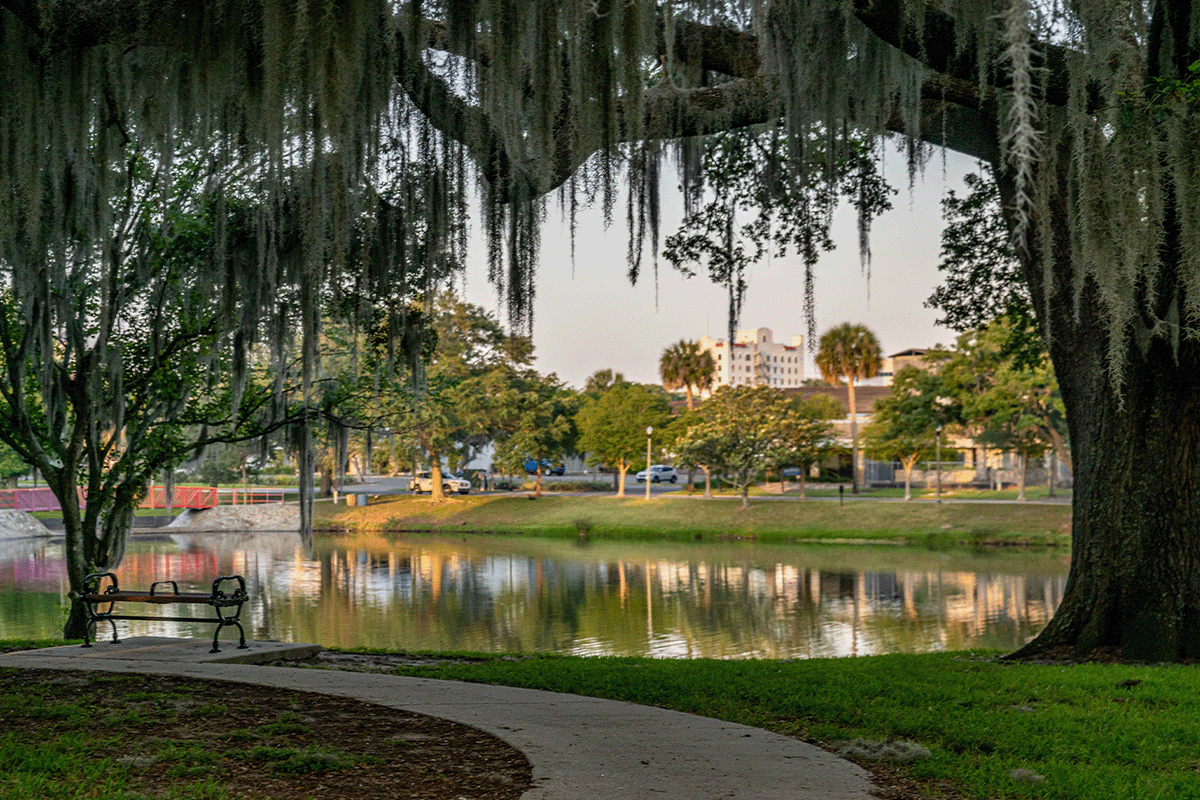
Ocala sits near the geographic center of Florida and delivers something no coastal city can: affordability paired with genuine access to the state's natural interior. Silver Springs State Park and the Ocala National Forest are right on the city's doorstep, and being on I-75 puts Orlando, Tampa, Gainesville, and Daytona Beach all within 90 minutes. Cost of living comes in 11.7% below the national average, with housing sitting 30.9% below the national index.
- Why renters love it: Silver Springs State Park — one of the world's largest artesian spring formations — is minutes from the city; Ocala's downtown has a walkable historic district with locally owned shops and restaurants; the College of Central Florida provides educational and employment anchor
- Biggest pro: Among the most affordable cities in this entire guide — $858/month for a one-bedroom and housing costs nearly 31% below the national average
- Biggest consideration: Ocala is a driving city with limited public transit; it is also more than an hour from Florida's coastlines, which matters for renters who prioritize beach access
Methodology
This guide was developed using rental market data, demographic data, and cost of living indices sourced from Apartments.com and CoStar Group. All rent figures Demographic data, including population, median household income, and median age, is sourced from Apartments.com city-level data. Cost of living indices, including housing, grocery, utilities, transportation, and healthcare comparisons to the national average, are sourced from Apartments.com cost of living data. Renter percentages are based on available household tenure data.
FAQs
What are the best cities to live in Florida in 2026?
Some of the best cities to live in Florida in 2026 include Jacksonville, Miami, Tampa, Orlando, St. Petersburg, Fort Lauderdale, Tallahassee, Gainesville, Sarasota, Cape Coral, Fort Myers, West Palm Beach, Clearwater, Boca Raton, Daytona Beach, Kissimmee, Lakeland, Pensacola, Naples, and Ocala. Each city offers something different for renters, from major job markets and nightlife in Miami and Tampa to affordable living in Tallahassee, Gainesville, and Ocala. Coastal destinations like Sarasota, Clearwater, Naples, and Pensacola appeal to beach lovers, while cities such as Lakeland and Kissimmee provide convenient access to larger metro areas at a lower cost. The best choice depends on your budget, lifestyle, career goals, and preferred pace of life.
Which Florida city is the most affordable for renters in 2026?
Among the cities in this guide, Tallahassee, Jacksonville, Gainesville, Pensacola, and Ocala offer some of the lowest average rents, making them popular choices for renters seeking affordability without leaving Florida.
What is the best Florida city for renters who want beach access?
Several Florida cities combine rental options with easy beach access, including Clearwater, St. Petersburg, Sarasota, Pensacola, Daytona Beach, and Naples. The best choice depends on your budget, preferred lifestyle, and proximity to work.
What should renters know before moving to Florida?
Renters should consider factors such as hurricane preparedness, flood risk, transportation needs, utility costs, and local job opportunities when deciding where to live in Florida.


