

Living in Southwest Florida practically sells itself. Gulf Coast beaches, year-round sunshine, and no state income tax are only part of what sweetens the deal here. It's the kind of place people spend decades dreaming about before finally making the move, and then wonder why they waited so long.
But fantasy and reality aren't always the same thing. Renters who arrive without doing their homework tend to get surprised fast, and not always pleasantly. Luckily for renters, none of the surprises are dealbreakers. However, they are things worth knowing before you sign a lease and load the moving truck. Here's the honest guide to showing up ready.
It's Actually a Great Time to Rent Here
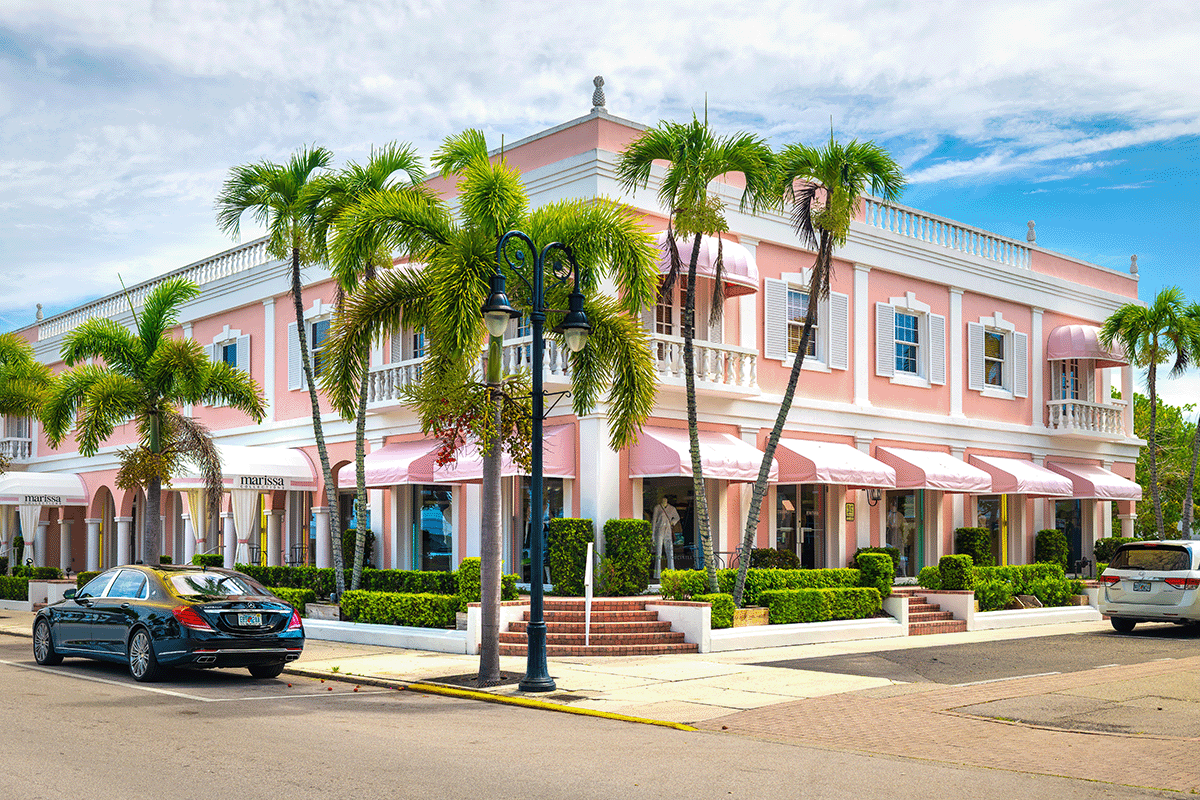
Before we get into what to watch out for, here's some good news: the Southwest Florida rental market is one of the most favorable it's been for renters in years. After the pandemic-era surge drove rents to historic highs, the market has been benefiting renters steadily. The numbers tell the story clearly:
Southwest Florida Cities |
Rent Drop Percentage Year-Over-Year |
|
6.6% |
|
|
6% |
|
|
2.9% |
|
|
4% |
|
|
9.3% |
More inventory, more competition among landlords, and real downward pressure on asking prices means you have more negotiating power today than at any point in the past several years. If you've been waiting for the right moment to make the move, this is it.
Fort Myers, Naples, and Cape Coral Are Three Very Different Places
Southwest Florida is a collection of distinct communities, each with its own personality, price point, and lifestyle. Knowing the difference matters. Pick your city based on lifestyle first. Let rent price be a tiebreaker, not the deciding factor.
-
Fort Myers serves as the region's central hub, offering the widest range of neighborhoods and price points, from affordable condos near downtown to waterfront estates along the Caloosahatchee River. If you want variety and momentum, this is your base.
-
Naples skews toward luxury: golf communities, fine dining, high-end retail, and some of the most expensive zip codes in the state. The recent 2.9% rent correction doesn't change its premium character; it just means you're getting slightly more for your dollar than you would have two years ago.
-
Cape Coral is defined by water. With more than 400 miles of navigable canals — more than any other city in the world — it's a boater's paradise, and its residential neighborhoods have a quieter, more suburban feel than Fort Myers or Naples. The 6.6% rent decline here is among the steepest in the region, making it an attractive option for renters who want space and waterfront access without downtown prices.
Hurricane Season Is Real, and Your Landlord's Insurance May Not Cover You
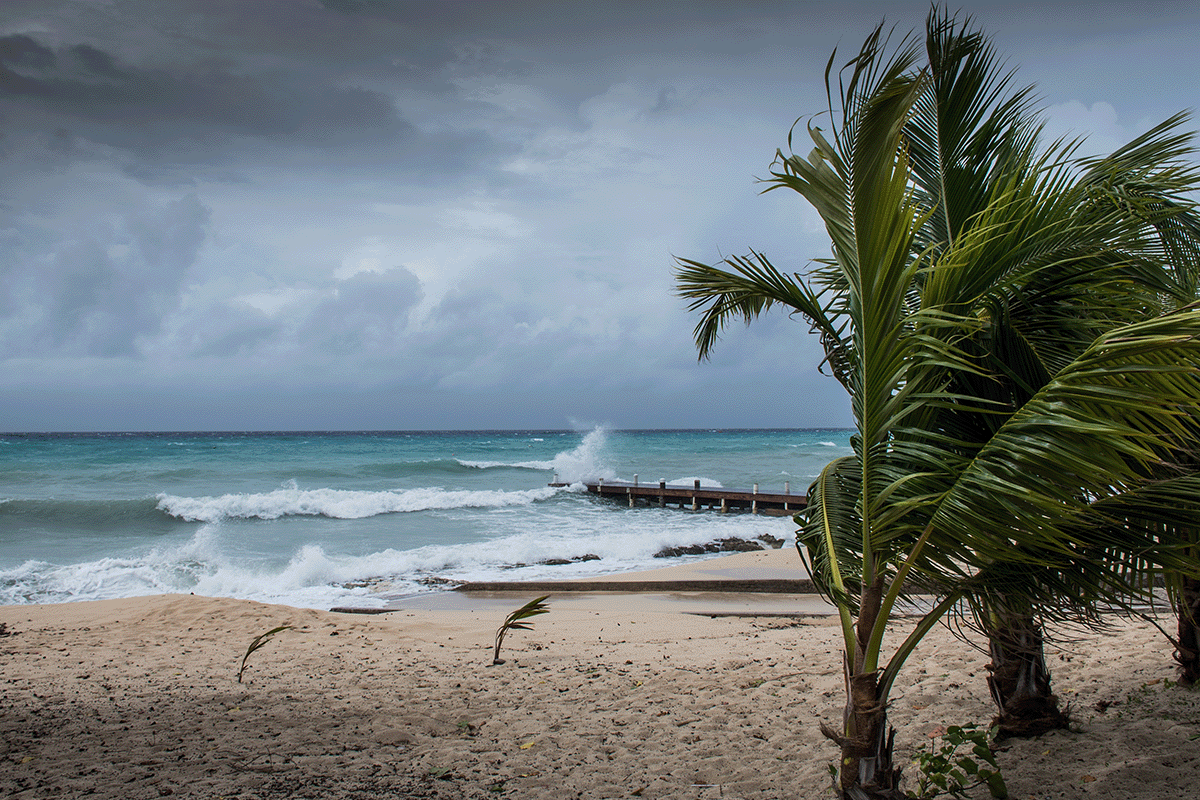
This is the section most newcomers wish someone had explained more clearly before they arrived.
Hurricane season runs June 1 through November 30, with the most active window falling between mid-August and mid-October. Southwest Florida sits in one of the more vulnerable corridors in the country, and residents need to take storm preparation seriously.
Here's what matters for renters specifically: your landlord's insurance policy covers the building structure. This includes the walls, roof, and systems. It does not cover your furniture, your electronics, your clothing, or anything else you own. And if a hurricane renders your unit uninhabitable, nothing bridges the gap on temporary housing unless you have your own renters insurance policy.
The good news is that renters insurance is inexpensive. Many Southwest Florida landlords require it as a lease condition anyway. Don't wait to be asked. Get it before your move-in date!
On That Note: Flood Coverage Is a Separate Policy
Standard renters insurance does not cover flood damage. This surprises a lot of people, and it surprises them at the worst possible moment: when they're filing a claim after a storm.
Water damage claims in Florida can be complicated. The distinction between wind-driven rain (potentially covered), storm surge (typically not covered under standard renters insurance), and rising water (requires a separate flood policy) trips up even experienced renters.
Before you sign any lease, ask your landlord for the property's flood zone classification. If you're in a coastal ZIP code or a low-lying area, a contents-only flood policy is worth the modest annual cost. It's not exciting to think about, but neither is replacing everything you own out of pocket.
Your A/C Bill May Be Higher Than You Expect
Utilities in Fort Myers average around $376 per month according to our cost of living data. That number climbs in summer, when air conditioning runs continuously. Renters arriving from the Midwest or Northeast are consistently caught off guard by this. The apartment's rent price might look reasonable; the full monthly cost of living there is a different number.
Budget for utilities before you fall in love with a listing. Ask current or former tenants about summer electric bills if you can. And if a landlord offers to include utilities in the rent, do the math carefully — it might actually be the better deal.
Snowbird Season Changes Daily Life in a Real Way

Southwest Florida has two distinct personalities: the relative calm of summer, and the bustling energy of winter, when seasonal residents (snowbirds, as locals call them) flood back in from colder climates.
From roughly November through March, restaurant wait times double, traffic thickens considerably, and competition for rental units increases. If you're planning your move and have flexibility, arriving during the off-season (May through October) generally means better deals, more available inventory, and landlords who are more willing to negotiate. You'll also get a softer introduction to the region before it fills up. Year-round locals learn to embrace the seasonal rhythm, but knowing it's coming makes the transition easier.
You'll Need a Car

There's no polite way to soften this: Southwest Florida is car-dependent. Most areas have limited walkability, transit options are minimal outside of a few corridors, and the distances between daily essentials make driving a practical necessity rather than a preference.
Factor auto insurance into your monthly budget accordingly, especially since Florida's car insurance rates are among the highest in the country, driven by traffic density, weather risk, and litigation patterns. If you're arriving from a city where you didn't need a car, this is a real line item to plan for before you arrive.
Call Southwest Florida Home with Apartments.com

All of this is worth knowing. None of it is a reason not to call Southwest Florida home.
Southwest Florida offers something genuinely rare: warm weather every month of the year, Gulf Coast beaches within a short drive of almost anywhere you'll live, and a pace of life that doesn't feel like a compromise. These are a guarantee regardless of whether you pick Cape Coral, Fort Myers or Naples.
Ready to find your place in paradise? Search thousands of Southwest Florida rental listings all in one place. Browse Southwest Florida apartments on Apartments.com today.
FAQs
Is Southwest Florida a good place to rent right now?
Yes! It's one of the better moments to rent in the region in recent memory. Rents have dropped significantly across the area, with some cities like Venice and Cape Coral seeing decreases of 6–9%. More inventory and increased competition among landlords means renters have real negotiating power heading into 2026.
Do I need renters insurance in Southwest Florida?
Most landlords require it, and even if yours doesn't, you should get it. Standard renters insurance is inexpensive and covers your personal belongings if they're damaged or destroyed — something your landlord's policy won't do. Just keep in mind that flood damage requires a separate policy.
What should I look for in a lease in Southwest Florida specifically?
A few things matter here more than they would in other states. Look for how the lease handles hurricane preparedness responsibilities like who is required to install shutters, for example. Confirm whether renters insurance and flood insurance are required. Check whether utilities are included or separately metered. And pay attention to early termination clauses; seasonal demand can affect how flexible landlords are willing to be.


