

Honolulu fits a full city into a narrow strip between the Ko‘olau Mountains and the Pacific. Its unique landscape means that neighborhoods change character fast: a rainforest valley and a high-rise waterfront district can be 15 minutes apart. This comes with major perks. For renters who want their commute, surf break, and favorite lunch spot to sit within a few miles of each other, Honolulu is practically a dream come true!
If you’re looking to rent an apartment in Honolulu, there are plenty of neighborhoods to choose from. We’ve compiled a list of the best places to rent in Honolulu based on the following factors:
-
Rental availability
-
Average rent relative to other neighborhoods in the city
-
Proximity to points of interest like work hubs, universities, downtown areas, shopping centers, or major parks
-
Niche.com’s neighborhood report cards
The five best neighborhoods in Honolulu for renters are:
Manoa
-
Average 1-bedroom rent in Honolulu: $1,788/month
-
Average 1-bedroom rent in Manoa: $1,364/month
-
Average 1-bedroom size in Manoa: 338 square feet
Why Manoa is good for renters
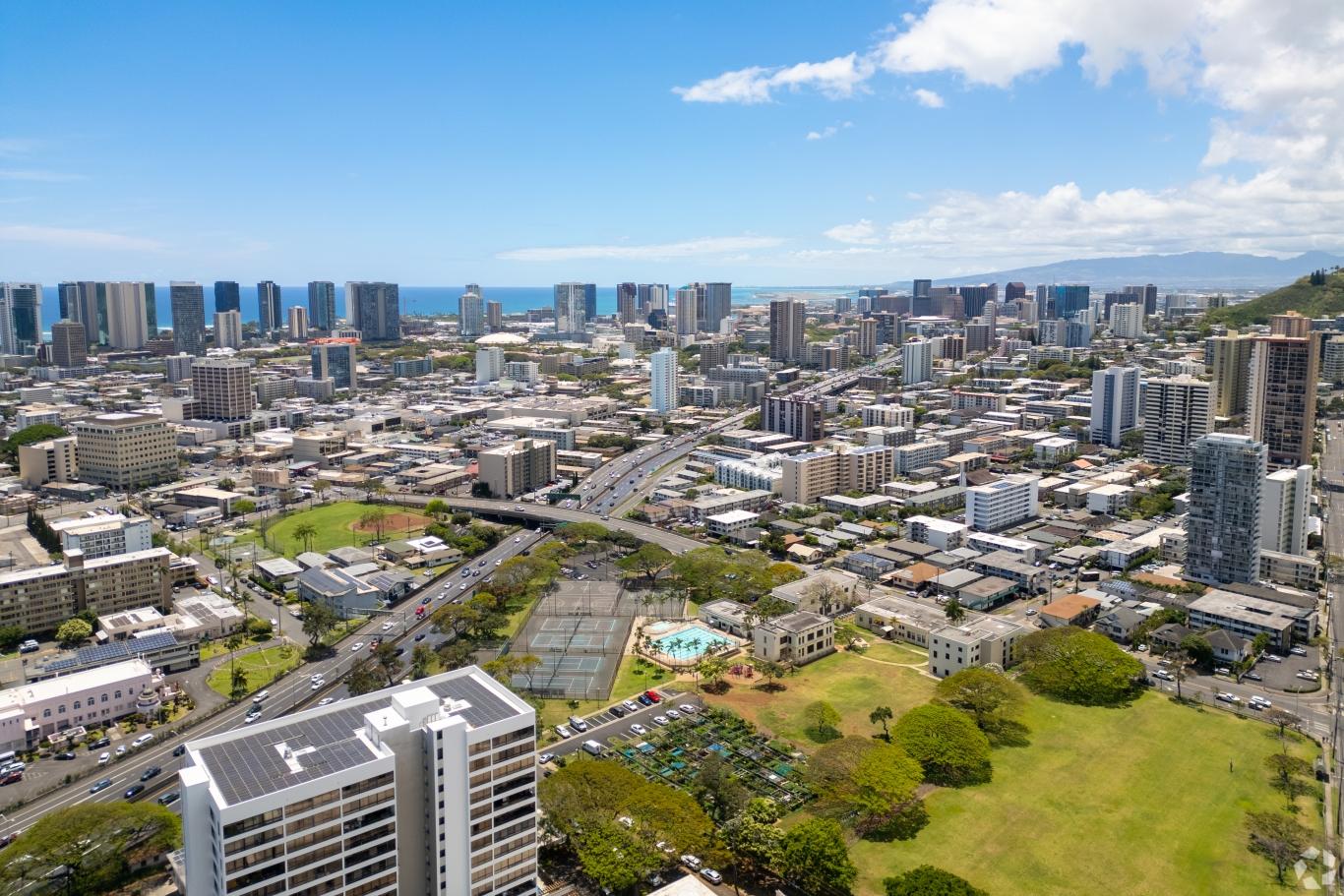
Manoa sits in a green valley roughly three miles from Downtown Honolulu, so renters get mountain views and cooler evenings without giving up a central address. The University of Hawai‘i at Mānoa anchors the lower valley, which keeps a steady supply of apartments, condos, and rented houses on the market and fills South King Street with casual, student-priced restaurants and cafes. Manoa Marketplace handles everyday errands—groceries, coffee, takeout, and a pharmacy—without leaving the neighborhood. Weekends stay close to home, too: the Mānoa Falls Trail and the nearly 200-acre Lyon Arboretum both sit at the top of Manoa Road. Ala Moana, Waikiki, and downtown are each a 10- to 15-minute drive away.
Walkability |
Transit |
Drivability |
Bikeability |
40Manoa has a walkability score of 40 out of 100 |
30Manoa has a transit score of 30 out of 100 |
90Manoa has a drivability score of 90 out of 100 |
30Manoa has a bikeability score of 30 out of 100 |
Keep in mind
Manoa has its own microclimate and gets showers most days, which keeps the valley lush but also means damp lanais and a permanent umbrella by the door. Walkability and transit scores are on the low end, so plan on driving for most trips outside the valley.
Waikiki
-
Average 1-bedroom rent in Honolulu: $1,788/month
-
Average 1-bedroom rent in Waikiki: $2,116/month
-
Average 1-bedroom size in Waikiki: 498 square feet
Why Waikiki is good for renters
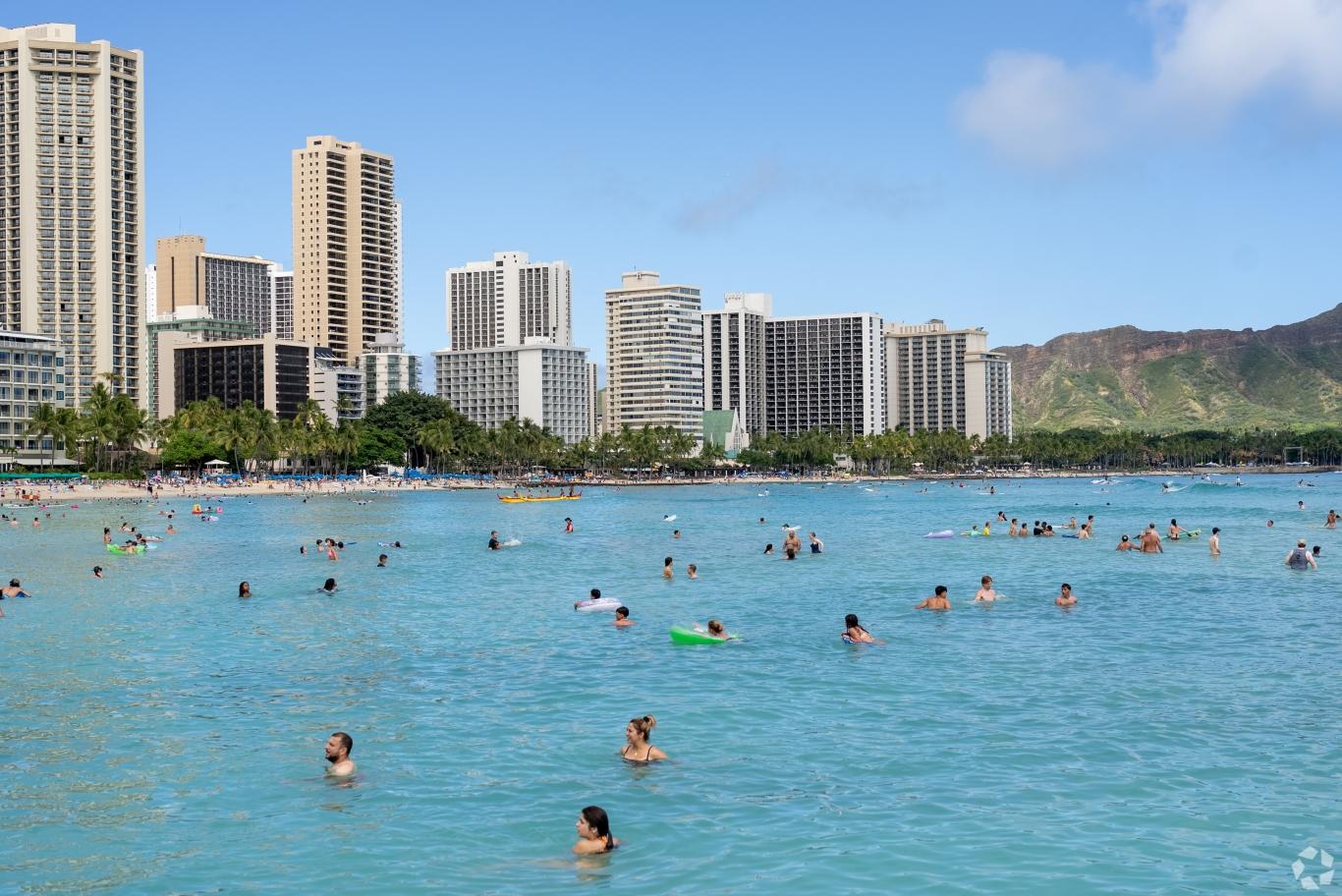
Waikiki is the rare Honolulu neighborhood where a car is optional: it earns the second-highest walkability score on this list, and buses along Kalakaua and Kuhio avenues connect to downtown, Ala Moana, and the University of Hawai‘i at Mānoa. The trade-off for tourist density is convenience. Groceries, gyms, pharmacies, and hundreds of restaurants sit inside a walkable grid, alongside International Market Place, Royal Hawaiian Center, and Waikiki Shopping Plaza. Kūhiō Beach, Kahanamoku Beach, and Fort DeRussy Beach Park are all walkable. But to live like a true local? Kapi‘olani Park and the Diamond Head trailhead sit just past the neighborhood’s eastern edge—where Hawai‘i residents skip the out-of-state buzz.
Walkability |
Transit |
Drivability |
Bikeability |
90Waikiki has a walkability score of 90 out of 100 |
60Waikiki has a transit score of 60 out of 100 |
60Waikiki has a drivability score of 60 out of 100 |
80Waikiki has a bikeability score of 80 out of 100 |
Keep in mind
Rents here run well above the citywide average, and daily costs follow the tourist market. Street parking is scarce, so confirm what’s included before you sign a lease.
Kaimuki
-
Average 1-bedroom rent in Honolulu: $1,788
-
Average 1-bedroom rent in Kaimuki: $1,043
-
Average 1-bedroom size in Kaimuki: 407 square feet
Why Kaimuki is good for renters
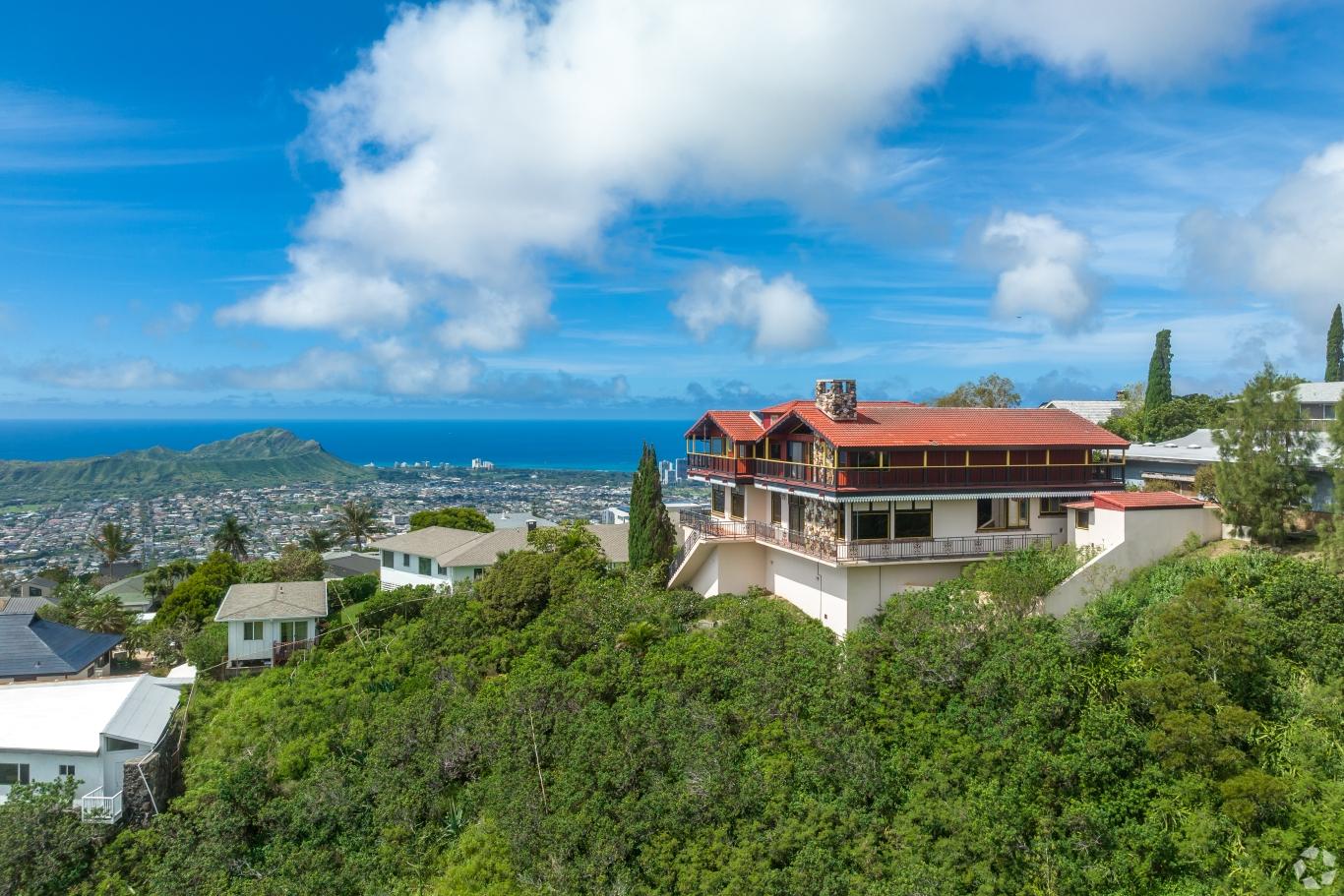
An affordable neighborhood that also houses one of Honolulu’s best food streets? Sounds impossible. But dreams become a reality in Kaimuki! This neighborhood is the value play on this list, pairing the lowest average one-bedroom rent of the five. Waialae Avenue packs coffee shops, ramen counters, Vietnamese restaurants, and chef-driven dinner spots into walkable stretches dotted with sidewalk parklets. Saturday mornings belong to the KCC Farmers Market on the Kapi‘olani Community College campus, and Kahala Mall—with a grocery store, local retailers, and one of O‘ahu’s largest movie theaters.
Walkability |
Transit |
Drivability |
Bikeability |
70Kaimuki has a walkability score of 70 out of 100 |
50Kaimuki has a transit score of 50 out of 100 |
70Kaimuki has a drivability score of 70 out of 100 |
40Kaimuki has a bikeability score of 40 out of 100 |
Keep in mind
Buildings here tend to be older and smaller, so modern amenities and elevators are less common than in Kakaako or Waikiki. Parking is the other catch: street parking near Waialae Avenue fills up on weekend evenings.
Nuuanu-Punchbowl
-
Average 1-bedroom rent in Honolulu: $1,788/month
-
Average 1-bedroom rent in Nuuanu-Punchbowl: $1,359/month
-
Average 1-bedroom size in Nuuanu-Punchbowl: 621 square feet
Why Nuuanu-Punchbowl is good for renters
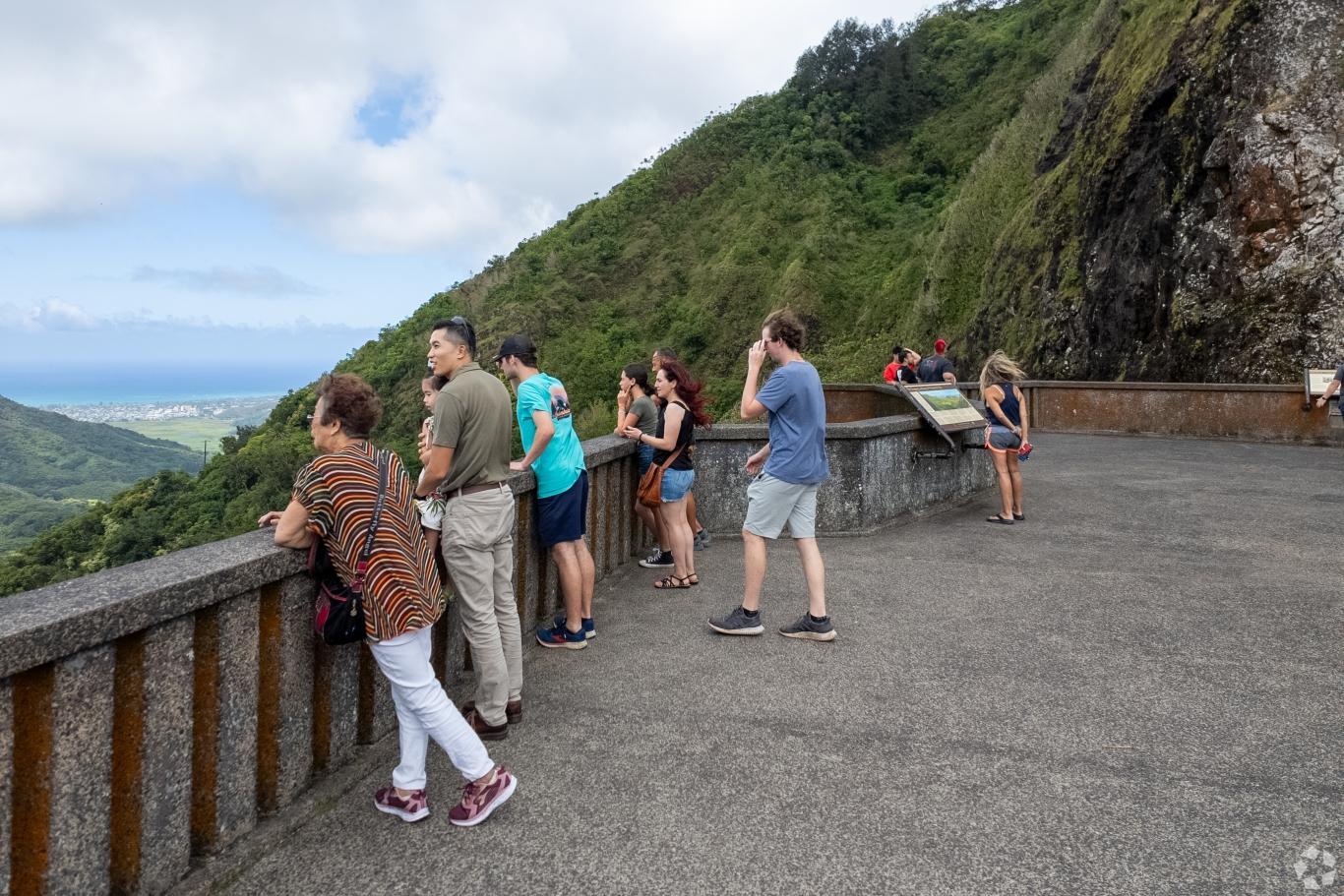
Nuuanu-Punchbowl doubles as a history walk. The National Memorial Cemetery of the Pacific in Punchbowl Crater, the Queen Emma Summer Palace, Mauna ‘Ala Royal Mausoleum, and Foster Botanical Garden are all within or near it. Nu‘uanu Valley Park and a string of shaded valley trails cover the everyday outdoor time, while Ala Moana Regional Park is a short drive south.
Walkability |
Transit |
Drivability |
Bikeability |
20Nuuanu-Punchbowl has a walkability score of 20 out of 100 |
10Nuuanu-Punchbowl has a transit score of 10 out of 100 |
100Nuuanu-Punchbowl has a drivability score of 100 out of 100 |
10Nuuanu-Punchbowl has a bikeability score of 10 out of 100 |
Keep in mind
This is the most car-dependent neighborhood on the list, with the lowest walkability, transit, and bikeability scores of the five. If you commute over the Pali Highway, budget extra time.
Kakaako
-
Average 1-bedroom rent in Honolulu: $1,788/month
-
Average rent in Kakaako: $3,639/month
Why Kakaako is good for renters
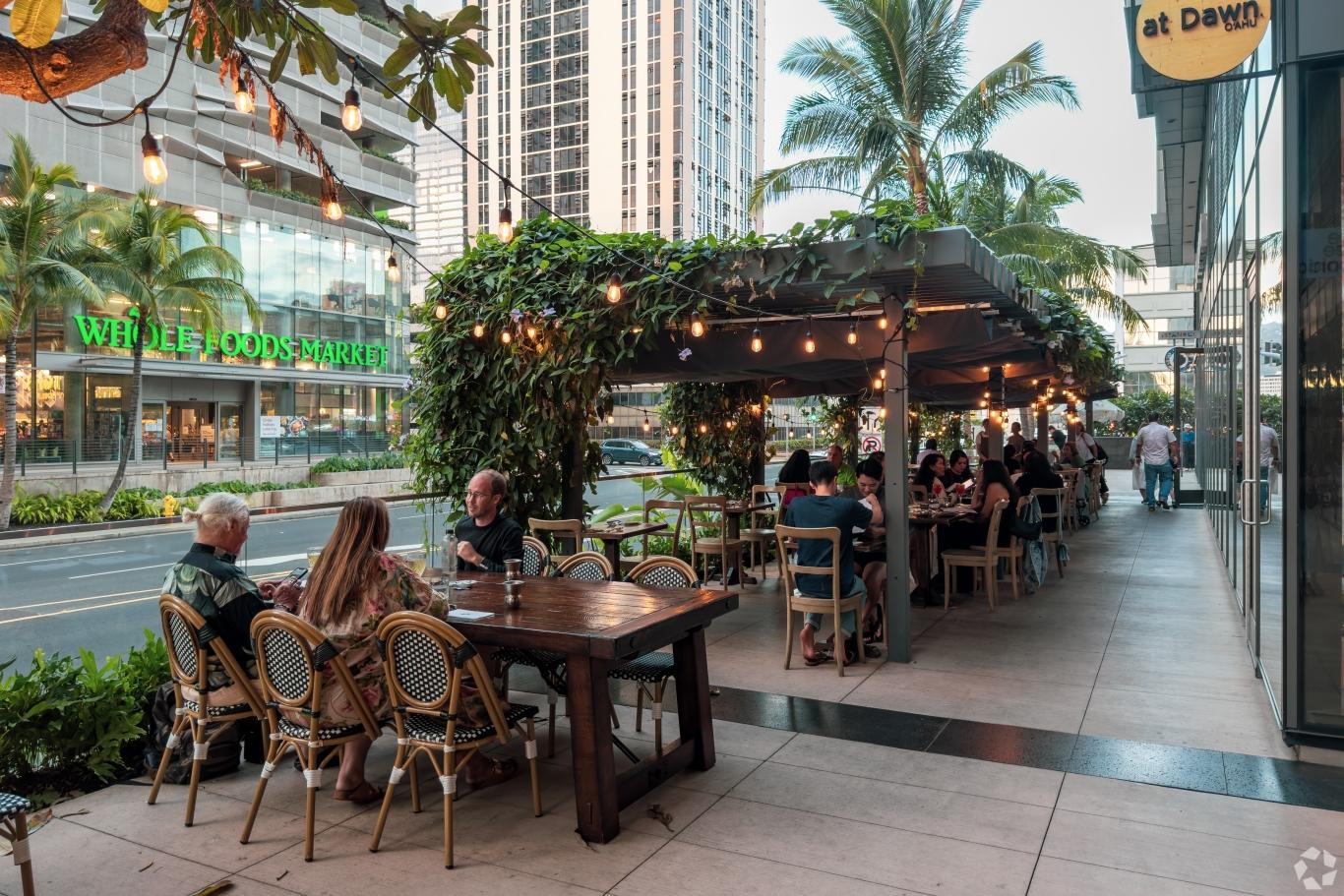
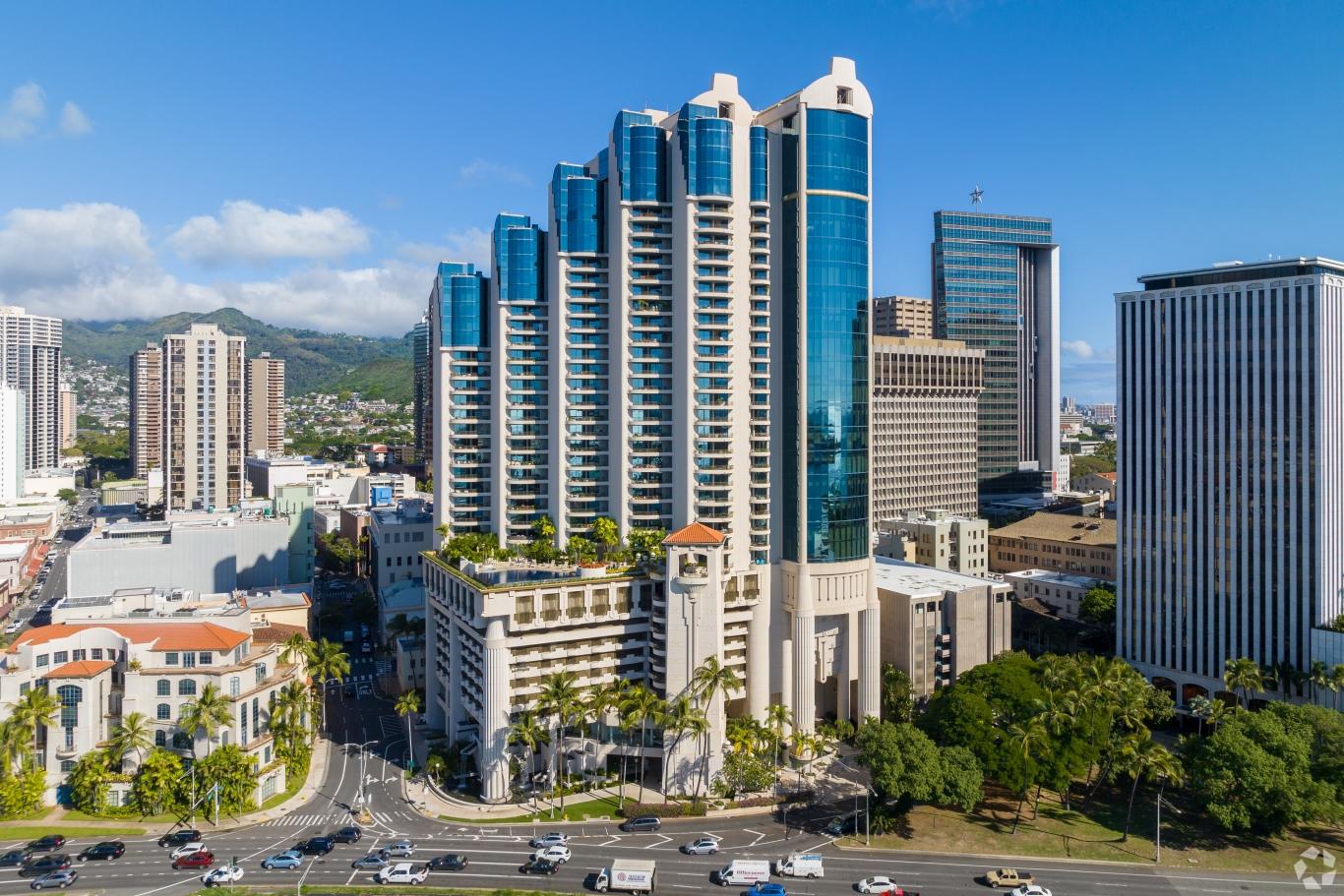
Kakaako posts the highest walkability score of any neighborhood on this list. It has the newest rental stock to match—glassy mid- and high-rises with pools, fitness centers, and dog parks wedged between Downtown Honolulu and Ala Moana. A former warehouse district, it now runs on food and design: SALT at Our Kaka‘ako, Honolulu Beerworks, Moku Kitchen on Ala Moana Boulevard, and a rotating open-air gallery of murals. The Kaka‘ako Farmers Market fills Ward Village on Saturday mornings, and Ward Village itself adds shops, a movie theater, and restaurants within walking distance of most buildings. Ocean access is immediate: Kaka‘ako Waterfront Park has an amphitheater and surf breaks offshore.
Walkability |
Transit |
Drivability |
Bikeability |
100Kakaako has a walkability score of 100 out of 100 |
70Kakaako has a transit score of 70 out of 100 |
50Kakaako has a drivability score of 50 out of 100 |
60Kakaako has a bikeability score of 60 out of 100 |
Keep in mind
Kakaako is the priciest neighborhood on this list, and newer towers often add parking fees and amenity costs on top of rent. The district is still building out, so expect construction noise on some blocks.
Ready to Make the Move?
If Honolulu has caught your eye, take the next step with Apartments.com! Whether you’re dropping in for a short-term lease or hoping to set down roots, Apartments.com has the tools to help you find the perfect place. Navigate housing across neighborhoods with our customized search engine and use our customizable filters to narrow your search by price, amenities, and floor plan.
Wherever you are and wherever you’re going, the options are endless with Apartments.com.
Methodology
Rent and cost of living data are sourced from the Apartments.com Rent Trends pages and Cost of Living Calculator. Walkability, transit, drivability, and bikeability ratings are sourced from the Apartments.com Area Guides, courtesy of Local Logic.
FAQs
Is Honolulu a good place to live?
Honolulu suits renters who want year-round warm weather, beaches and rainforest trails inside city limits, and a genuinely walkable urban core in neighborhoods like Kakaako and Waikiki. The trade-offs are cost and space: rents and everyday expenses run well above the national average, and apartments tend to be smaller than mainland equivalents.
Is Honolulu an expensive place to live?
Yes. The cost of living in Honolulu is 84.1% higher than the national average, making it more expensive than most other big U.S. cities. On average, rentals in Honolulu run about 8.7% higher than the national average rent, and groceries, utilities, and transportation all cost more than the national average as well—island shipping and electricity rates are the usual culprits.
If you’re on a tight budget, there are plenty of affordable neighborhoods in Honolulu to start your search.
What’s the average rent in Honolulu?
The average rent in Honolulu is $1,788/month as of July 2026. That’s about 8.7% higher than the national average rent of $1,645/month.
What salary do you need to live in Honolulu?
Using the general guideline of spending no more than 30 percent of your monthly income on rent, the $1,788 average rent in Honolulu translates to about $5,960 per month, or $71,520 per year, before taxes. Your own number will depend on your monthly bills and other expenses—see our Honolulu cost of living data for a fuller picture of housing, utilities, groceries, and goods and services.


