Median Age
39 Years
Largest Age Group
30-39 Years
Approximately 15% of Residents
Under 20
24%
Over 65
18%




Avg Rent
$1,653
Population
454,059
Renter Mix
38% Rent
Virginia Beach sits where the Atlantic Ocean meets the Chesapeake Bay, making it the most populous city in Virginia and one of the largest resort cities on the East Coast. The economy runs deep here, anchored by Naval Air Station Oceana and the broader Hampton Roads military presence, alongside major healthcare systems and institutions like Regent University and Virginia Wesleyan University. That mix of military, education, and tourism gives the city a steady, year-round energy that goes well beyond summer crowds.
Neighborhoods range considerably in character. The Oceanfront draws those who want to be steps from the three-mile Boardwalk, while Town Center functions as a walkable urban core with performing arts venues and nightlife. Shore Drive and Great Neck offer quieter, residential pockets with easy access to First Landing State Park. Kempsville and Hilltop provide suburban comfort closer to everyday conveniences.
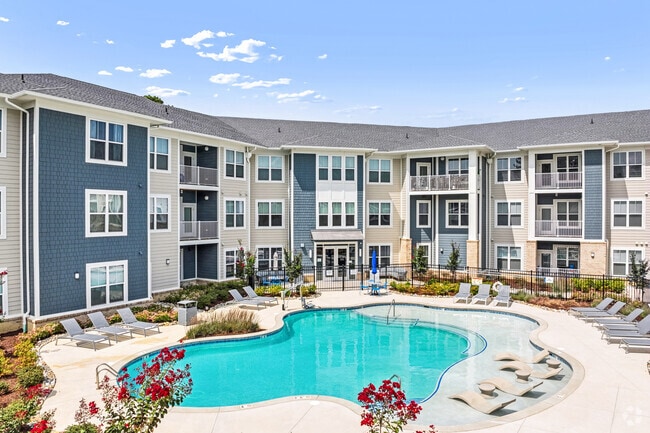
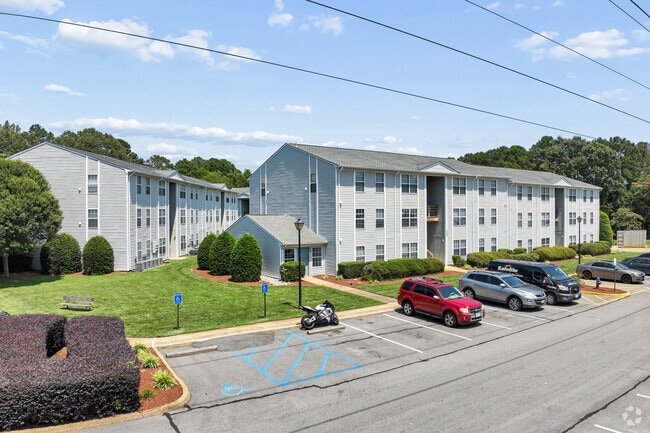
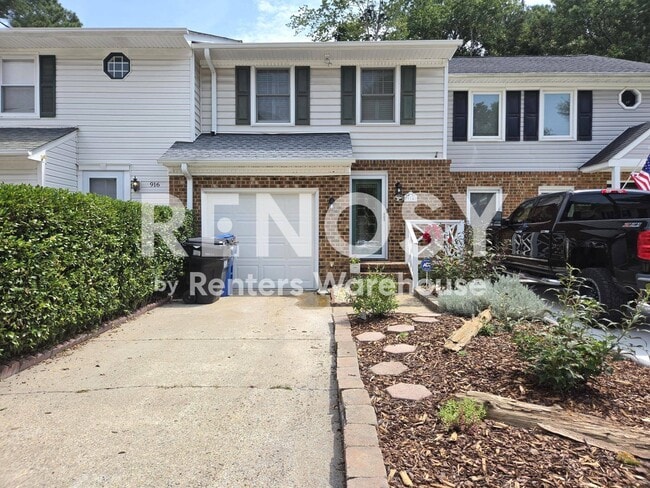
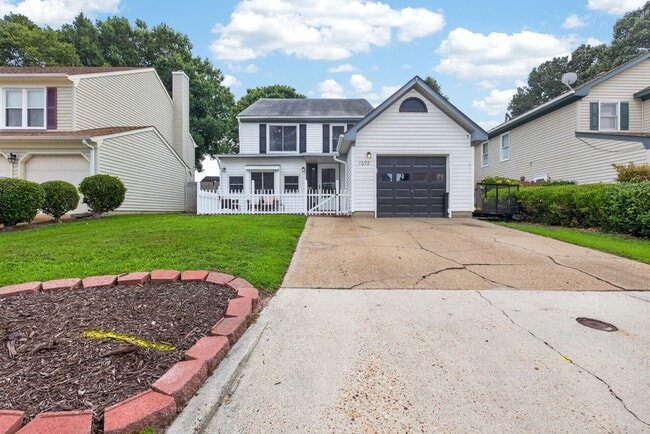
The rental market reflects that variety, with oceanfront high-rises, mid-rise apartment communities near Town Center, and detached rental homes spread across the city's 307 square miles. Whether you want a coastal setting or a neighborhood that feels removed from the resort strip, Virginia Beach accommodates a wide range of preferences and lifestyles.
The statue of King Neptune stands 34 feet tall
The beach on a quiet afternoon
Median Household Income
$84,941
Average: $104,808
Education
148,373
Residents Have a Degree
Job Market
230,900
Workers Employed
Median Age
39 Years
Largest Age Group
30-39 Years
Approximately 15% of Residents
Under 20
24%
Over 65
18%
Housing Distribution
Virginia Beach has more homeowners than renters.

Education Distribution
Review this city's overall education levels.

As of September 2026, the average apartment rent in Virginia Beach, VA is $1,650 for a studio, $1,653 for one bedroom, $1,867 for two bedrooms, and $2,290 for three bedrooms. Apartment rent in Virginia Beach has increased by 6.8% in the past year.
The cost of living in Virginia Beach, VA is 9.7% lower than the national average. Generally, housing in Virginia Beach is 21.9% less expensive than the national average, with rent falling between $1,650 - $2,290. You can expect to pay 0.1% less for groceries, 4.0% more for utilities, and 5.8% less for transportation.
Compare Cities
Explore how walkable, bikeable, drivable, and transit-friendly Virginia Beach, VA is for everyday living.
Somewhat Walkable
Walkability
Exceptionally Drivable
Drivability
Fairly Bikeable
Bikeability

Public
Grades K-8
1,377 Students

Public
Grades PK-5
728 Students
Public
Grades PK-5
561 Students
Public
Grades PK-5
518 Students
North Landing Elementary School
Public
Grades PK-5
463 Students
Public
Grades K-8
1,377 Students
Public
Grades 6-8
1,358 Students
Public
Grades 6-8
1,039 Students

Public
Grades 6-8
1,272 Students

Public
Grades 6-8
1,072 Students
Public
Grades 9-12
1,846 Students
Public
Grades 9-12
391 Students
Public
Grades 9-12
1,700 Students
Public
Grades 9-12
1,629 Students
Public
Grades 9-12
1,899 Students

 The GreatSchools Rating helps parents compare schools within a state based on a variety of school quality indicators and provides a helpful picture of how effectively each school serves all of its students. Ratings are on a scale of 1 (below average) to 10 (above average) and can include test scores, college readiness, academic progress, advanced courses, equity, discipline and attendance data. We also advise parents to visit schools, consider other information on school performance and programs, and consider family needs as part of the school selection process.
View GreatSchools Rating Methodology
Data provided by
GreatSchools.org
© 2026. All rights reserved.
The GreatSchools Rating helps parents compare schools within a state based on a variety of school quality indicators and provides a helpful picture of how effectively each school serves all of its students. Ratings are on a scale of 1 (below average) to 10 (above average) and can include test scores, college readiness, academic progress, advanced courses, equity, discipline and attendance data. We also advise parents to visit schools, consider other information on school performance and programs, and consider family needs as part of the school selection process.
View GreatSchools Rating Methodology
Data provided by
GreatSchools.org
© 2026. All rights reserved.
† Our analysis of utilities, groceries, transportation, healthcare, home prices, and other goods and services is sourced from the Cost of Living Index, a respected benchmark published by the Council for Community and Economic Research (C2ER) that provides a thorough overview of living expenses across different regions.
Rent data is provided by CoStar Group’s Market Trend reports. As the industry leader in commercial real estate information, analytics, and news, CoStar conducts extensive research to produce and maintain a comprehensive database of commercial real estate information. We combine this data with public record to provide the most up-to-date rental information available.
Consumer goods, services, and home prices are sourced from the Cost of Living Index published by the Council for Community and Economic Research (C2ER). The data on this page is updated quarterly. It was last published in September 2026.
Demographic information comes from Neustar and combines detailed address data with U.S. Census and American Community Survey statistics to produce reliable local estimates.