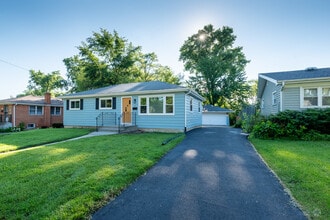
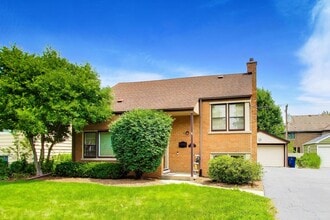
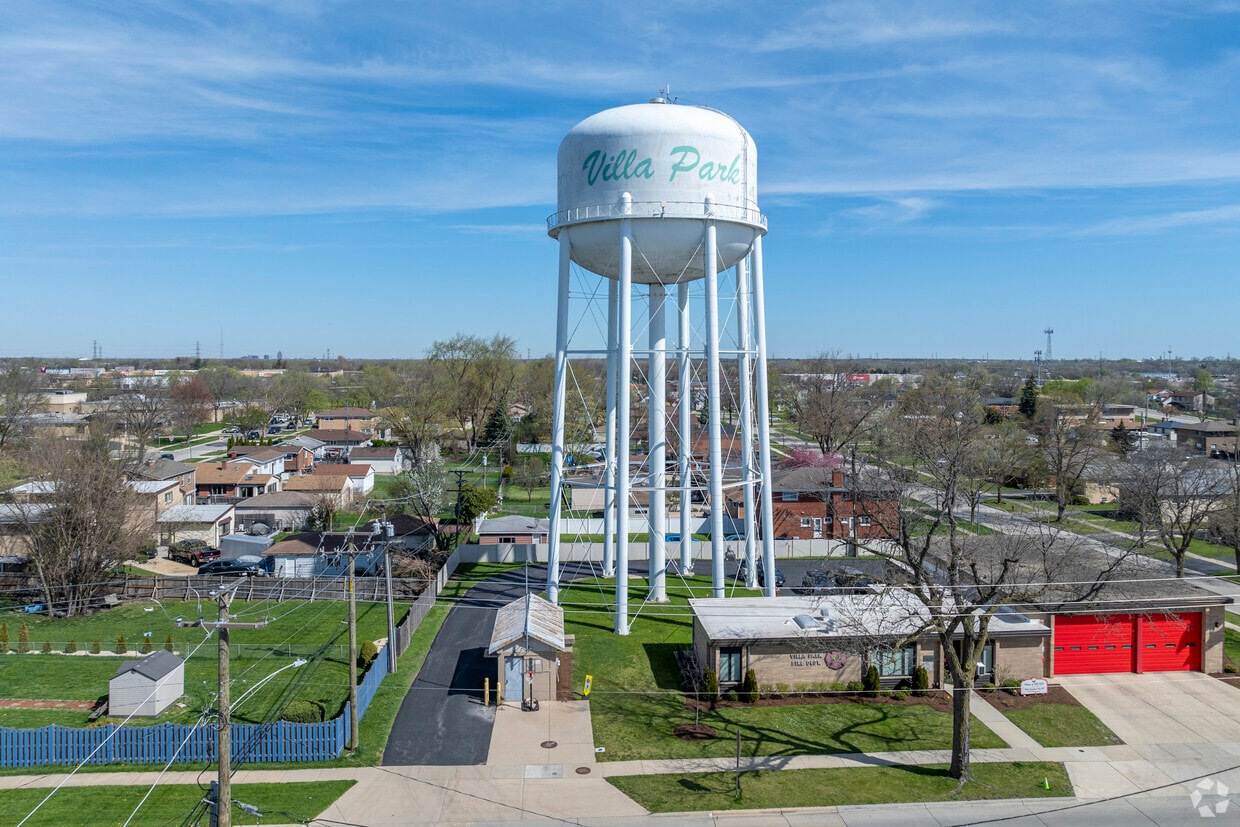
The Villa Park water tower is a central landmark to the neighborhood.
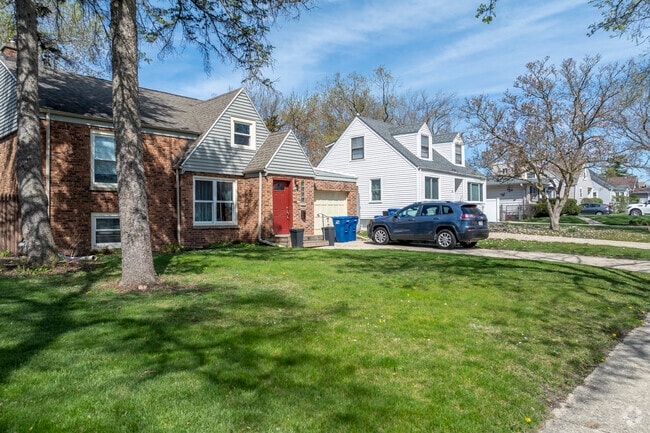
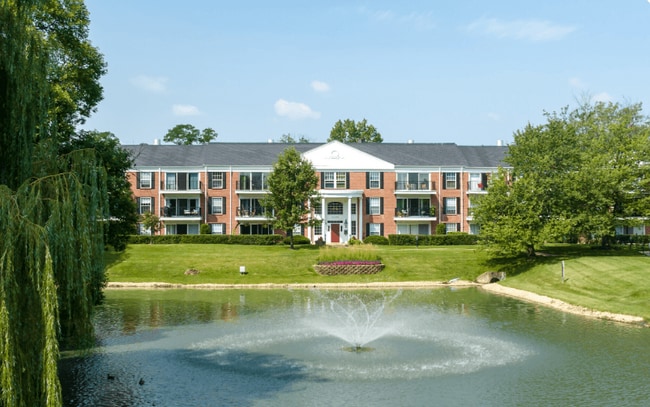
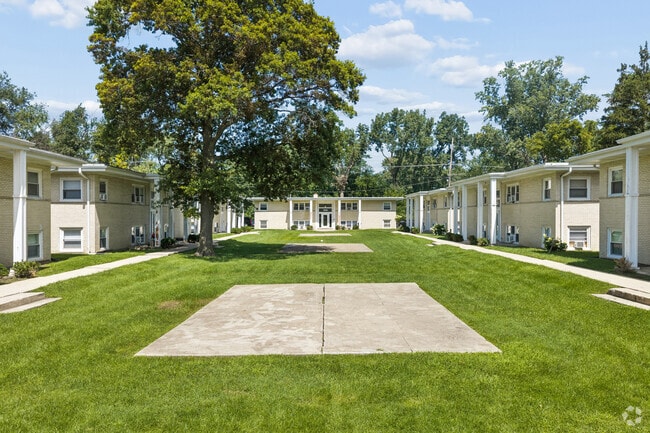
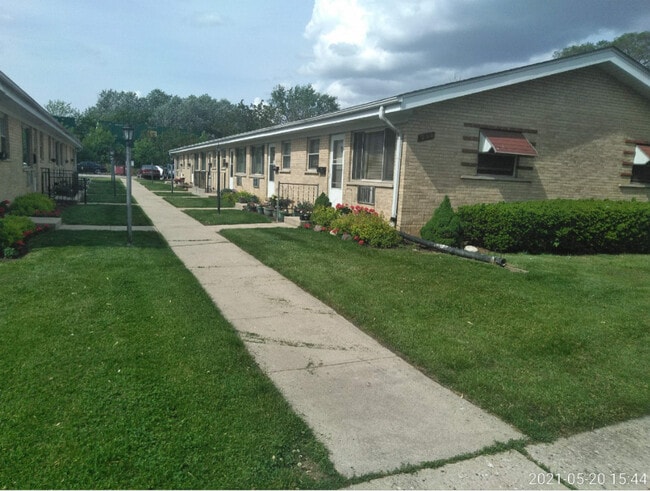
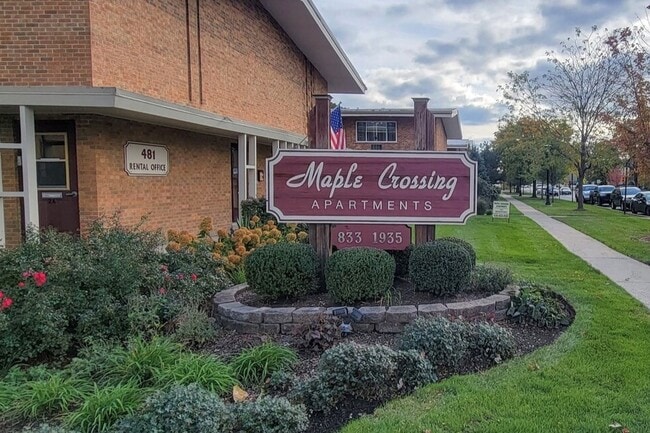
Homes in Villa Park sit on well-maintained yards.
Commuters of Villa Park love the convenience the Metra provides.
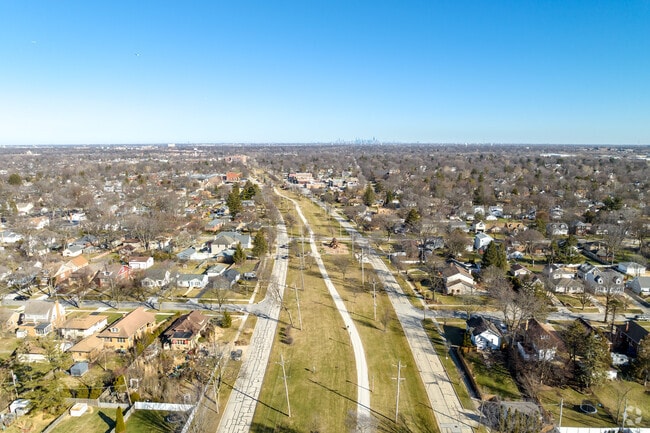
A green way runs all the way through Villa Park.
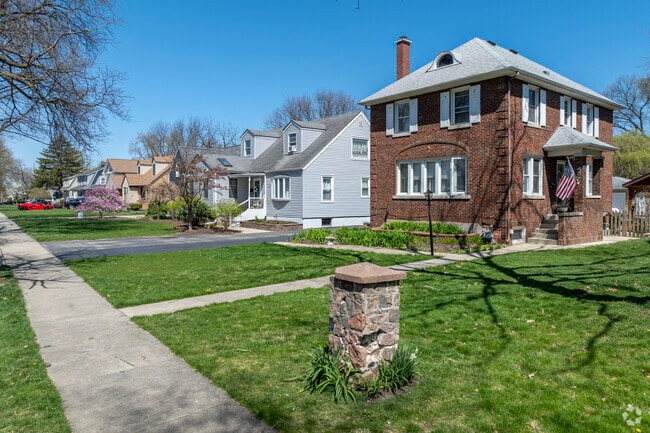
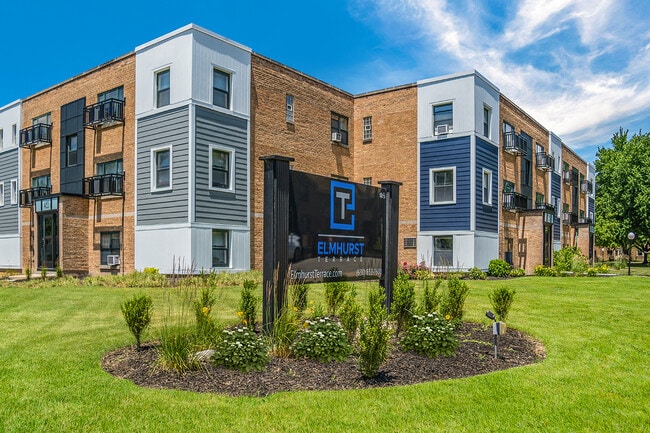
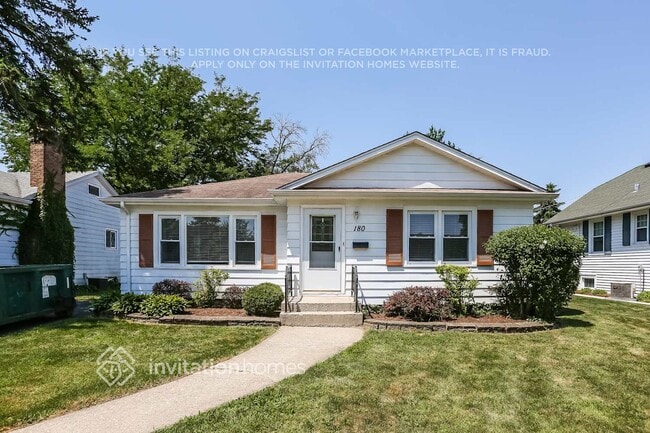
The variety of home types in Villa Park displays residents' individuality.

Villa Park, IL

Area Guide

Avg Rent

$1,590

Population

20,925

Renter Mix

30% Rent

Bask in the Garden Village’s many natural and metropolitan delights

Suburban Family-Friendly Convenient

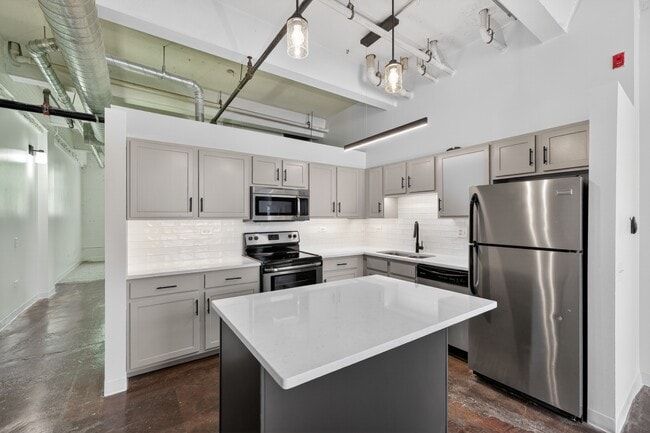
Villa Park, Illinois, is a western suburb of Chicago in DuPage County, known as the "Garden Village" for its 18 parks spread across just 5 square miles. The village has deep roots as a company town, originally built in the early 20th century and home to the historic Ovaltine factory, which has since been converted into residential lofts and apartments. Renters exploring apartments for rent in Villa Park will find a close-knit community with a population of around 22,000 and a strong sense of local character that sets it apart from larger suburban neighbors.

The rental market in Villa Park includes a mix of garden-style apartment communities, townhomes, condos, and converted loft spaces like those found in the historic Ovaltine building. The Illinois Prairie Path, a 61-mile trail, runs directly through the village and connects residents to neighboring towns and natural areas for walking and biking. Local spots like Safari Land, an indoor amusement park, add to the recreational options available close to home. Two major shopping destinations, Oakbrook Center and Yorktown Center, are just a short drive away, along with nearby forest preserves such as Cricket Creek and Churchill Woods for outdoor activities. Dining and retail options line the local corridors, with Villa Market and Hi-View Center convenient for everyday needs.

Getting around from Villa Park is straightforward. The Villa Park Metra station, located less than a mile from the village center, connects commuters directly to downtown Chicago on the Union Pacific West line. Interstates 88, 290, 294, and 355 provide easy access by car to major employment centers across the Chicago metro area. O'Hare International Airport is about 12 miles away, roughly a 34-minute drive. Nearby colleges, including Elmhurst University and College of DuPage, make the village a practical base for those connected to higher education. With a balance of quiet residential streets, transit access, and proximity to Chicago, Villa Park offers renters a grounded suburban option with city conveniences within reach.

Explore the City

Commuters of Villa Park love the convenience the Metra provides.

A green way runs all the way through Villa Park.

The variety of home types in Villa Park displays residents' individuality.

Trail runners love the different trails of the Salt Creek Greenway in Villa Park.

For a quick treat on a hot day, residents of Villa Park head to DQ.

Schedule a tee time at Sugar Creek Golf Course located in Villa Park.

Demographics

Median Household Income

$90,087

Average: $108,617

Education

6,838

Residents Have a Degree

Job Market

11,674

Workers Employed

Age Distribution
Get a sense of this area's population profile.

Median Age

40 Years

Largest Age Group

30-39 Years

Approximately 15% of Residents

Under 20

24%

Over 65

17%
Housing Distribution

Villa Park has more homeowners than renters.

Renters
30%
Non-Renters
70%

Education Distribution

Review this city's overall education levels.

Bachelor's or Higher
25%
Other Education
75%

Rent Trends

As of June 2026, the average apartment rent in Villa Park, IL is $1,593 for one bedroom, $1,832 for two bedrooms, and $1,268 for three bedrooms. Apartment rent in Villa Park has increased by 3.1% in the past year.

Property Type
Average Rent
Average Sq Ft
Apartment
$1,593/month
668 Sq Ft
House
$2,929/month
1,252 Sq Ft
See Rental Market Trends in Villa Park, IL

Getting Around

Moderately Walkable

Walkability

60 / 100

Limited Public Transit

Transit

30 / 100

Very Drivable

Drivability

80 / 100

Fairly Bikeable

Bikeability

50 / 100

Schools

John E Albright Middle School

Public

Grades K-8

179 Students

Ardmore Elementary School

Public

Grades K-5

415 Students

North Elementary School

Public

Grades K-5

418 Students

John E Albright Middle School

Public

Grades K-8

179 Students

Jackson Middle School

Public

Grades 6-8

626 Students

Jefferson Middle School

Public

Grades 6-8

360 Students

Willowbrook High School

Public

Grades 9-12

1,904 Students

Points of Interest

Parks and Recreation

  • Lilacia Park
  • Wilder Park Conservatory
  • Lizzadro Museum of Lapidary Art
  • Cricket Creek Forest Preserve
  • Churchill Woods Forest Preserve

Airports

  • Chicago O'Hare International
  • Chicago Midway International

Top Apartments in Villa Park

Houses for Rent in Villa Park

Living in Villa Park

History

-

Villa Park's roots trace back to the early 20th century, when it was developed as a planned company town by real estate developers. The village emerged from two residential subdivisions, Villa Park (1908) and Ardmore (1910), and grew around the Illinois Prairie Path, which today remains one of the area's most recognizable features for walking and biking. The village became home to the Ovaltine factory, which operated for decades and left a lasting impression on the community. That historic factory building has since been converted into residential units, giving renters and homeowners a chance to live in a piece of local industrial heritage.

As you explore the area today, you'll find two former Chicago Aurora and Elgin Railroad stations that have earned spots on the National Register of Historic Places. These preserved stations stand as reminders of the commuter rail history that shaped Villa Park's suburban development. The 61-mile Illinois Prairie Path, which runs directly through town, follows the route of the old railroad corridor and offers a scenic way to experience the village's evolution from a railroad suburb to the "Garden Village" it's known as now. With 18 parks scattered throughout, the community has maintained its commitment to green space while preserving touches of its early 1900s character.

Restaurants

-

Villa Park features a strong selection of authentic Mexican restaurants, including popular spots along St. Charles Road, where people gather for traditional tacos, enchiladas, and weekend brunch specials. Villa Park's dining landscape also includes classic American fare at longstanding diners and sports bars, Italian trattorias offering homemade pasta dishes, and Asian cuisine options ranging from sushi to Thai specialties.

The downtown area and nearby shopping districts provide convenient access to both quick-service options and sit-down establishments. Local coffee shops and bakeries serve as morning gathering spots for residents, while seasonal outdoor patios create inviting spaces during warmer months. The proximity to neighboring communities like Lombard and Elmhurst expands dining choices even further, giving residents easy access to an extensive range of culinary experiences within just a short drive.

Transportation

-

Villa Park offers convenient transportation connections for residents commuting throughout the western suburbs and into downtown Chicago. Metra's Union Pacific West Line provides weekday and weekend rail service from the Villa Park station, delivering passengers to Chicago's Ogilvie Transportation Center in approximately 35 minutes. The village is positioned along several key roadways, including North Avenue (Illinois Route 64) and Roosevelt Road (Illinois Route 38), which provide direct east-west access across DuPage County. Interstate 290 (the Eisenhower Expressway) runs just south of Villa Park, offering a straight route into the Loop, while Interstate 355 (the Veterans Memorial Tollway) lies nearby for north-south travel throughout the metropolitan area.

The village's compact layout makes many neighborhoods walkable for daily errands, with sidewalks connecting residential areas to local shops and services along major corridors. The Illinois Prairie Path, a multi-use recreational trail converted from an abandoned railroad line, passes directly through Villa Park and serves cyclists, joggers, and walkers throughout the year. For air travel, O'Hare International Airport is approximately 15 miles northeast, typically a 25-30 minute drive depending on traffic, while Midway International Airport sits about 20 miles southeast. Pace suburban bus service also operates routes through the area, supplementing the Metra line for local connections.

Parks

-

Iowa Community Park stands out with its aquatic center featuring a zero-depth pool, water slides, and splash pad. The park also includes baseball diamonds, soccer fields, tennis courts, and a playground. Residents frequent the Prairie Path, a multi-use trail system that winds through the village and connects to neighboring communities, offering miles of scenic routes for walking, running, and cycling year-round.

The Parks and Recreation Department organizes seasonal programming that includes youth sports leagues, summer camps, fitness classes, and special events like outdoor movies and holiday celebrations. Chandler Park and Berkley Park provide neighborhood green spaces with play equipment and open areas for informal gatherings. Veterans Memorial Park honors local service members while offering additional recreational space.

Cost

-

Villa Park offers a suburban cost of living that reflects its position in the Chicago metropolitan area. Housing costs tend to be moderate compared to nearby urban centers, with average rent for a one-bedroom apartment typically ranging from $1,200 to $1,500 per month, while two-bedroom units generally fall between $1,400 and $1,800. These rates are somewhat higher than the Illinois state average but remain more affordable than rentals in downtown Chicago and many of its closer suburbs. Daily expenses, including groceries, utilities, and transportation, align closely with regional norms for DuPage County communities. The village's proximity to major employment centers via Metra rail and Interstate 290 adds value for residents who commute, balancing the cost of living with accessibility. Overall, Villa Park presents a middle-ground option for those seeking suburban amenities and convenience without the premium pricing of Chicago's most expensive neighborhoods.

Shopping

-

Villa Park offers residents a mix of convenient shopping options within the village and easy access to nearby retail destinations. The downtown area along St. Charles Road and Villa Avenue features local boutiques, specialty shops, and family-owned businesses that give the community its distinctive character. Residents often frequent the Villa Park Farmers Market during warmer months, where vendors showcase fresh produce, baked goods, and artisan crafts. For everyday essentials, the village is home to several grocery stores and pharmacies scattered throughout residential neighborhoods.

Nearby shopping centers provide additional variety, with Oakbrook Center just a short drive away offering upscale retailers, department stores, and dining options in an open-air setting. The retail corridor along North Avenue and Roosevelt Road features national chains, home improvement stores, and restaurants that cater to everyday needs. Villa Park's proximity to major suburban shopping destinations in Lombard and Addison expands the options for residents seeking everything from home furnishings to electronics. The village's location within the western suburbs creates a balance between local charm and access to larger retail hubs.

Methodology

† Our analysis of utilities, groceries, transportation, healthcare, home prices, and other goods and services is sourced from the Cost of Living Index, a respected benchmark published by the Council for Community and Economic Research (C2ER) that provides a thorough overview of living expenses across different regions.

Rent data is provided by CoStar Group’s Market Trend reports. As the industry leader in commercial real estate information, analytics, and news, CoStar conducts extensive research to produce and maintain a comprehensive database of commercial real estate information. We combine this data with public record to provide the most up-to-date rental information available.

Consumer goods, services, and home prices are sourced from the Cost of Living Index published by the Council for Community and Economic Research (C2ER). The data on this page is updated quarterly. It was last published in June 2026.

Demographic information comes from Neustar and combines detailed address data with U.S. Census and American Community Survey statistics to produce reliable local estimates.