10 Most Affordable Places to Live in New Jersey
Experience all New Jersey offers without breaking the bank. Here are 10 cities with the cheapest rent in the state.




Avg Rent
$1,583
Population
87,924
Renter Mix
73% Rent
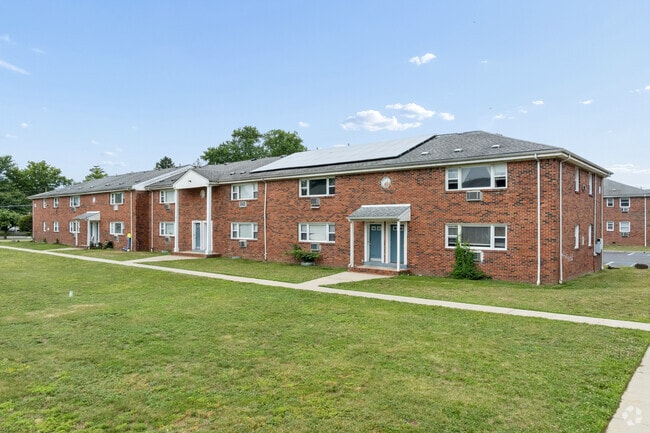
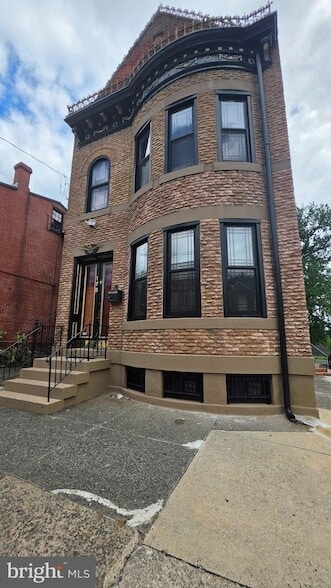
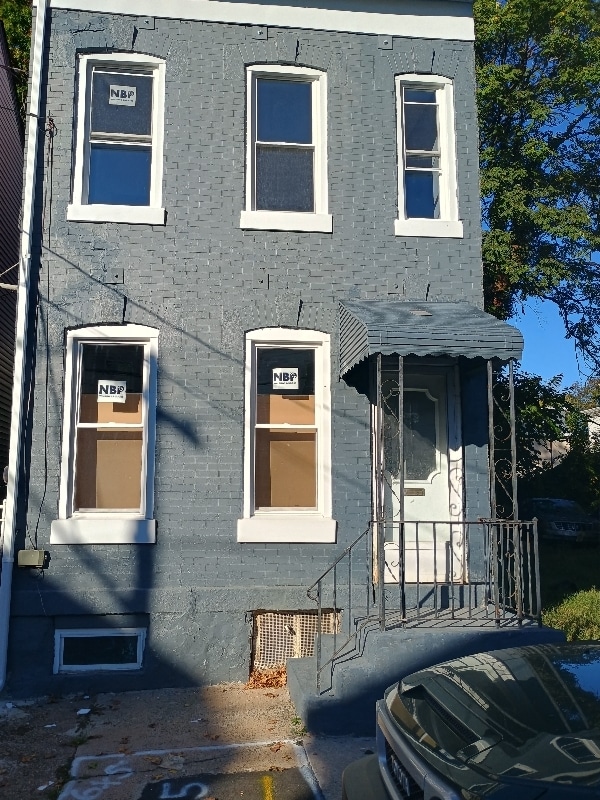
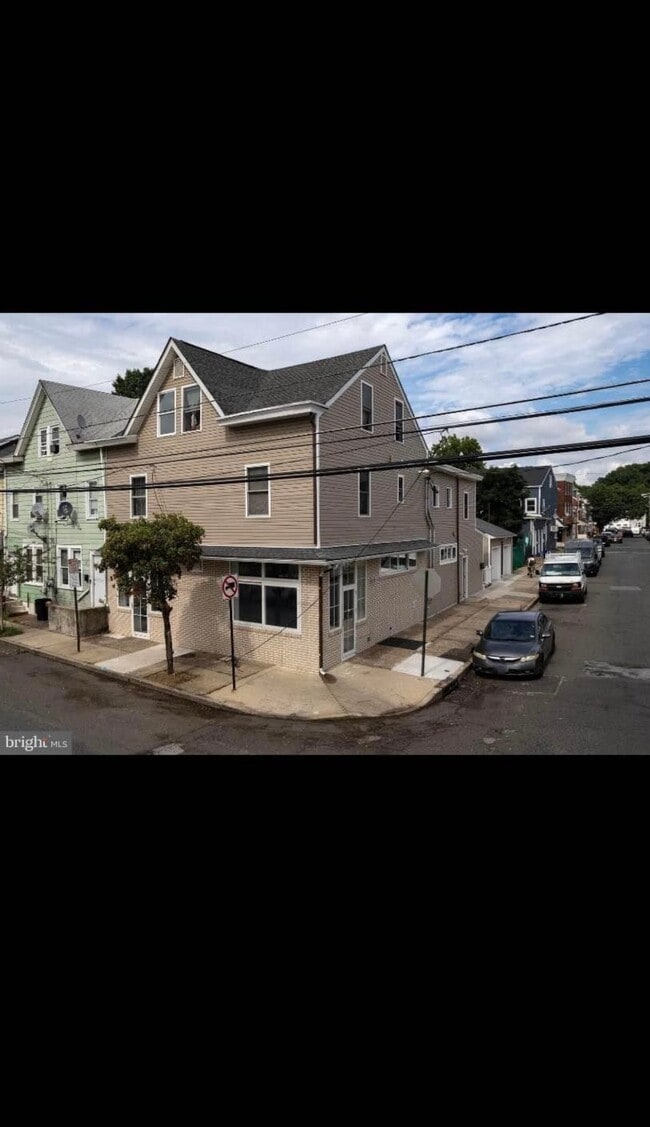
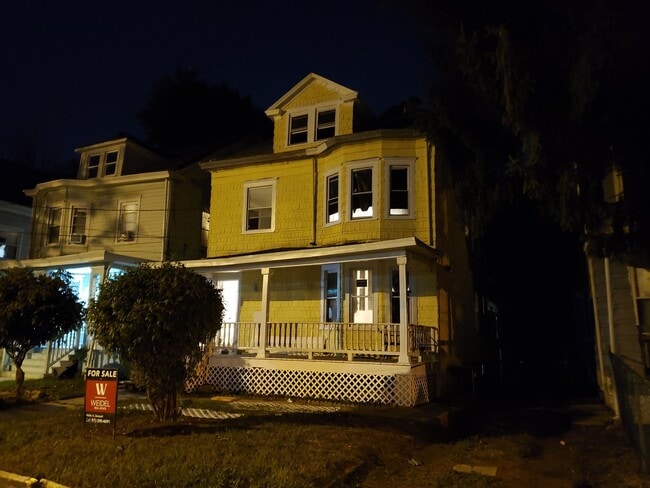
Living in Trenton combines historical significance with contemporary urban living in New Jersey's capital city. The city's heritage shines through landmarks like the Old Barracks Museum, the New Jersey State House, and the William Trent House, while downtown continues to grow with transit-oriented development. Housing options include historic row houses and apartments, with current average rents at $1,515 for a one-bedroom unit, showing a moderate increase of 3.5% over the past year. Notable neighborhoods include the Mill Hill historic district, Chambersburg, and West Ward. The city's central location offers convenient transit access via Amtrak, NJ Transit, and SEPTA, connecting residents to both New York City and Philadelphia.
Cultural attractions include the New Jersey State Museum and the Trenton War Memorial, home to performances and events. Cadwalader Park, designed by Frederick Law Olmsted, spans 109.5 acres of recreational space. The illuminated "Trenton Makes, The World Takes" bridge sign stands as a testament to the city's manufacturing history, when it produced rubber, wire rope, ceramics, and cigars. While state government offices now anchor the local economy, Trenton continues to evolve through new development and community initiatives. The city's lower cost of living relative to surrounding metropolitan areas, combined with its historic character and accessibility to major cities, appeals to those seeking an urban setting with strong transportation connections.
The American Goldfinch, the New Jersey state bird
The Trenton Train Station
Median Household Income
$43,346
Average: $62,409
Education
11,571
Residents Have a Degree
Job Market
36,461
Workers Employed
Median Age
36 Years
Largest Age Group
5-14 Years
Approximately 15% of Residents
Under 20
28%
Over 65
13%
Housing Distribution
Trenton has more renters than homeowners.

Education Distribution
Review this city's overall education levels.

As of September 2026, the average apartment rent in Trenton, NJ is $1,012 for a studio, $1,583 for one bedroom, $1,918 for two bedrooms, and $1,671 for three bedrooms. Apartment rent in Trenton has increased by 1.1% in the past year.
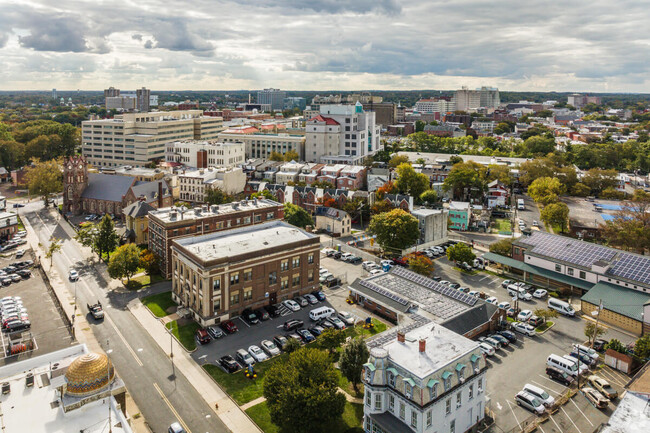
10 Most Affordable Places to Live in New Jersey
Experience all New Jersey offers without breaking the bank. Here are 10 cities with the cheapest rent in the state.

Creating Space for Apartment Workouts
No gym? Create a home workout space to keep up your fitness routine, without stepping outside.

Apartment Tour Checklist: What to Look for When Touring a New Apartment
Use this apartment tour checklist to inspect the space, ask the right questions, and spot issues before you sign.
Explore how walkable, bikeable, drivable, and transit-friendly Trenton, NJ is for everyday living.
Fairly Walkable
Walkability
Some Public Transit
Transit
Exceptionally Drivable
Drivability
Moderately Bikeable
Bikeability

Foundation Academy Charter School
Public
Grades K-12
1,155 Students

Paul Robeson Charter School For The Humanities
Public
Grades K-8
545 Students

International Charter School Of Trenton
Public
Grades K-5
108 Students

Public
Grades K-8
361 Students

Hedgepeth William Intermediate School
Public
Grades K-5
668 Students

Foundation Academy Charter School
Public
Grades K-12
1,155 Students
Paul Robeson Charter School For The Humanities
Public
Grades K-8
545 Students
Achievers Early College Prep Charter School
Public
Grades 6-12
543 Students
Public
Grades K-8
361 Students
Public
Grades 6-8
703 Students
Foundation Academy Charter School
Public
Grades K-12
1,155 Students
Achievers Early College Prep Charter School
Public
Grades 6-12
543 Students
Public
Grades 9-12
2,097 Students

Trenton Central High School-9th Grade Academy
Public
Grades 6-12
890 Students
Trenton Central High School West
Public
Grades 9-12
761 Students

 The GreatSchools Rating helps parents compare schools within a state based on a variety of school quality indicators and provides a helpful picture of how effectively each school serves all of its students. Ratings are on a scale of 1 (below average) to 10 (above average) and can include test scores, college readiness, academic progress, advanced courses, equity, discipline and attendance data. We also advise parents to visit schools, consider other information on school performance and programs, and consider family needs as part of the school selection process.
View GreatSchools Rating Methodology
Data provided by
GreatSchools.org
© 2026. All rights reserved.
The GreatSchools Rating helps parents compare schools within a state based on a variety of school quality indicators and provides a helpful picture of how effectively each school serves all of its students. Ratings are on a scale of 1 (below average) to 10 (above average) and can include test scores, college readiness, academic progress, advanced courses, equity, discipline and attendance data. We also advise parents to visit schools, consider other information on school performance and programs, and consider family needs as part of the school selection process.
View GreatSchools Rating Methodology
Data provided by
GreatSchools.org
© 2026. All rights reserved.
† Our analysis of utilities, groceries, transportation, healthcare, home prices, and other goods and services is sourced from the Cost of Living Index, a respected benchmark published by the Council for Community and Economic Research (C2ER) that provides a thorough overview of living expenses across different regions.
Rent data is provided by CoStar Group’s Market Trend reports. As the industry leader in commercial real estate information, analytics, and news, CoStar conducts extensive research to produce and maintain a comprehensive database of commercial real estate information. We combine this data with public record to provide the most up-to-date rental information available.
Consumer goods, services, and home prices are sourced from the Cost of Living Index published by the Council for Community and Economic Research (C2ER). The data on this page is updated quarterly. It was last published in September 2026.
Demographic information comes from Neustar and combines detailed address data with U.S. Census and American Community Survey statistics to produce reliable local estimates.