
Median Age
30 Years
Largest Age Group
20-29 Years
Approximately 26% of Residents
Under 20
24%
Over 65
13%
Avg Rent
$1,190
Population
192,920
Renter Mix
60% Rent
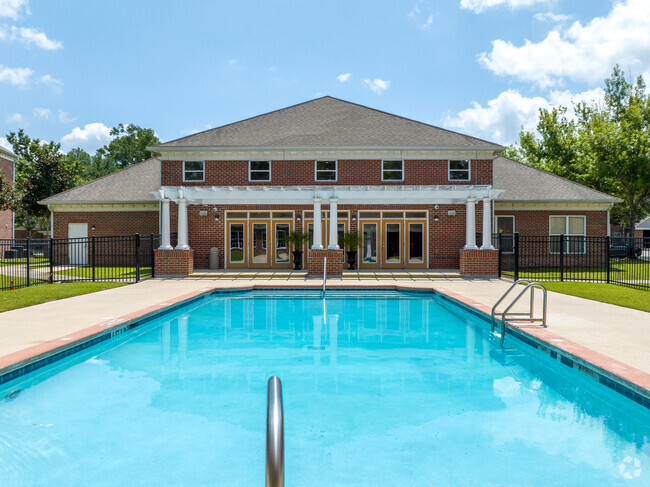
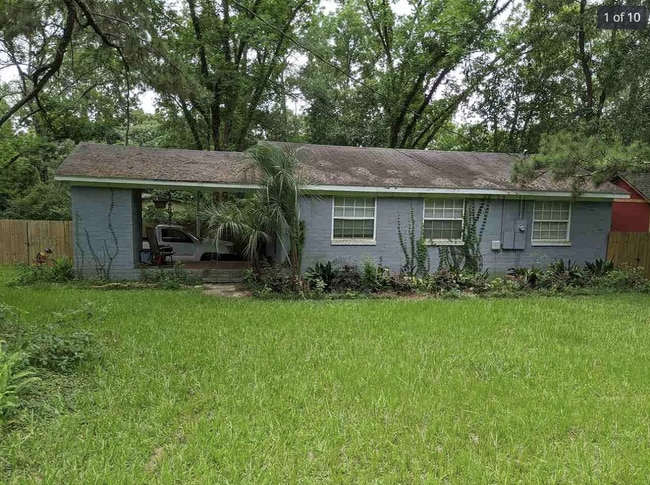
Tallahassee wears two identities at once: it is Florida's seat of government and one of the South's most spirited college towns, and both roles shape daily life here in ways that feel genuinely distinct from any other Florida city. Florida State University and Florida A&M University together bring more than 70,000 students to town, fueling a lively arts scene, a packed events calendar, and a rental market with real depth and variety. The Capitol Complex anchors a steady base of government employment, which gives the city an economic steadiness that other college towns often lack.
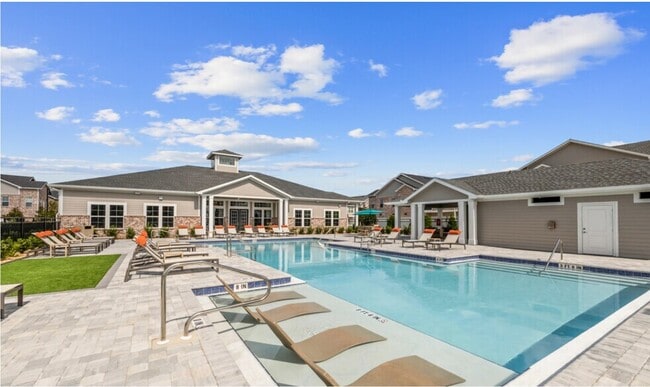
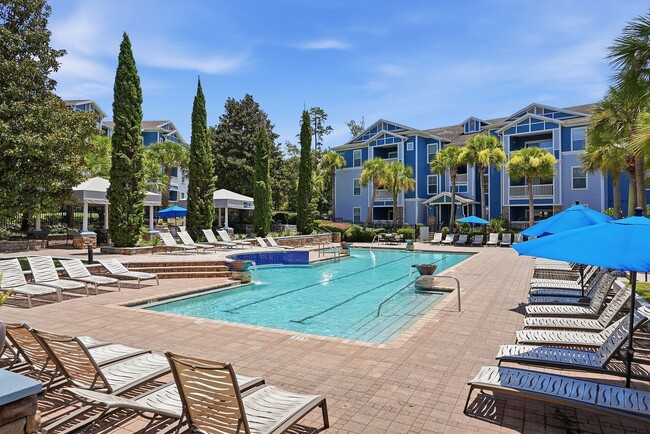
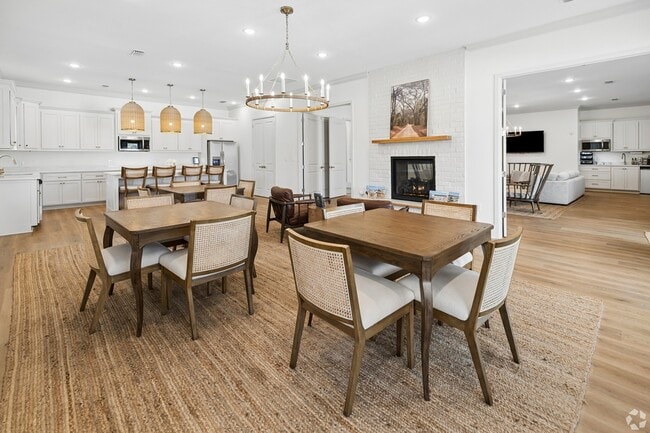
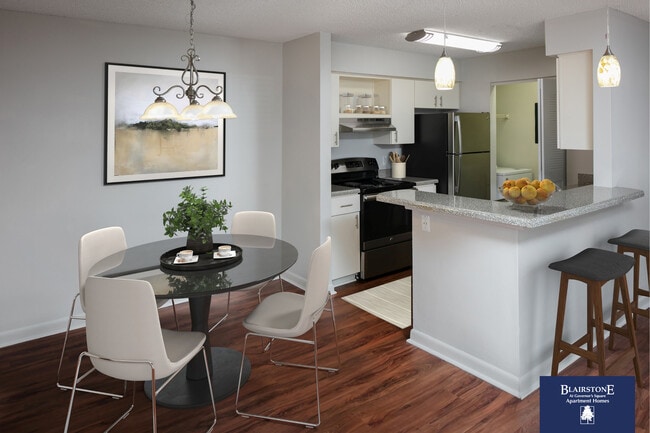
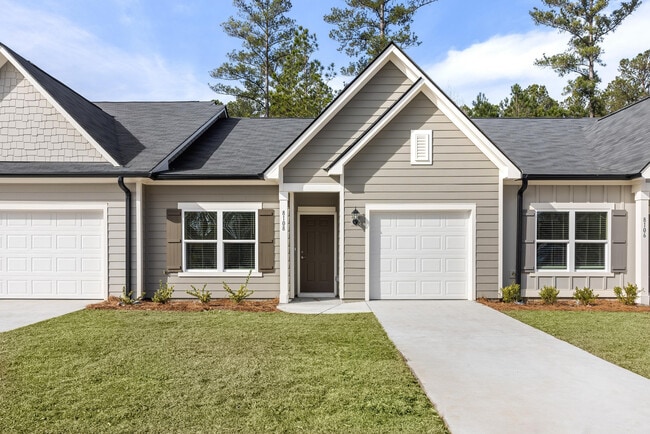
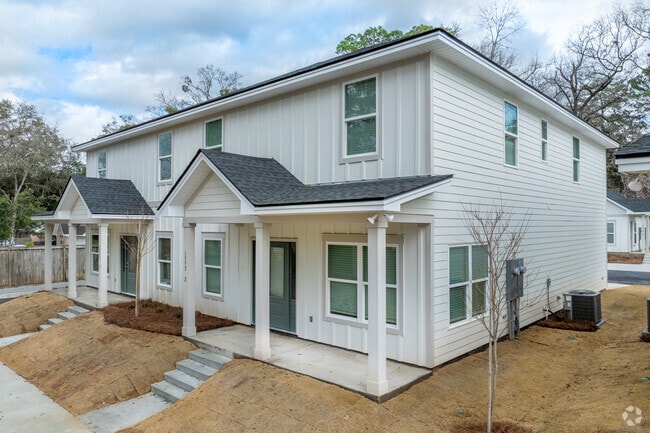
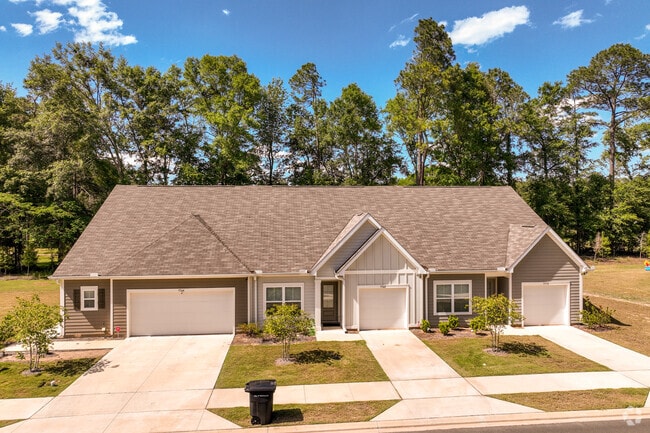
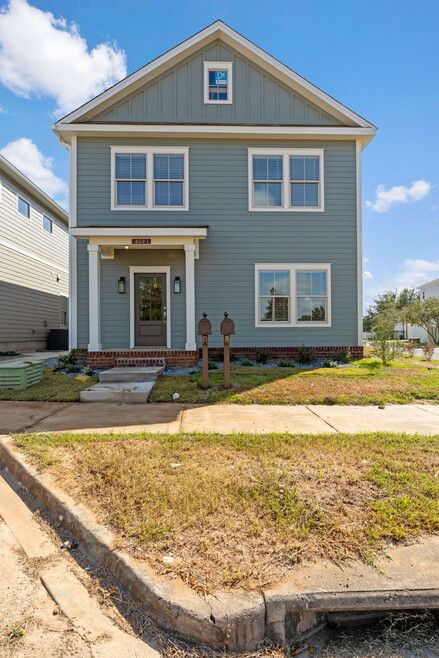
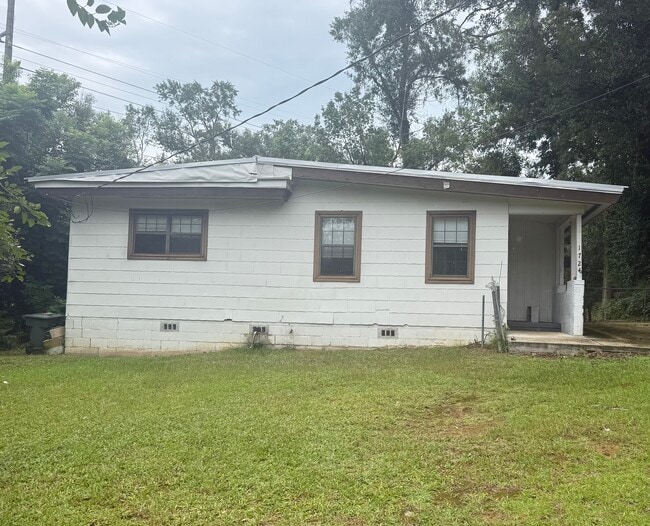
Neighborhoods here have real character. Midtown draws renters who want walkable access to local dining and the peaceful loop around Lake Ella. College Town pulses with energy near FSU and the Railroad Square Art District. Downtown offers high-rise apartment communities with views of Cascades Park and the Capitol. Southwood features newer planned communities with trails and green space woven throughout, while Betton Hills is known for its canopy roads shaded by old oak trees. The housing mix ranges from garden-style apartment communities and craftsman bungalows to sleek downtown towers, giving renters a broad range of options well below the cost of most major Florida metros.
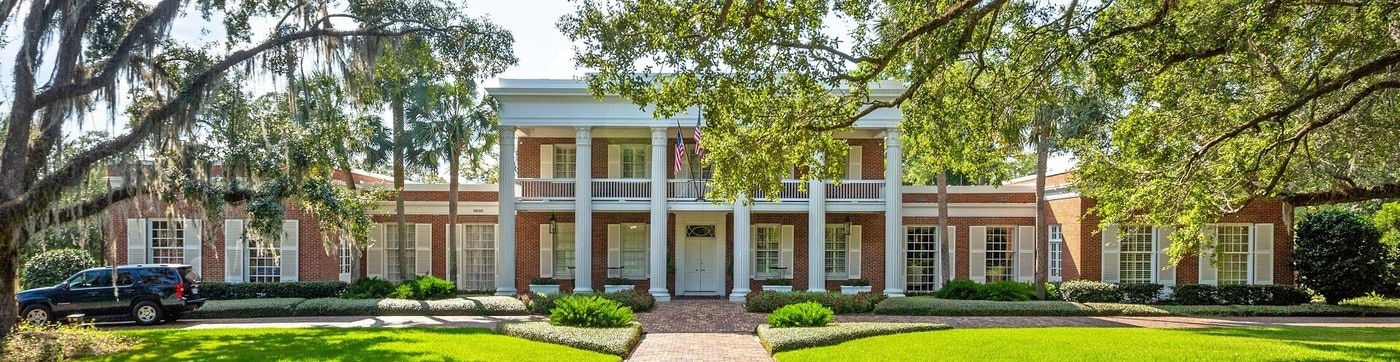
Aerial view of Tallahassee
The drive to the Capitol Building
Median Household Income
$51,396
Average: $74,743
Education
71,639
Residents Have a Degree
Job Market
100,741
Workers Employed
Median Age
30 Years
Largest Age Group
20-29 Years
Approximately 26% of Residents
Under 20
24%
Over 65
13%
Housing Distribution
Tallahassee has more renters than homeowners.

Education Distribution
Review this city's overall education levels.

As of September 2026, the average apartment rent in Tallahassee, FL is $1,196 for a studio, $1,192 for one bedroom, $1,464 for two bedrooms, and $1,741 for three bedrooms. Apartment rent in Tallahassee has increased by 0.8% in the past year.
The cost of living in Tallahassee, FL is 6.2% lower than the national average. Generally, housing in Tallahassee is 14.5% less expensive than the national average, with rent falling between $1,192 - $1,740. You can expect to pay 0.3% less for groceries, 18.1% less for utilities, and 2.9% less for transportation.
Compare Cities
Explore how walkable, bikeable, drivable, and transit-friendly Tallahassee, FL is for everyday living.
Fairly Walkable
Walkability
Minimal Public Transit
Transit
Exceptionally Drivable
Drivability
Somewhat Bikeable
Bikeability

Public
Grades PK-5
763 Students

Killearn Lakes Elementary School
Public
Grades PK-5
739 Students
Florida State University School
Public
Grades K-12
1,838 Students

Public
Grades PK-5
767 Students
Public
Grades PK-5
830 Students

Florida State University School
Public
Grades K-12
1,838 Students
William J Montford III Middle School
Public
Grades 6-8
1,065 Students
Public
Grades 6-8
834 Students
Public
Grades 6-8
793 Students
Public
Grades K-8
454 Students
Florida State University School
Public
Grades K-12
1,838 Students
Public
Grades 9-12
1,867 Students

Public
Grades 9-12
346 Students
Public
Grades 6-12
90 Students

Public
Grades 9-12
1,845 Students

 The GreatSchools Rating helps parents compare schools within a state based on a variety of school quality indicators and provides a helpful picture of how effectively each school serves all of its students. Ratings are on a scale of 1 (below average) to 10 (above average) and can include test scores, college readiness, academic progress, advanced courses, equity, discipline and attendance data. We also advise parents to visit schools, consider other information on school performance and programs, and consider family needs as part of the school selection process.
View GreatSchools Rating Methodology
Data provided by
GreatSchools.org
© 2026. All rights reserved.
The GreatSchools Rating helps parents compare schools within a state based on a variety of school quality indicators and provides a helpful picture of how effectively each school serves all of its students. Ratings are on a scale of 1 (below average) to 10 (above average) and can include test scores, college readiness, academic progress, advanced courses, equity, discipline and attendance data. We also advise parents to visit schools, consider other information on school performance and programs, and consider family needs as part of the school selection process.
View GreatSchools Rating Methodology
Data provided by
GreatSchools.org
© 2026. All rights reserved.
† Our analysis of utilities, groceries, transportation, healthcare, home prices, and other goods and services is sourced from the Cost of Living Index, a respected benchmark published by the Council for Community and Economic Research (C2ER) that provides a thorough overview of living expenses across different regions.
Rent data is provided by CoStar Group’s Market Trend reports. As the industry leader in commercial real estate information, analytics, and news, CoStar conducts extensive research to produce and maintain a comprehensive database of commercial real estate information. We combine this data with public record to provide the most up-to-date rental information available.
Consumer goods, services, and home prices are sourced from the Cost of Living Index published by the Council for Community and Economic Research (C2ER). The data on this page is updated quarterly. It was last published in September 2026.
Demographic information comes from Neustar and combines detailed address data with U.S. Census and American Community Survey statistics to produce reliable local estimates.