Sun Valley

Background Image

Sun Valley, CA Area Guide

Avg Rent

$1,607

Population

45,207

Renter Mix

48% Rent

A charming small town not far from Los Angeles

Commuter Affordable Walkable Outdoors

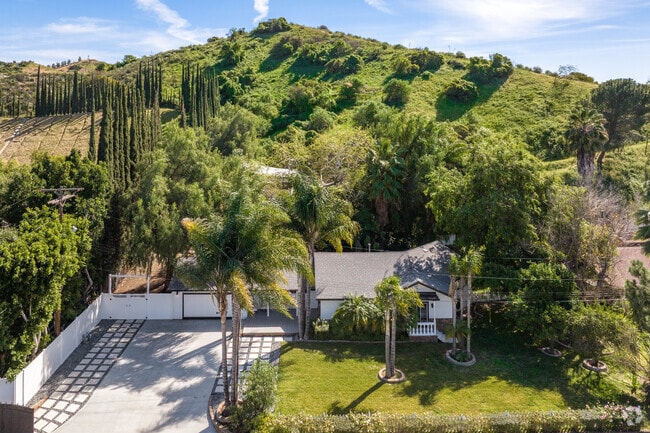
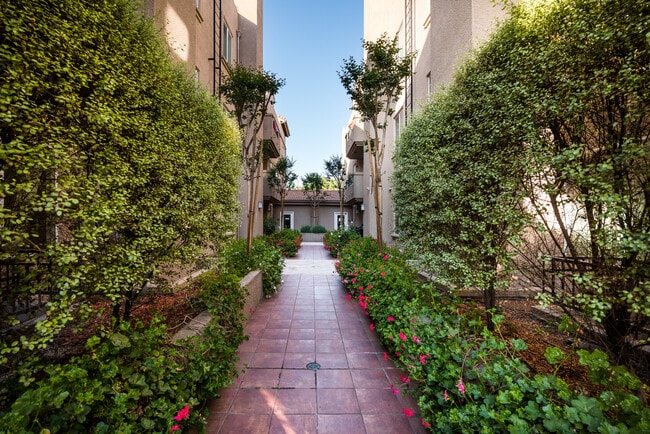
Sun Valley is a neighborhood in the San Fernando Valley section of Los Angeles, sitting at the crossroads of Highway 210 and Interstate 5 — a location that keeps it well-connected to the rest of the city without placing renters in the middle of its busiest corridors. The area carries a grounded, residential character, with a density that feels more like a self-contained community than a typical L.A. suburb. Its roots trace back to 1874, when Charles Maclay acquired tens of thousands of acres that eventually shaped the neighborhood's development into the lived-in, working district it is today.

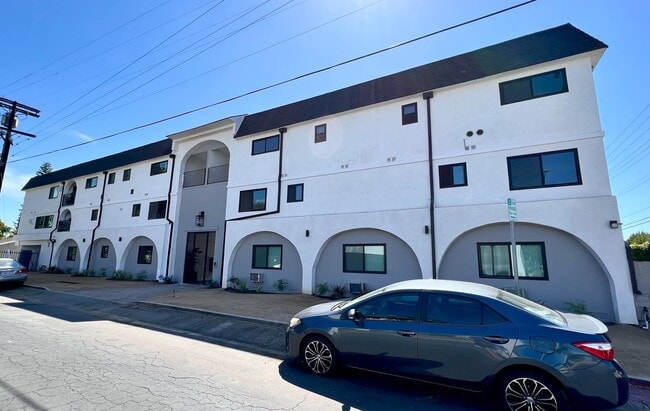
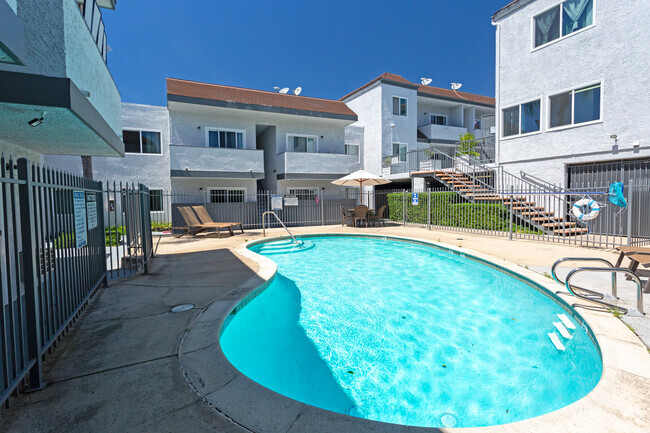
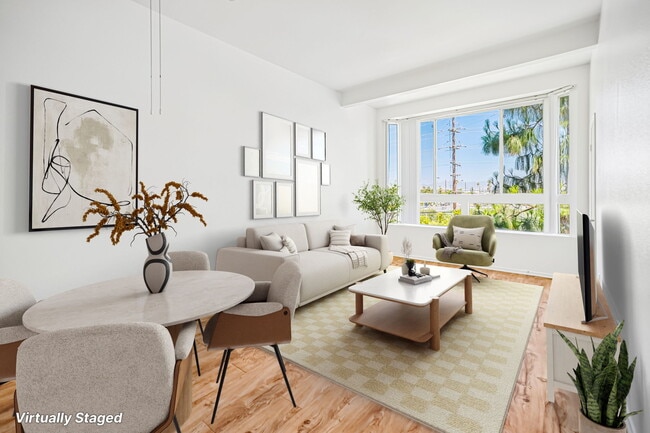
Renters here find a mix of apartment communities, smaller multi-unit buildings, and single-family rentals spread across roughly ten square miles. Neighboring North Hollywood and Arleta offer additional housing options and commercial activity within close reach. John H. Francis Polytechnic High School anchors the local education landscape, and three recreation centers — one of which carries historic designation — serve the surrounding area. For those who work in central Los Angeles, Sun Valley offers a practical base with a commute that typically runs around 35 minutes by car.

Explore the City

Demographics

Median Household Income

$68,657

Average: $89,912

Education

7,804

Residents Have a Degree

Job Market

21,758

Workers Employed

Age Distribution
Get a sense of this area's population profile.

Median Age

39 Years

Largest Age Group

25-34 Years

Approximately 14% of Residents

Under 20

24%

Over 65

16%

Housing Distribution

Sun Valley has more homeowners than renters.

Renters
48%
Non-Renters
52%

Education Distribution

Review this city's overall education levels.

Bachelor's or Higher
12%
Other Education
88%

Rent Trends

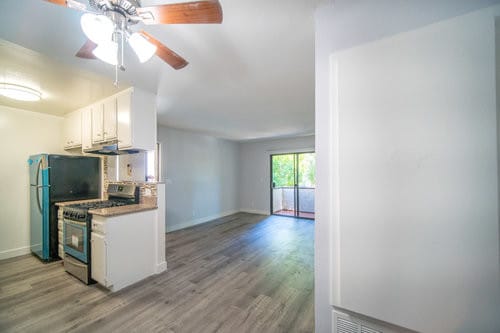
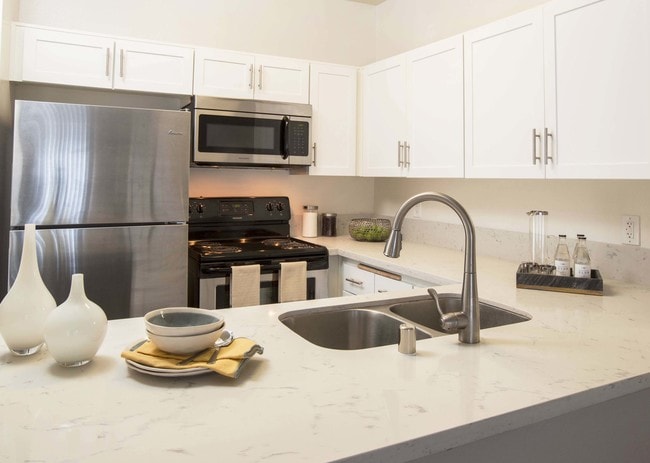
As of April 2026, the average apartment rent in Sun Valley, CA is $1,357 for a studio, $1,607 for one bedroom, $2,190 for two bedrooms, and $3,047 for three bedrooms. Apartment rent in Sun Valley has increased by 0.9% in the past year.

Property Type
Average Rent
Average Sq Ft
Apartment
$1,607/month
582 Sq Ft
House
$3,438/month
1,025 Sq Ft
Condo
$2,467/month
727 Sq Ft
Townhome
$3,516/month
1,284 Sq Ft
See Rental Market Trends in Sun Valley, CA

Getting Around

Fairly Walkable

Walkability

40 / 100

Some Public Transit

Transit

40 / 100

Exceptionally Drivable

Drivability

100 / 100

Points of Interest

Parks and Recreation

  • La Tuna Canyon Park
  • El Cariso Regional Park
  • The Japanese Garden
  • Sepulveda Basin Wildlife Reserve
  • Lake Balboa

Airports

  • Bob Hope
  • Los Angeles International

Top Apartments in Sun Valley

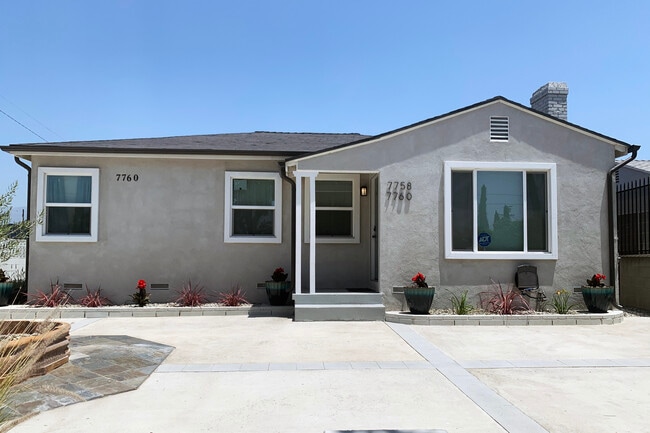
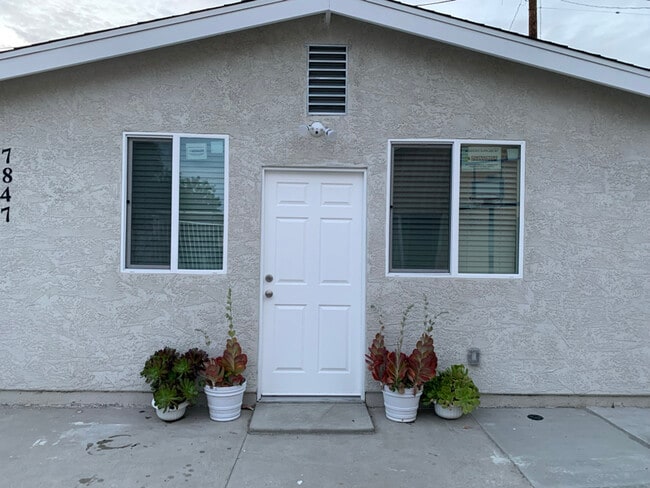
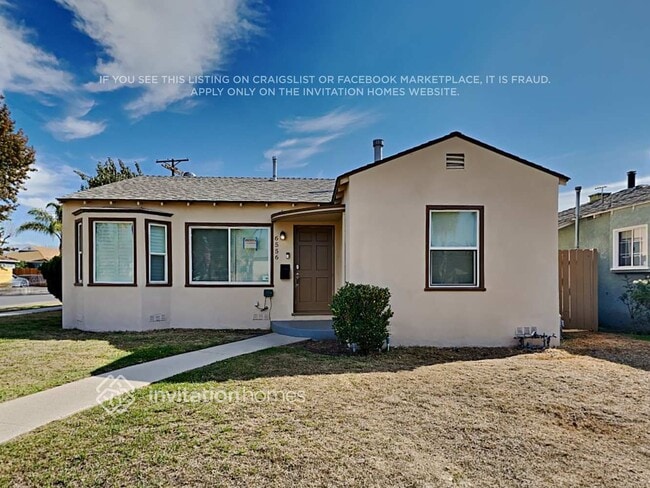
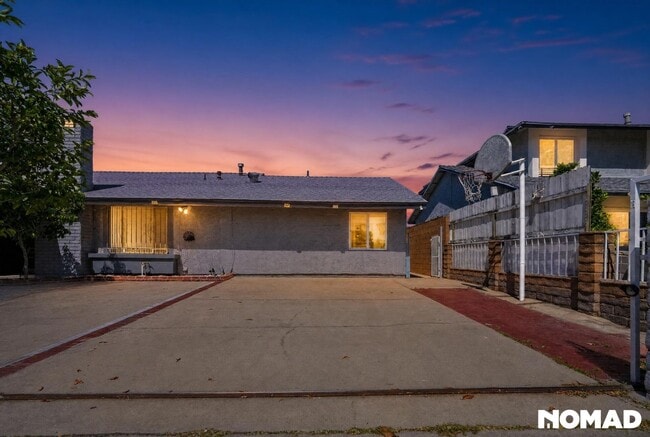
Houses for Rent in Sun Valley

Living in Sun Valley

History

-

Sun Valley's history begins with the Tongva people, whose village of Wixánga once occupied this land. The name translates roughly to "place of the thorns," a reference to the prickly pear cacti that grew abundantly across the valley floor. That indigenous past gives way to the area's modern development, which took shape after 1874 when Charles Maclay acquired tens of thousands of acres in the northern San Fernando Valley. His holdings eventually formed the foundation for Sun Valley's residential and industrial growth throughout the 20th century.

Today, one of the neighborhood's three recreation centers carries historic designation, connecting residents to that earlier era of community building. The architecture and street layout reflect Sun Valley's evolution as a working district rather than a showcase suburb, with much of its character rooted in mid-century development patterns. Renters moving here encounter a neighborhood where history is less about grand monuments and more about the practical, lived-in infrastructure that has served generations of San Fernando Valley residents.

Restaurants

-

Sun Valley's dining scene reflects the neighborhood's rich cultural mix, with Mexican cuisine taking a particularly prominent role. Taquerias and family-run restaurants serving regional Mexican dishes — including mole, tamales, and birria — are woven into the everyday fabric of the neighborhood. Japanese dining is also well represented, with sushi spots and noodle houses drawing both locals and visitors. The nearby Vallarta Supermarket serves as a culinary hub for residents who prefer to cook at home, stocking a broad range of Latin American ingredients alongside everyday staples. Sun Valley's affordability and proximity to Los Angeles means residents enjoy access to a genuinely diverse table without downtown prices.

Transportation

-

Sun Valley sits along two of the San Fernando Valley's busiest corridors, the I-5 (Golden State Freeway) and SR-210 (Footprint Freeway), giving drivers fairly direct access to downtown Los Angeles in roughly 35 minutes outside of peak hours, though rush-hour congestion on both routes is common. Several Metro bus lines serve the neighborhood, including Route 794, which connects commuters to central L.A. in about 70 minutes. Rideshare services operate throughout the area. The neighborhood carries a high walkability score, with sidewalks and bike-friendly streets that make short local trips manageable on foot or by bicycle. Bob Hope (Burbank) Airport is just a few miles to the west, and Los Angeles International Airport is accessible via the freeway network.

Parks

-

Sun Valley offers residents a solid collection of neighborhood parks well suited for active outdoor living. Sun Valley Park serves as the area's flagship green space, featuring a swimming pool, basketball and tennis courts, a baseball diamond, jogging paths, BBQ pits, and a multipurpose kitchen. Dog owners appreciate the nearby Whitnall Off-Leash Dog Park, a dedicated space where pets can roam freely. The neighborhood also benefits from its location in the San Fernando Valley, where bike-friendly streets and walking paths extend outdoor options beyond individual park boundaries, making it easy to stay active close to home.

Cost

-

Sun Valley sits notably below the broader Los Angeles rental market, offering one-bedroom apartments averaging around $1,610 per month compared to the California statewide average of $2,224. Studios start near $1,365, while two-bedroom units average around $2,176, and larger three- and four-bedroom options are also available. As part of the greater Los Angeles area, residents can expect an overall cost of living roughly 52 percent above the national average, with housing costs being the primary driver. Groceries, utilities, and transportation also run above national norms, though the neighborhood's median household income of approximately $68,600 reflects a working-class community where relative value within the Los Angeles market is a distinguishing factor.

Shopping

-

Sun Valley's retail scene is grounded in everyday convenience, with a stretch of storefronts along Glenoaks Boulevard serving as the neighborhood's primary commercial corridor. Residents have easy access to major retailers like Kohl's alongside a mix of independent and ethnic grocery stores, including Vallarta Supermarket, which has long been a community staple offering Latin American ingredients and everyday essentials. The area also benefits from several farmers markets, where local vendors bring fresh produce, specialty foods, and regional goods to the community on a rotating basis, adding a lively, neighborhood feel to the weekly shopping routine.

Search Nearby Rentals

Methodology

† Our analysis of utilities, groceries, transportation, healthcare, home prices, and other goods and services is sourced from the Cost of Living Index, a respected benchmark published by the Council for Community and Economic Research (C2ER) that provides a thorough overview of living expenses across different regions.

Rent data is provided by CoStar Group’s Market Trend reports. As the industry leader in commercial real estate information, analytics, and news, CoStar conducts extensive research to produce and maintain a comprehensive database of commercial real estate information. We combine this data with public record to provide the most up-to-date rental information available.

Consumer goods, services, and home prices are sourced from the Cost of Living Index published by the Council for Community and Economic Research (C2ER). The data on this page is updated quarterly. It was last published in February 2026.

Demographic information comes from Neustar and combines detailed address data with U.S. Census and American Community Survey statistics to produce reliable local estimates.