Median Age
54 Years
Largest Age Group
65-74 Years
Approximately 16% of Residents
Under 20
16%
Over 65
35%




Avg Rent
$1,433
Population
11,530
Renter Mix
42% Rent
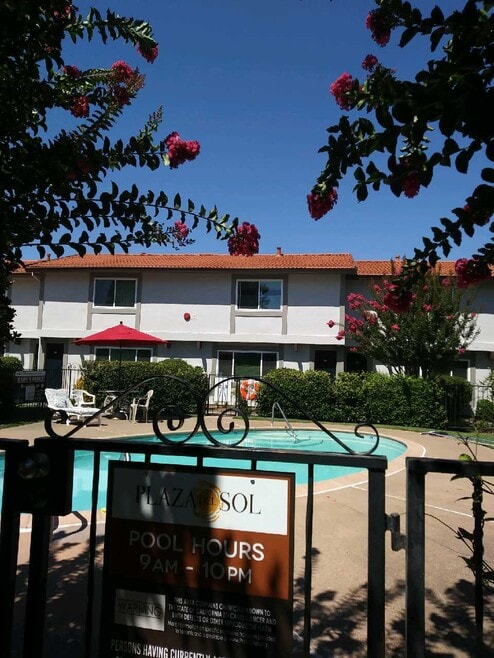
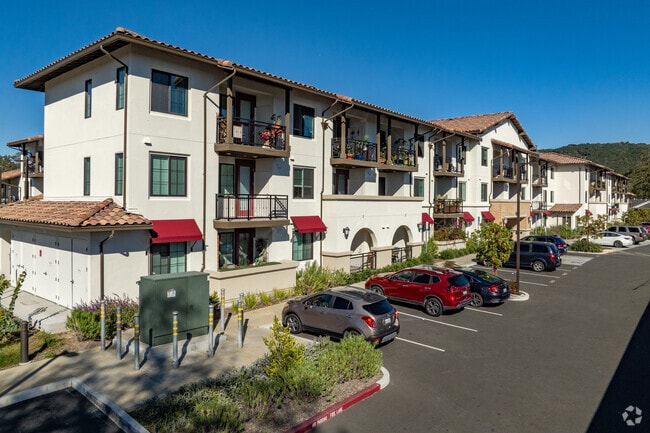
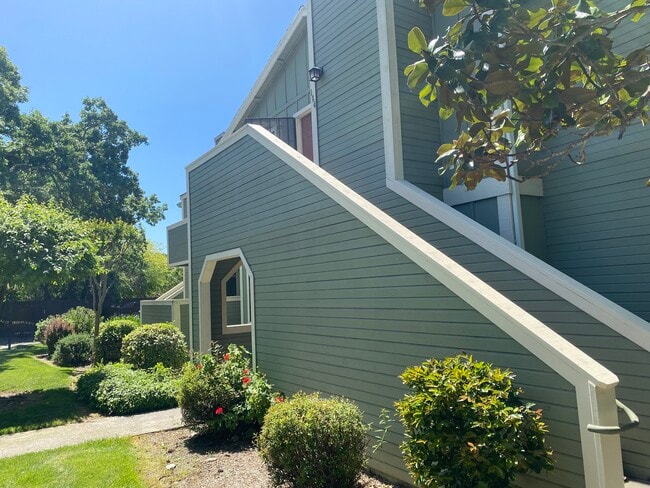
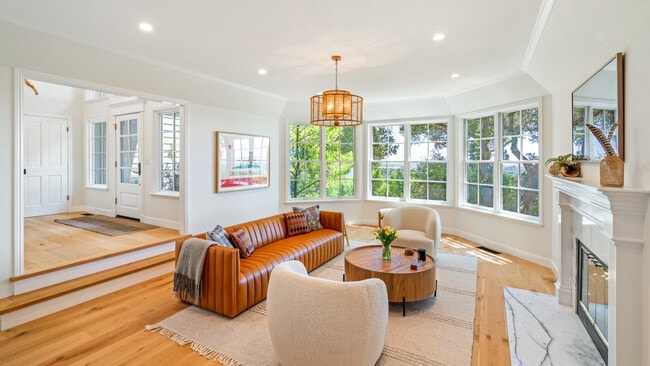
Sonoma is a small city in California's North Bay region that has shaped the state's wine industry since the 1800s. Sitting at the center of the Sonoma Valley wine appellation, it traces its roots to 1823 and the founding of Mission San Francisco Solano, the northernmost California mission. That history is still visible today around Sonoma Plaza, an eight-acre public square anchored by 19th-century adobe buildings, tasting rooms, art galleries, and local shops. Buena Vista Winery, established here in the 1850s, is widely recognized as California's oldest winery. The surrounding valley holds more than 13,000 acres of state and regional parkland, giving the city a strongly outdoor-oriented character. The annual Sonoma International Film Festival draws filmmakers and cinema enthusiasts from well beyond the region each spring. The rental market reflects the city's scale and setting, with bungalows, garden-style apartment communities, and hillside homes available throughout the area. Renters looking for a slower pace, close proximity to both Napa and Santa Rosa, and a community shaped by agriculture and arts will find Sonoma a genuinely distinct place to call home.
Sunset in Sonoma
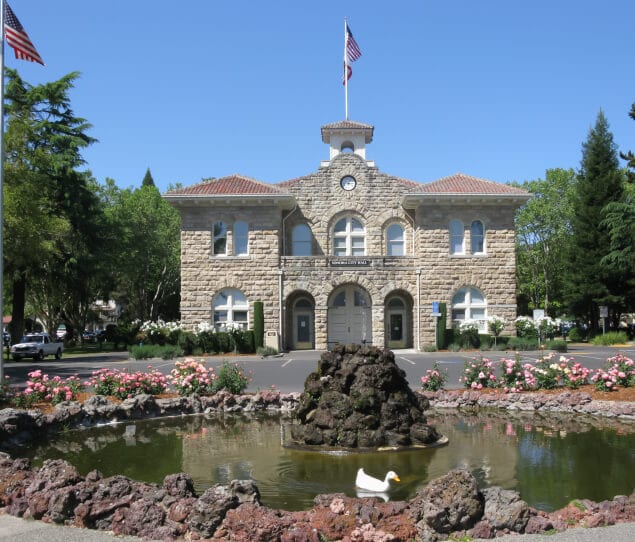
Sonoma City Hall
Road in Sonoma
Median Household Income
$105,075
Average: $137,241
Education
4,909
Residents Have a Degree
Job Market
5,423
Workers Employed
Median Age
54 Years
Largest Age Group
65-74 Years
Approximately 16% of Residents
Under 20
16%
Over 65
35%
Housing Distribution
Sonoma has more homeowners than renters.

Education Distribution
Review this city's overall education levels.

As of July 2026, the average apartment rent in Sonoma, CA is $958 for a studio, $1,433 for one bedroom, $2,007 for two bedrooms, and $1,634 for three bedrooms. Apartment rent in Sonoma has increased by 1.4% in the past year.
Explore how walkable, bikeable, drivable, and transit-friendly Sonoma, CA is for everyday living.
Fairly Walkable
Walkability
Minimal Public Transit
Transit
Exceptionally Drivable
Drivability
Fairly Bikeable
Bikeability

Public
Grades K-8
244 Students

Public
Grades K-8
226 Students

Public
Grades K-5
368 Students

Public
Grades K-5
368 Students
Public
Grades K-5
275 Students
Public
Grades K-8
244 Students
Public
Grades K-8
226 Students
Public
Grades 6-8
334 Students

Public
Grades 6-8
334 Students
Public
Grades 6-8
324 Students

Public
Grades 9-12
1,071 Students

Public
Grades 9-12
1,071 Students
Public
Grades 9-12
48 Students

 The GreatSchools Rating helps parents compare schools within a state based on a variety of school quality indicators and provides a helpful picture of how effectively each school serves all of its students. Ratings are on a scale of 1 (below average) to 10 (above average) and can include test scores, college readiness, academic progress, advanced courses, equity, discipline and attendance data. We also advise parents to visit schools, consider other information on school performance and programs, and consider family needs as part of the school selection process.
View GreatSchools Rating Methodology
Data provided by
GreatSchools.org
© 2026. All rights reserved.
The GreatSchools Rating helps parents compare schools within a state based on a variety of school quality indicators and provides a helpful picture of how effectively each school serves all of its students. Ratings are on a scale of 1 (below average) to 10 (above average) and can include test scores, college readiness, academic progress, advanced courses, equity, discipline and attendance data. We also advise parents to visit schools, consider other information on school performance and programs, and consider family needs as part of the school selection process.
View GreatSchools Rating Methodology
Data provided by
GreatSchools.org
© 2026. All rights reserved.
† Our analysis of utilities, groceries, transportation, healthcare, home prices, and other goods and services is sourced from the Cost of Living Index, a respected benchmark published by the Council for Community and Economic Research (C2ER) that provides a thorough overview of living expenses across different regions.
Rent data is provided by CoStar Group’s Market Trend reports. As the industry leader in commercial real estate information, analytics, and news, CoStar conducts extensive research to produce and maintain a comprehensive database of commercial real estate information. We combine this data with public record to provide the most up-to-date rental information available.
Consumer goods, services, and home prices are sourced from the Cost of Living Index published by the Council for Community and Economic Research (C2ER). The data on this page is updated quarterly. It was last published in June 2026.
Demographic information comes from Neustar and combines detailed address data with U.S. Census and American Community Survey statistics to produce reliable local estimates.