Median Age
46 Years
Largest Age Group
55-64 Years
Approximately 16% of Residents
Under 20
21%
Over 65
22%

Avg Rent
$2,845
Population
25,028
Renter Mix
13% Rent
Smithtown sits on the North Shore of Long Island with a founding legend involving a bull, a rider, and the longest day of the year — and that bull statue still stands near the center of town today. Part of Suffolk County and the broader New York metropolitan area, Smithtown carries a distinctly suburban character with deep historical roots dating to 1665. The town encompasses incorporated villages and unincorporated hamlets, giving it a layered sense of place rather than one uniform identity. Nearby Hauppauge supports a notable commercial and business corridor, while the Long Island Rail Road station connects residents to New York City for work or recreation. Stony Brook University lies a short drive west, adding an academic presence to the region. The housing mix leans toward single-family homes, though apartment communities and townhome rentals offer alternatives for those who prefer low-maintenance living. Caleb Smith State Park provides quiet wooded trails within the town's borders. With a strong school system, accessible commuter infrastructure, and a community that takes its local history seriously, Smithtown offers a grounded, well-established place to put down roots on Long Island.
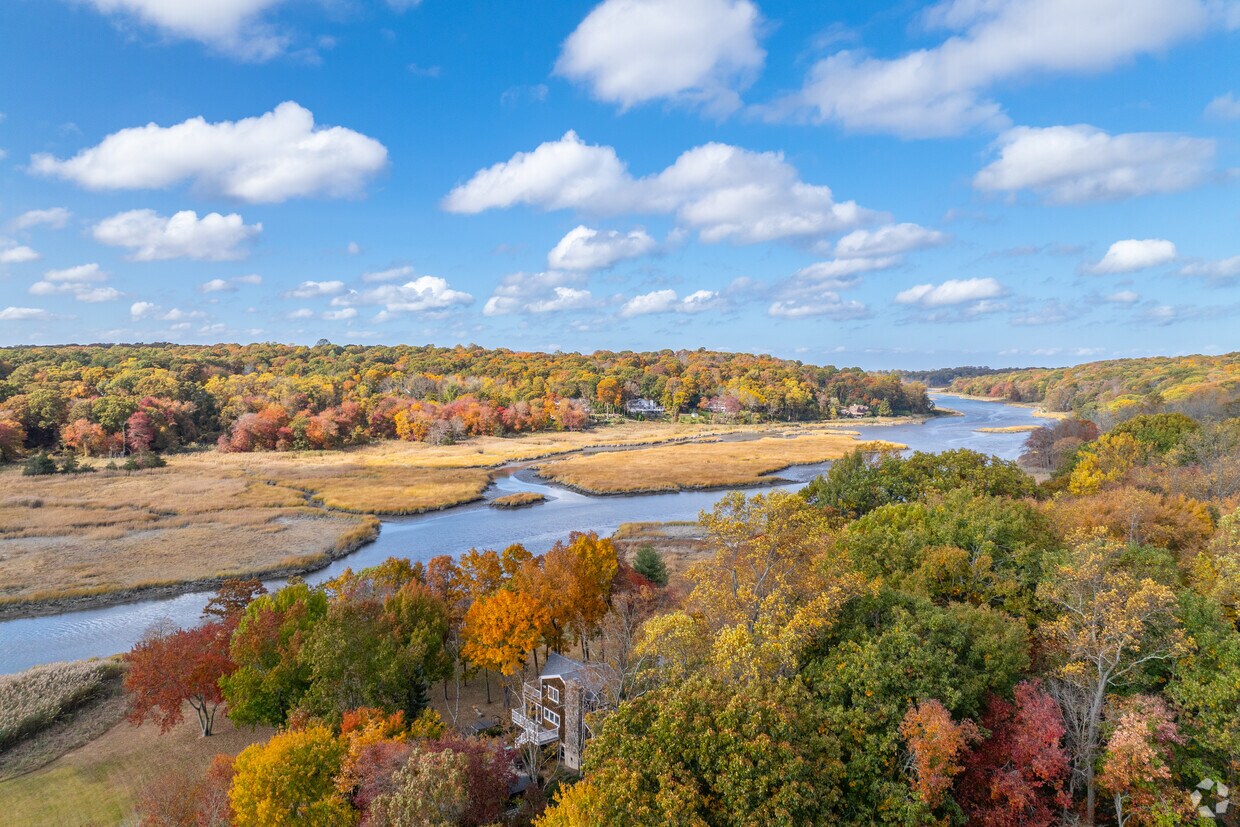
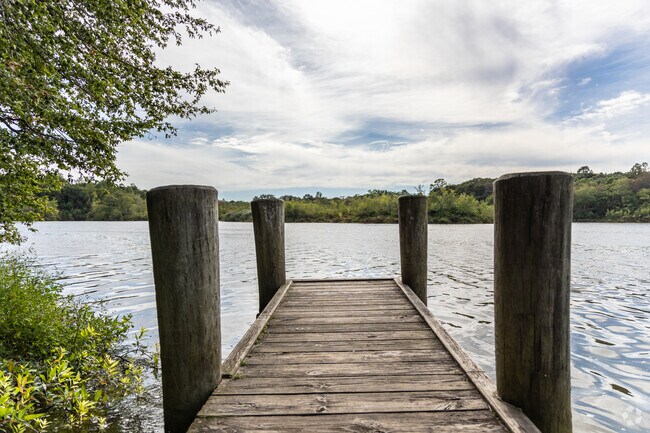
627-acre Blydenburgh County Park offers visitors panoramic views.
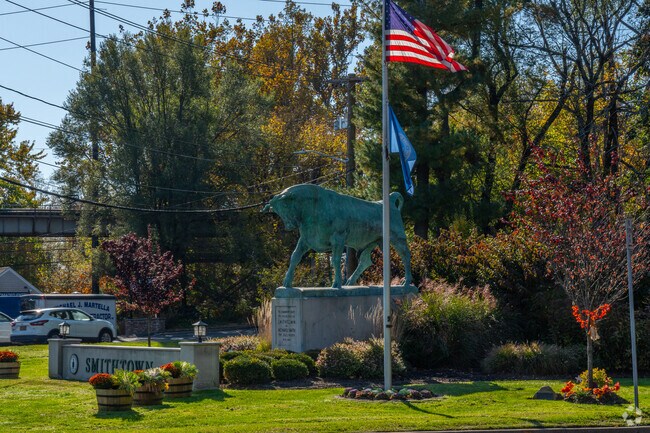
A statue of Whisper the Bull greets visitors as they enter Smithtown.
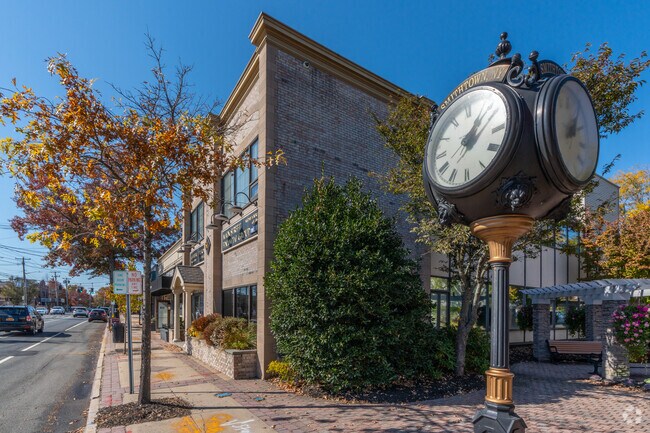
Enjoy the day in downtown Smithtown.
Catch a show at the Smithtown Performing Arts Center.
Smithtown's train station is on the Port Jefferson Branch of the Long Island Rail Road.
Smithtown sign and Whisper the Bull statue. This bronze statue is a landmark in Smithtown.
Median Household Income
$154,712
Average: $178,710
Education
10,009
Residents Have a Degree
Job Market
13,258
Workers Employed
Median Age
46 Years
Largest Age Group
55-64 Years
Approximately 16% of Residents
Under 20
21%
Over 65
22%
Housing Distribution
Smithtown has more homeowners than renters.

Education Distribution
Review this city's overall education levels.

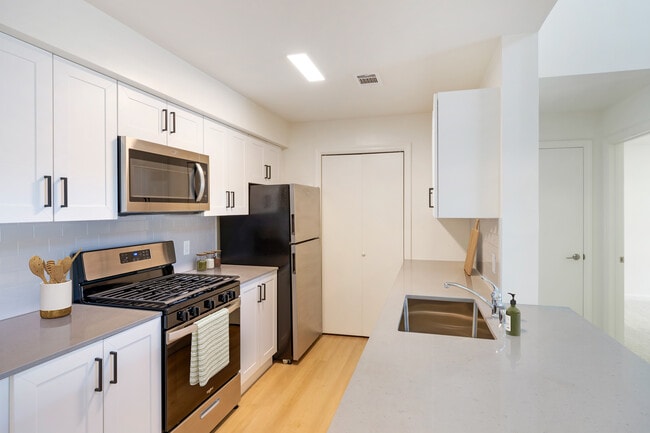
As of September 2026, the average apartment rent in Smithtown, NY is $2,155 for a studio, $2,845 for one bedroom, $3,475 for two bedrooms, and $4,267 for three bedrooms. Apartment rent in Smithtown has increased by 0.8% in the past year.
Explore how walkable, bikeable, drivable, and transit-friendly Smithtown, NY is for everyday living.
Fairly Walkable
Walkability
Minimal Public Transit
Transit
Exceptionally Drivable
Drivability
Somewhat Bikeable
Bikeability

Mount Pleasant Elementary School
Public
Grades K-5
479 Students

Public
Grades K-5
350 Students
Public
Grades K-5
523 Students

Public
Grades K-5
517 Students
Branch Brook Elementary School
Public
Grades K-5
374 Students
Public
Grades 6-8
522 Students
Public
Grades 9-12
1,158 Students

 The GreatSchools Rating helps parents compare schools within a state based on a variety of school quality indicators and provides a helpful picture of how effectively each school serves all of its students. Ratings are on a scale of 1 (below average) to 10 (above average) and can include test scores, college readiness, academic progress, advanced courses, equity, discipline and attendance data. We also advise parents to visit schools, consider other information on school performance and programs, and consider family needs as part of the school selection process.
View GreatSchools Rating Methodology
Data provided by
GreatSchools.org
© 2026. All rights reserved.
The GreatSchools Rating helps parents compare schools within a state based on a variety of school quality indicators and provides a helpful picture of how effectively each school serves all of its students. Ratings are on a scale of 1 (below average) to 10 (above average) and can include test scores, college readiness, academic progress, advanced courses, equity, discipline and attendance data. We also advise parents to visit schools, consider other information on school performance and programs, and consider family needs as part of the school selection process.
View GreatSchools Rating Methodology
Data provided by
GreatSchools.org
© 2026. All rights reserved.
† Our analysis of utilities, groceries, transportation, healthcare, home prices, and other goods and services is sourced from the Cost of Living Index, a respected benchmark published by the Council for Community and Economic Research (C2ER) that provides a thorough overview of living expenses across different regions.
Rent data is provided by CoStar Group’s Market Trend reports. As the industry leader in commercial real estate information, analytics, and news, CoStar conducts extensive research to produce and maintain a comprehensive database of commercial real estate information. We combine this data with public record to provide the most up-to-date rental information available.
Consumer goods, services, and home prices are sourced from the Cost of Living Index published by the Council for Community and Economic Research (C2ER). The data on this page is updated quarterly. It was last published in September 2026.
Demographic information comes from Neustar and combines detailed address data with U.S. Census and American Community Survey statistics to produce reliable local estimates.