Median Age
40 Years
Largest Age Group
35-44 Years
Approximately 14% of Residents
Under 20
25%
Over 65
16%

Avg Rent
$3,148
Population
10,981
Renter Mix
65% Rent
There's a definite hint of mystery about Sleepy Hollow. Perhaps it's the historic architecture or the wooded hills. Maybe it's the narrow, winding roads that seem to vanish around every bend. Perhaps it's the famous residents buried at Sleepy Hollow Cemetery … Andrew Carnegie, Elizabeth Arden, Washington Irving, Brooke Astor, and even William Rockefeller. The tombstones and mausoleums alone would inspire a bit of a shiver … and then, of course, there's the legend. When Washington Irving wrote "The Legend of Sleepy Hollow," published in 1820, Sleepy Hollow was known as North Tarrytown. The story, set in 1790, focuses on a headless horseman -- a Hessian soldier who lost his head to a cannonball during battle.
While living in Sleepy Hollow will make friends and family want to visit every October, there's much more to this historic village than ghosts and legends. Sleepy Hollow, which was settled sometime in the mid-1600s, is stunning. Located along the Hudson River about 25 miles north of Manhattan, Sleepy Hollow has amazing parks, riverfront hiking trails, lakes, and forests to explore. And while you'll definitely want to visit Sleepy Hollow Cemetery and the Old Dutch Church and Burying Ground (dating back to 1685) to see the monuments and tombstones, you'll also want to see Kykuit -- the former home of the Rockefeller family and now a National Historic Landmark open for tours.
Sleepy Hollow offers some amazing events year-round. Of course, there's Oktoberfest, the Great Jack O' Lantern Blaze, and a fascinating event called Champagne Cocktails with the Dead, but there are also concerts at the Music Hall, Outdoor Free Summer Concerts, Sunset Jazz at Lyndhurst, and tours of the iconic Sleepy Hollow Lighthouse. The Rockefeller State Park Preserve, covering 1,000 acres, provides fishing, hiking, horseback riding, sledding, snowshoeing, and cross-country skiing.
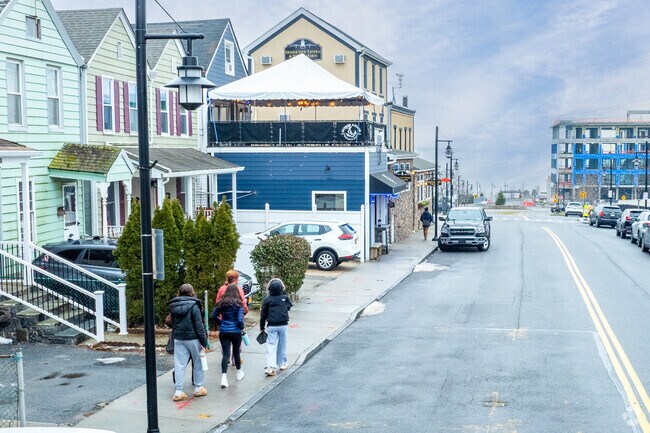
Sleepy Hollow Village is a safe area for walks down to the water.
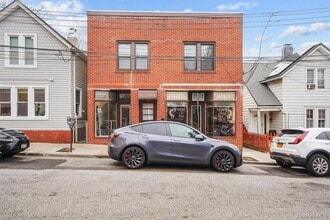
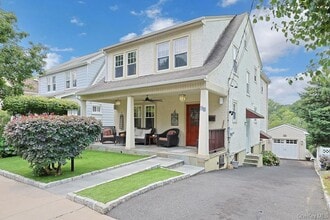
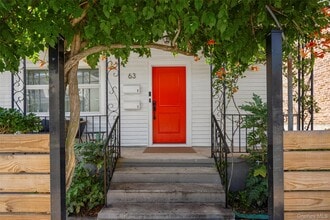
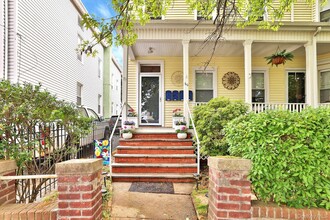
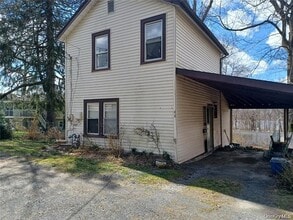
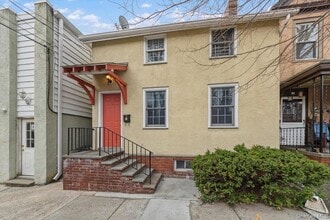
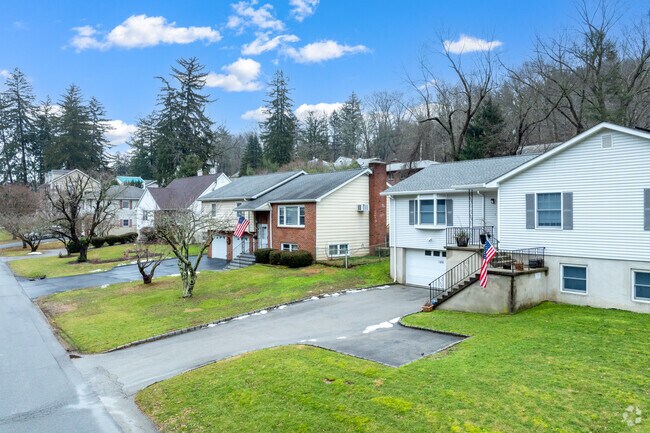
Cozy rows of homes in Sleepy Hollow Village add to the neighborly feel.
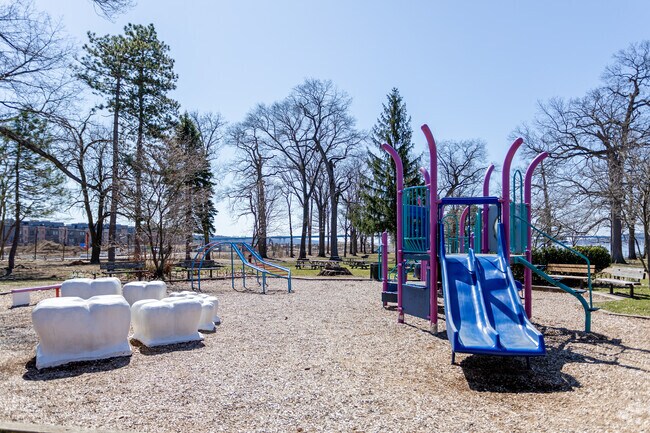
Kingsland Point Park in Sleepy Hollow Village has many activities to enjoy.
A walk along the Hudson River is both rejuvenating and refreshing.
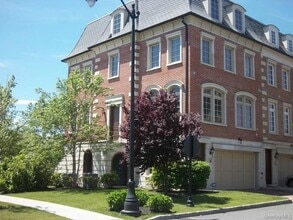
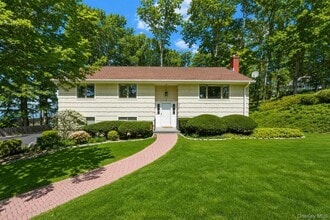
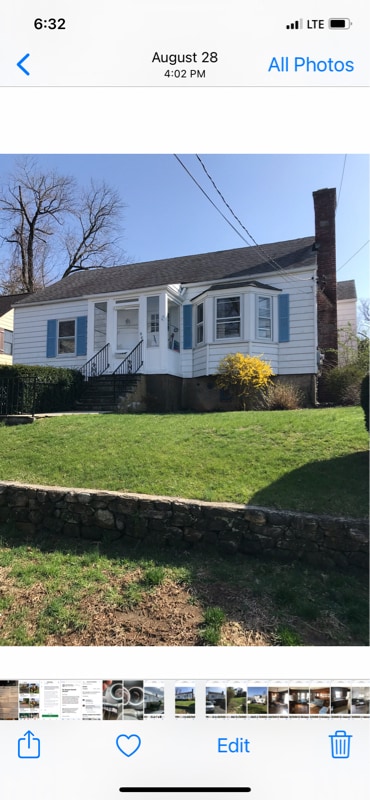
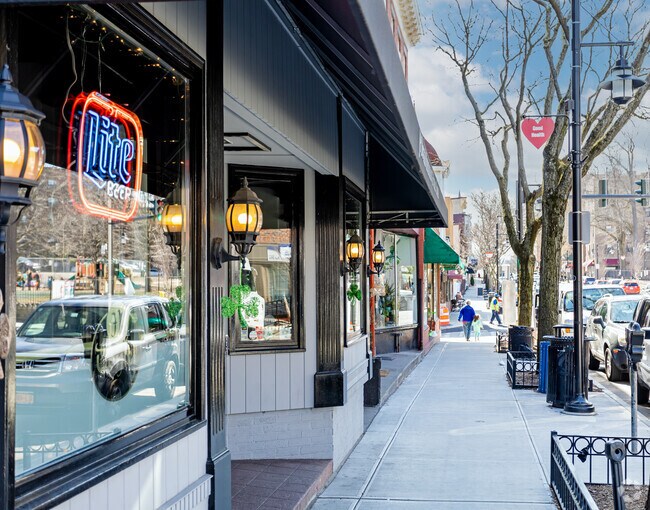
Sleepy Hollow Village is a quiet neighborhood in New York.
Philipse Manor train station is one of two train stations serving Sleepy Hollow Village.
Median Household Income
$88,240
Average: $123,017
Education
3,265
Residents Have a Degree
Job Market
5,846
Workers Employed
Median Age
40 Years
Largest Age Group
35-44 Years
Approximately 14% of Residents
Under 20
25%
Over 65
16%
Housing Distribution
Sleepy Hollow Village has more renters than homeowners.

Education Distribution
Review this city's overall education levels.

As of September 2026, the average apartment rent in Sleepy Hollow Village, NY is $2,582 for a studio, $3,159 for one bedroom, and $3,798 for two bedrooms. Apartment rent in Sleepy Hollow Village has increased by 7.3% in the past year.
Explore how walkable, bikeable, drivable, and transit-friendly Sleepy Hollow Village, NY is for everyday living.
Fairly Walkable
Walkability
Some Public Transit
Transit
Exceptionally Drivable
Drivability
Moderately Bikeable
Bikeability

† Our analysis of utilities, groceries, transportation, healthcare, home prices, and other goods and services is sourced from the Cost of Living Index, a respected benchmark published by the Council for Community and Economic Research (C2ER) that provides a thorough overview of living expenses across different regions.
Rent data is provided by CoStar Group’s Market Trend reports. As the industry leader in commercial real estate information, analytics, and news, CoStar conducts extensive research to produce and maintain a comprehensive database of commercial real estate information. We combine this data with public record to provide the most up-to-date rental information available.
Consumer goods, services, and home prices are sourced from the Cost of Living Index published by the Council for Community and Economic Research (C2ER). The data on this page is updated quarterly. It was last published in September 2026.
Demographic information comes from Neustar and combines detailed address data with U.S. Census and American Community Survey statistics to produce reliable local estimates.