Median Age
39 Years
Largest Age Group
15-24 Years
Approximately 14% of Residents
Under 20
24%
Over 65
16%

Avg Rent
$1,517
Population
4,142
Renter Mix
42% Rent
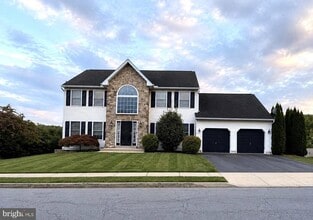
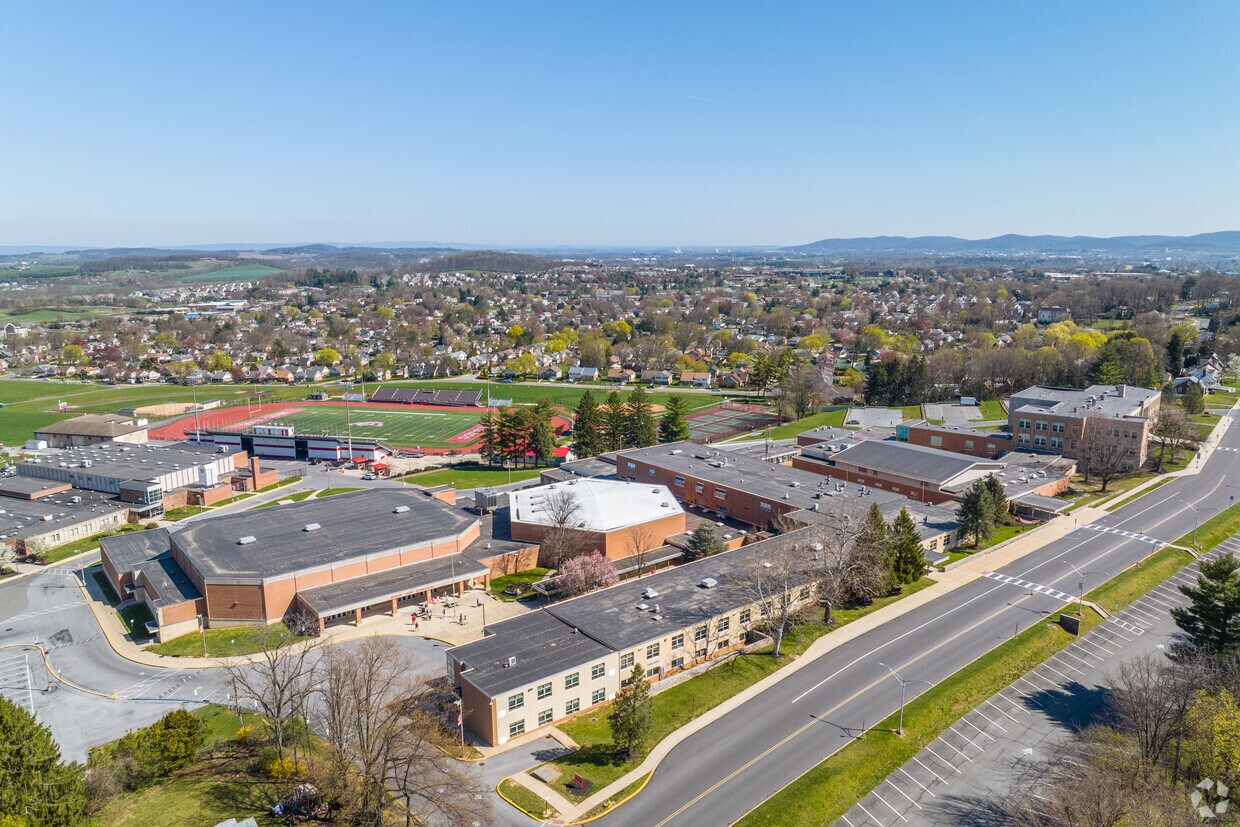
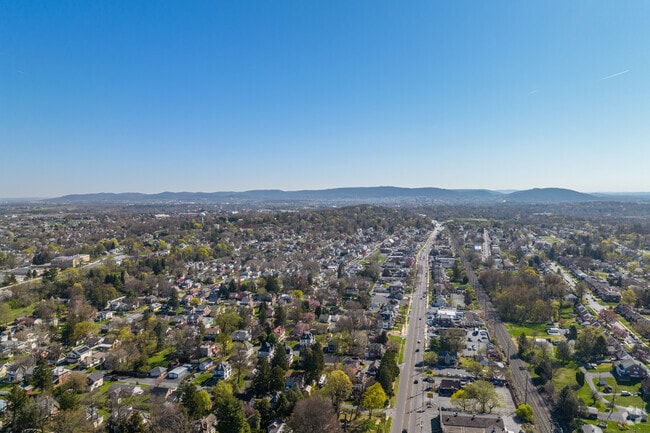
Sinking Spring, PA is a compact Berks County borough about five miles west of Reading, where rowhomes and farmhouses from the early and mid-20th century line Penn Avenue alongside newer housing tracts. Daily life here runs at a measured pace, with shopping centers like The Toll House Shoppes and Spring Market Shopping Center reachable in under a minute, and the walkable stretch of Penn Avenue putting everyday errands close at hand. For broader dining, entertainment, and cultural options, the neighboring communities of Reading and West Reading are a short drive east.
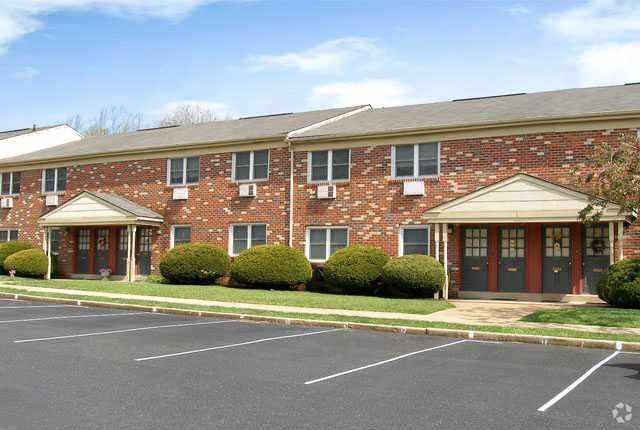
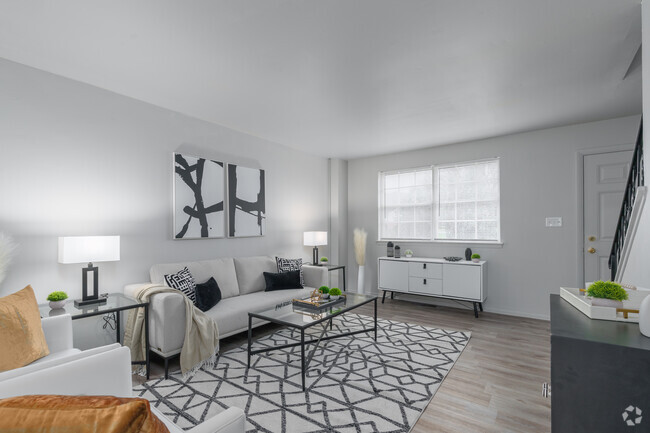
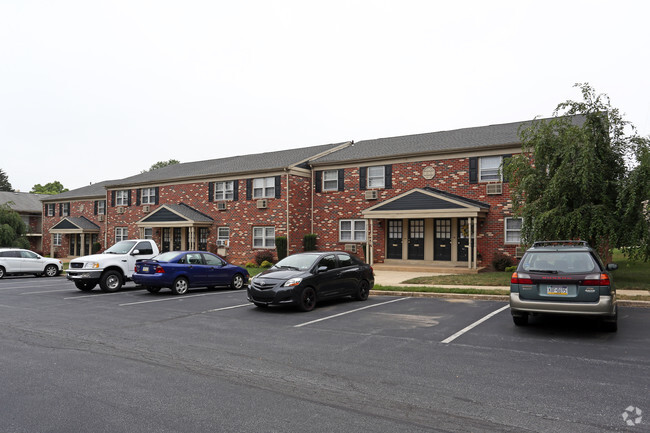
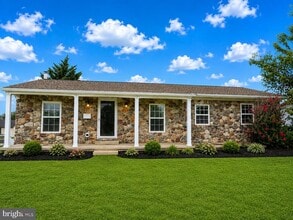
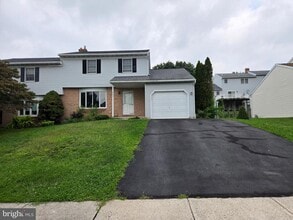
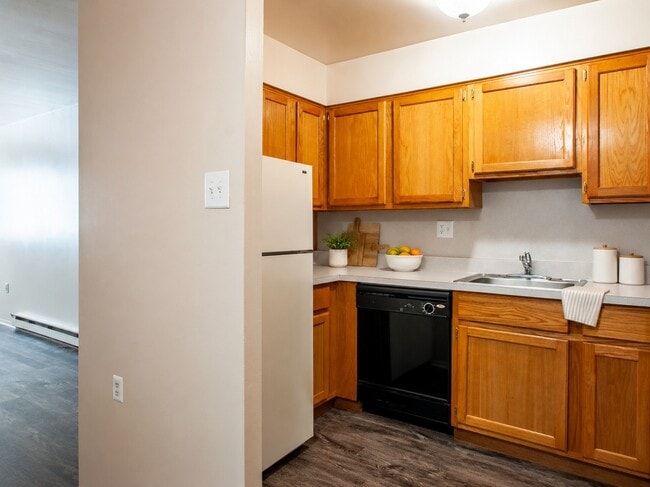
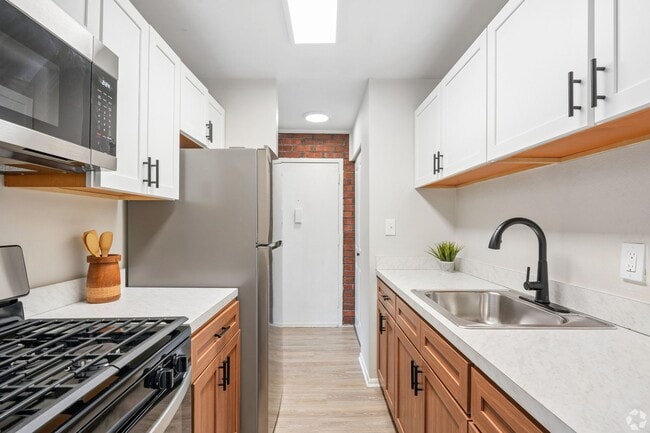
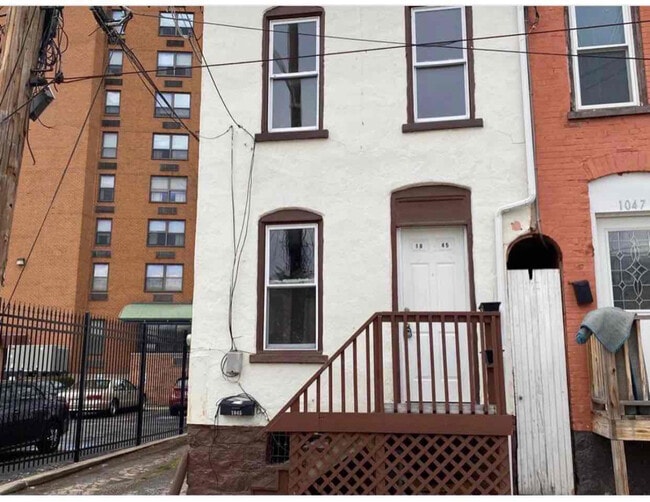
Renters will find a range of housing styles rooted in the borough's industrial and agricultural past. Brick and stone exteriors, hardwood floors, and rowhome-style layouts make up much of the rental stock, while newer apartment communities round out the options. That mix of older character homes and updated units gives the rental market a breadth that suits a variety of preferences.
The borough is served by the Wilson School District and sits close to several colleges including Penn State Berks and Alvernia University. The borough's unusual name traces back to a spring in the center of town whose water would periodically sink into the ground -- an oddity that early settlers turned into a permanent part of the area's identity.
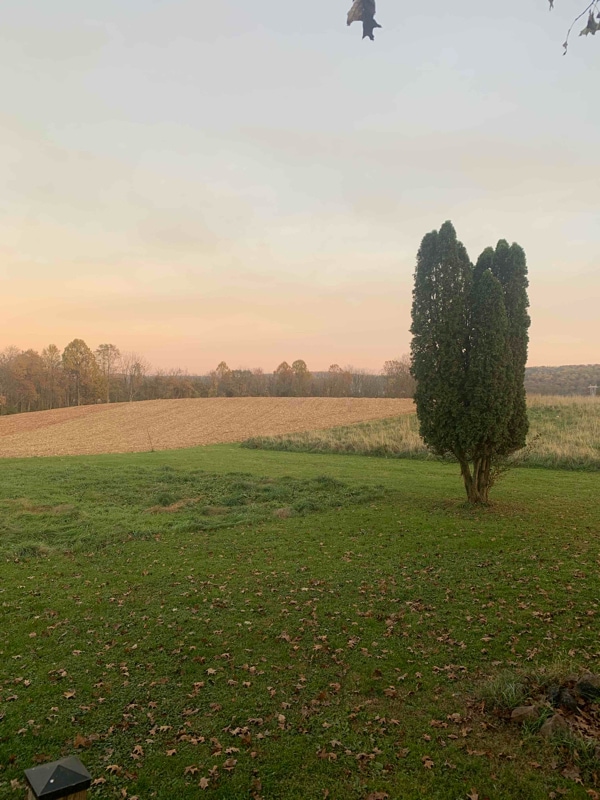
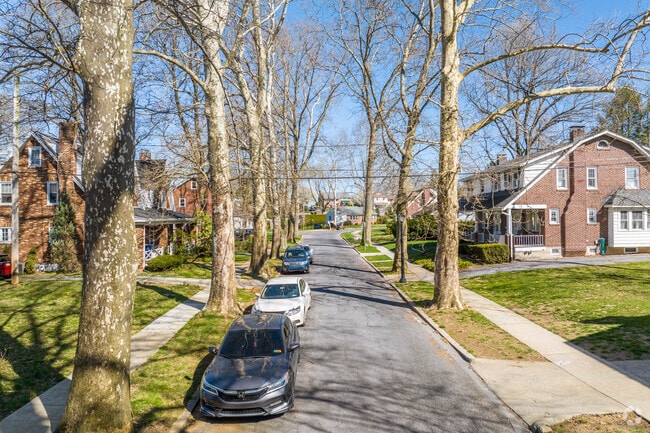
Peaceful, tree-lined streets create a welcoming atmosphere in Sinking Spring.
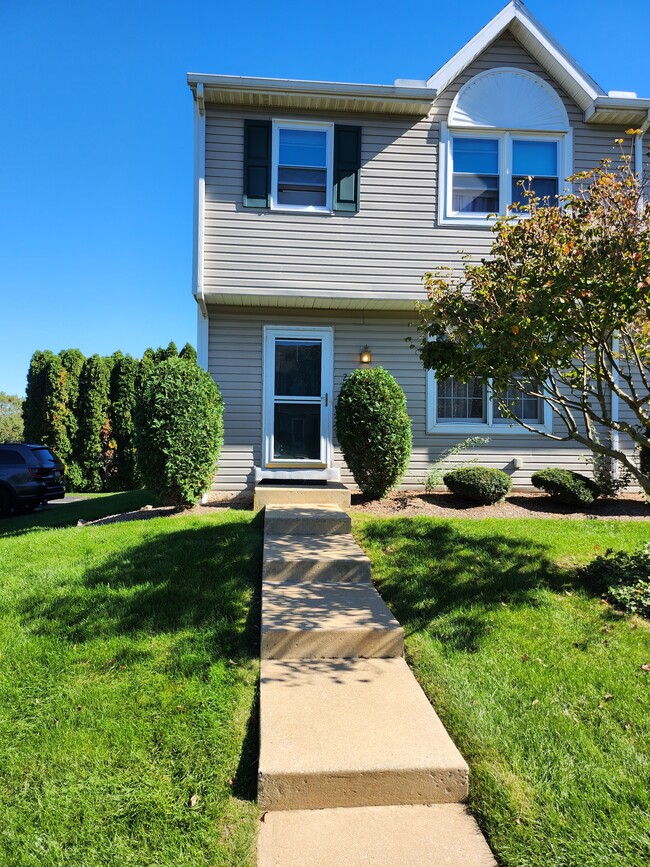
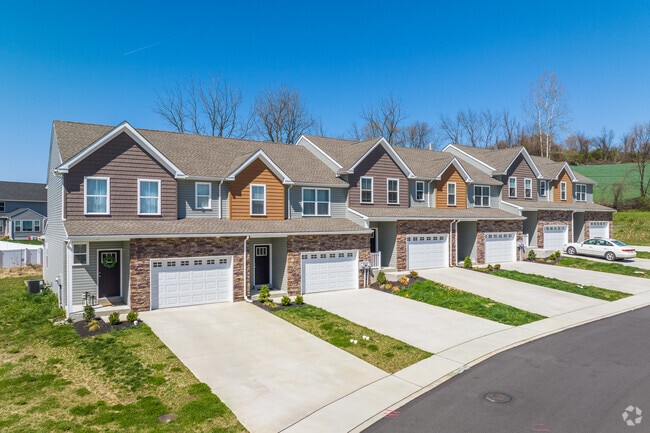
Stylish new-construction townhomes are rising in Sinking Spring for modern buyers.
Downtown Reading is a short drive from Sinking Spring, offering easy access to city amenities.
Yocum Institute for Arts Education is a creative hub for Sinking Spring residents.
Enjoy outdoor dining at Chatty Monks Brewing in nearby West Reading, close to Sinking Spring.
Cheer on the Fightin Phils at FirstEnergy Stadium near Sinking Spring for family-friendly fun.
Median Household Income
$73,405
Average: $99,050
Education
1,039
Residents Have a Degree
Job Market
2,368
Workers Employed
Median Age
39 Years
Largest Age Group
15-24 Years
Approximately 14% of Residents
Under 20
24%
Over 65
16%
Housing Distribution
Sinking Spring has more homeowners than renters.

Education Distribution
Review this city's overall education levels.

As of September 2026, the average apartment rent in Sinking Spring, PA is $1,517 for one bedroom, $1,595 for two bedrooms, and $1,968 for three bedrooms. Apartment rent in Sinking Spring has increased by 0.9% in the past year.
Explore how walkable, bikeable, drivable, and transit-friendly Sinking Spring, PA is for everyday living.
Fairly Walkable
Walkability
Limited Public Transit
Transit
Exceptionally Drivable
Drivability
Somewhat Bikeable
Bikeability

Public
Grades K-5
553 Students

Public
Grades K-5
505 Students

Public
Grades 6-8
780 Students

Public
Grades 6-8
753 Students

 The GreatSchools Rating helps parents compare schools within a state based on a variety of school quality indicators and provides a helpful picture of how effectively each school serves all of its students. Ratings are on a scale of 1 (below average) to 10 (above average) and can include test scores, college readiness, academic progress, advanced courses, equity, discipline and attendance data. We also advise parents to visit schools, consider other information on school performance and programs, and consider family needs as part of the school selection process.
View GreatSchools Rating Methodology
Data provided by
GreatSchools.org
© 2026. All rights reserved.
The GreatSchools Rating helps parents compare schools within a state based on a variety of school quality indicators and provides a helpful picture of how effectively each school serves all of its students. Ratings are on a scale of 1 (below average) to 10 (above average) and can include test scores, college readiness, academic progress, advanced courses, equity, discipline and attendance data. We also advise parents to visit schools, consider other information on school performance and programs, and consider family needs as part of the school selection process.
View GreatSchools Rating Methodology
Data provided by
GreatSchools.org
© 2026. All rights reserved.
† Our analysis of utilities, groceries, transportation, healthcare, home prices, and other goods and services is sourced from the Cost of Living Index, a respected benchmark published by the Council for Community and Economic Research (C2ER) that provides a thorough overview of living expenses across different regions.
Rent data is provided by CoStar Group’s Market Trend reports. As the industry leader in commercial real estate information, analytics, and news, CoStar conducts extensive research to produce and maintain a comprehensive database of commercial real estate information. We combine this data with public record to provide the most up-to-date rental information available.
Consumer goods, services, and home prices are sourced from the Cost of Living Index published by the Council for Community and Economic Research (C2ER). The data on this page is updated quarterly. It was last published in September 2026.
Demographic information comes from Neustar and combines detailed address data with U.S. Census and American Community Survey statistics to produce reliable local estimates.