7 Best Places to Live in New Hampshire
Open to exploring your options? Discover other great cities in New Hampshire with our detailed guide.


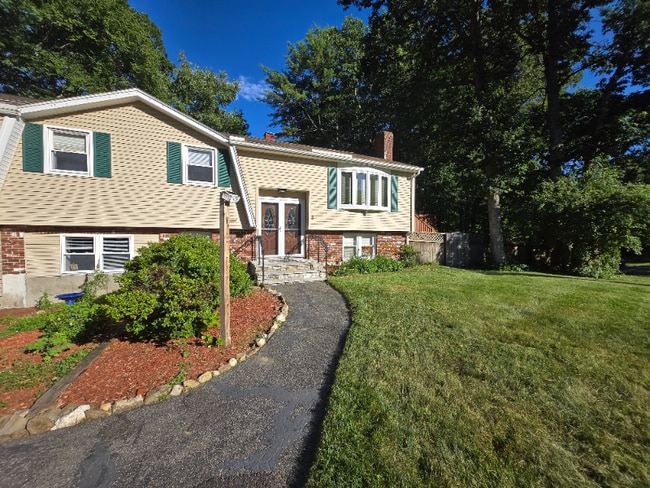
Welcome to Nashua, New Hampshire's "Gate City," nestled along the Merrimack and Nashua Rivers. This historic community offers housing options from downtown apartments to suburban communities. One-bedroom apartments average $1,989 monthly, with a 5.6% year-over-year increase. The downtown area features a scenic Riverwalk and established dining scene, while the northwestern section along Amherst Street offers additional residential options. The city spans 32 square miles, including Mine Falls Park and Greeley Park, both offering walking trails and recreational spaces.
Nashua combines historical character with a strong economic foundation. The city hosts major employers like BAE Systems and Oracle Corporation, while the Pheasant Lane Mall and South Nashua commercial district offer tax-free shopping. The community celebrates its heritage through various festivals throughout the year. Historic Holman Stadium stands as a landmark to baseball history, having hosted the first racially integrated professional team of the 20th century. The city maintains an extensive trail network and is home to two major medical centers. Main Street showcases preserved architecture alongside entertainment venues, with recent developments enhancing the downtown experience.
As of March 2026, the average apartment rent in Nashua, NH is $1,663 for a studio, $1,951 for one bedroom, $2,307 for two bedrooms, and $2,400 for three bedrooms. Apartment rent in Nashua has decreased by -1.3% in the past year.
Open to exploring your options? Discover other great cities in New Hampshire with our detailed guide.
Explore how walkable, bikeable, drivable, and transit-friendly Nashua, NH is for everyday living.
Somewhat Walkable
You might be able to get out and walk when living in this area. Some errands can be accomplished on foot, but for others you’ll need a car.
Somewhat Bikeable
You might be able to find places to ride your bike in this area, but you’ll most likely want your car for most errands.
Bicentennial Elementary School
Public
Grades PK-5

Public
Grades K-5

Public
Grades K-5
Public
Grades PK-5

Broad Street Elementary School
Public
Grades K-5

Academy for Science and Design Charter (M)
Public
Grades 6-8
Public
Grades 6-8
Public
Grades 6-8
MicroSociety Academy Charter School of Southern NH
Public
Grades K-8

Public
Grades 6-8

Public
Grades 9-12
Public
Grades 9-12
 The GreatSchools Rating helps parents compare schools within a state based on a variety of school quality indicators and provides a helpful picture of how effectively each school serves all of its students. Ratings are on a scale of 1 (below average) to 10 (above average) and can include test scores, college readiness, academic progress, advanced courses, equity, discipline and attendance data. We also advise parents to visit schools, consider other information on school performance and programs, and consider family needs as part of the school selection process.
View GreatSchools Rating Methodology
Data provided by
GreatSchools.org
© 2026. All rights reserved.
The GreatSchools Rating helps parents compare schools within a state based on a variety of school quality indicators and provides a helpful picture of how effectively each school serves all of its students. Ratings are on a scale of 1 (below average) to 10 (above average) and can include test scores, college readiness, academic progress, advanced courses, equity, discipline and attendance data. We also advise parents to visit schools, consider other information on school performance and programs, and consider family needs as part of the school selection process.
View GreatSchools Rating Methodology
Data provided by
GreatSchools.org
© 2026. All rights reserved.

47
Communities
11,459
Units
40
Cities

50
Communities
8,337
Units
36
Cities

29
Communities
6,223
Units
21
Cities

32
Communities
4,346
Units
17
Cities

3,489
Communities
959,639
Units
894
Cities

184
Communities
52,881
Units
134
Cities
† Our analysis of utilities, groceries, transportation, healthcare, home prices, and other goods and services is sourced from the Cost of Living Index, a respected benchmark published by the Council for Community and Economic Research (C2ER) that provides a thorough overview of living expenses across different regions.
Rent data is provided by CoStar Group’s Market Trend reports. As the industry leader in commercial real estate information, analytics, and news, CoStar conducts extensive research to produce and maintain a comprehensive database of commercial real estate information. We combine this data with public record to provide the most up-to-date rental information available.
Consumer goods, services, and home prices are sourced from the Cost of Living Index published by the Council for Community and Economic Research (C2ER). The data on this page is updated quarterly. It was last published in February 2026.