Median Age
35 Years
Largest Age Group
25-34 Years
Approximately 16% of Residents
Under 20
27%
Over 65
16%

Avg Rent
$884
Population
15,653
Renter Mix
36% Rent
Mountain Home is the county seat of Elmore County and one of southwestern Idaho's most grounded small cities, sitting along I-84 about an hour southeast of Boise. The presence of Mountain Home Air Force Base, an Air Combat Command installation that traces its roots back to World War II bomber training, shapes much of the city's identity and gives the local economy a steady, reliable foundation. That military connection runs deep here, and Air Force Appreciation Day, one of the largest parades in the state, reflects just how central that relationship is to the community.
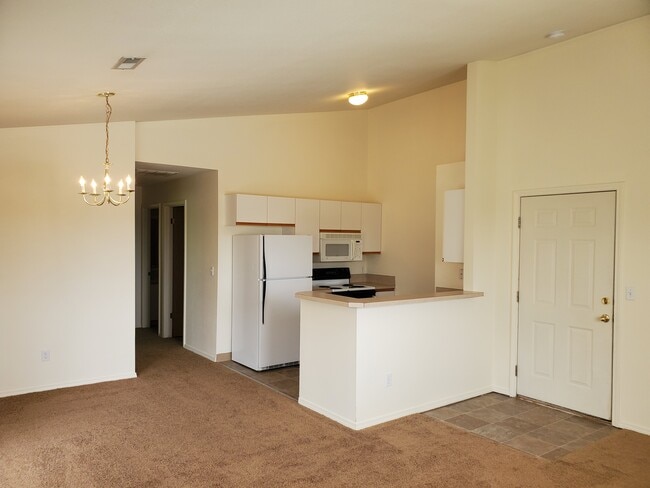
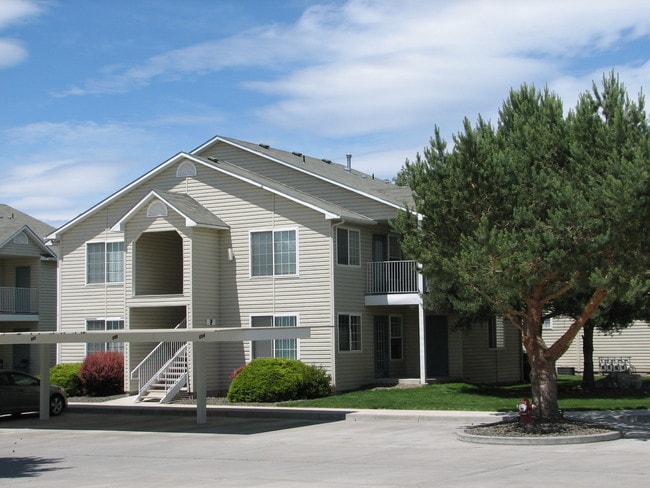
The city spans a compact seven square miles but packs in a real mix of housing options, from single-family rentals to smaller apartment communities suited for those seeking a quieter pace. The surrounding high desert landscape opens up quickly into outdoor escapes like Bruneau Dunes State Park and Anderson Ranch Reservoir. Renters who want small-town calm without being cut off from a metro area will find Mountain Home a practical fit, with Boise accessible for larger entertainment, employment, and shopping needs while everyday life stays low-key and close-knit.
Median Household Income
$48,728
Average: $61,456
Education
2,334
Residents Have a Degree
Job Market
6,208
Workers Employed
Median Age
35 Years
Largest Age Group
25-34 Years
Approximately 16% of Residents
Under 20
27%
Over 65
16%
Housing Distribution
Mountain Home has more homeowners than renters.

Education Distribution
Review this city's overall education levels.

As of September 2026, the average apartment rent in Mountain Home, ID is $884 for one bedroom, $868 for two bedrooms, and $1,067 for three bedrooms. Apartment rent in Mountain Home has increased by 0.6% in the past year.
Explore how walkable, bikeable, drivable, and transit-friendly Mountain Home, ID is for everyday living.
Fairly Walkable
Walkability
Very Drivable
Drivability
Somewhat Bikeable
Bikeability

Public
Grades PK-5
556 Students

Public
Grades PK-5
386 Students
Public
Grades K-5
530 Students

Public
Grades PK-5
357 Students

Public
Grades 6-12
88 Students
Mountain Home Junior High School
Public
Grades 6-8
500 Students

Richard McKenna Charter School
Public
Grades 6-12
113 Students
Public
Grades 9-12
918 Students
Public
Grades 6-12
88 Students
Richard Mckenna Charter High School
Public
Grades 9-12
216 Students
Richard McKenna Charter School
Public
Grades 6-12
113 Students
 The GreatSchools Rating helps parents compare schools within a state based on a variety of school quality indicators and provides a helpful picture of how effectively each school serves all of its students. Ratings are on a scale of 1 (below average) to 10 (above average) and can include test scores, college readiness, academic progress, advanced courses, equity, discipline and attendance data. We also advise parents to visit schools, consider other information on school performance and programs, and consider family needs as part of the school selection process.
View GreatSchools Rating Methodology
Data provided by
GreatSchools.org
© 2026. All rights reserved.
The GreatSchools Rating helps parents compare schools within a state based on a variety of school quality indicators and provides a helpful picture of how effectively each school serves all of its students. Ratings are on a scale of 1 (below average) to 10 (above average) and can include test scores, college readiness, academic progress, advanced courses, equity, discipline and attendance data. We also advise parents to visit schools, consider other information on school performance and programs, and consider family needs as part of the school selection process.
View GreatSchools Rating Methodology
Data provided by
GreatSchools.org
© 2026. All rights reserved.
† Our analysis of utilities, groceries, transportation, healthcare, home prices, and other goods and services is sourced from the Cost of Living Index, a respected benchmark published by the Council for Community and Economic Research (C2ER) that provides a thorough overview of living expenses across different regions.
Rent data is provided by CoStar Group’s Market Trend reports. As the industry leader in commercial real estate information, analytics, and news, CoStar conducts extensive research to produce and maintain a comprehensive database of commercial real estate information. We combine this data with public record to provide the most up-to-date rental information available.
Consumer goods, services, and home prices are sourced from the Cost of Living Index published by the Council for Community and Economic Research (C2ER). The data on this page is updated quarterly. It was last published in September 2026.
Demographic information comes from Neustar and combines detailed address data with U.S. Census and American Community Survey statistics to produce reliable local estimates.