Median Age
49 Years
Largest Age Group
60-69 Years
Approximately 16% of Residents
Under 20
20%
Over 65
30%

Mariposa is the county seat of Mariposa County, sitting in the Sierra Nevada foothills at the western gateway to Yosemite National Park. As an unincorporated community, it carries a quiet, unhurried pace that sets it apart from most California towns of any size. The local economy draws heavily from Yosemite tourism, county government, and a scattering of small businesses that line Highway 140 through the historic town center. Gold Rush history runs deep here — Mariposa was a key supply hub during the mid-1800s mining era, and the Mariposa Museum and History Center keeps that heritage alive year-round.
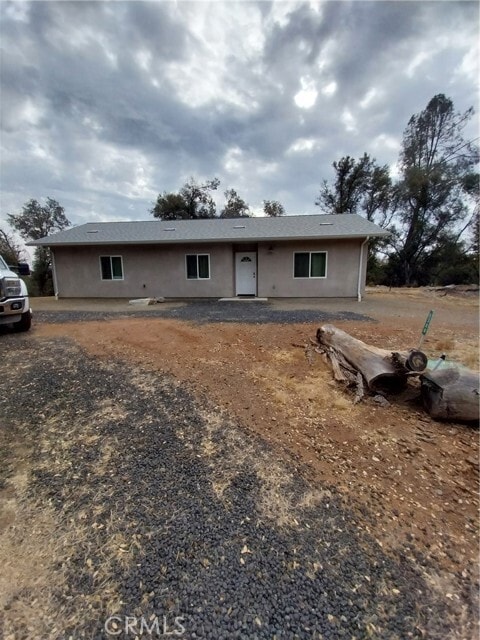
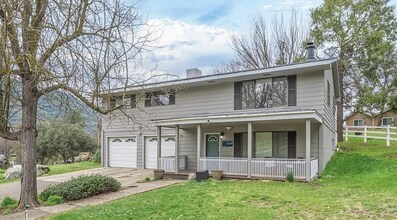
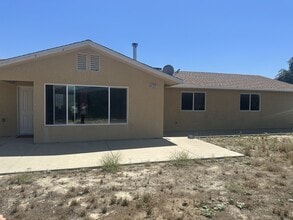
The housing stock reflects the rural character of the area, with single-family rentals and modest apartment communities making up most of what is available. Options tend toward smaller-scale properties set against a backdrop of oak woodland and granite ridges. Life here means trading urban density for open space, starry skies, and direct access to some of the most spectacular wilderness in the country. For renters who prefer hiking trails over city streets and value a close-knit, slow-tempo setting, Mariposa offers a genuinely distinct way to call California home.
Median Household Income
$31,221
Average: $57,208
Education
626
Residents Have a Degree
Job Market
739
Workers Employed
Median Age
49 Years
Largest Age Group
60-69 Years
Approximately 16% of Residents
Under 20
20%
Over 65
30%
Housing Distribution
Mariposa has more homeowners than renters.

Education Distribution
Review this city's overall education levels.

Explore how walkable, bikeable, drivable, and transit-friendly Mariposa, CA is for everyday living.
Not Walkable
Walkability
Exceptionally Drivable
Drivability

Public
Grades K-8
386 Students

Public
Grades K-8
435 Students

Public
Grades K-8
435 Students
Public
Grades K-12
48 Students

Public
Grades K-8
386 Students
Public
Grades K-8
435 Students
Public
Grades K-8
435 Students
Public
Grades K-12
48 Students
Public
Grades 9-12
461 Students

Public
Grades 9-12
461 Students
Spring Hill High (Continuation) School
Public
Grades 9-12
33 Students

Public
Grades K-12
48 Students
 The GreatSchools Rating helps parents compare schools within a state based on a variety of school quality indicators and provides a helpful picture of how effectively each school serves all of its students. Ratings are on a scale of 1 (below average) to 10 (above average) and can include test scores, college readiness, academic progress, advanced courses, equity, discipline and attendance data. We also advise parents to visit schools, consider other information on school performance and programs, and consider family needs as part of the school selection process.
View GreatSchools Rating Methodology
Data provided by
GreatSchools.org
© 2026. All rights reserved.
The GreatSchools Rating helps parents compare schools within a state based on a variety of school quality indicators and provides a helpful picture of how effectively each school serves all of its students. Ratings are on a scale of 1 (below average) to 10 (above average) and can include test scores, college readiness, academic progress, advanced courses, equity, discipline and attendance data. We also advise parents to visit schools, consider other information on school performance and programs, and consider family needs as part of the school selection process.
View GreatSchools Rating Methodology
Data provided by
GreatSchools.org
© 2026. All rights reserved.
† Our analysis of utilities, groceries, transportation, healthcare, home prices, and other goods and services is sourced from the Cost of Living Index, a respected benchmark published by the Council for Community and Economic Research (C2ER) that provides a thorough overview of living expenses across different regions.
Rent data is provided by CoStar Group’s Market Trend reports. As the industry leader in commercial real estate information, analytics, and news, CoStar conducts extensive research to produce and maintain a comprehensive database of commercial real estate information. We combine this data with public record to provide the most up-to-date rental information available.
Consumer goods, services, and home prices are sourced from the Cost of Living Index published by the Council for Community and Economic Research (C2ER). The data on this page is updated quarterly. It was last published in June 2026.
Demographic information comes from Neustar and combines detailed address data with U.S. Census and American Community Survey statistics to produce reliable local estimates.