1 / 5
Housing Type
Short-Term
Additional Specialties
 (opens in new window/tab)
The GreatSchools Rating summarizes school quality based on student progress, college readiness, and test scores.
(opens in new window/tab)
The GreatSchools Rating summarizes school quality based on student progress, college readiness, and test scores.
2 Rentals
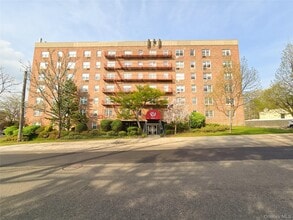
Tucked into northeastern Queens along Long Island's North Shore, Little Neck feels more like a leafy suburb than a New York City neighborhood — and that's exactly the appeal. Sitting along the Nassau County border, this area offers trails and wetlands at nearby Alley Pond Park, providing a welcome escape from the city's constant hum.
Northern Boulevard serves as the main commercial corridor, lined with local shops, restaurants, and everyday conveniences that make errands easy without leaving the neighborhood. The Long Island Rail Road's Little Neck station puts Midtown Manhattan within reach in about 35 minutes.
Renters here find a refreshing mix of single-family homes converted into rental units, attached townhomes, and smaller apartment communities that blend into the residential streetscape — a stark contrast to the high-rise density found elsewhere in Queens. Part of the broader Douglaston–Little Neck community, this is one of the least traditionally urban neighborhoods in all of New York City. Bordering Great Neck in Nassau County, Little Neck gives residents a genuine edge-of-the-city feel with full access to the borough's transit network and green spaces.
Students looking to rent in Little Neck while staying close to campus will have access to Queensborough Comm. Coll., St. John's University, Queens College, and Adelphi University.