theVUE
1220 W Highland Blvd,
Lincoln, NE 68521
$1,100 - $2,050
Studio - 2 Beds



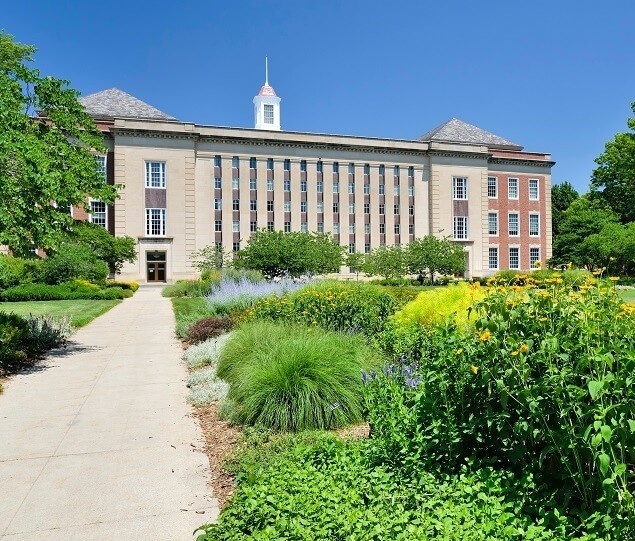

Lincoln, Nebraska combines Midwestern hospitality with metropolitan amenities in the state's capital city. Home to the University of Nebraska-Lincoln, the city maintains a welcoming atmosphere while offering diverse cultural experiences. The historic Haymarket District anchors downtown with its beautifully restored warehouses, now home to local shops and eateries. Outdoor enthusiasts enjoy the extensive trail system, including the MoPac Trail, while Pioneers Park Nature Center and Sunken Gardens provide natural retreats within city limits. The housing market remains accessible, with current average rents ranging from $958 for studios to $2,445 for four-bedroom units, showing a moderate annual increase of 2.4%.
Lincoln's neighborhoods each offer distinct characteristics, from the expanding downtown district to the tree-lined streets of the Near South and Country Club areas. The University of Nebraska adds to city life through Husker athletics, performing arts events, and academic programs. The Lied Center for Performing Arts and Sheldon Museum of Art showcase the city's dedication to cultural enrichment. The Nebraska State Capitol, completed in 1932, stands as the second-tallest state capitol in the nation, featuring striking art deco architecture. The Telegraph District represents the city's newest development area, while the East Campus neighborhood and Mount Emerald showcase established residential communities with tree-lined streets and historic homes.
The historic Haymarket District was the original 1867 market square
The University of Nebraska is the oldest university in the state, established in 1869
Downtown’s 12th Street skywalk mural was designed by local artist Larry Roots
The Sunken Gardens are listed as one of the best gardens to visit by National Geographic
As of March 2026, the average apartment rent in Lincoln, NE is $950 for a studio, $1,093 for one bedroom, $1,332 for two bedrooms, and $1,596 for three bedrooms. Apartment rent in Lincoln has increased by 1.9% in the past year.
The cost of living in Lincoln, NE is 6.5% lower than the national average. Generally, housing in Lincoln is 23.0% less expensive than the national average, with rent falling between $950 - $1,596. You can expect to pay 2.2% less for groceries, 6.2% less for utilities, and 3.1% less for transportation.
Explore how walkable, bikeable, drivable, and transit-friendly Lincoln, NE is for everyday living.
Somewhat Walkable
You might be able to get out and walk when living in this area. Some errands can be accomplished on foot, but for others you’ll need a car.
Some Transit
You'll likely want a car when living in this area since it has few transit options.
Bikeable
While there’s some bike infrastructure in this area, you’ll still need a car for many errands.
Public
Grades PK-5

Public
Grades PK-5

Public
Grades PK-5
Public
Grades PK-5
Public
Grades PK-5
Public
Grades 6-8
Public
Grades 6-8
Public
Grades 6-8
Public
Grades 6-8

Public
Grades 6-8

Public
Grades 9-12
Public
Grades 9-12
Public
Grades 9-12

Public
Grades 9-12

Public
Grades 9-12

 The GreatSchools Rating helps parents compare schools within a state based on a variety of school quality indicators and provides a helpful picture of how effectively each school serves all of its students. Ratings are on a scale of 1 (below average) to 10 (above average) and can include test scores, college readiness, academic progress, advanced courses, equity, discipline and attendance data. We also advise parents to visit schools, consider other information on school performance and programs, and consider family needs as part of the school selection process.
View GreatSchools Rating Methodology
Data provided by
GreatSchools.org
© 2026. All rights reserved.
The GreatSchools Rating helps parents compare schools within a state based on a variety of school quality indicators and provides a helpful picture of how effectively each school serves all of its students. Ratings are on a scale of 1 (below average) to 10 (above average) and can include test scores, college readiness, academic progress, advanced courses, equity, discipline and attendance data. We also advise parents to visit schools, consider other information on school performance and programs, and consider family needs as part of the school selection process.
View GreatSchools Rating Methodology
Data provided by
GreatSchools.org
© 2026. All rights reserved.

27
Communities
5,957
Units
7
Cities
10
Communities
1,413
Units
1
City

53
Communities
6,543
Units
35
Cities
25
Communities
6,531
Units
9
Cities

136
Communities
69,968
Units
84
Cities

71
Communities
15,592
Units
33
Cities
† Our analysis of utilities, groceries, transportation, healthcare, home prices, and other goods and services is sourced from the Cost of Living Index, a respected benchmark published by the Council for Community and Economic Research (C2ER) that provides a thorough overview of living expenses across different regions.
Rent data is provided by CoStar Group’s Market Trend reports. As the industry leader in commercial real estate information, analytics, and news, CoStar conducts extensive research to produce and maintain a comprehensive database of commercial real estate information. We combine this data with public record to provide the most up-to-date rental information available.
Consumer goods, services, and home prices are sourced from the Cost of Living Index published by the Council for Community and Economic Research (C2ER). The data on this page is updated quarterly. It was last published in February 2026.