Median Age
37 Years
Largest Age Group
10-19 Years
Approximately 14% of Residents
Under 20
28%
Over 65
16%

Avg Rent
$1,338
Population
26,974
Renter Mix
59% Rent
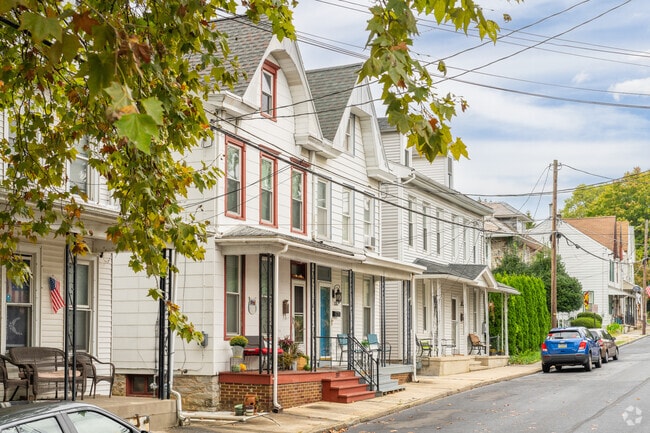
Lebanon sits at the heart of Lebanon County as the county seat, positioned between Harrisburg to the west and Allentown to the east in south-central Pennsylvania. Founded in the 1700s by German Palatine settlers, the city carries that heritage visibly, from Pennsylvania Dutch hex signs painted on old barns to the local tradition of Lebanon bologna, a sweet-smoked meat made here since the 1880s. With a population just under 27,000 spread across roughly five square miles, Lebanon feels genuinely close-knit, grounded in small-business culture and shaped by nearby Amish and Mennonite communities that remain active in the local economy.
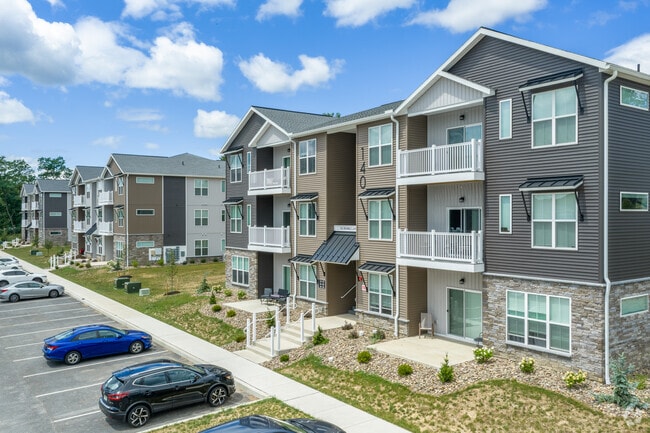
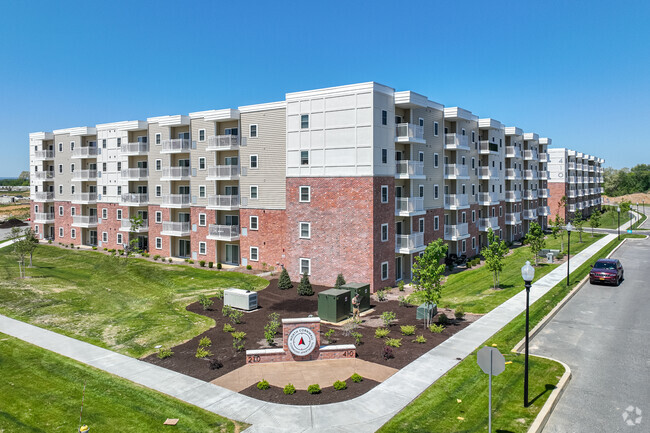
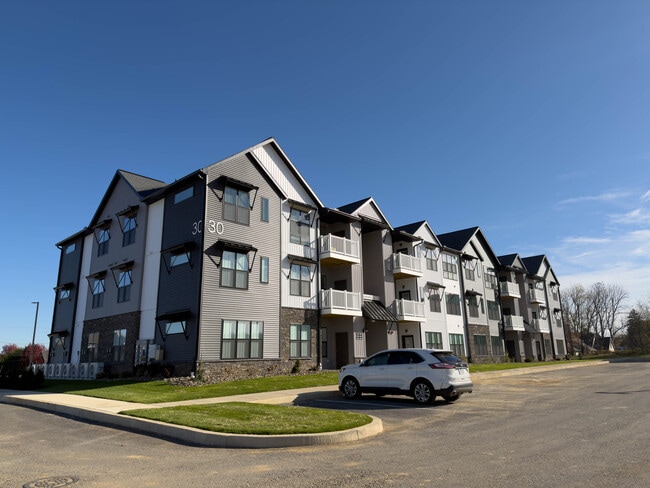
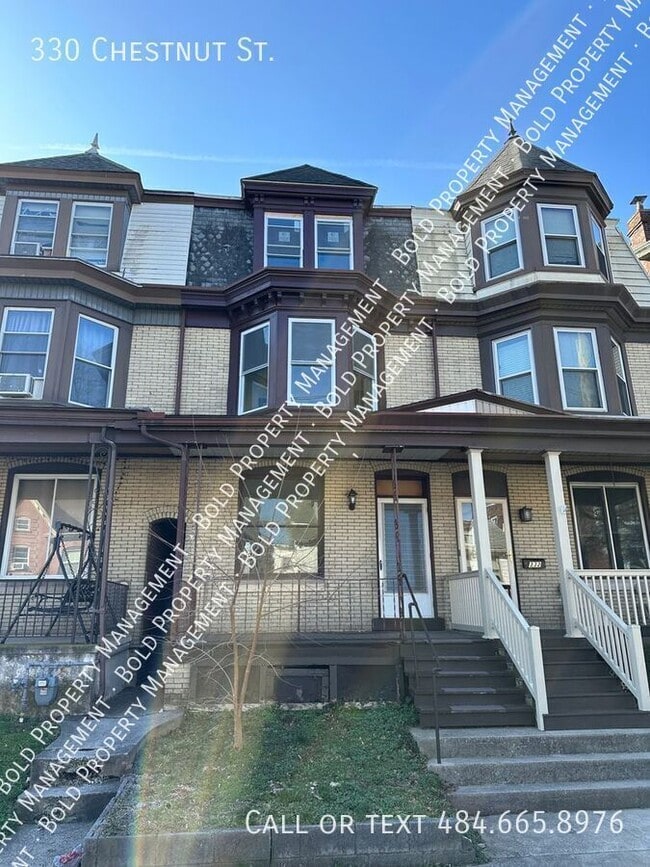
Life here moves at a measured pace. Cumberland Street serves as the city's main corridor, lined with shops, bars, and longtime local businesses that give the downtown real character. Housing options span renovated row homes and older brick rental properties to apartment communities spread across surrounding neighborhoods. Routes 72 and 422 connect residents to the Pennsylvania Turnpike and Interstate 78, making commutes to Harrisburg or the wider region manageable. For renters who want an accessible, grounded place to live without the cost or congestion of a major metro, Lebanon offers a straightforward and historically rooted setting.
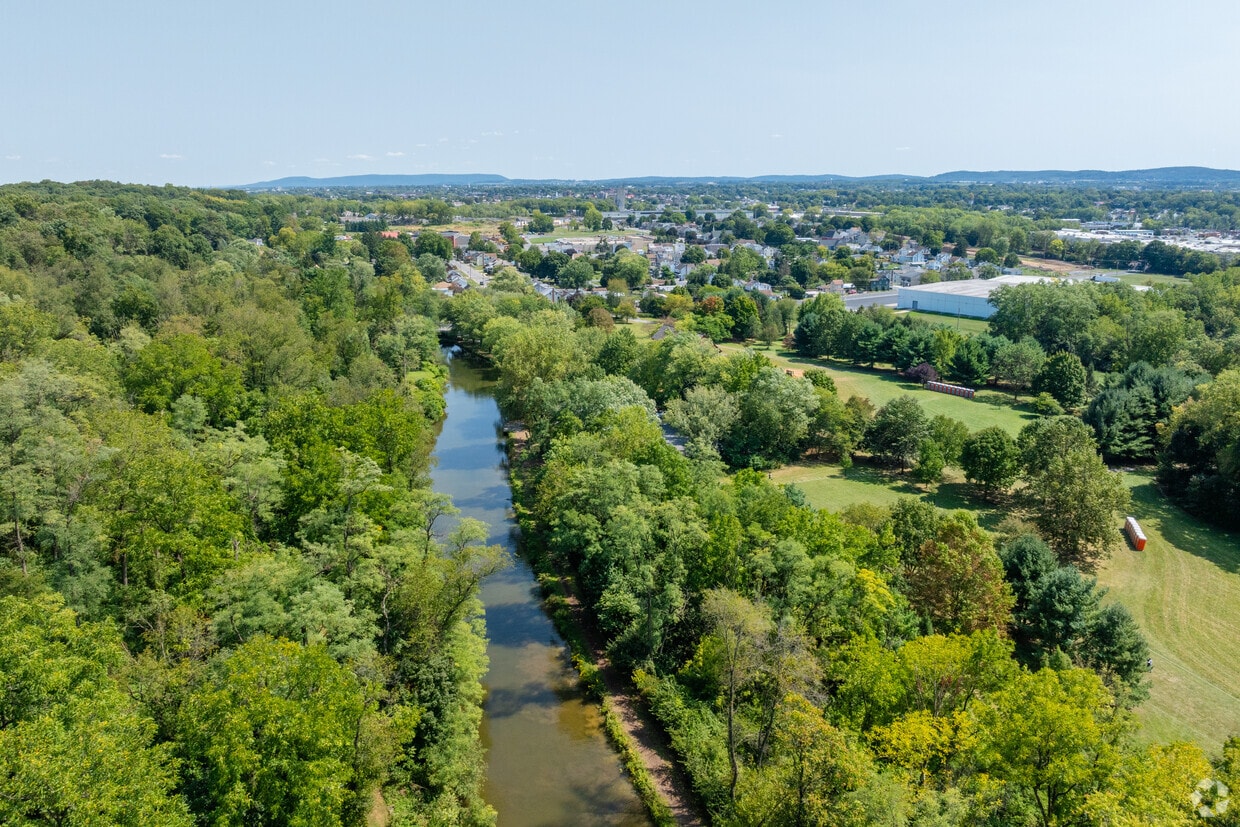
Quittapahilla Creek is near West Lebanon offering some scenic beauty in the area for locals.
A Scottish rock band ends their show with a flame-filled finale at the Renaissance Faire.
Rowhomes are available closer to the city parts of South Lebanon for the busier life.
Iron Valley Golf Club attracts local golf enthusiasts in South Lebanon.
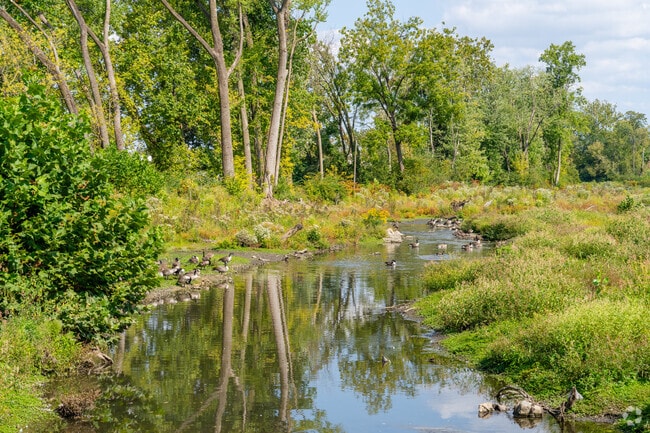
Families watch geese walk the farmland at Patches Family Creamery in South Lebanon.
South Lebanon provides family farm businesses that have been vital to the community.
Median Household Income
$45,652
Average: $57,145
Education
3,228
Residents Have a Degree
Job Market
11,903
Workers Employed
Median Age
37 Years
Largest Age Group
10-19 Years
Approximately 14% of Residents
Under 20
28%
Over 65
16%
Housing Distribution
Lebanon has more renters than homeowners.

Education Distribution
Review this city's overall education levels.

As of September 2026, the average apartment rent in Lebanon, PA is $1,014 for a studio, $1,362 for one bedroom, $1,567 for two bedrooms, and $1,574 for three bedrooms. Apartment rent in Lebanon has increased by 5.1% in the past year.
Explore how walkable, bikeable, drivable, and transit-friendly Lebanon, PA is for everyday living.
Very Walkable
Walkability
Fairly Drivable
Drivability
Fairly Bikeable
Bikeability

Public
Grades K-5
554 Students

Public
Grades K-5
500 Students
Public
Grades PK-5
348 Students

Public
Grades PK-5
555 Students

Public
Grades PK-5
438 Students
Public
Grades 6-8
1,224 Students
Public
Grades K-8
380 Students
Public
Grades 9-12
1,677 Students
Public
Grades 9-12
1,393 Students

Public
Grades 9-12
665 Students

 The GreatSchools Rating helps parents compare schools within a state based on a variety of school quality indicators and provides a helpful picture of how effectively each school serves all of its students. Ratings are on a scale of 1 (below average) to 10 (above average) and can include test scores, college readiness, academic progress, advanced courses, equity, discipline and attendance data. We also advise parents to visit schools, consider other information on school performance and programs, and consider family needs as part of the school selection process.
View GreatSchools Rating Methodology
Data provided by
GreatSchools.org
© 2026. All rights reserved.
The GreatSchools Rating helps parents compare schools within a state based on a variety of school quality indicators and provides a helpful picture of how effectively each school serves all of its students. Ratings are on a scale of 1 (below average) to 10 (above average) and can include test scores, college readiness, academic progress, advanced courses, equity, discipline and attendance data. We also advise parents to visit schools, consider other information on school performance and programs, and consider family needs as part of the school selection process.
View GreatSchools Rating Methodology
Data provided by
GreatSchools.org
© 2026. All rights reserved.
† Our analysis of utilities, groceries, transportation, healthcare, home prices, and other goods and services is sourced from the Cost of Living Index, a respected benchmark published by the Council for Community and Economic Research (C2ER) that provides a thorough overview of living expenses across different regions.
Rent data is provided by CoStar Group’s Market Trend reports. As the industry leader in commercial real estate information, analytics, and news, CoStar conducts extensive research to produce and maintain a comprehensive database of commercial real estate information. We combine this data with public record to provide the most up-to-date rental information available.
Consumer goods, services, and home prices are sourced from the Cost of Living Index published by the Council for Community and Economic Research (C2ER). The data on this page is updated quarterly. It was last published in September 2026.
Demographic information comes from Neustar and combines detailed address data with U.S. Census and American Community Survey statistics to produce reliable local estimates.