Median Age
37 Years
Largest Age Group
30-39 Years
Approximately 15% of Residents
Under 20
26%
Over 65
16%

Avg Rent
$1,248
Population
12,752
Renter Mix
49% Rent
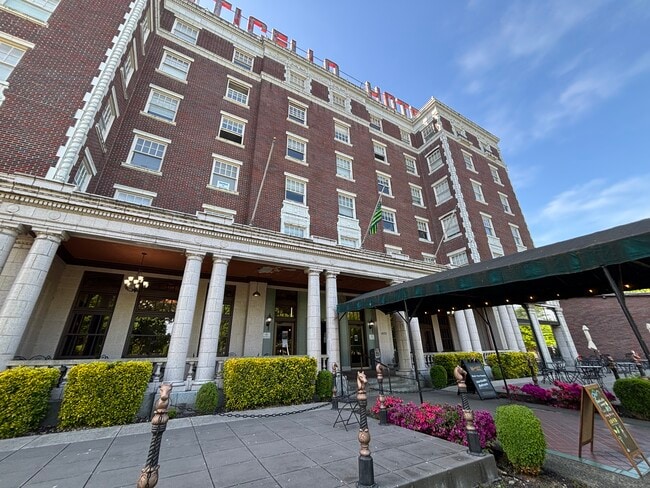
Kelso sits at the confluence of the Cowlitz and Columbia rivers in southwestern Washington, serving as the county seat of Cowlitz County and a grounded alternative to the bustle of nearby Portland, about 50 miles to the south. The city has deep roots in the logging and fishing industries, and that working heritage still shapes its no-nonsense character. Kelso earned the nickname Smelt Capital of the World in the late 1950s, a nod to the abundance that once drew fishermen from across the region. Today, the Cowlitz County Historical Museum preserves that layered past, while Interstate 5 connects residents to larger employment centers in both Washington and Oregon.
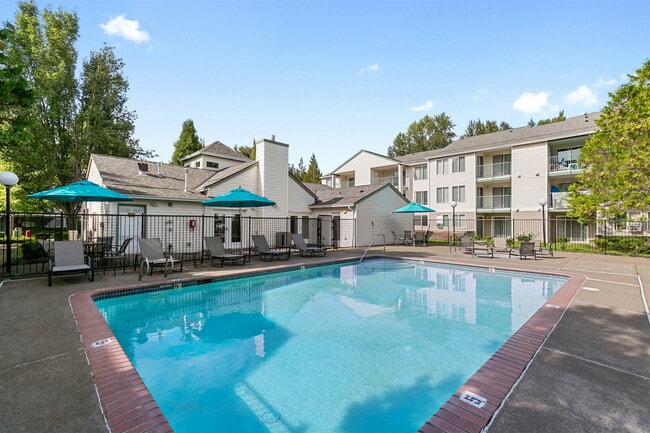
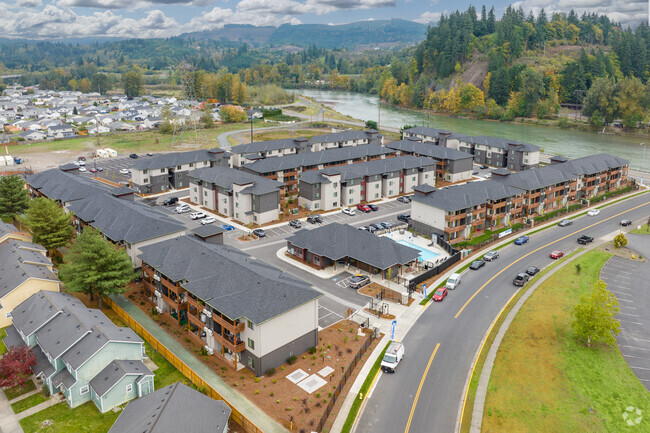
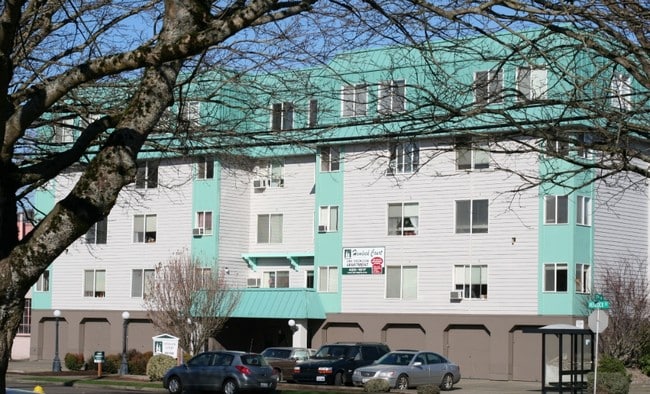
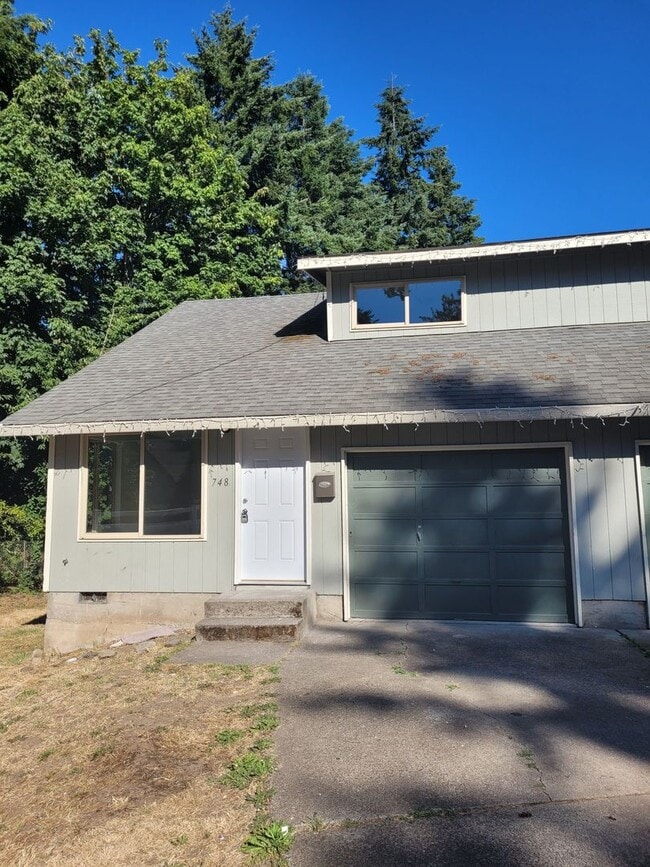
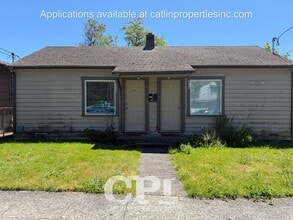
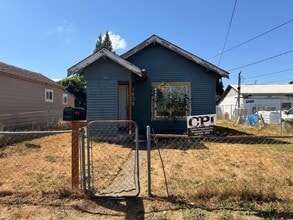
The city covers roughly nine square miles and keeps a small-town pace, with Tam O'Shanter Park and the Cowlitz riverfront offering room to breathe. Kelso shares its western edge with neighboring Longview, and the two cities function almost as one, giving residents access to a broader range of services and retail than either could support alone. The housing stock leans toward single-family rentals and smaller apartment communities, with options spread across established residential areas close to schools and local businesses. Rents here run well below state averages, making Kelso one of the more accessible places to live in Washington.
Median Household Income
$56,739
Average: $70,619
Education
1,652
Residents Have a Degree
Job Market
5,459
Workers Employed
Median Age
37 Years
Largest Age Group
30-39 Years
Approximately 15% of Residents
Under 20
26%
Over 65
16%
Housing Distribution
Kelso has more homeowners than renters.

Education Distribution
Review this city's overall education levels.

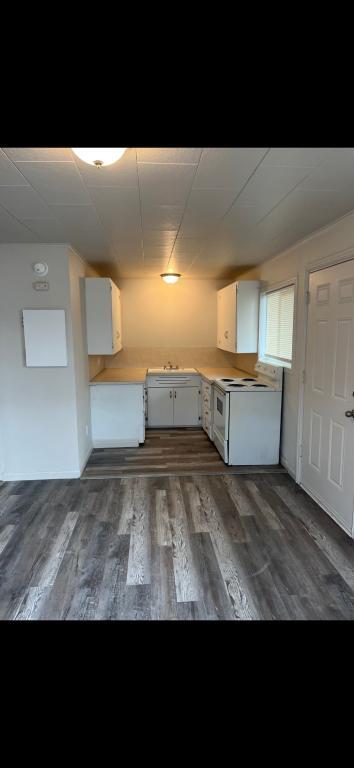
As of September 2026, the average apartment rent in Kelso, WA is $650 for a studio, $1,248 for one bedroom, $1,568 for two bedrooms, and $1,827 for three bedrooms. Apartment rent in Kelso has decreased by -5.3% in the past year.
Explore how walkable, bikeable, drivable, and transit-friendly Kelso, WA is for everyday living.
Somewhat Walkable
Walkability
Exceptionally Drivable
Drivability
Somewhat Bikeable
Bikeability

Public
Grades K-5
107 Students

Public
Grades K-5
163 Students

Public
Grades K-5
814 Students

Public
Grades K-5
440 Students

Public
Grades K-5
359 Students
Public
Grades 6-8
521 Students
Public
Grades 6-8
550 Students

Public
Grades K-12
227 Students

Public
Grades PK-12
20 Students

Public
Grades 9-12
1,423 Students
Public
Grades K-12
227 Students
Kelso Goal Oriented Learning Design
Public
Grades 9-12
27 Students
Public
Grades PK-12
20 Students
 The GreatSchools Rating helps parents compare schools within a state based on a variety of school quality indicators and provides a helpful picture of how effectively each school serves all of its students. Ratings are on a scale of 1 (below average) to 10 (above average) and can include test scores, college readiness, academic progress, advanced courses, equity, discipline and attendance data. We also advise parents to visit schools, consider other information on school performance and programs, and consider family needs as part of the school selection process.
View GreatSchools Rating Methodology
Data provided by
GreatSchools.org
© 2026. All rights reserved.
The GreatSchools Rating helps parents compare schools within a state based on a variety of school quality indicators and provides a helpful picture of how effectively each school serves all of its students. Ratings are on a scale of 1 (below average) to 10 (above average) and can include test scores, college readiness, academic progress, advanced courses, equity, discipline and attendance data. We also advise parents to visit schools, consider other information on school performance and programs, and consider family needs as part of the school selection process.
View GreatSchools Rating Methodology
Data provided by
GreatSchools.org
© 2026. All rights reserved.
† Our analysis of utilities, groceries, transportation, healthcare, home prices, and other goods and services is sourced from the Cost of Living Index, a respected benchmark published by the Council for Community and Economic Research (C2ER) that provides a thorough overview of living expenses across different regions.
Rent data is provided by CoStar Group’s Market Trend reports. As the industry leader in commercial real estate information, analytics, and news, CoStar conducts extensive research to produce and maintain a comprehensive database of commercial real estate information. We combine this data with public record to provide the most up-to-date rental information available.
Consumer goods, services, and home prices are sourced from the Cost of Living Index published by the Council for Community and Economic Research (C2ER). The data on this page is updated quarterly. It was last published in September 2026.
Demographic information comes from Neustar and combines detailed address data with U.S. Census and American Community Survey statistics to produce reliable local estimates.