Median Age
30 Years
Largest Age Group
20-29 Years
Approximately 25% of Residents
Under 20
25%
Over 65
12%


Avg Rent
$1,135
Population
75,095
Renter Mix
58% Rent
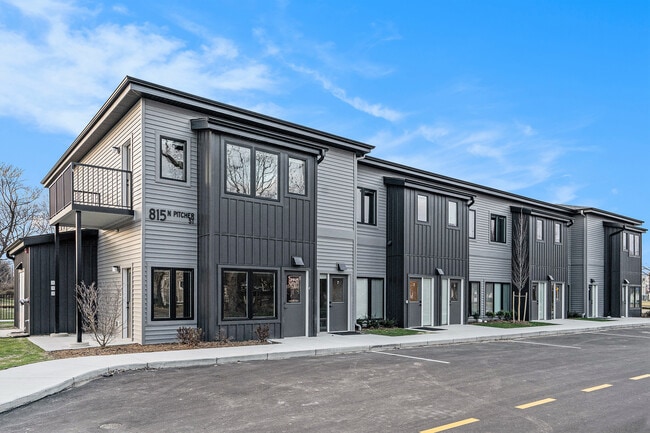
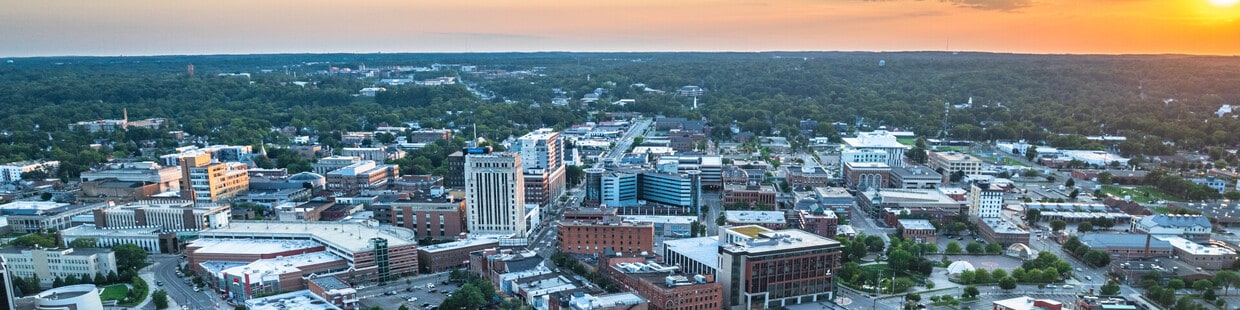
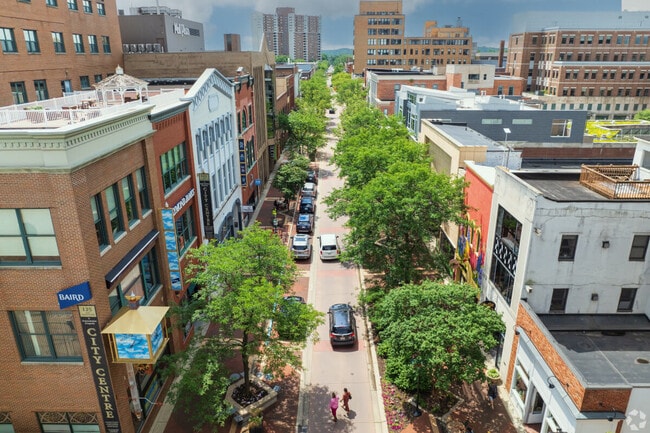
Welcome to Kalamazoo, a historic city in southwestern Michigan where past meets present. Located between Detroit and Chicago, this community of over 73,000 residents combines cultural attractions with abundant green spaces. As home to Western Michigan University and Kalamazoo College, the city maintains a strong educational presence. The downtown area features the Kalamazoo Mall, America's first outdoor pedestrian shopping district, lined with independent businesses and eateries. Outdoor enthusiasts can explore the extensive Kalamazoo River Valley Trail system, which connects multiple parks throughout the region. Current rental trends show moderate growth, with average one-bedroom apartments renting for $1,054 (up 2.9% year-over-year), while two-bedrooms average $1,295 (up 1.8% year-over-year).
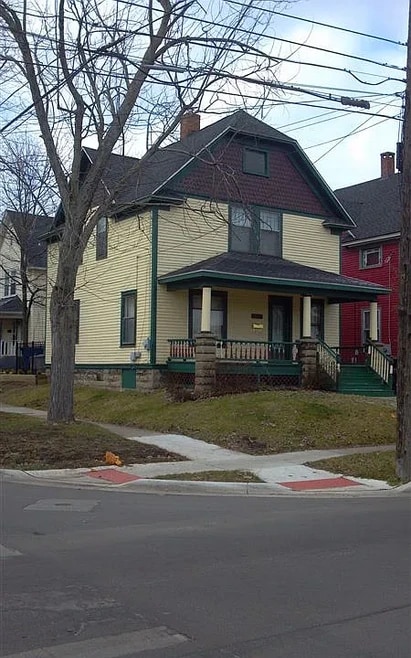
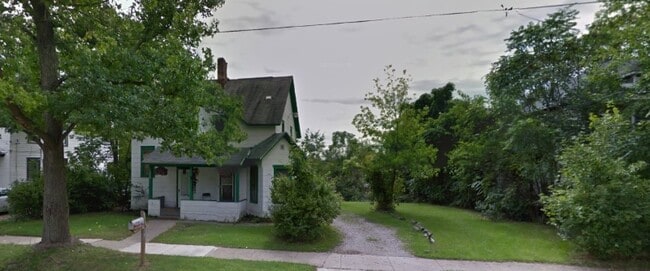
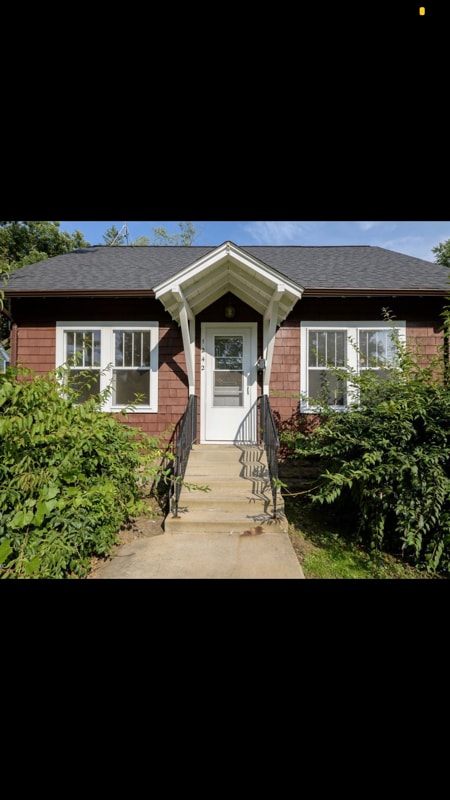
Housing options in Kalamazoo span from historic properties in the Vine neighborhood to contemporary apartments near the Western Michigan University campus. Each area offers distinct characteristics - the Stuart neighborhood showcases impressive architecture, while Westnedge Hill features tree-lined streets and classic homes. Downtown has evolved with the addition of residential lofts and new housing developments. The city celebrates its cultural heritage through events like the Irving S. Gilmore International Keyboard Festival and maintains a respected craft brewing tradition. Kalamazoo's legacy of innovation includes being the original headquarters of Gibson Guitar Corporation and pioneering accessibility with the nation's first curb cuts in the 1940s. Today, the city continues this forward-thinking approach through the Kalamazoo Promise, which provides college tuition support for Kalamazoo Public Schools graduates.
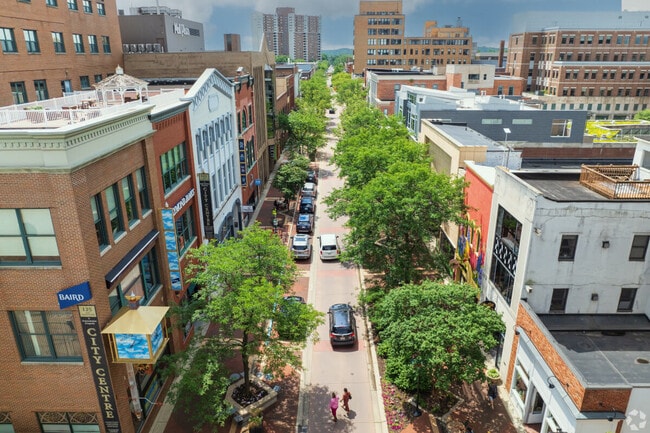
The Kalamazoo Mall was the first open-air outdoor mall in the country, established in 1959.
Kalamazoo locals love spending their Saturday mornings at the Kalamzoo Farmer's Market.
Bronson Park is located downtown and is a green oasis in the middle of a busy city.
Median Household Income
$43,727
Average: $61,153
Education
23,849
Residents Have a Degree
Job Market
37,304
Workers Employed
Median Age
30 Years
Largest Age Group
20-29 Years
Approximately 25% of Residents
Under 20
25%
Over 65
12%
Housing Distribution
Kalamazoo has more renters than homeowners.

Education Distribution
Review this city's overall education levels.

As of September 2026, the average apartment rent in Kalamazoo, MI is $994 for a studio, $1,135 for one bedroom, $1,376 for two bedrooms, and $1,734 for three bedrooms. Apartment rent in Kalamazoo has increased by 2.7% in the past year.
The cost of living in Kalamazoo, MI is 14.3% lower than the national average. Generally, housing in Kalamazoo is 36.5% less expensive than the national average, with rent falling between $994 - $1,734. You can expect to pay 2.6% less for groceries, 2.5% less for utilities, and 4.0% less for transportation.
Compare Cities
Explore how walkable, bikeable, drivable, and transit-friendly Kalamazoo, MI is for everyday living.
Moderately Walkable
Walkability
Limited Public Transit
Transit
Exceptionally Drivable
Drivability
Fairly Bikeable
Bikeability

Public
Grades PK-5
269 Students

King-Westwood Elementary School
Public
Grades PK-5
534 Students

Public
Grades PK-5
481 Students
Public
Grades K-8
299 Students
Indian Prairie Elementary School
Public
Grades PK-5
157 Students
Public
Grades K-8
299 Students
Public
Grades 6-8
698 Students

Maple Street Magnet School For The Arts
Public
Grades 6-8
868 Students

Public
Grades 6-8
750 Students
Public
Grades 6-8
487 Students
Public
Grades 9-12
1,782 Students
Public
Grades 9-12
1,614 Students
Public
Grades 9-12
357 Students
Kalamazoo Innovative Learning Program
Public
Grades 9-12
138 Students

Public
Grades 6-12
390 Students

 The GreatSchools Rating helps parents compare schools within a state based on a variety of school quality indicators and provides a helpful picture of how effectively each school serves all of its students. Ratings are on a scale of 1 (below average) to 10 (above average) and can include test scores, college readiness, academic progress, advanced courses, equity, discipline and attendance data. We also advise parents to visit schools, consider other information on school performance and programs, and consider family needs as part of the school selection process.
View GreatSchools Rating Methodology
Data provided by
GreatSchools.org
© 2026. All rights reserved.
The GreatSchools Rating helps parents compare schools within a state based on a variety of school quality indicators and provides a helpful picture of how effectively each school serves all of its students. Ratings are on a scale of 1 (below average) to 10 (above average) and can include test scores, college readiness, academic progress, advanced courses, equity, discipline and attendance data. We also advise parents to visit schools, consider other information on school performance and programs, and consider family needs as part of the school selection process.
View GreatSchools Rating Methodology
Data provided by
GreatSchools.org
© 2026. All rights reserved.
† Our analysis of utilities, groceries, transportation, healthcare, home prices, and other goods and services is sourced from the Cost of Living Index, a respected benchmark published by the Council for Community and Economic Research (C2ER) that provides a thorough overview of living expenses across different regions.
Rent data is provided by CoStar Group’s Market Trend reports. As the industry leader in commercial real estate information, analytics, and news, CoStar conducts extensive research to produce and maintain a comprehensive database of commercial real estate information. We combine this data with public record to provide the most up-to-date rental information available.
Consumer goods, services, and home prices are sourced from the Cost of Living Index published by the Council for Community and Economic Research (C2ER). The data on this page is updated quarterly. It was last published in September 2026.
Demographic information comes from Neustar and combines detailed address data with U.S. Census and American Community Survey statistics to produce reliable local estimates.