Median Age
45 Years
Largest Age Group
55-64 Years
Approximately 14% of Residents
Under 20
20%
Over 65
22%


Avg Rent
$1,525
Population
8,996
Renter Mix
39% Rent
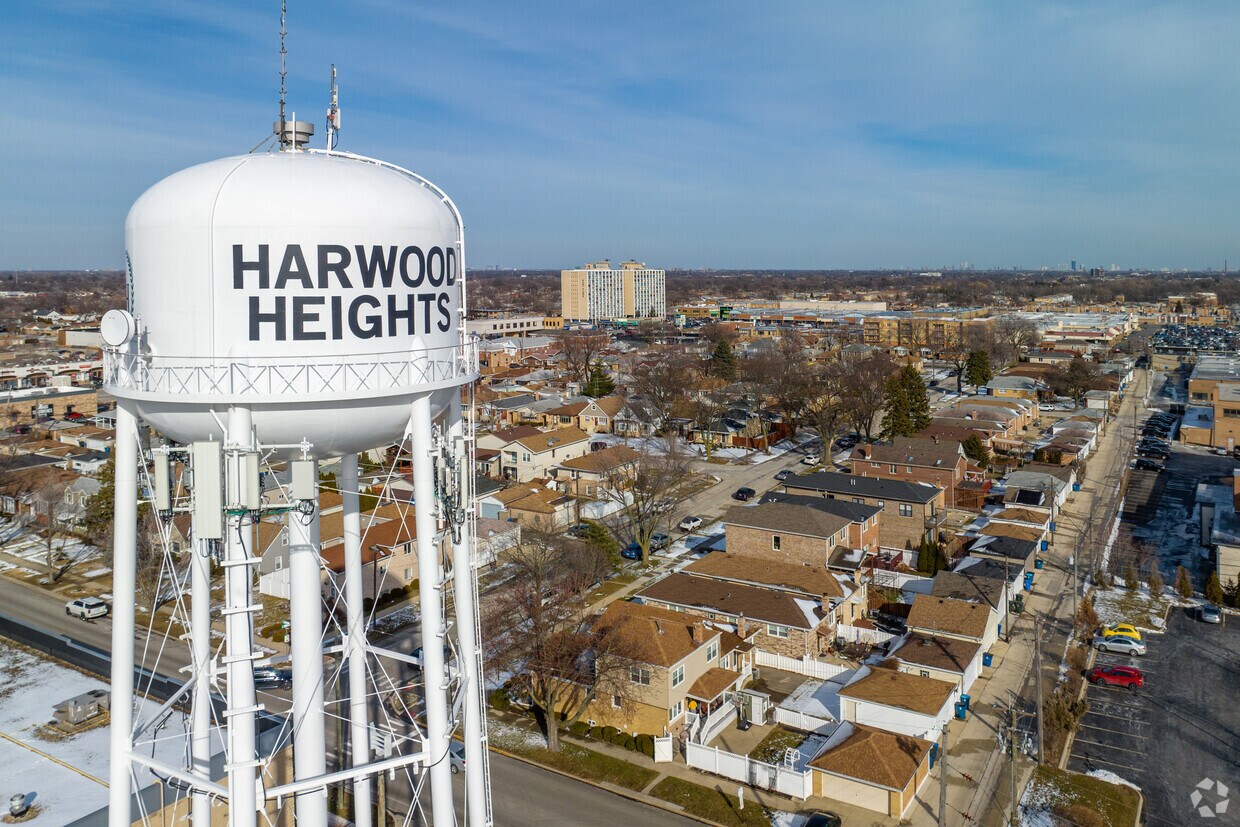
Harwood Heights is a small, self-governing village in Cook County that forms a quiet enclave completely surrounded by the city of Chicago. Covering just one square mile and home to roughly 9,000 residents, it carries the feel of a tight-knit suburb while sitting about 20 minutes northwest of the Loop via the Kennedy Expressway. The village has charted an independent course since the 1940s, when Chicago declined to annex it, and that spirit of self-determination still shapes its identity today. Norridge, its closest neighbor, shares the same enclave and offers additional retail and dining along the Harlem Avenue corridor.
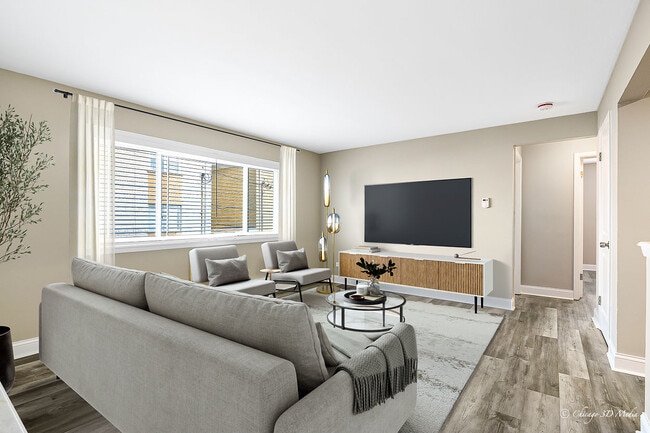
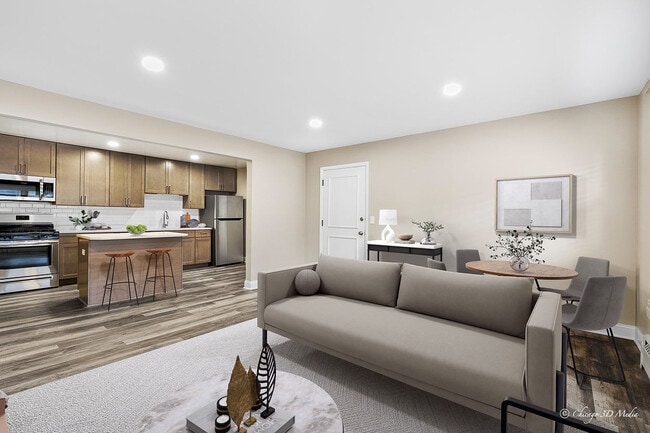
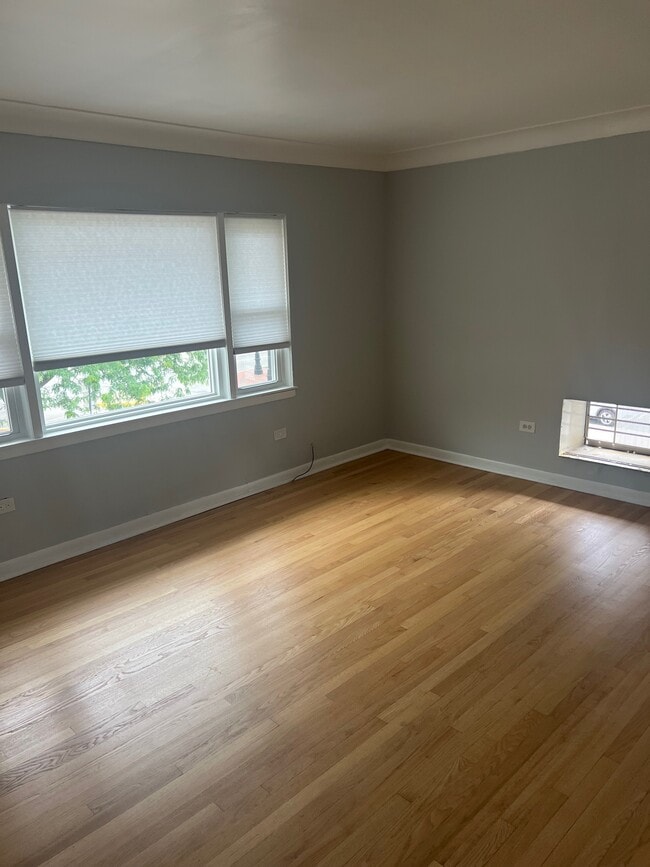
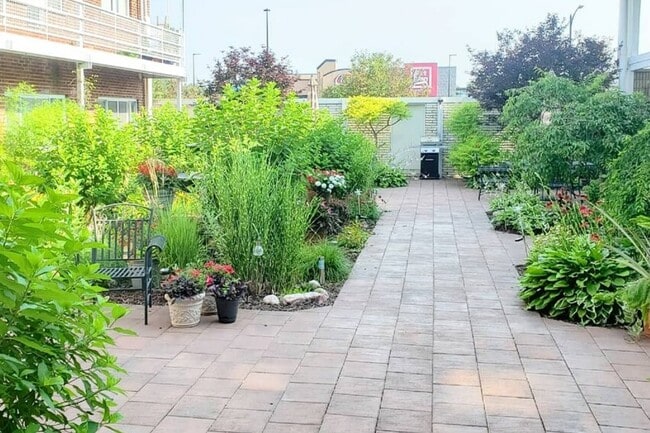
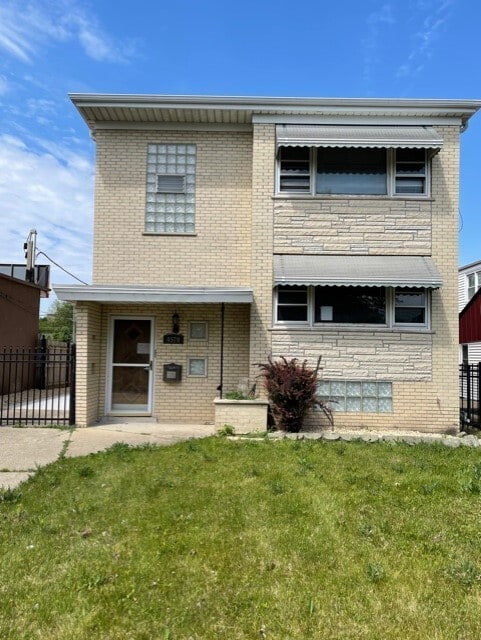
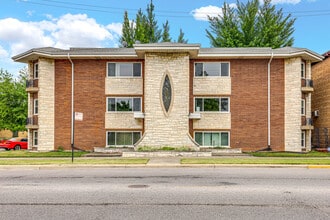
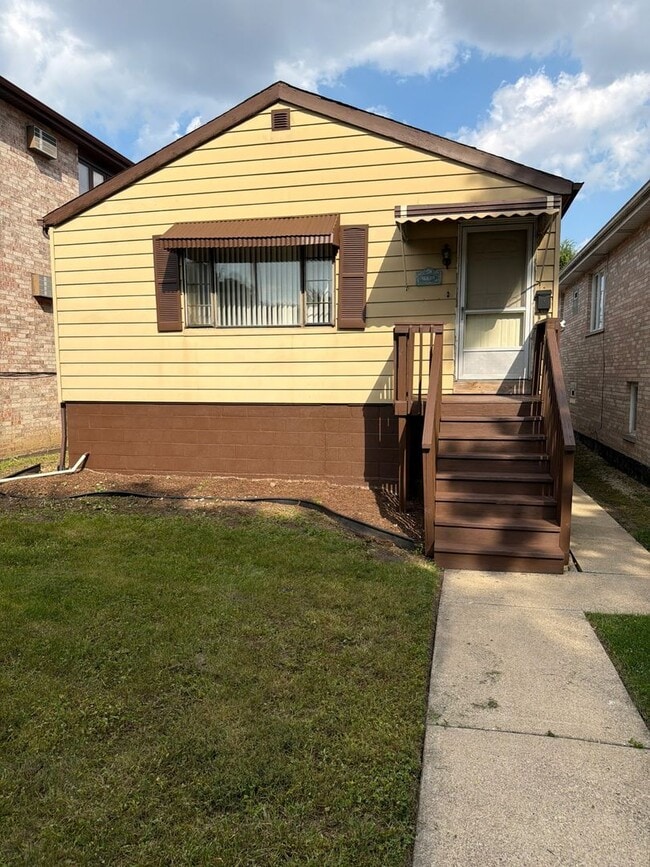
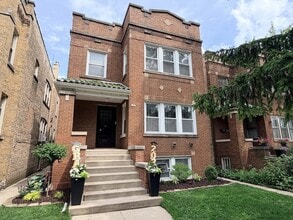
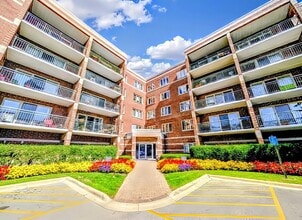
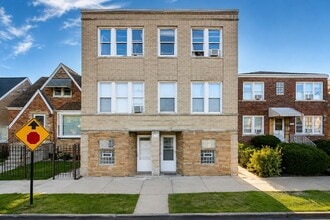
Housing in Harwood Heights skews toward well-maintained apartment communities, with a mix of mid-rise buildings and garden-style units that reflect the area's postwar growth era. Studios and one- and two-bedroom floor plans make up most of the rental inventory, appealing to anyone who wants easy access to Chicago without the density or cost of living inside city limits. The Eisenhower Public Library, shared with Norridge, anchors community life, while Ridgemoor Country Club provides a green, open-air backdrop on the village's eastern edge. The annual community picnic each summer draws residents together and reflects the area's enduring neighborhood character.
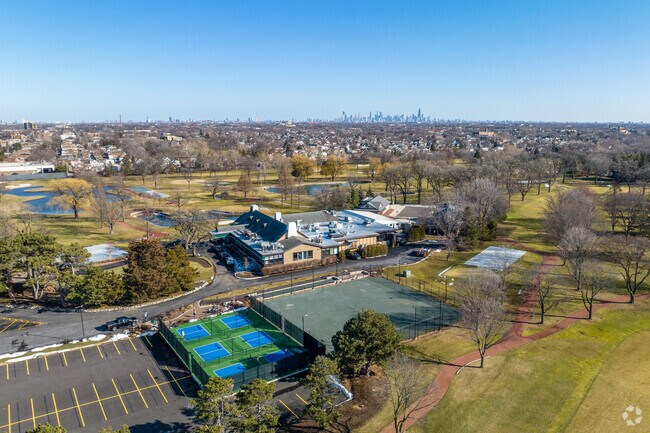
Ridgemoor Country Club is in the heart of Harwood Heights.
Northridge Park in Harwood Heights received positive reviews on Google.
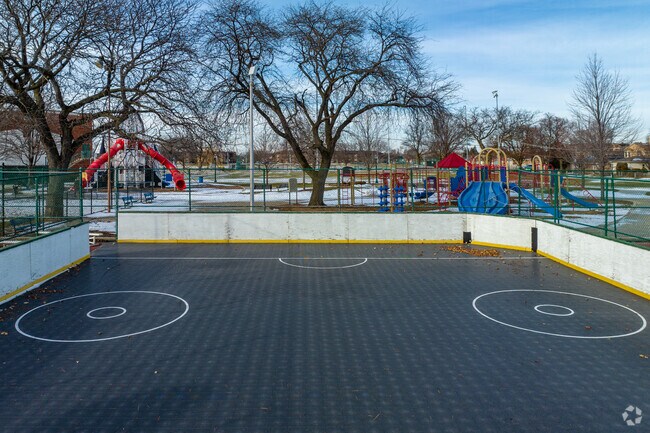
Norridge Park In-Line Hockey Rink is a fun amenity for hockey players in Harwood Heights.
Norridge Park Fitness Center features gym equipment in Harwood Heights.
Harlem Irving Plaza is a major shopping center near Harwood Heights.
Norridge Park District in Harwood Heights features a large water park for visitors of all ages.
Median Household Income
$74,313
Average: $95,571
Education
2,288
Residents Have a Degree
Job Market
4,779
Workers Employed
Median Age
45 Years
Largest Age Group
55-64 Years
Approximately 14% of Residents
Under 20
20%
Over 65
22%
Housing Distribution
Harwood Heights has more homeowners than renters.

Education Distribution
Review this city's overall education levels.

As of September 2026, the average apartment rent in Harwood Heights, IL is $1,240 for a studio, $1,525 for one bedroom, and $1,589 for two bedrooms. Apartment rent in Harwood Heights has increased by 4.2% in the past year.
Explore how walkable, bikeable, drivable, and transit-friendly Harwood Heights, IL is for everyday living.
Moderately Walkable
Walkability
Some Public Transit
Transit
Moderately Drivable
Drivability
Fairly Bikeable
Bikeability

Public
Grades PK-8
651 Students

Public
Grades PK-8
651 Students
 The GreatSchools Rating helps parents compare schools within a state based on a variety of school quality indicators and provides a helpful picture of how effectively each school serves all of its students. Ratings are on a scale of 1 (below average) to 10 (above average) and can include test scores, college readiness, academic progress, advanced courses, equity, discipline and attendance data. We also advise parents to visit schools, consider other information on school performance and programs, and consider family needs as part of the school selection process.
View GreatSchools Rating Methodology
Data provided by
GreatSchools.org
© 2026. All rights reserved.
The GreatSchools Rating helps parents compare schools within a state based on a variety of school quality indicators and provides a helpful picture of how effectively each school serves all of its students. Ratings are on a scale of 1 (below average) to 10 (above average) and can include test scores, college readiness, academic progress, advanced courses, equity, discipline and attendance data. We also advise parents to visit schools, consider other information on school performance and programs, and consider family needs as part of the school selection process.
View GreatSchools Rating Methodology
Data provided by
GreatSchools.org
© 2026. All rights reserved.
† Our analysis of utilities, groceries, transportation, healthcare, home prices, and other goods and services is sourced from the Cost of Living Index, a respected benchmark published by the Council for Community and Economic Research (C2ER) that provides a thorough overview of living expenses across different regions.
Rent data is provided by CoStar Group’s Market Trend reports. As the industry leader in commercial real estate information, analytics, and news, CoStar conducts extensive research to produce and maintain a comprehensive database of commercial real estate information. We combine this data with public record to provide the most up-to-date rental information available.
Consumer goods, services, and home prices are sourced from the Cost of Living Index published by the Council for Community and Economic Research (C2ER). The data on this page is updated quarterly. It was last published in September 2026.
Demographic information comes from Neustar and combines detailed address data with U.S. Census and American Community Survey statistics to produce reliable local estimates.