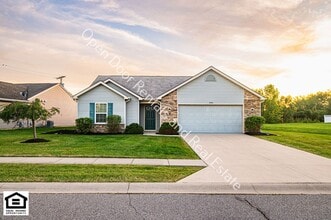
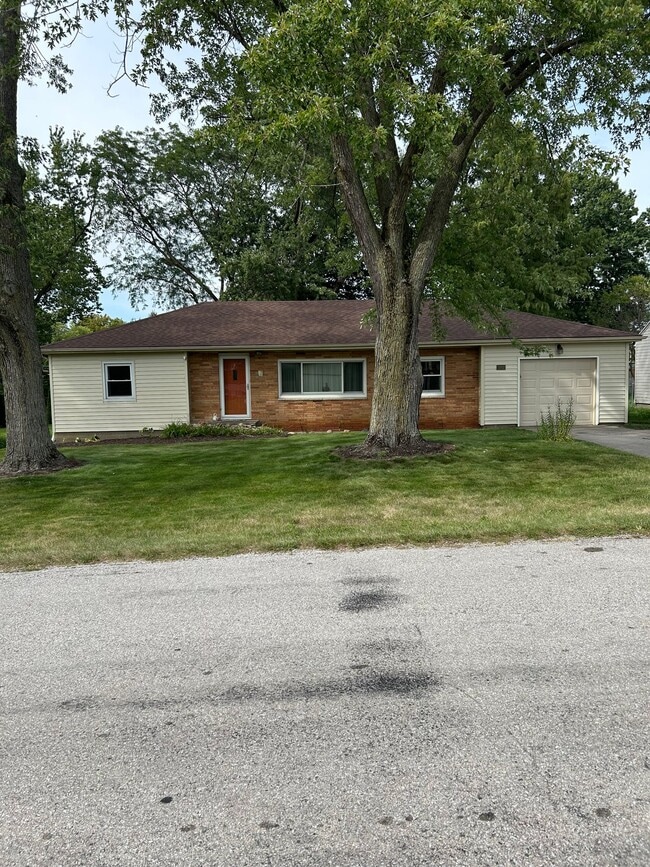
Best Neighborhoods in Fort Wayne, IN for Renters
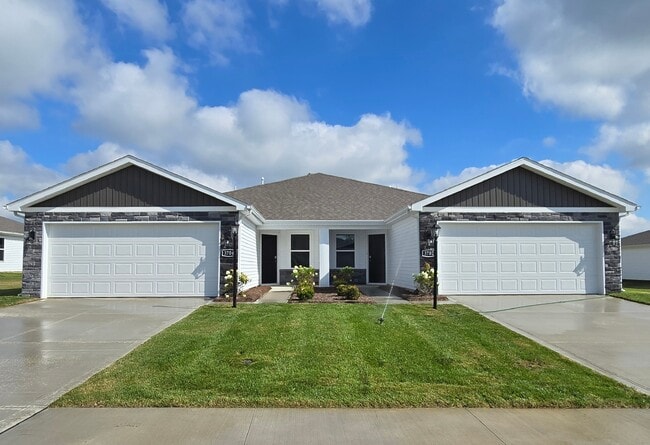
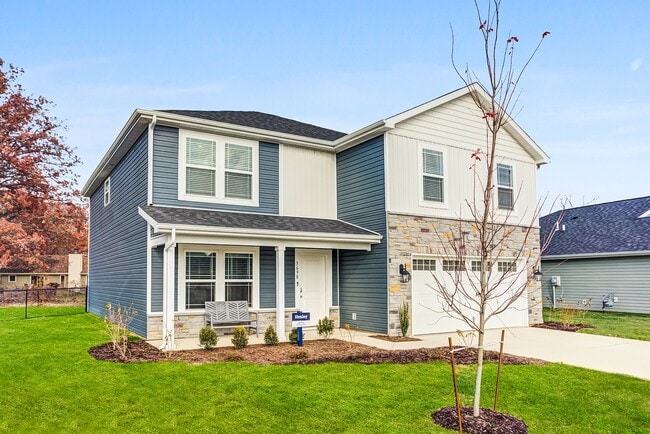
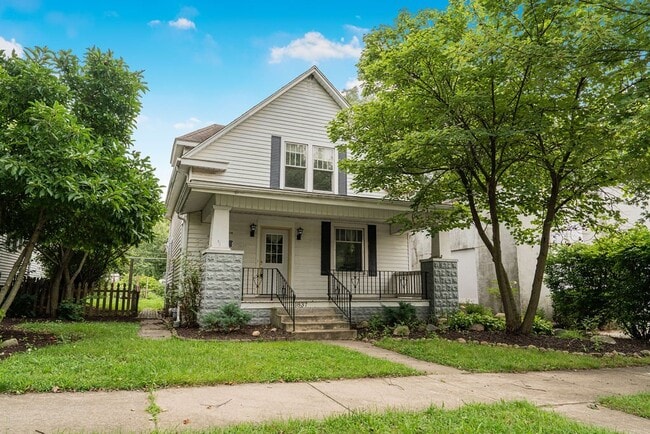
Don't know where to start your Fort Wayne rental search? Here are five Fort Wayne neighborhoods perfect for renters.




Avg Rent
$1,052
Population
271,038
Renter Mix
41% Rent
Fort Wayne sits at the confluence of three rivers — the St. Marys, St. Joseph, and Maumee — a geography that has shaped the city's identity since General Anthony Wayne established a military post here in 1794. Today, Indiana's second-largest city carries a grounded, confident energy, anchored by major employers like Parkview Regional Medical Center, the reimagined Electric Works campus in the former General Electric complex, and academic institutions Purdue University Fort Wayne and Indiana Tech. Neighborhoods range from the historic, walkable streets of West Central with its Victorian architecture to the quieter suburban pace of Aboite and Dupont on the city's outskirts.
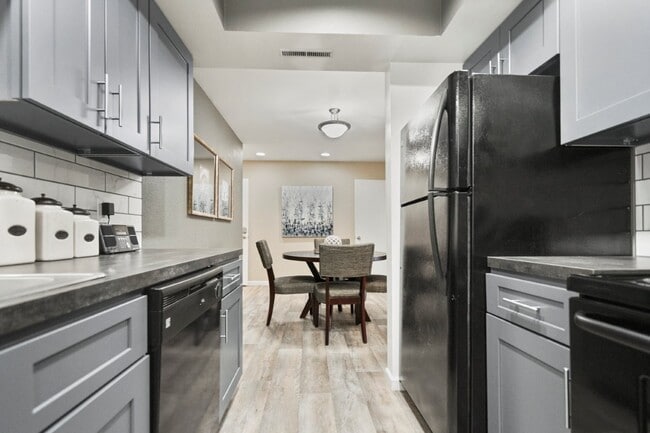
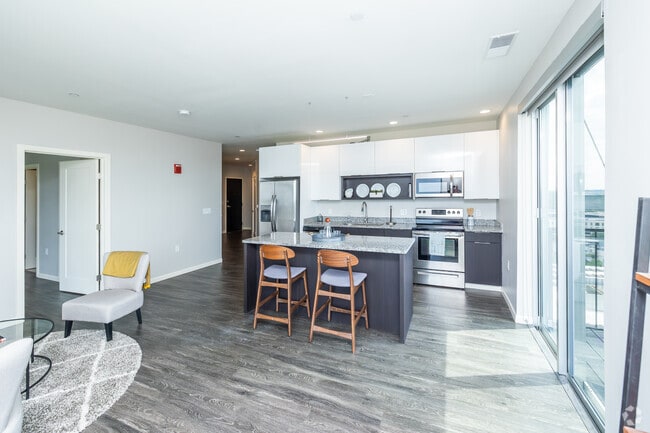
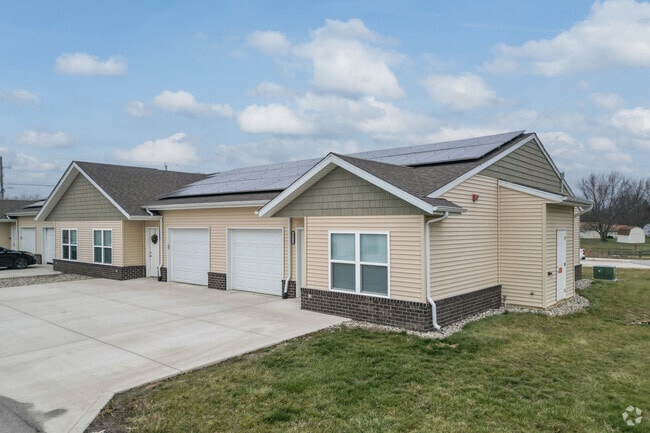
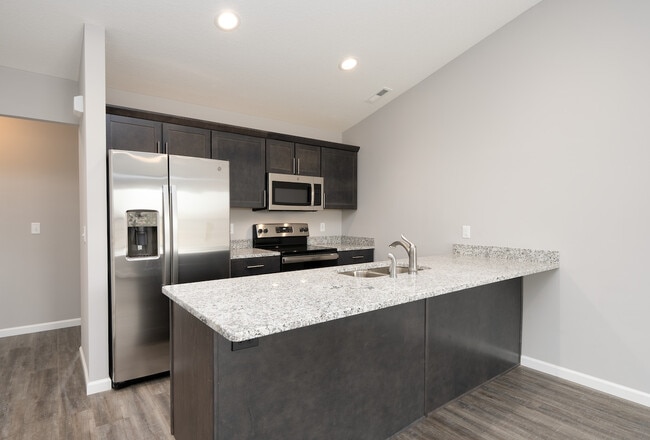
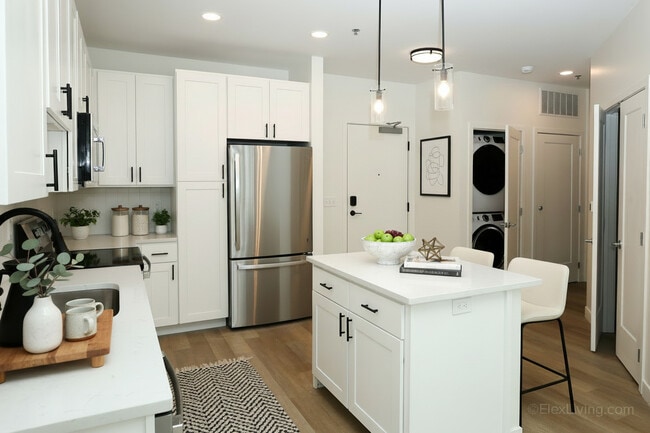
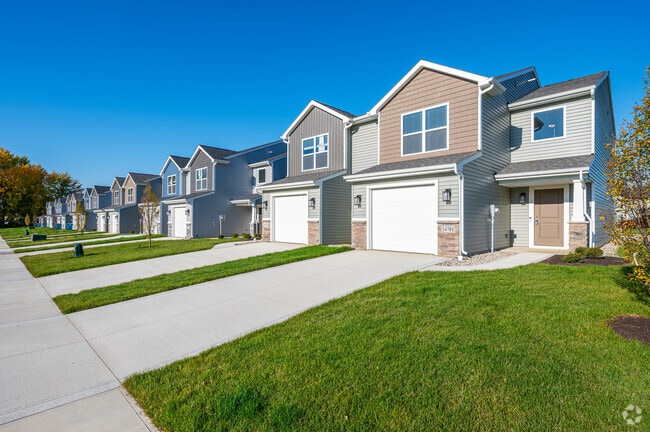
The rental market reflects that variety well. Renters can choose from converted downtown lofts along The Landing on Columbia Street, spacious apartment communities across the northwest and southwest corridors, and townhomes that suit a range of lifestyles. The city's cost of living sits below the national average, which means more room in your budget without sacrificing quality of life. Each July, the nine-day Three Rivers Festival fills the riverfront with live music, artisan vendors, and fireworks — a long-running community tradition that reveals the city's character more than any headline ever could.
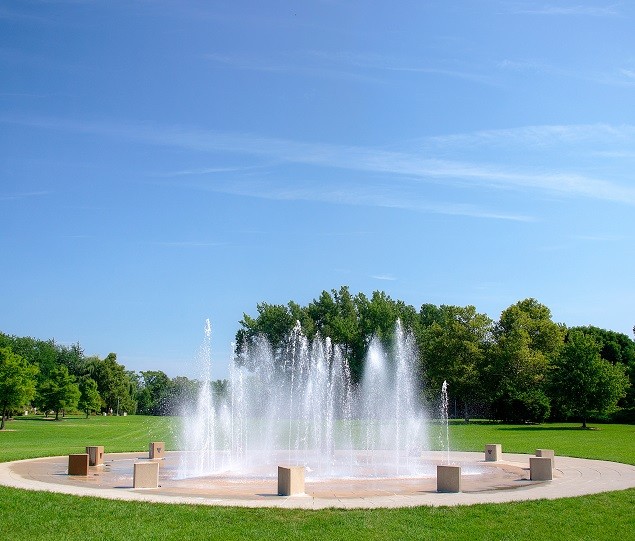
Headwaters Park includes an impressive fountain, bike paths, and an ice-skating rink.
There is a wide river for boating on Fort Wayne's St. Mary's River.
Lindenwood Nature Preserve near Reckeweg Road offers elevated walking trails throughout.
Neighborhoods are nestled among green spaces in Fort Wayne.
Fort Wayne's Rivergreenway offers trails, boating, and fishing to residents.
Fort Wayne Country Club offers lush greens and a clubhouse for Reckeweg Road residents.
Median Household Income
$55,715
Average: $71,073
Education
62,031
Residents Have a Degree
Job Market
134,925
Workers Employed
Median Age
36 Years
Largest Age Group
25-34 Years
Approximately 15% of Residents
Under 20
27%
Over 65
17%
Housing Distribution
Fort Wayne has more homeowners than renters.

Education Distribution
Review this city's overall education levels.

As of September 2026, the average apartment rent in Fort Wayne, IN is $815 for a studio, $1,047 for one bedroom, $1,292 for two bedrooms, and $1,603 for three bedrooms. Apartment rent in Fort Wayne has increased by 6.0% in the past year.
The cost of living in Fort Wayne, IN is 6.5% lower than the national average. Generally, housing in Fort Wayne is 15.8% less expensive than the national average, with rent falling between $815 - $1,603. You can expect to pay 0% less for groceries, 4.9% less for utilities, and 0.4% more for transportation.
Compare Cities

Best Neighborhoods in Fort Wayne, IN for Renters
Don't know where to start your Fort Wayne rental search? Here are five Fort Wayne neighborhoods perfect for renters.

Five Most Affordable Neighborhoods in Fort Wayne, IN
Looking to rent an apartment in Fort Wayne on a budget? Check out these five affordable neighborhoods in Fort Wayne to help your rental search.

5 Quick & Easy Moving Tips
Moving soon? Use these quick tips to pack smarter, stay organized, and make unpacking easier.
Explore how walkable, bikeable, drivable, and transit-friendly Fort Wayne, IN is for everyday living.
Fairly Walkable
Walkability
Limited Public Transit
Transit
Moderately Drivable
Drivability
Very Bikeable
Bikeability

Public
Grades K-5
764 Students

Fred High Croninger Elementary School
Public
Grades K-5
619 Students

Public
Grades PK-5
497 Students
Public
Grades K-5
430 Students
Public
Grades K-5
396 Students
Public
Grades 6-8
1,032 Students
Public
Grades 6-8
789 Students
Public
Grades 6-8
1,024 Students

Public
Grades 6-8
1,004 Students

Public
Grades 6-8
814 Students
Public
Grades 9-12
2,382 Students
Public
Grades 9-12
291 Students
Public
Grades 9-12
2,623 Students
Public
Grades 9-12
1,927 Students
Public
Grades 9-12
2,145 Students

 The GreatSchools Rating helps parents compare schools within a state based on a variety of school quality indicators and provides a helpful picture of how effectively each school serves all of its students. Ratings are on a scale of 1 (below average) to 10 (above average) and can include test scores, college readiness, academic progress, advanced courses, equity, discipline and attendance data. We also advise parents to visit schools, consider other information on school performance and programs, and consider family needs as part of the school selection process.
View GreatSchools Rating Methodology
Data provided by
GreatSchools.org
© 2026. All rights reserved.
The GreatSchools Rating helps parents compare schools within a state based on a variety of school quality indicators and provides a helpful picture of how effectively each school serves all of its students. Ratings are on a scale of 1 (below average) to 10 (above average) and can include test scores, college readiness, academic progress, advanced courses, equity, discipline and attendance data. We also advise parents to visit schools, consider other information on school performance and programs, and consider family needs as part of the school selection process.
View GreatSchools Rating Methodology
Data provided by
GreatSchools.org
© 2026. All rights reserved.
† Our analysis of utilities, groceries, transportation, healthcare, home prices, and other goods and services is sourced from the Cost of Living Index, a respected benchmark published by the Council for Community and Economic Research (C2ER) that provides a thorough overview of living expenses across different regions.
Rent data is provided by CoStar Group’s Market Trend reports. As the industry leader in commercial real estate information, analytics, and news, CoStar conducts extensive research to produce and maintain a comprehensive database of commercial real estate information. We combine this data with public record to provide the most up-to-date rental information available.
Consumer goods, services, and home prices are sourced from the Cost of Living Index published by the Council for Community and Economic Research (C2ER). The data on this page is updated quarterly. It was last published in September 2026.
Demographic information comes from Neustar and combines detailed address data with U.S. Census and American Community Survey statistics to produce reliable local estimates.